Description
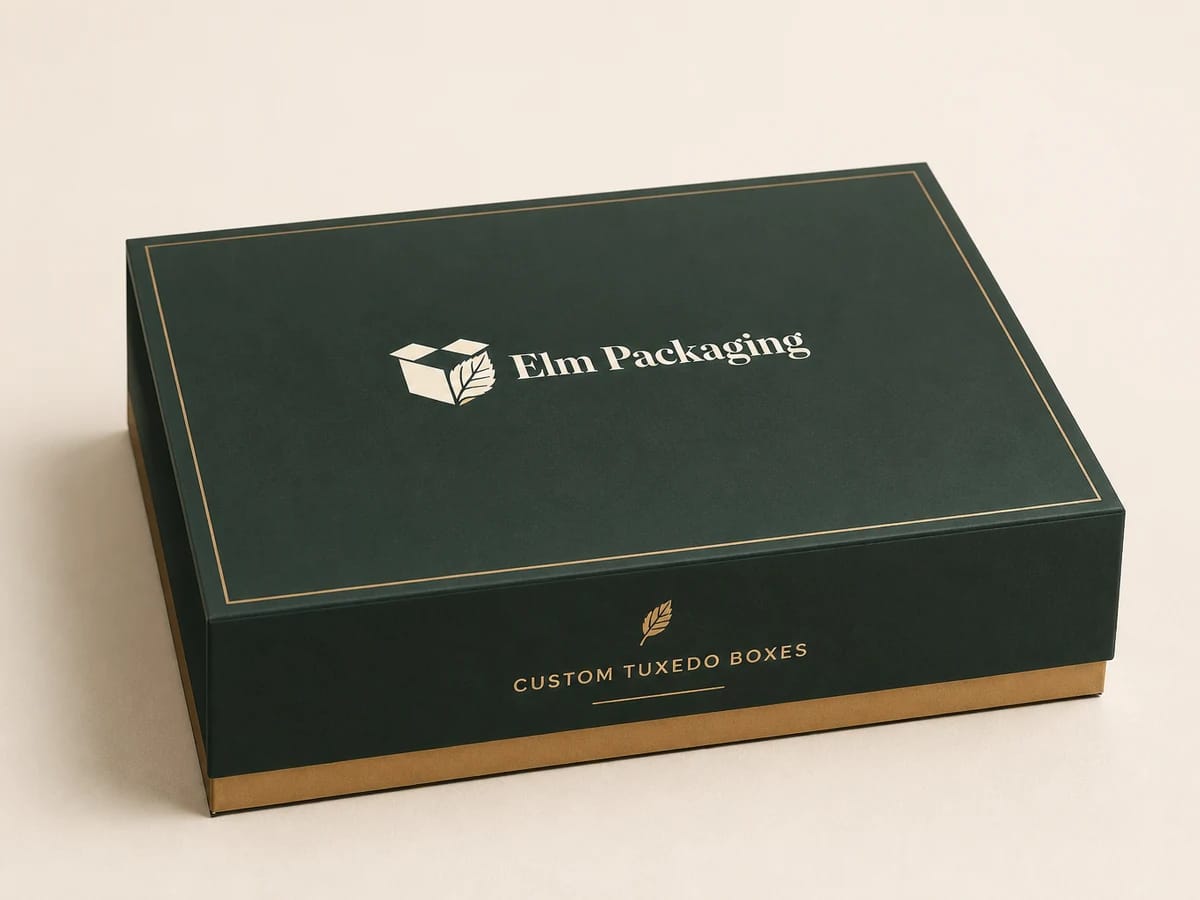
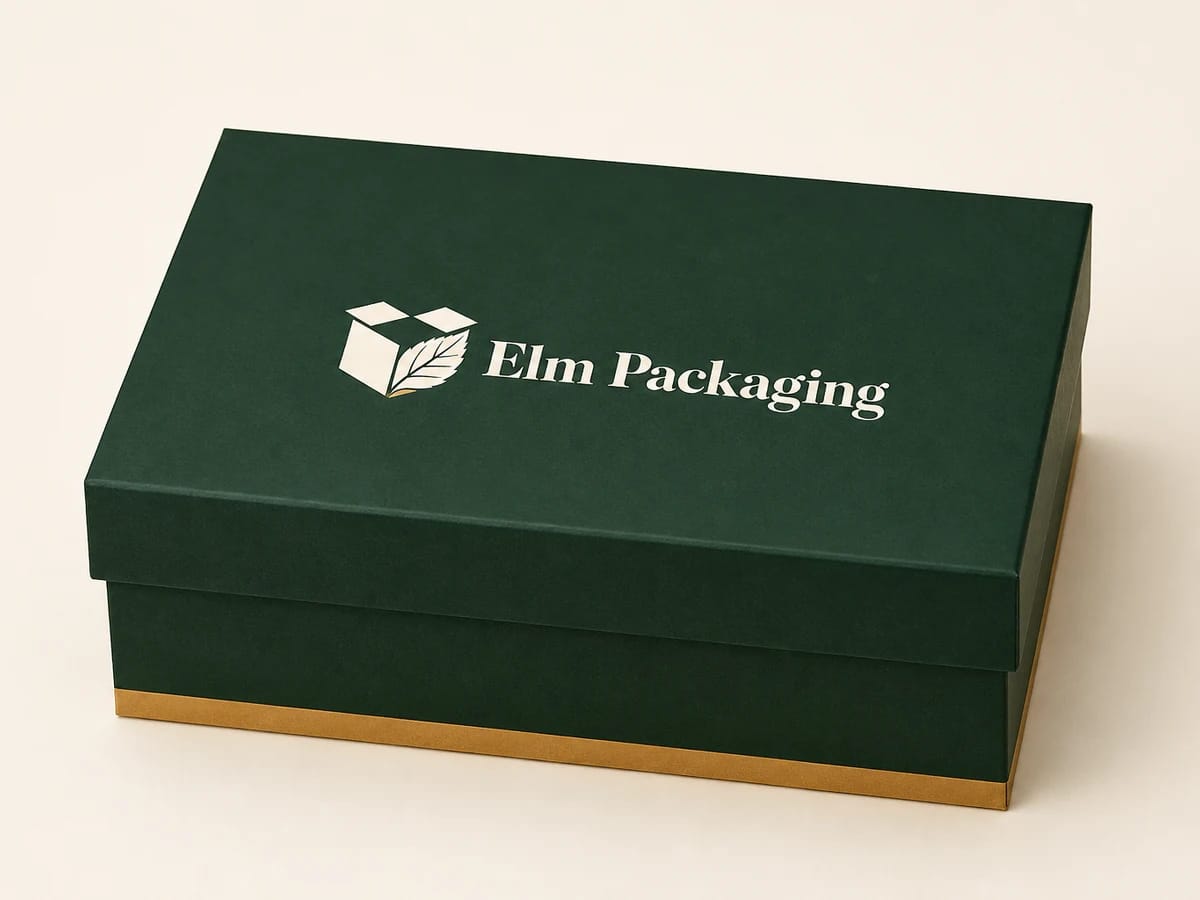
Custom apparel boxes give clothing brands a shippable brand moment: the carton that arrives with a streetwear drop, boutique order, or wholesale pack should protect fabric and still look intentional when the lid lifts. From ecommerce mailers to retail folding cartons, the right structure carries your logo, color story, and finish choices without fighting the garment inside.
Most apparel teams arrive with a product mix—tees, denim, outerwear, accessories—and need packaging that scales from a first run into seasonal launches. Hoodies need more crush resistance than folded tees; hardware changes how you pad the interior. Elm Packaging works on a quote-request model. Browse styles on this page, then send dimensions, board preference, and artwork notes so we match crush strength, print coverage, and timeline to how you fulfill. Typical MOQ sits around 100 units; production is typically 7 days after proof approval; free dieline help keeps panels aligned before you commit art.
Below: shipping realities, channel fit, print choices, materials, and quote prep. Use the product list as a structure start, then refine board grade, flute, and finish once sizes and ship methods are clear.
Ship-ready protection without the bulk tax
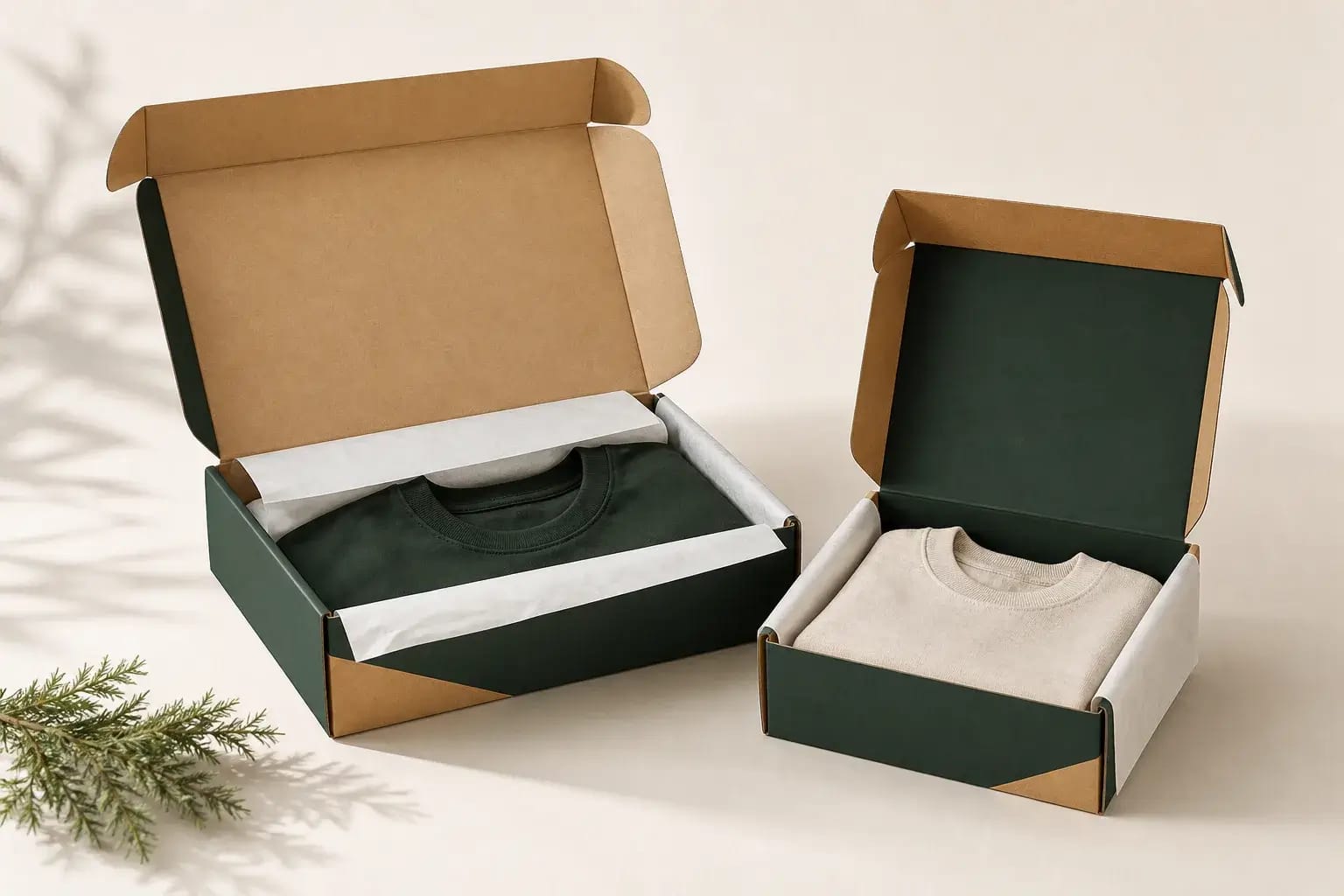
Apparel packaging has to survive conveyor belts and doorsteps without adding so much board that postage eats the margin. Corrugated mailers use flute—the wavy inner layer—to resist crush; folding cartons suit lighter retail handoffs. We size board to garment weight and ship method during quoting. If you ship denser packs (denim, jackets with hardware), call that out early so we do not under-spec a mailer that soft-folds in transit.
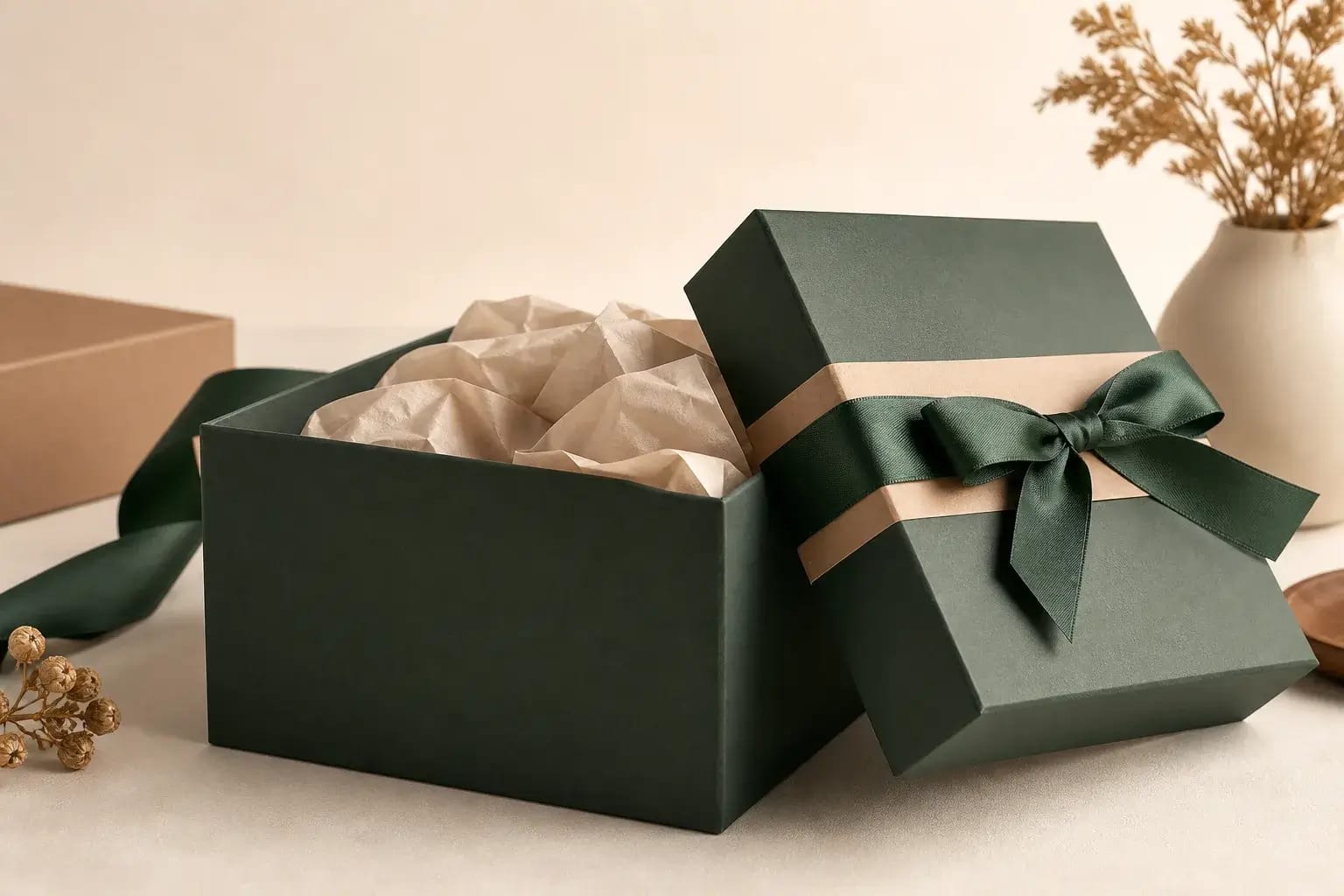
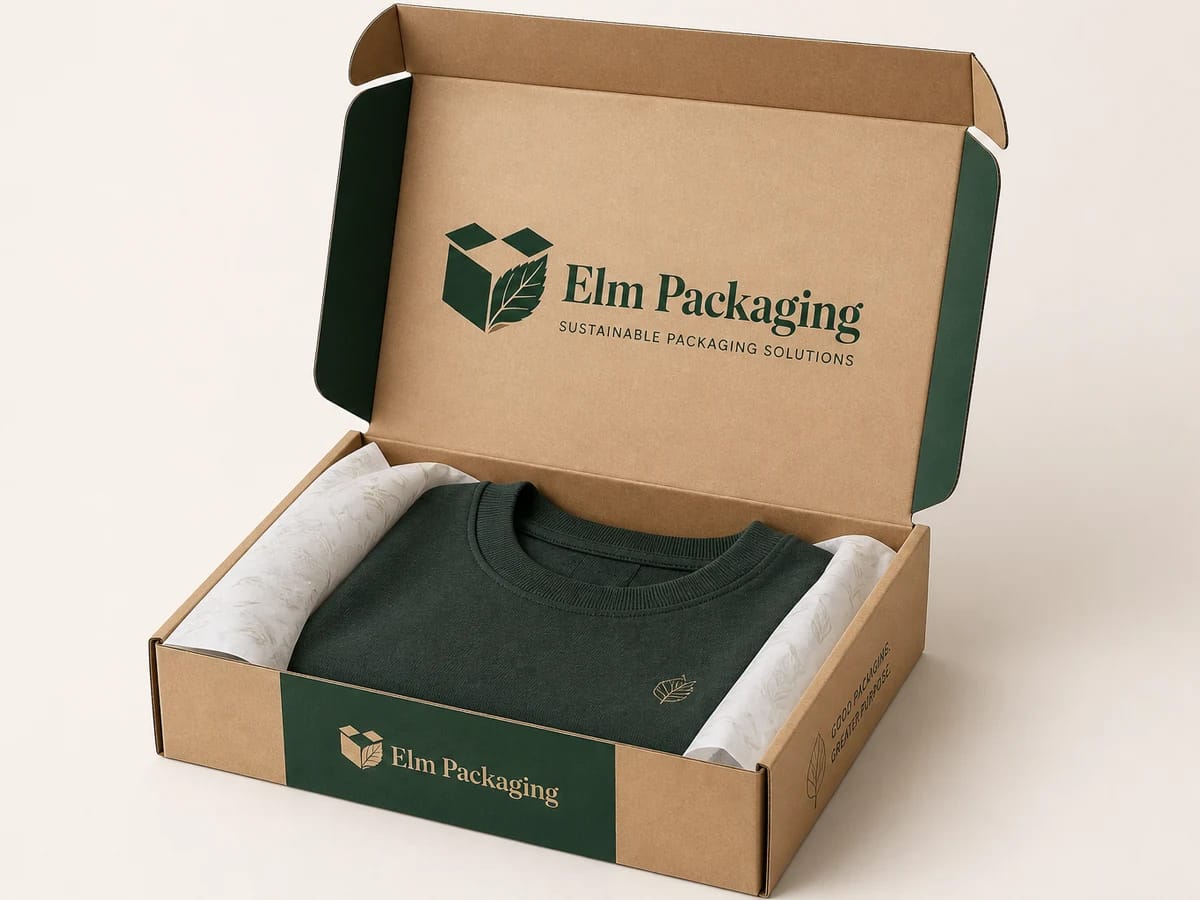
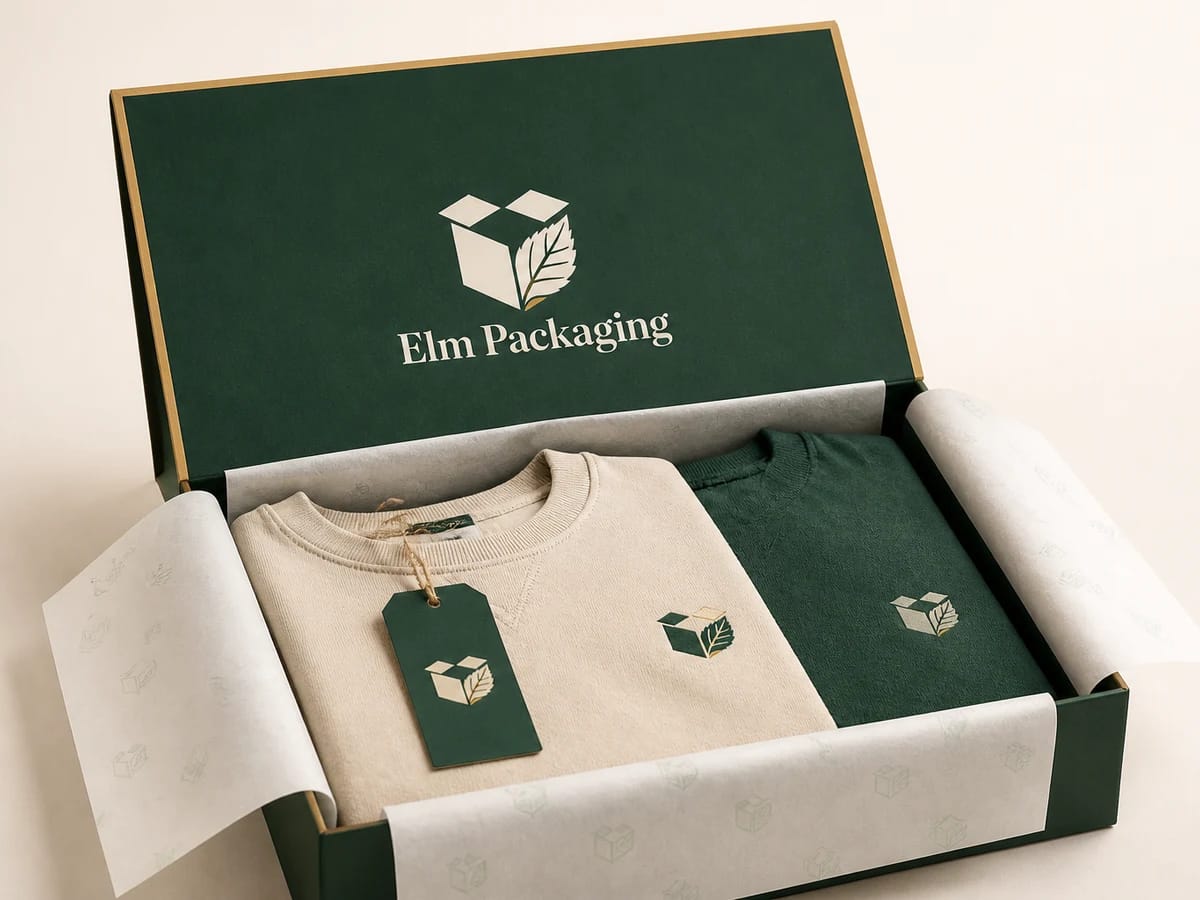
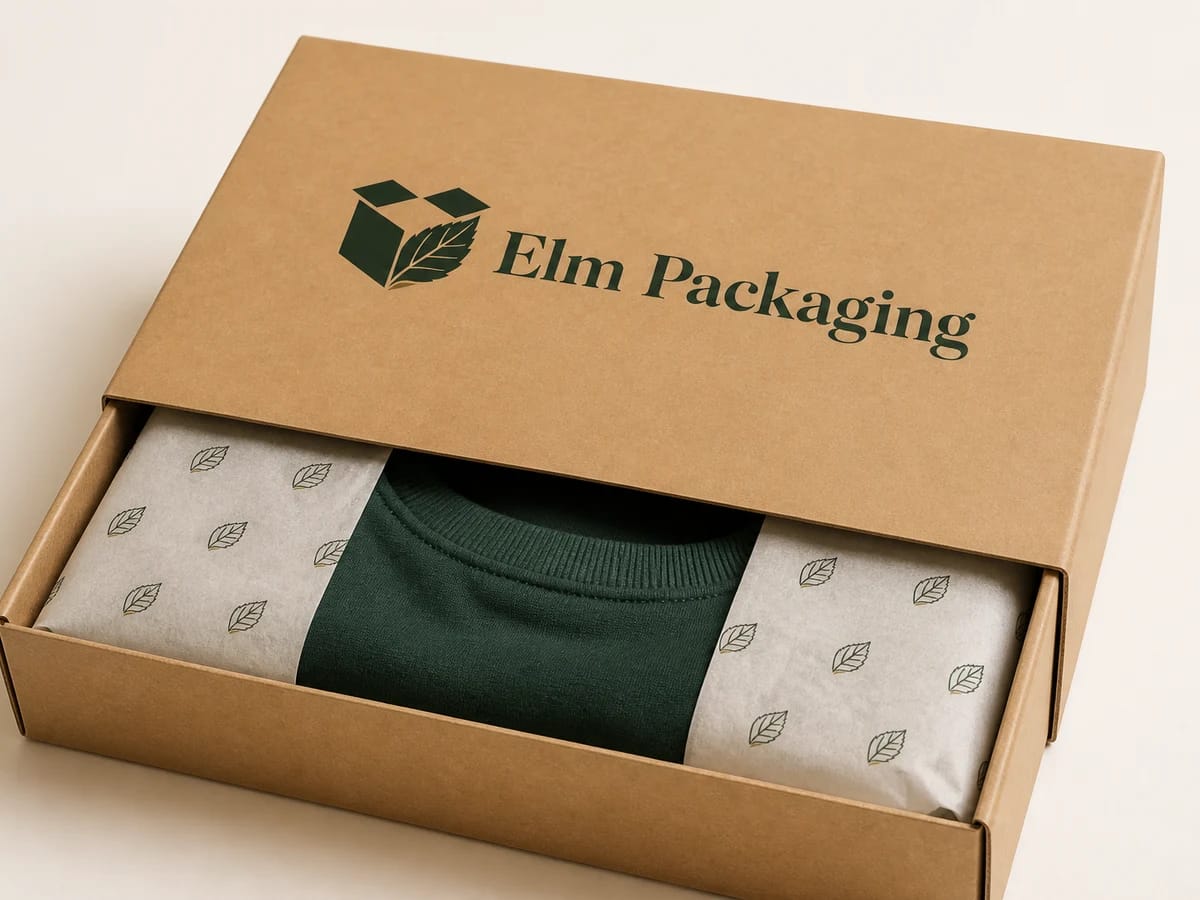
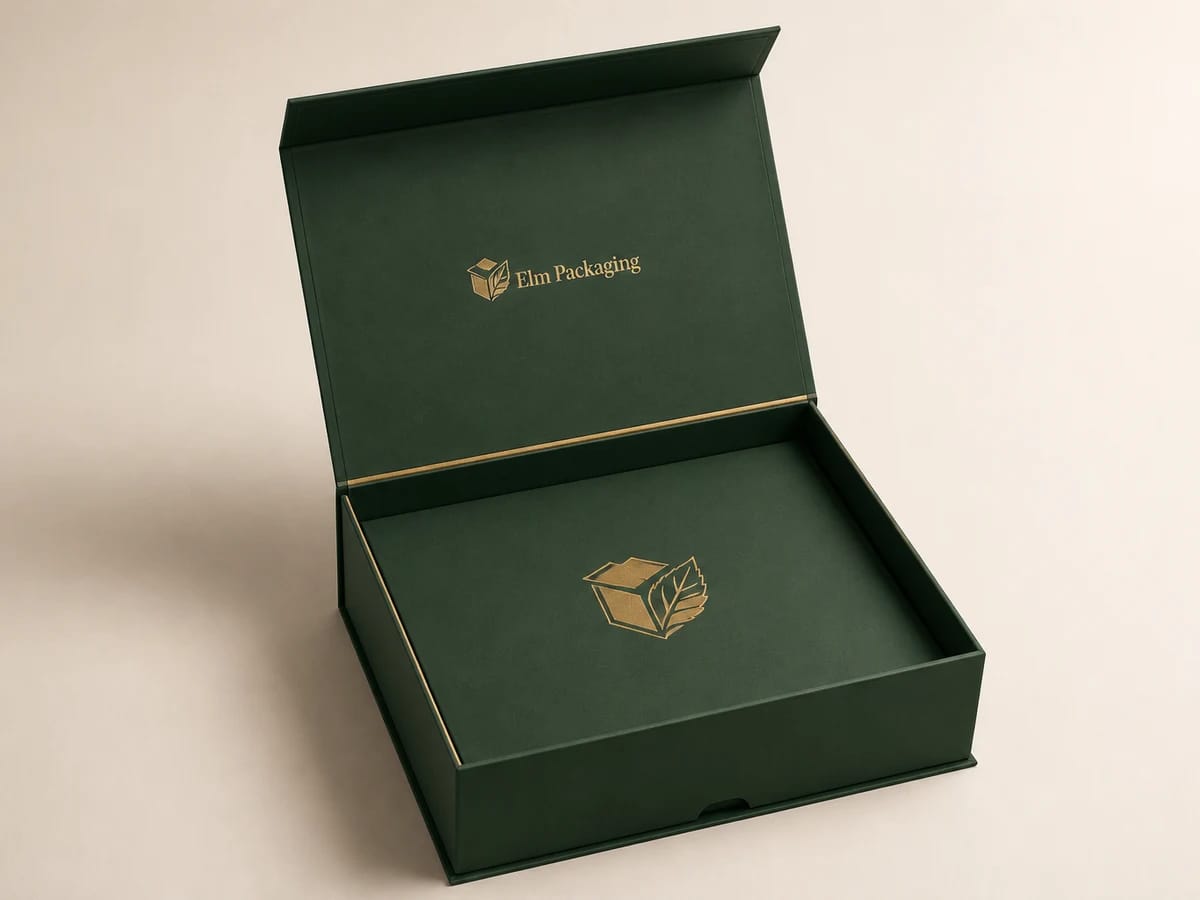
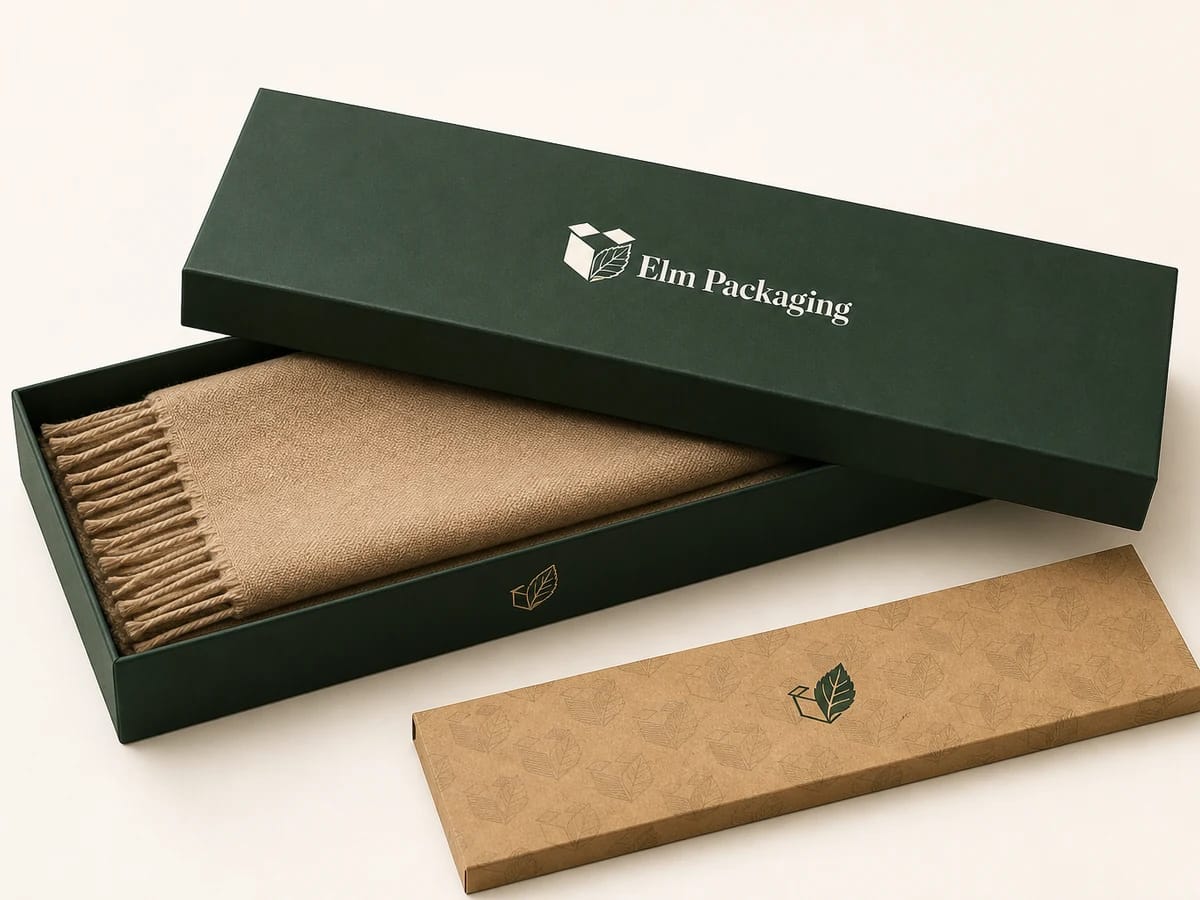
Interior planning matters as much as the outer wrap. Leave room for tissue, stickers, and a packing slip without forcing garments against sharp scores. Brands that treat the open as part of the product usually plan that space in the first quote.
- Corner and panel strength matched to folded stacks and hardware
- Interior room for tissue, stickers, and a packing slip
- Flat-ship structures that assemble cleanly in small warehouses
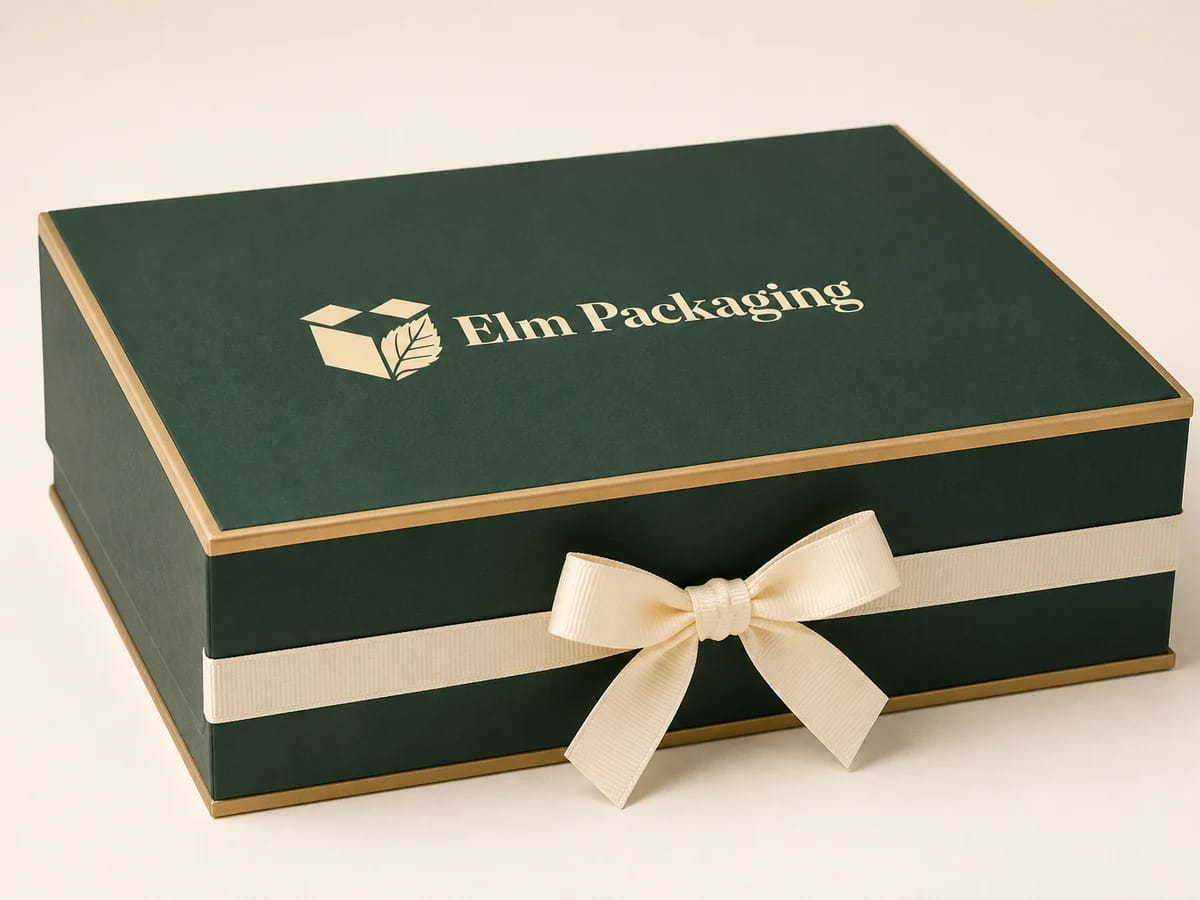
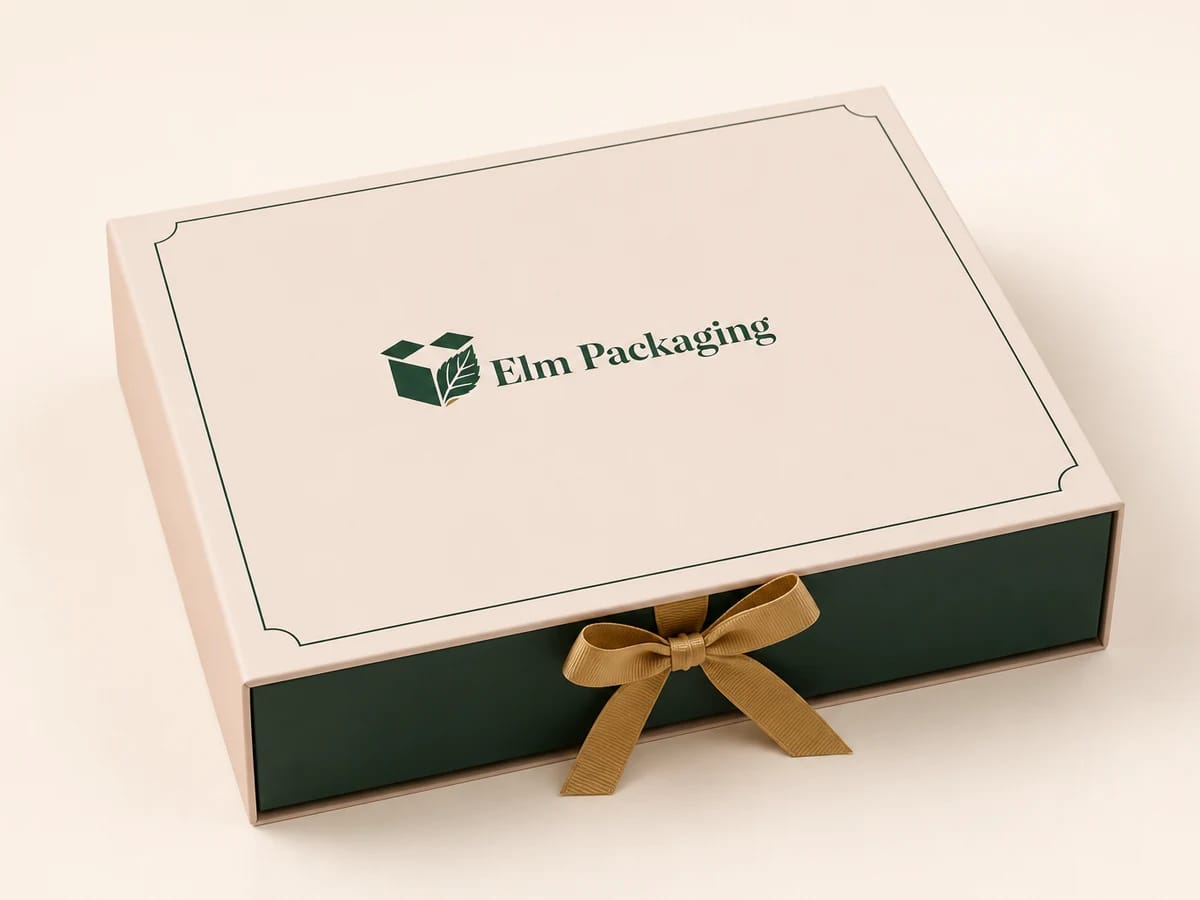
- Options that look finished for gift orders without a second wrap
DTC, wholesale, and retail each need a different box job
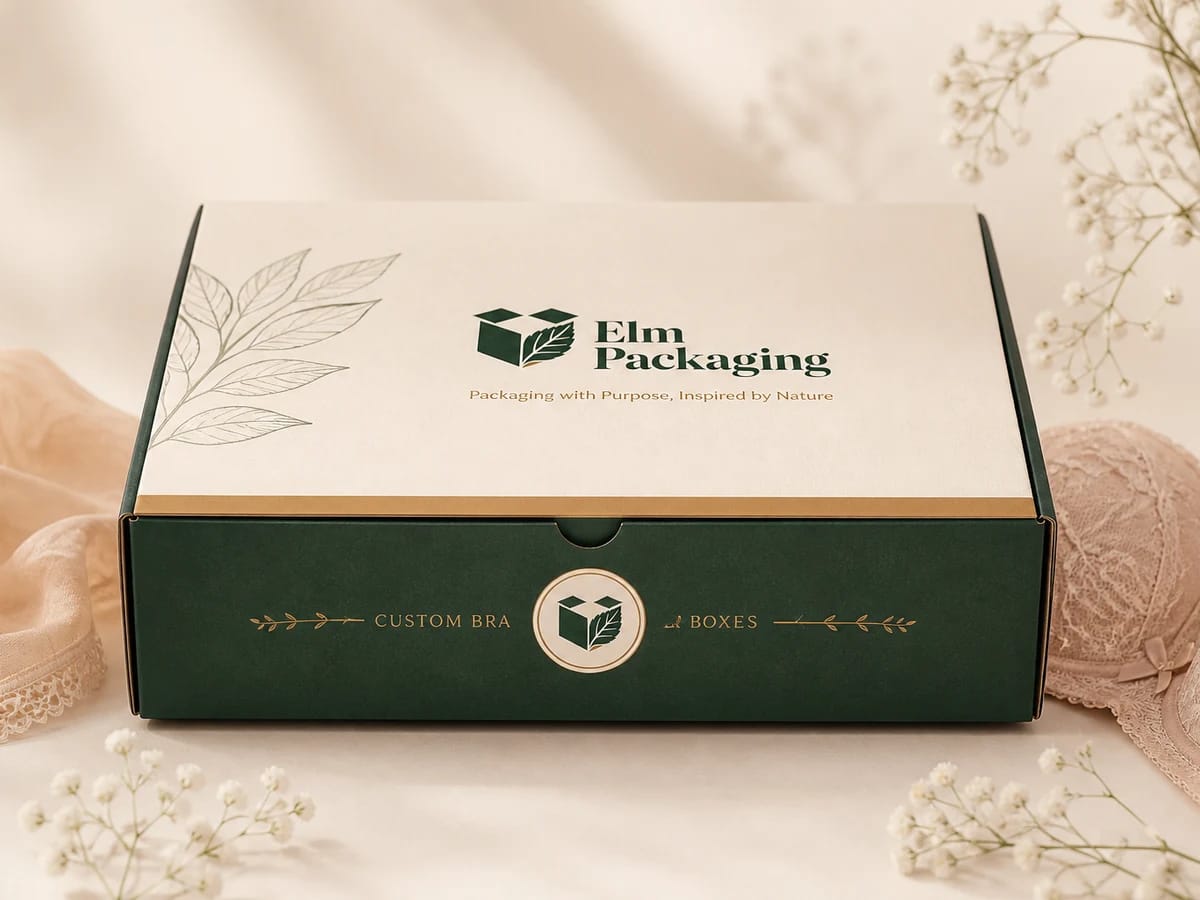
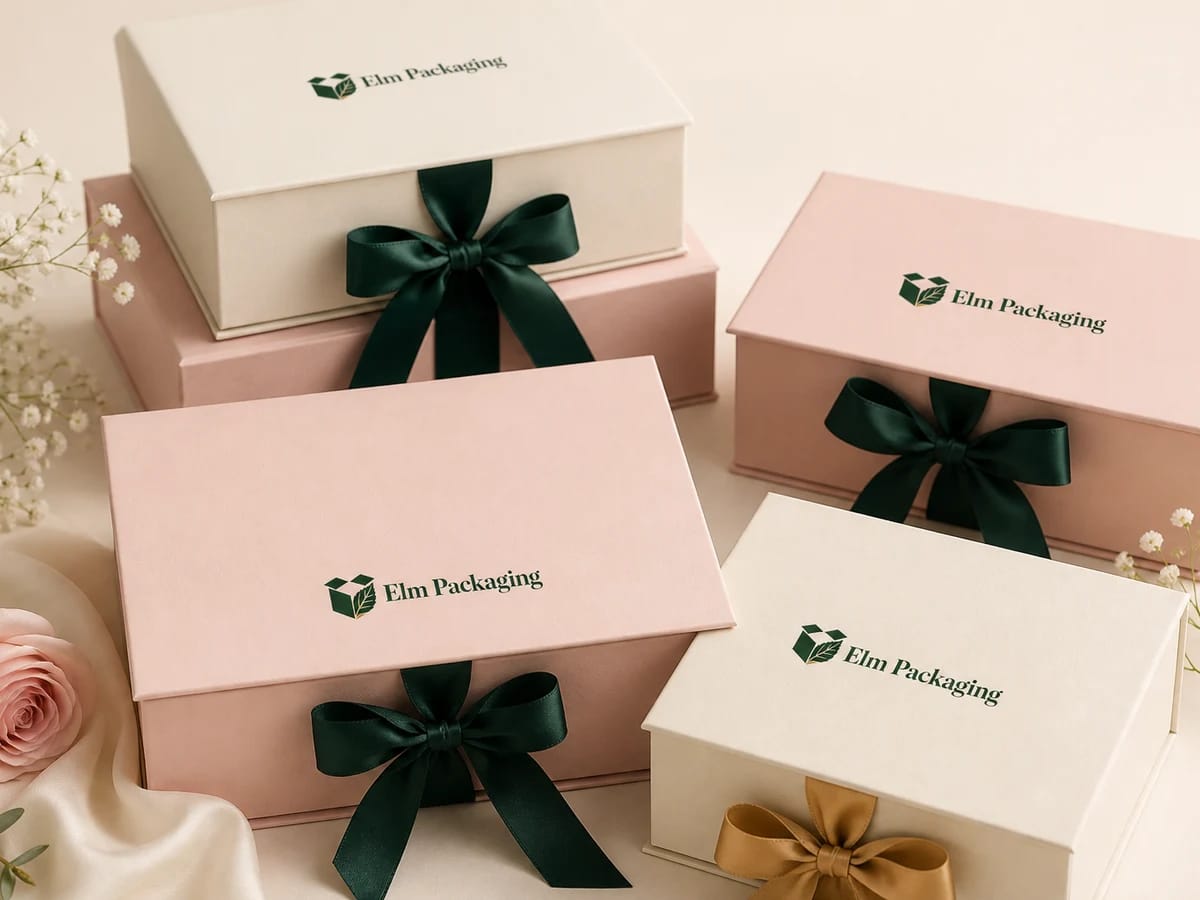
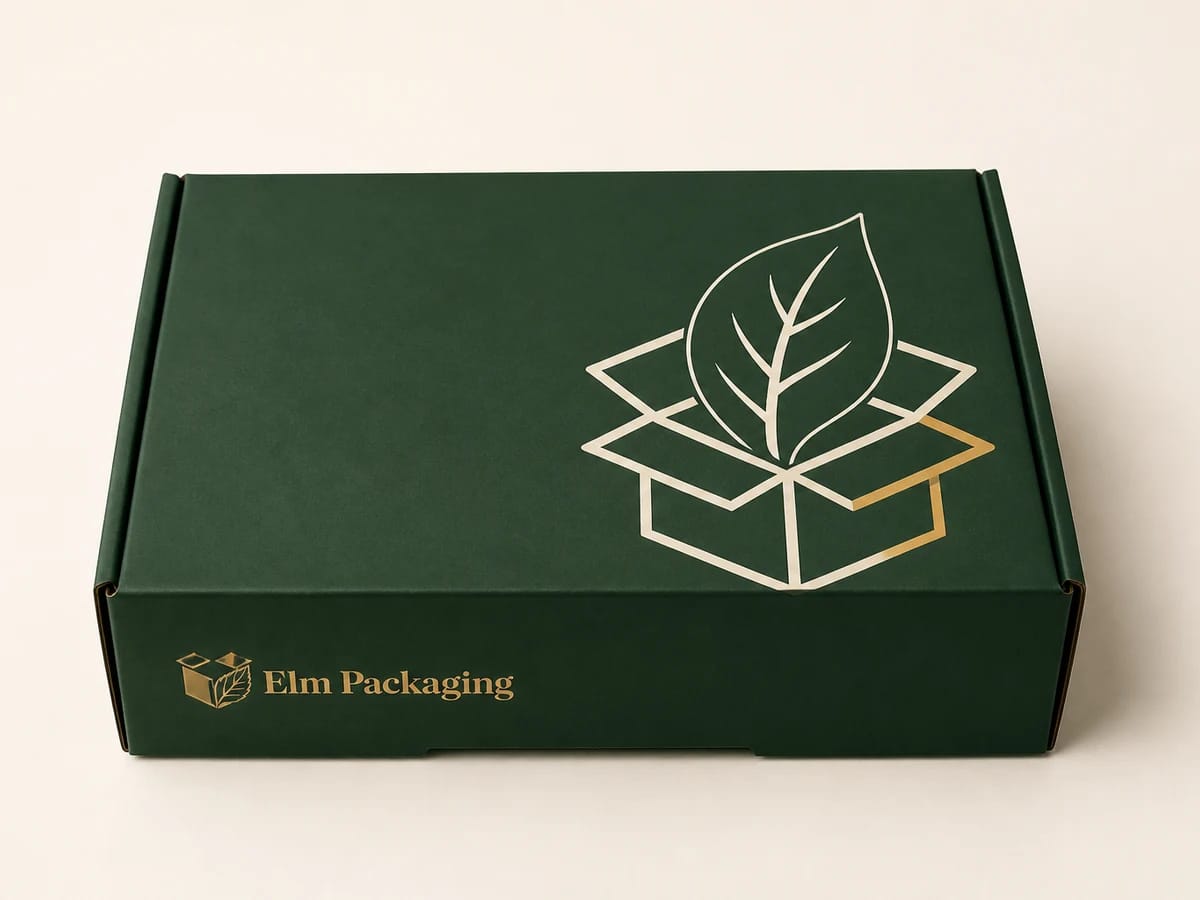
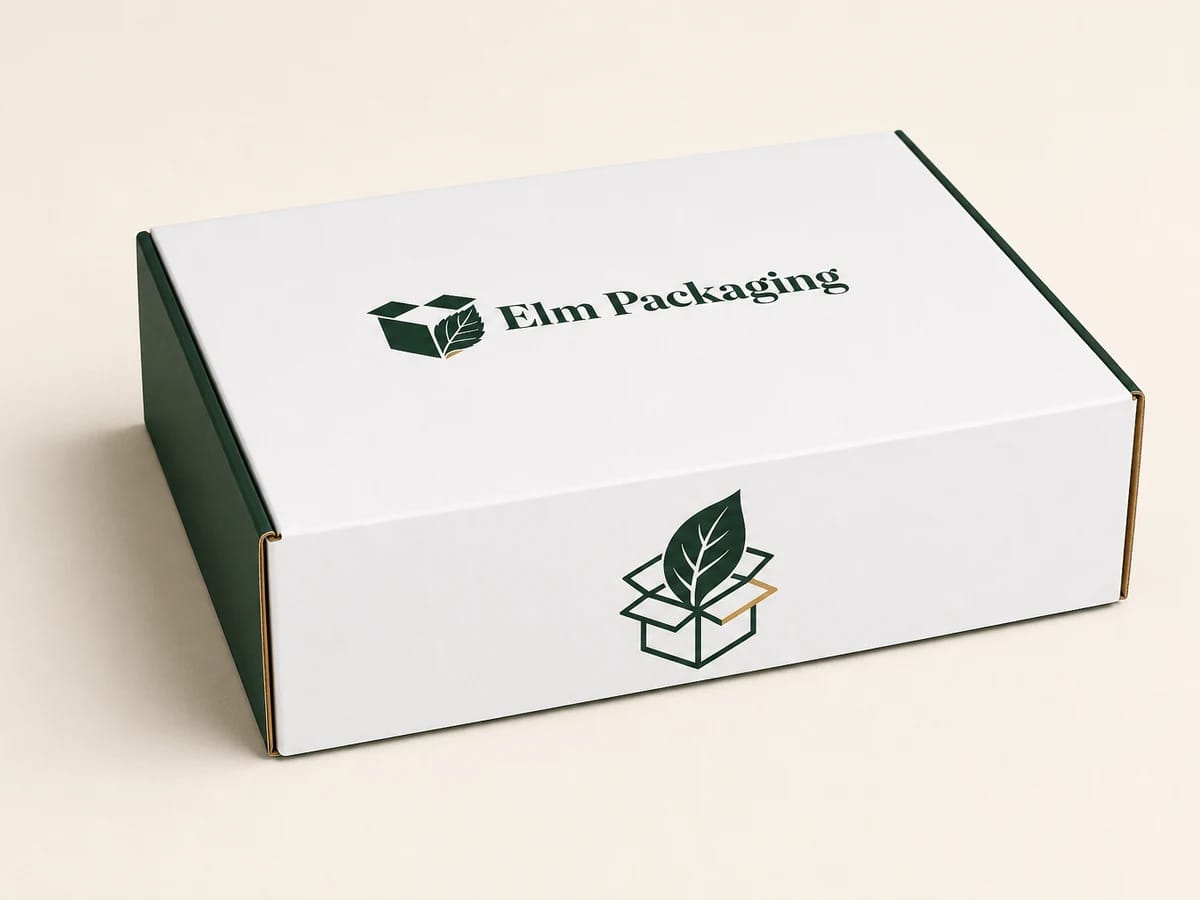
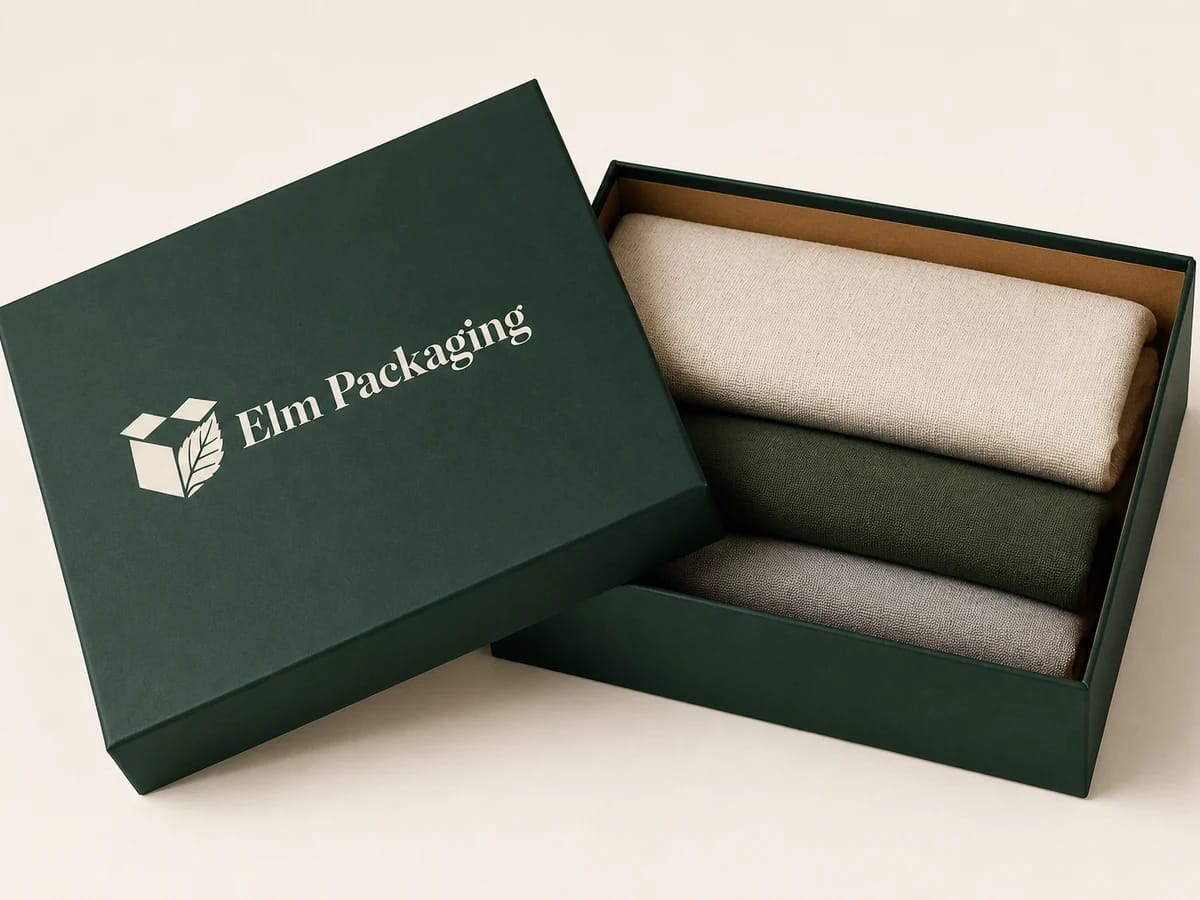
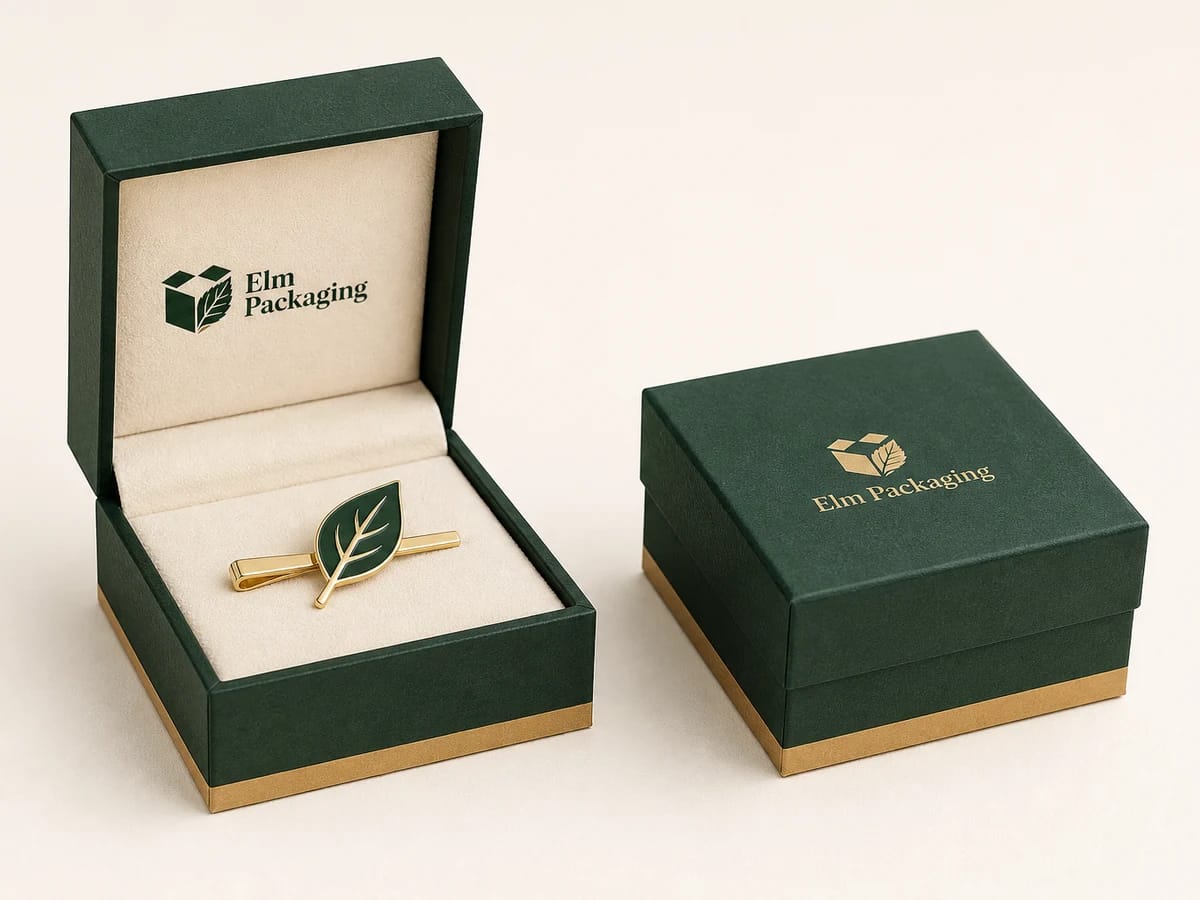
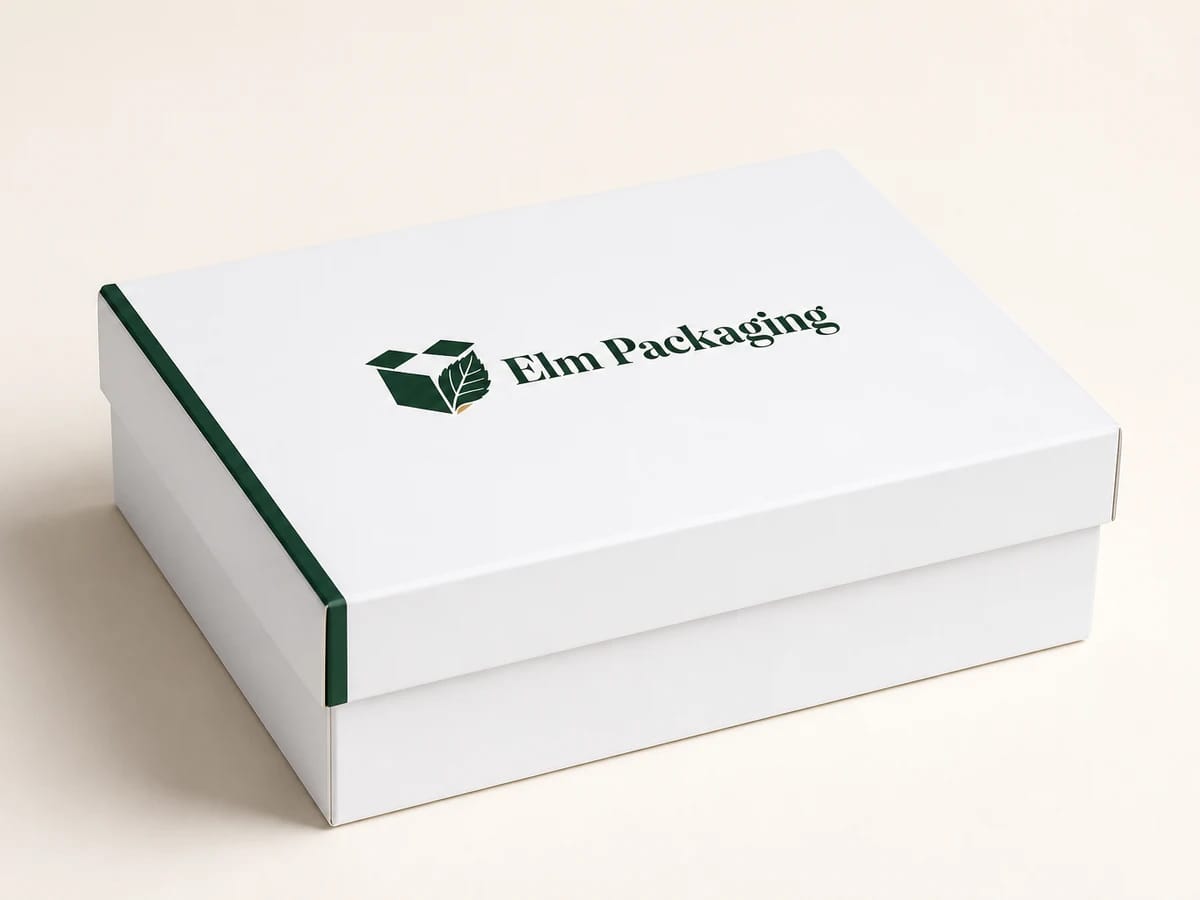
Ecommerce lines lean on sturdy mailers that can act as the outer shipper. Boutiques often want printed folding cartons or rigid gift boxes that sit well on a counter. Wholesale packs may prioritize nest efficiency and scuff resistance over high-gloss lids. Plan a short structure family so tees and hoodies do not force one awkward footprint across every SKU.
Subscription and drop brands benefit from a locked dieline reused across campaigns—swap seasonal graphics while keeping the same fold and pack station. That keeps reorders faster and cuts packing-line retraining each colorway launch.
Drop and subscription ship-outs
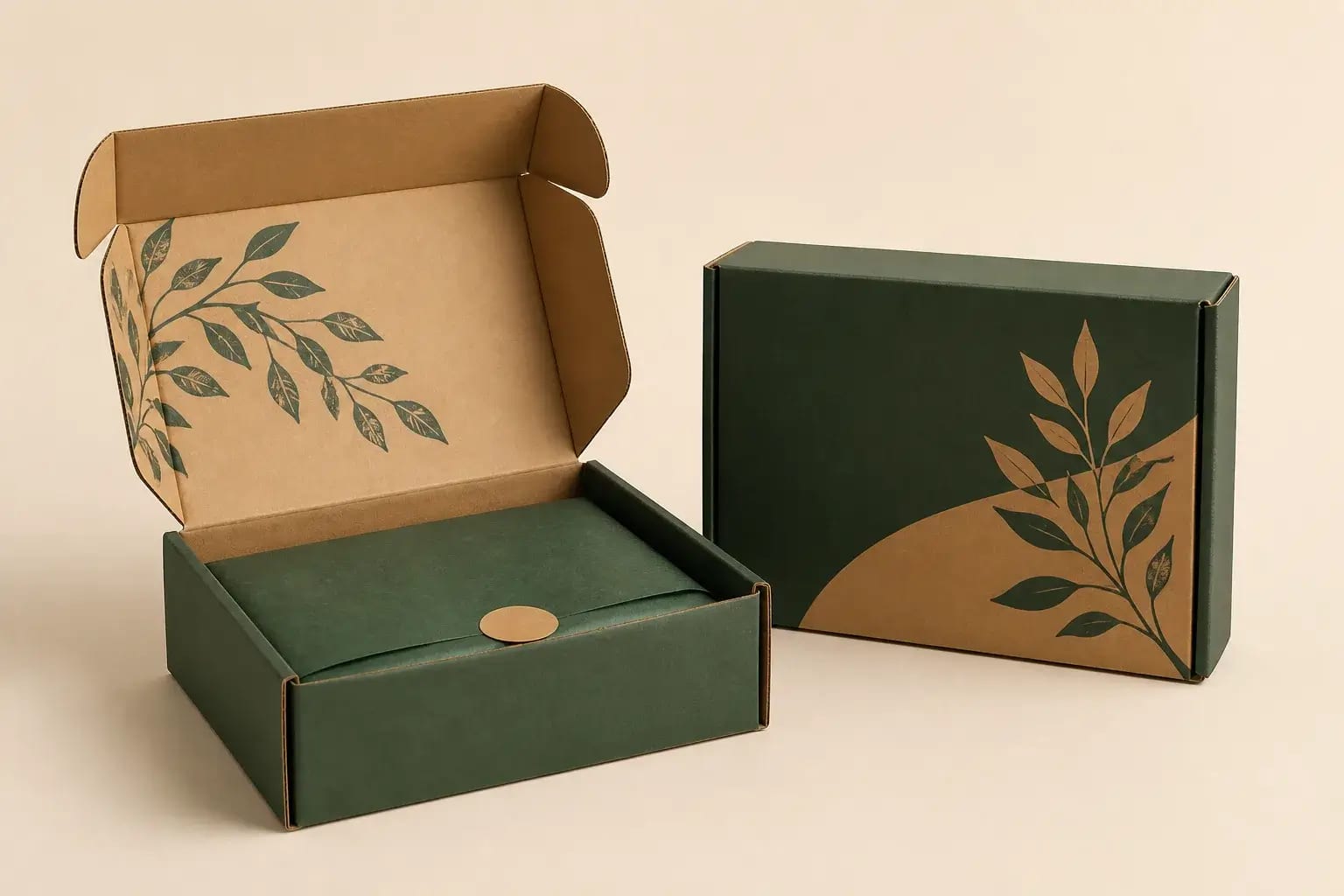
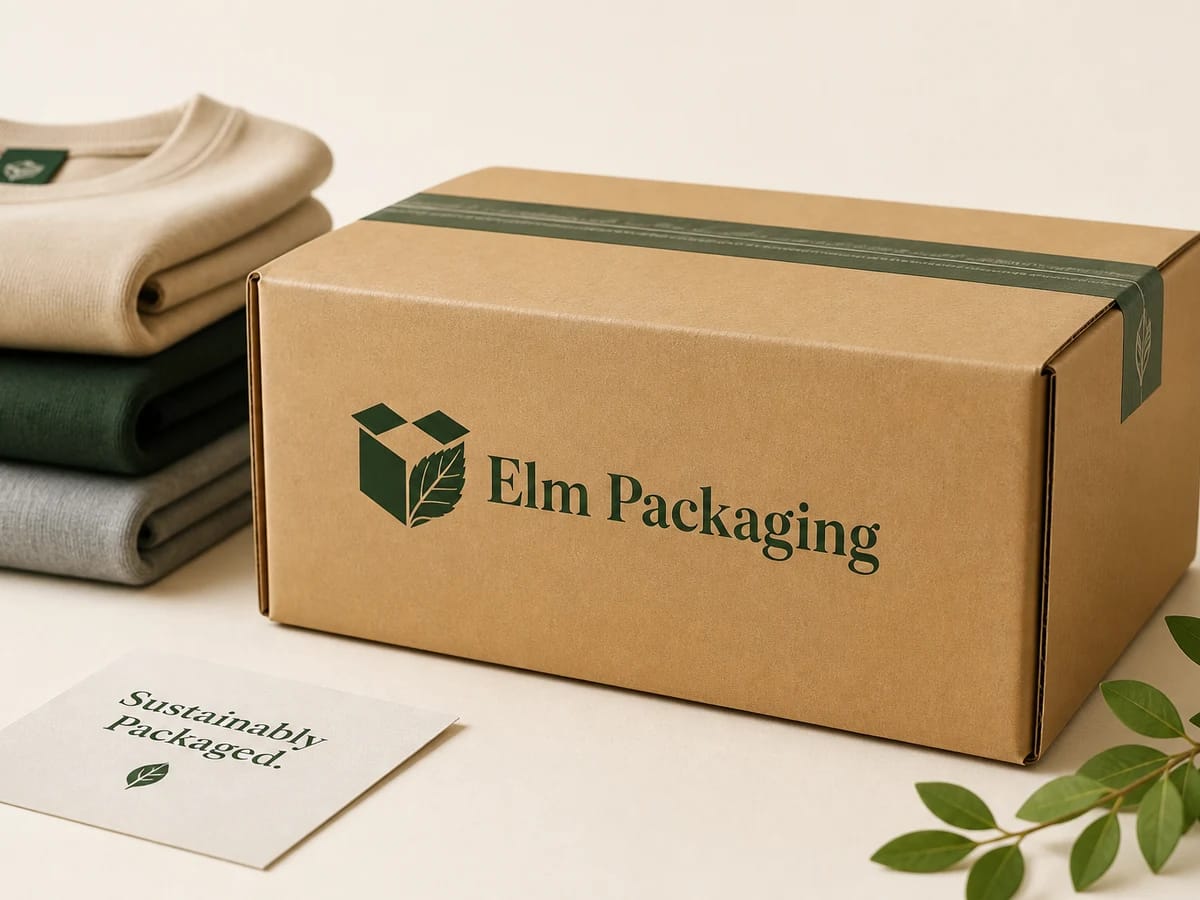
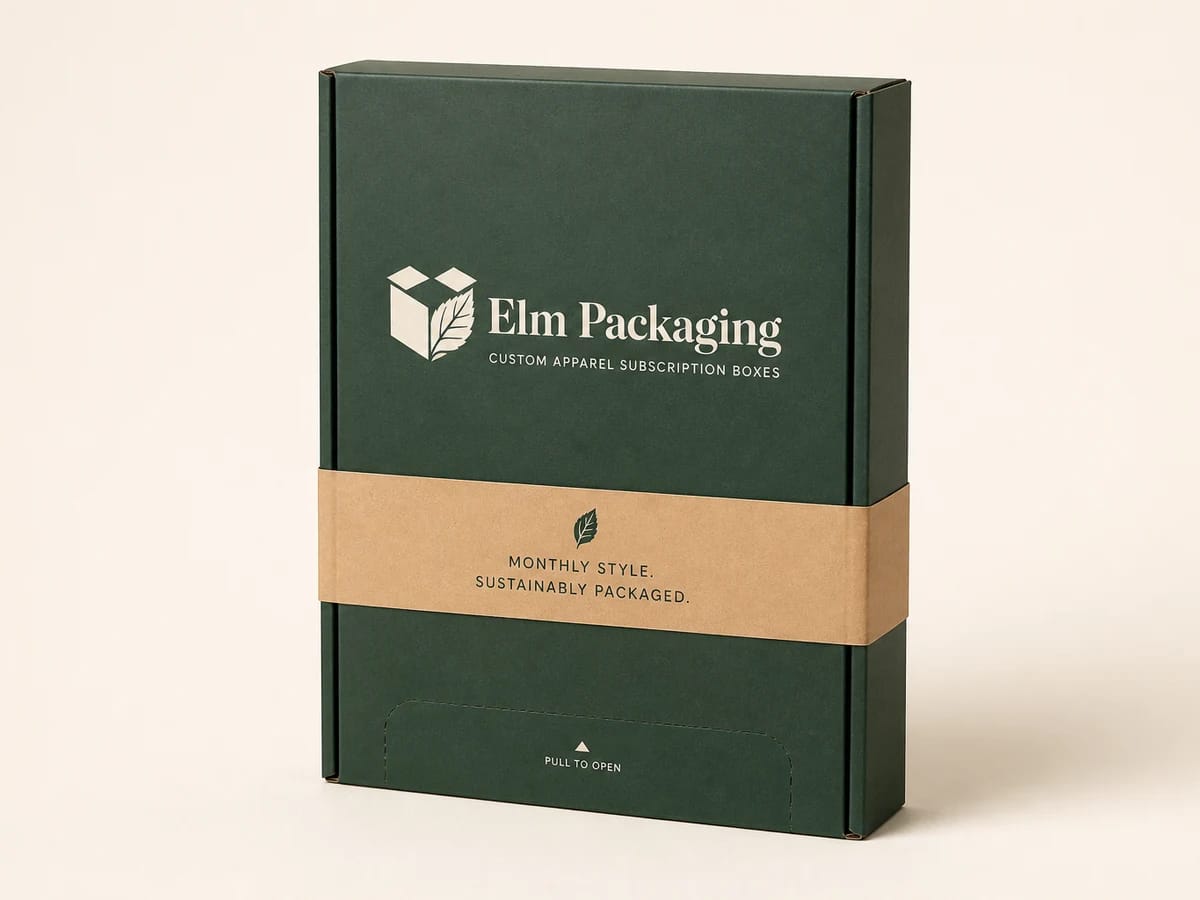
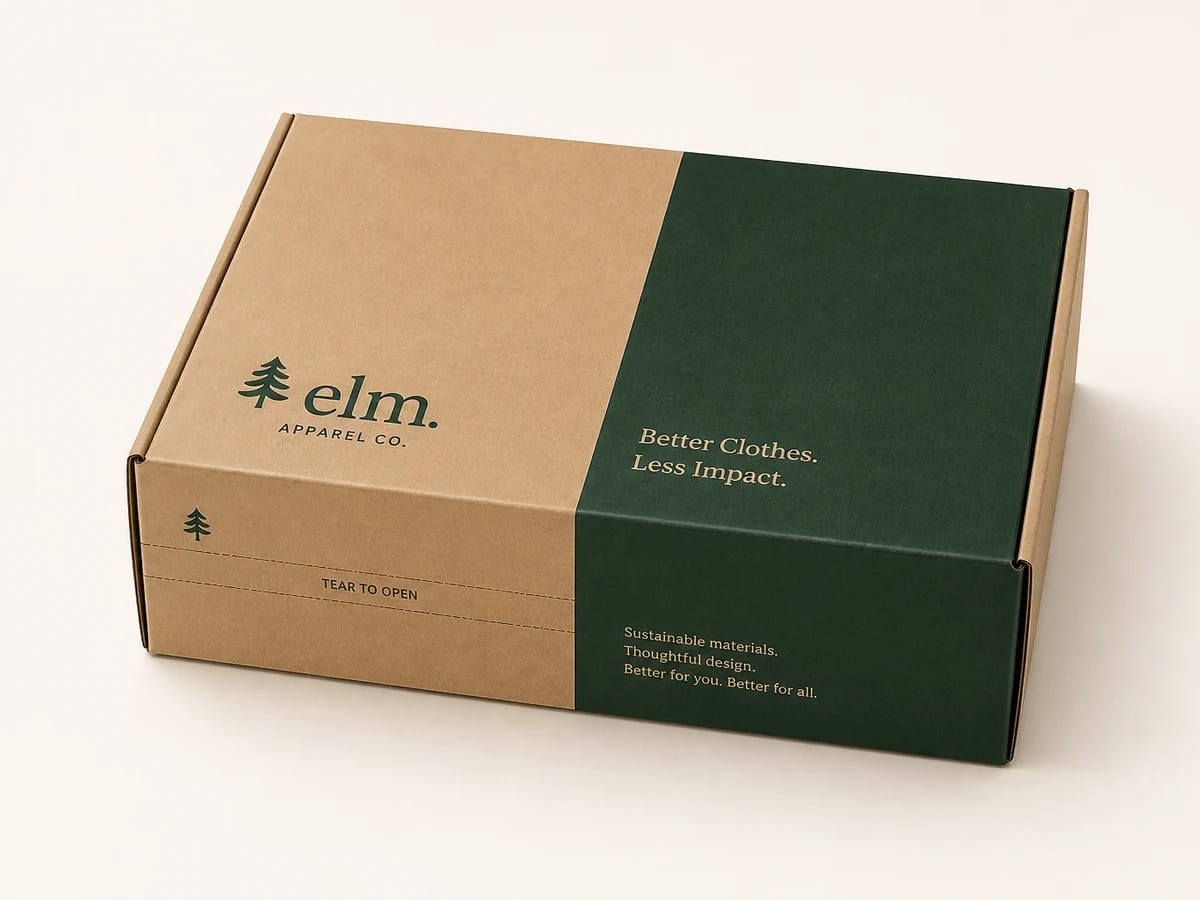
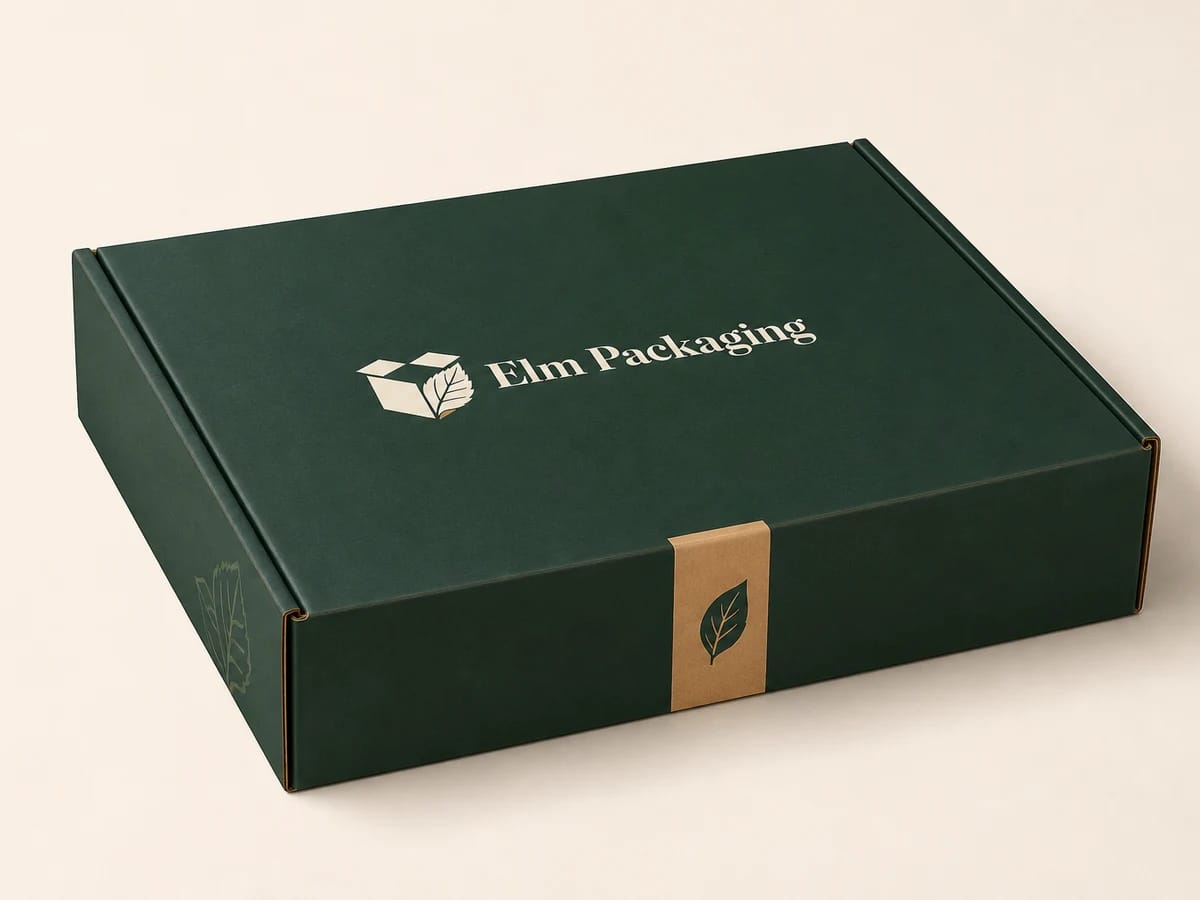
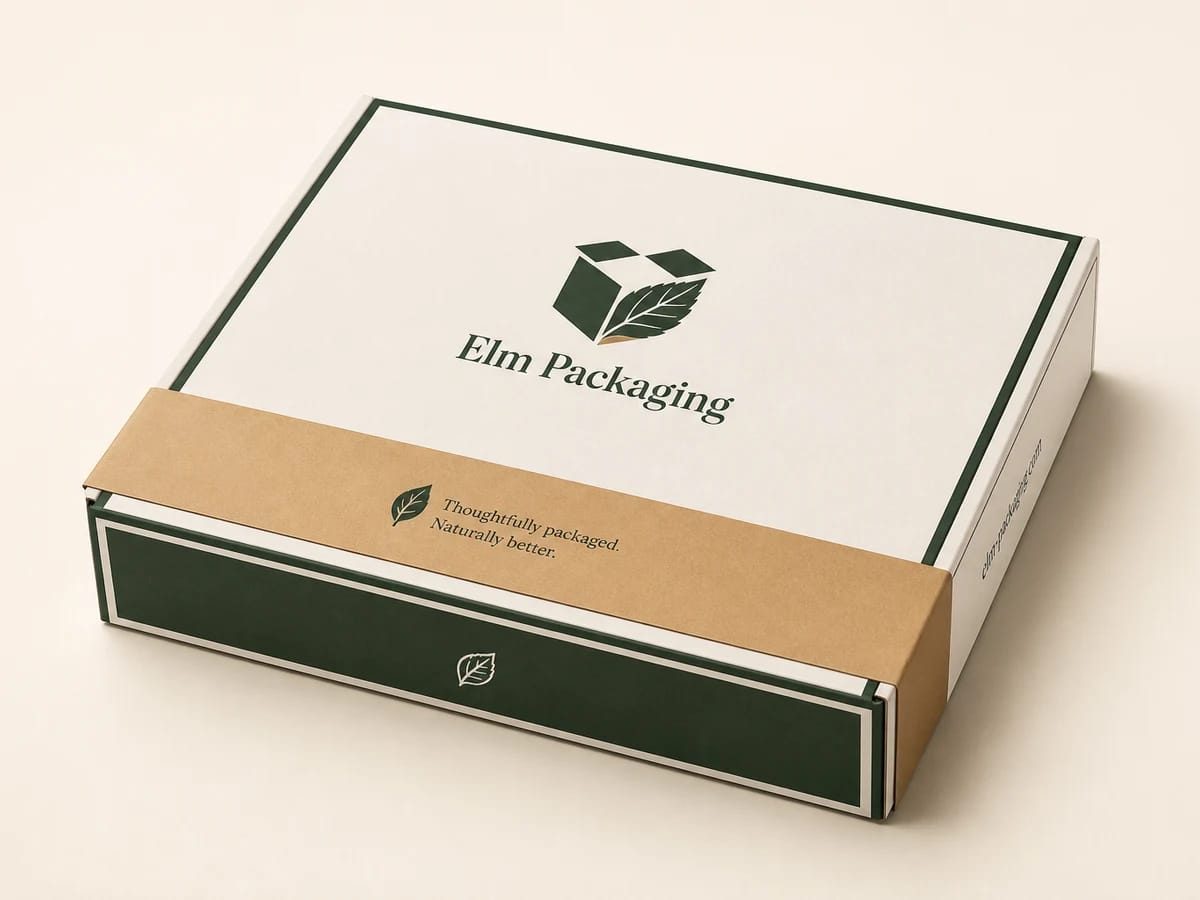
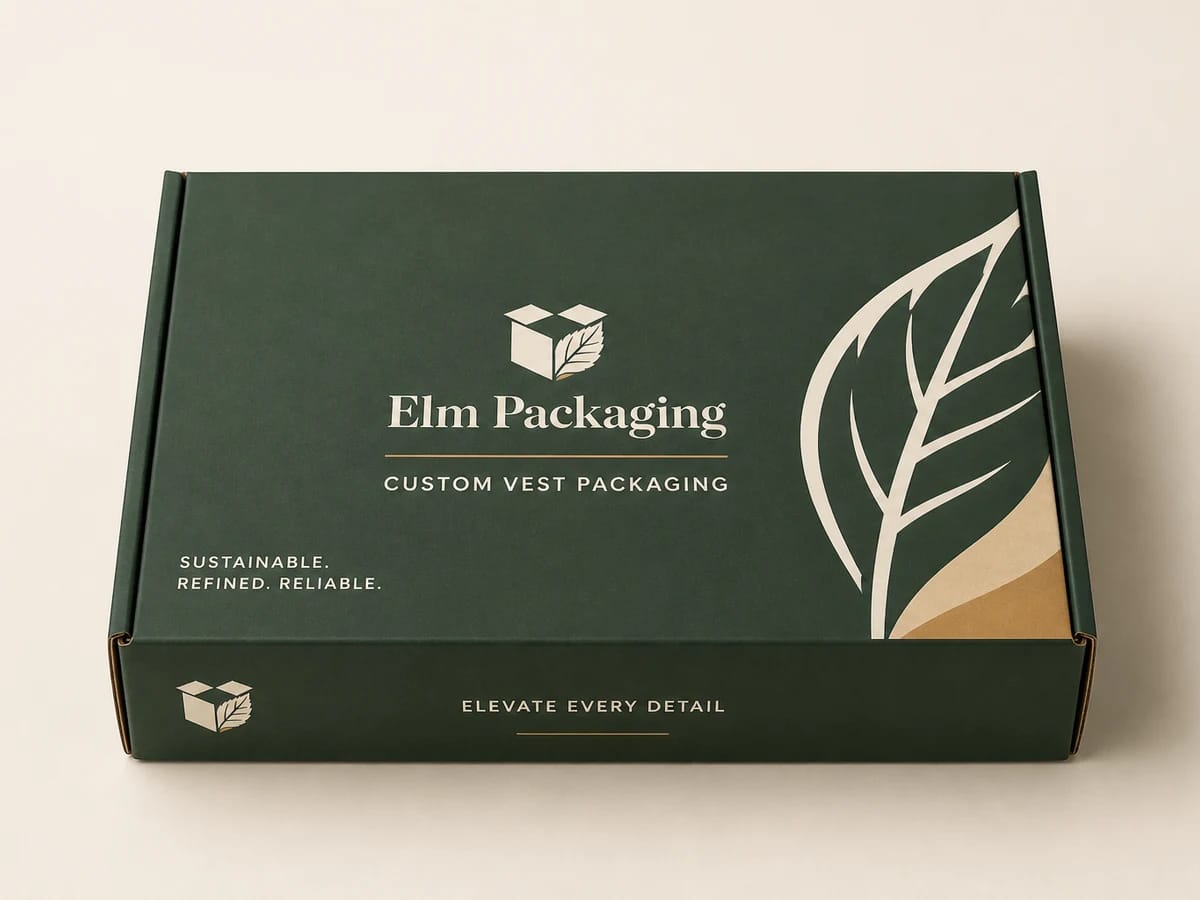
Mailer-style custom clothing boxes keep multi-item orders tidy and give you a full exterior for campaign graphics, with interior room for tissue and inserts.
Store and pop-up presentation
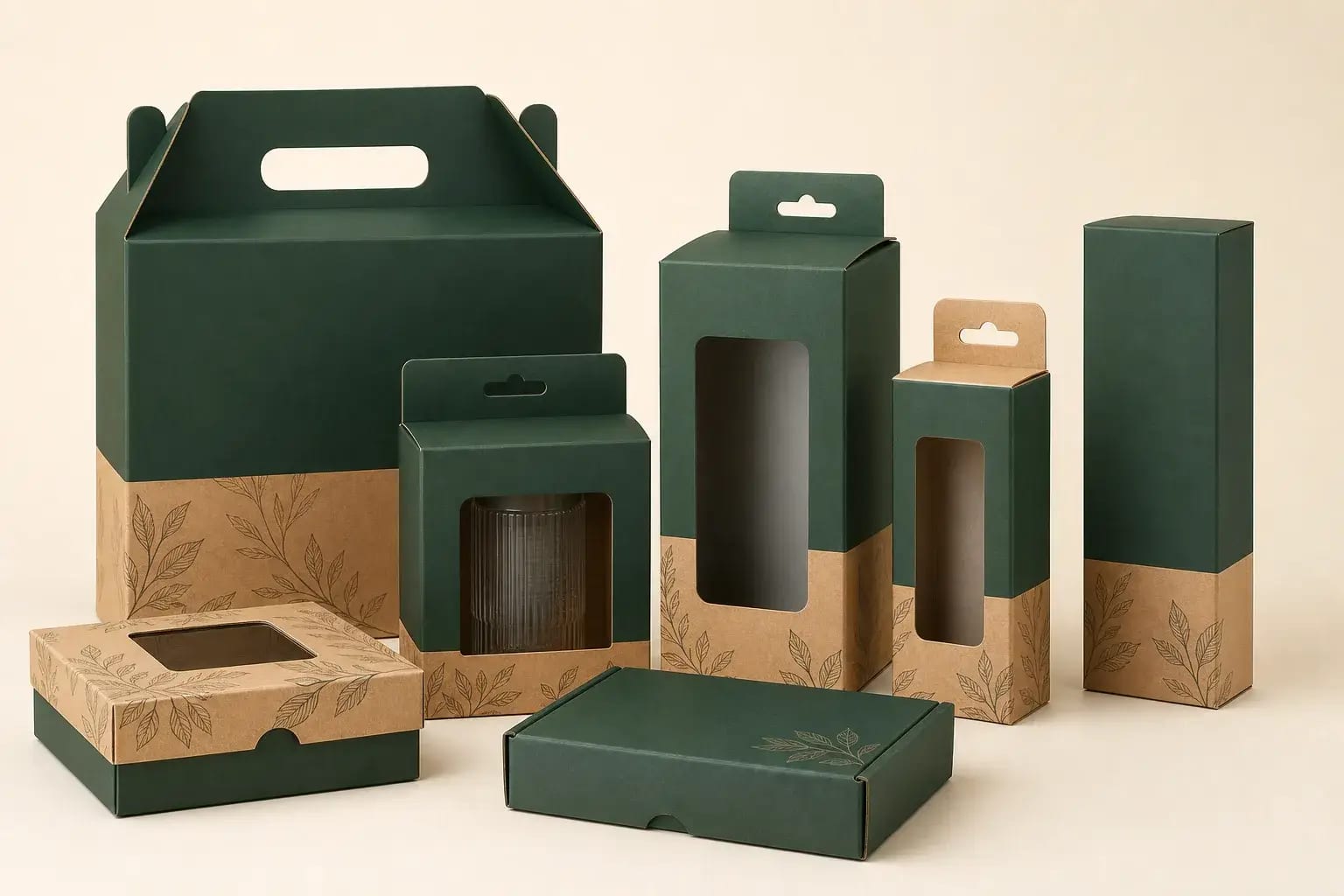
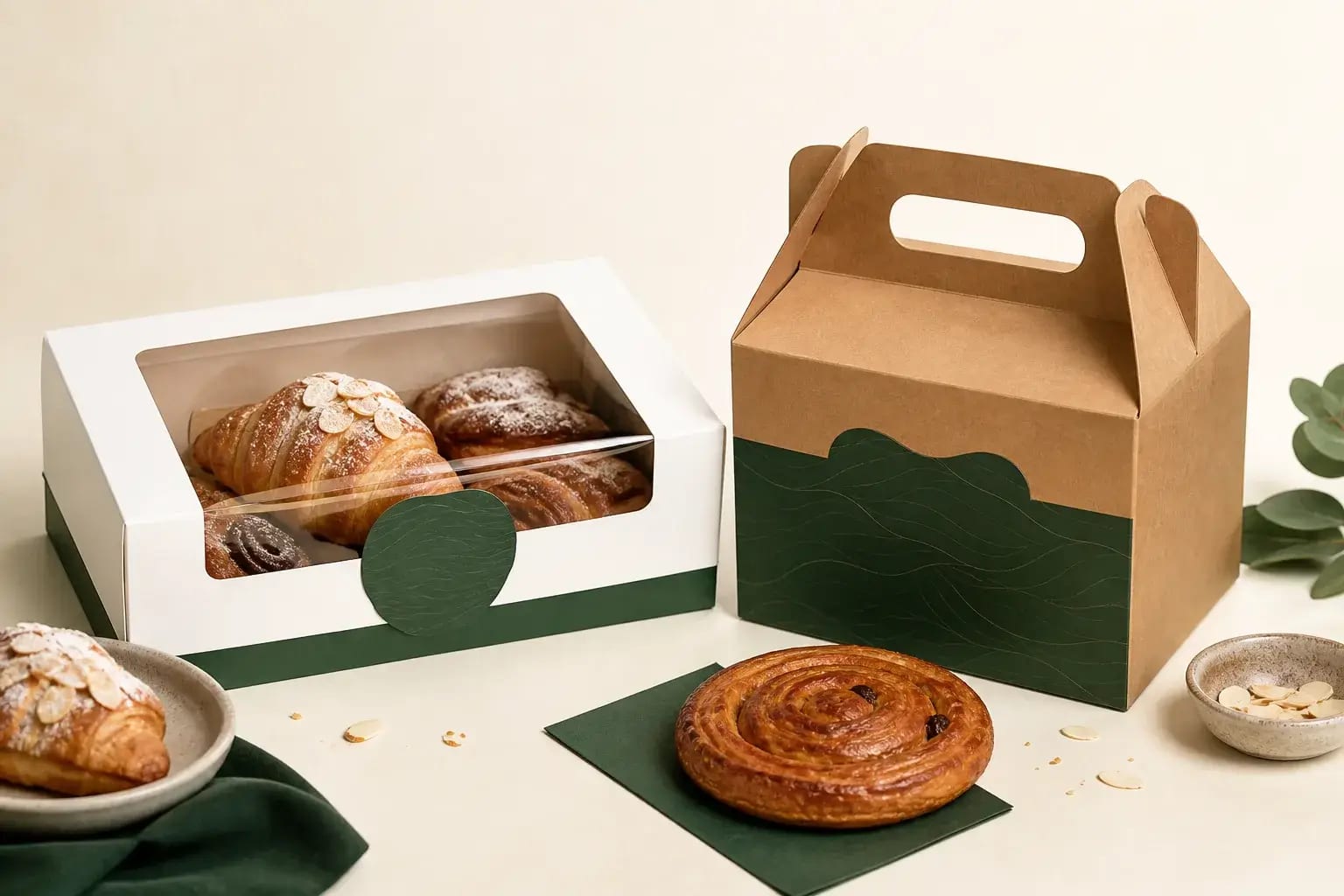
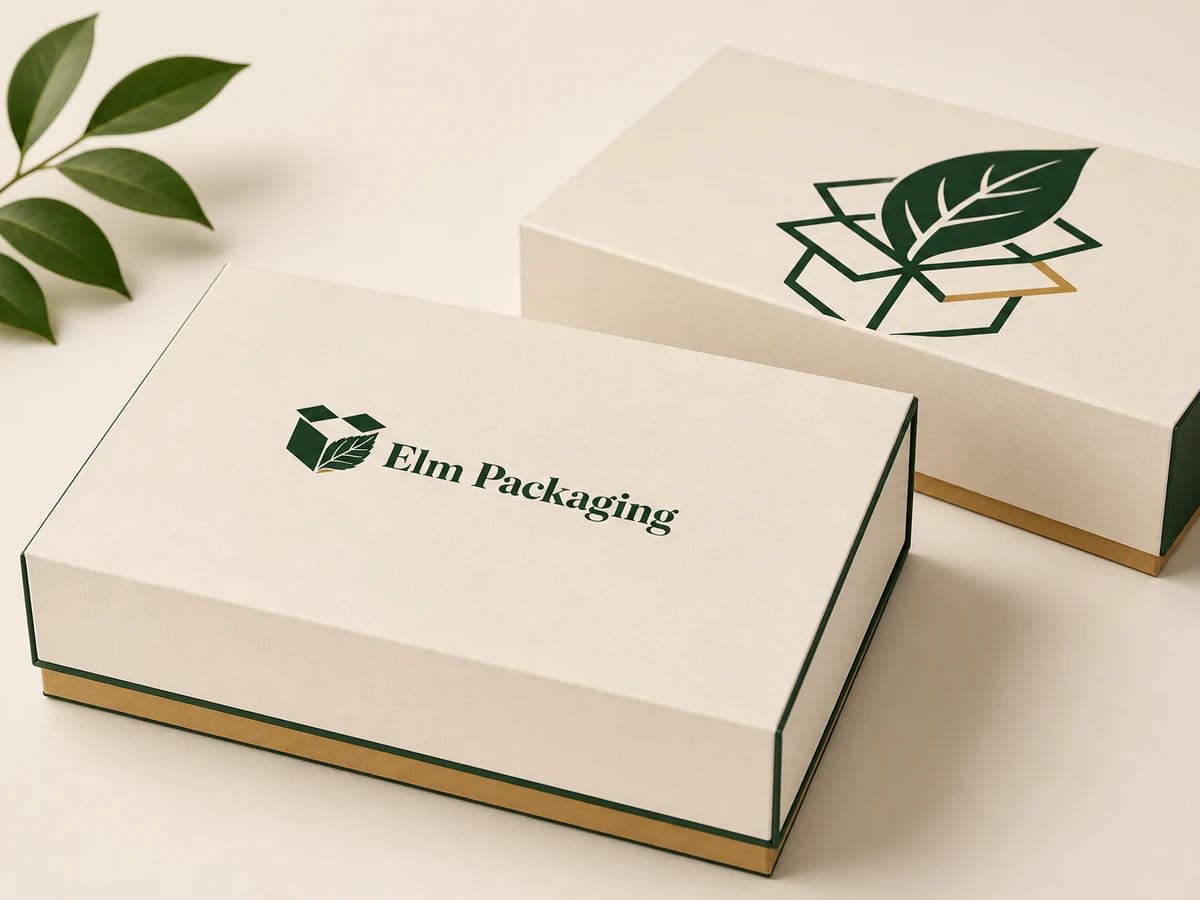
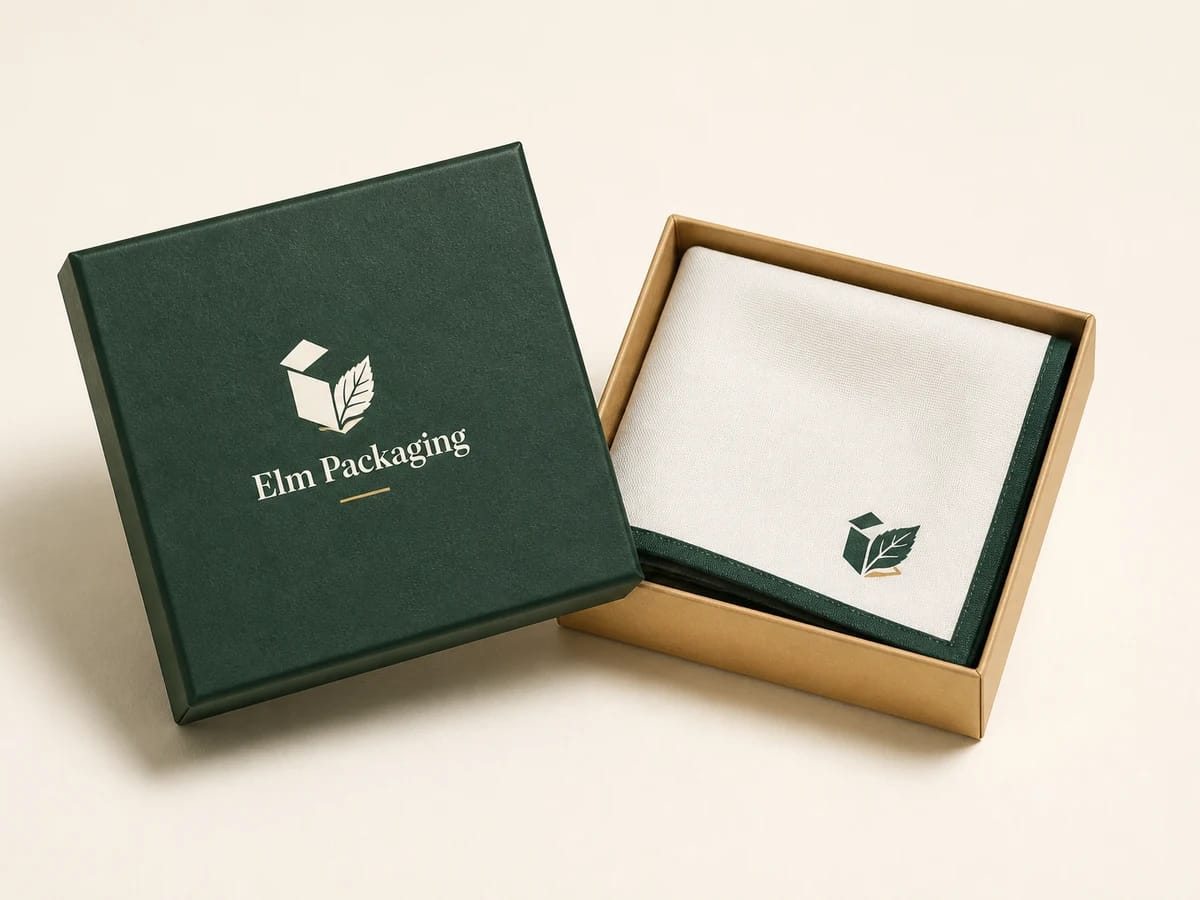
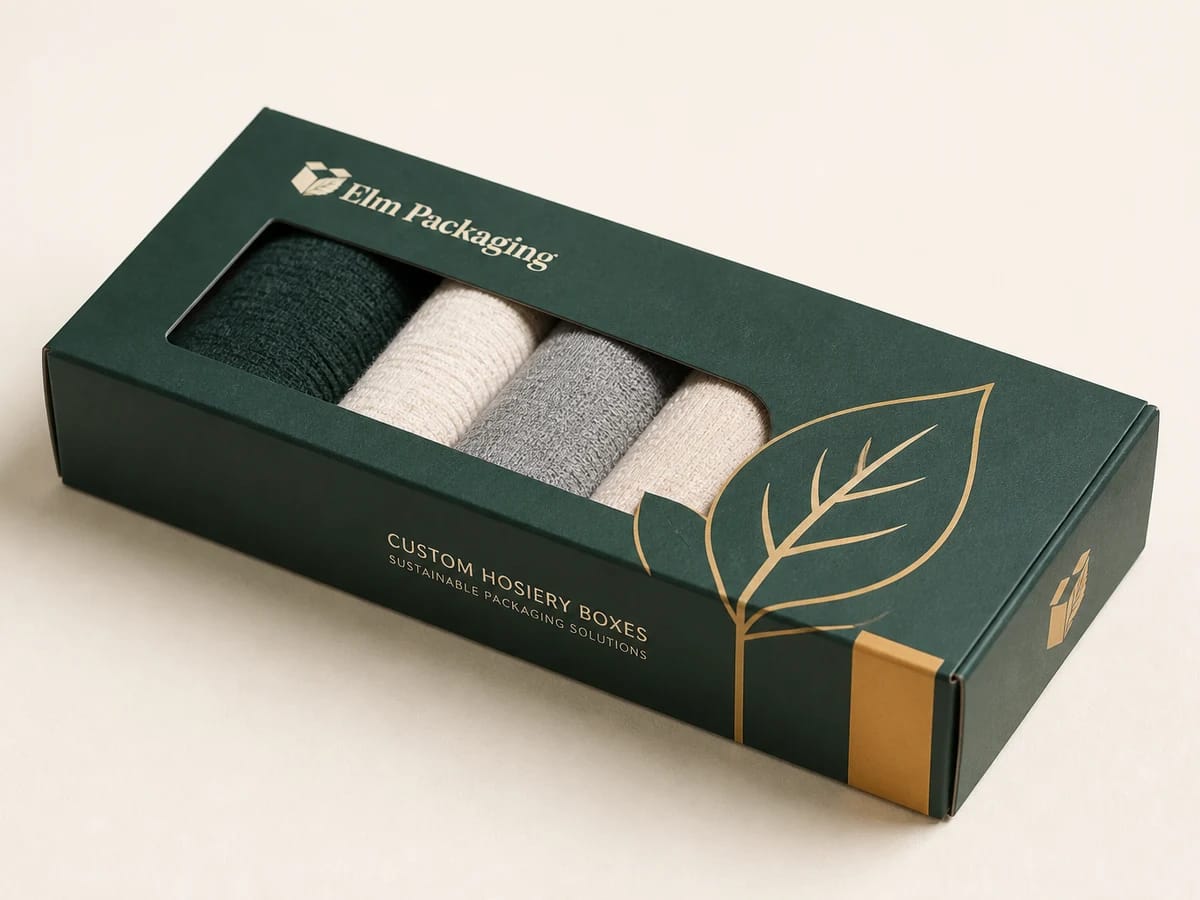
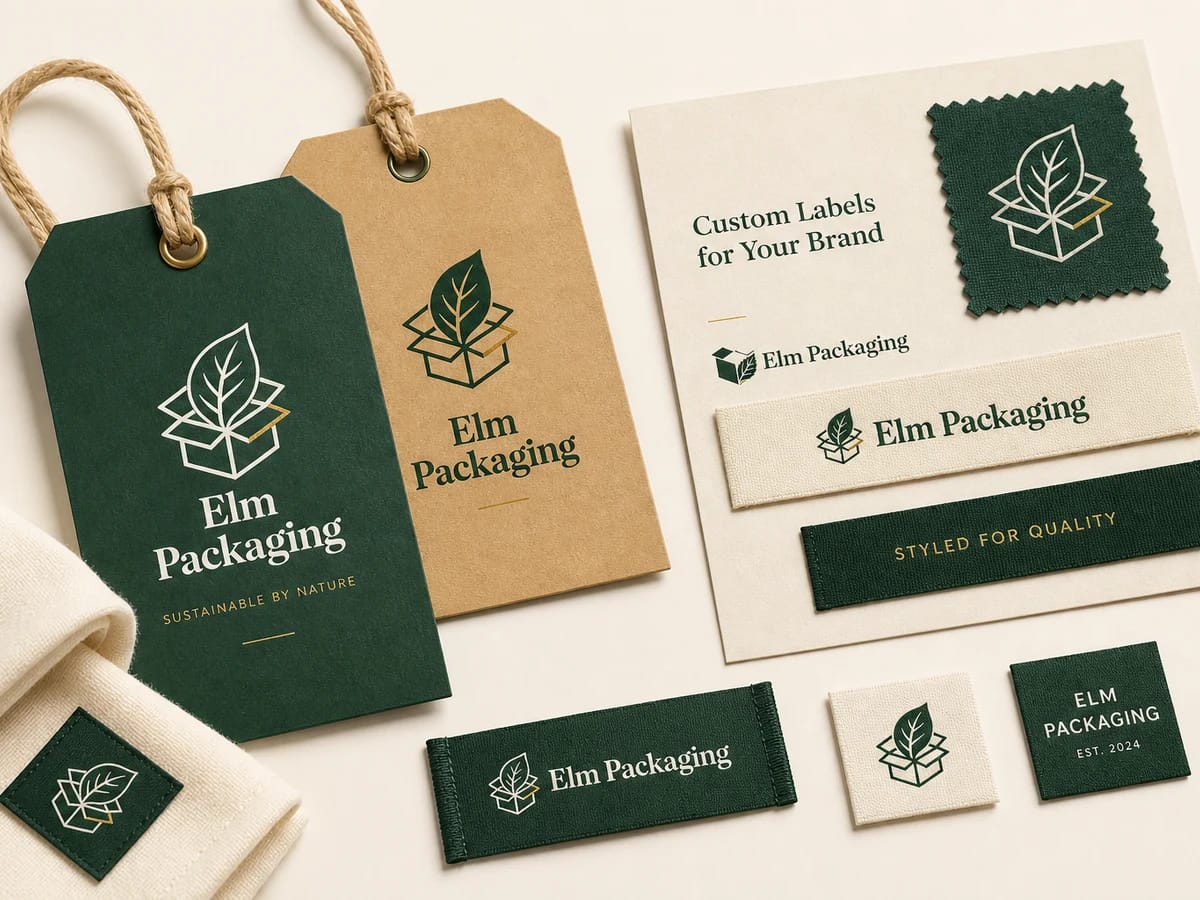
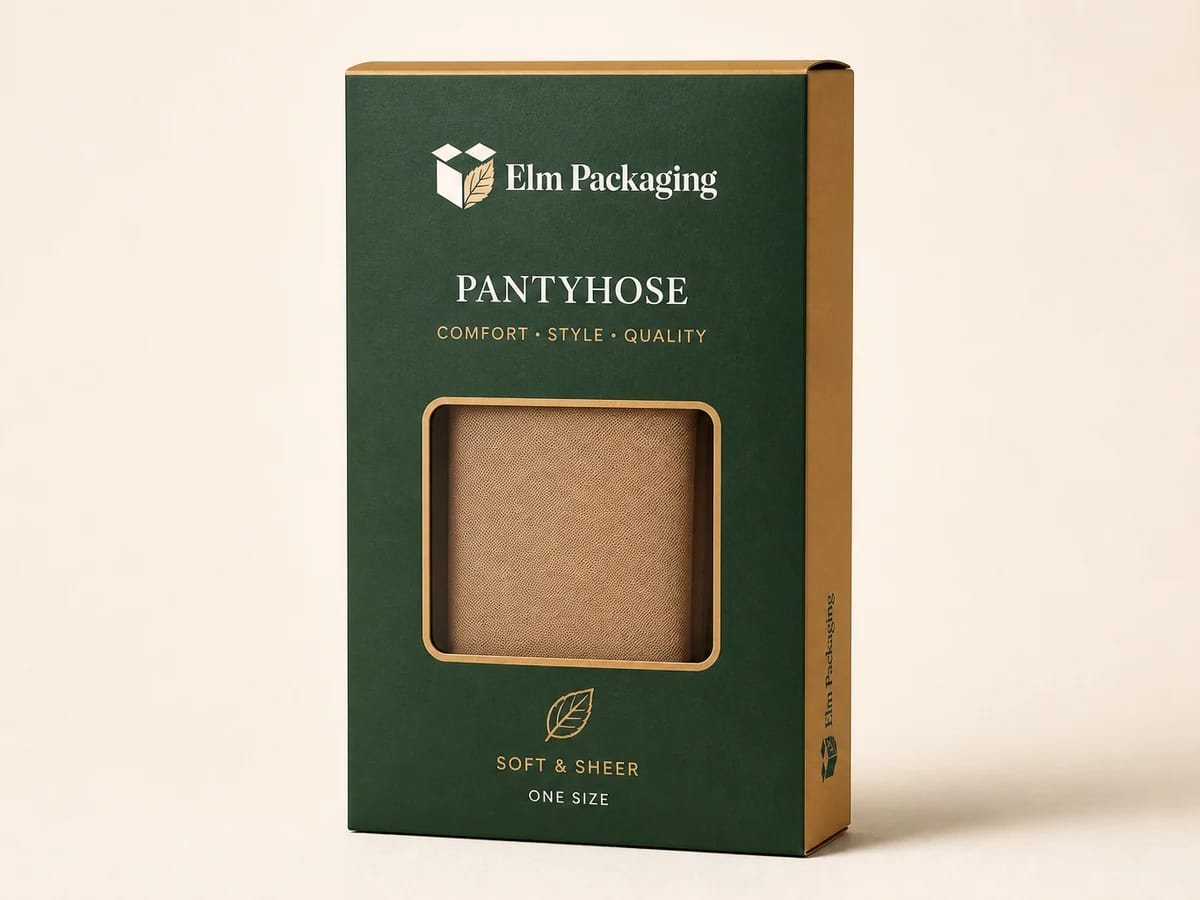
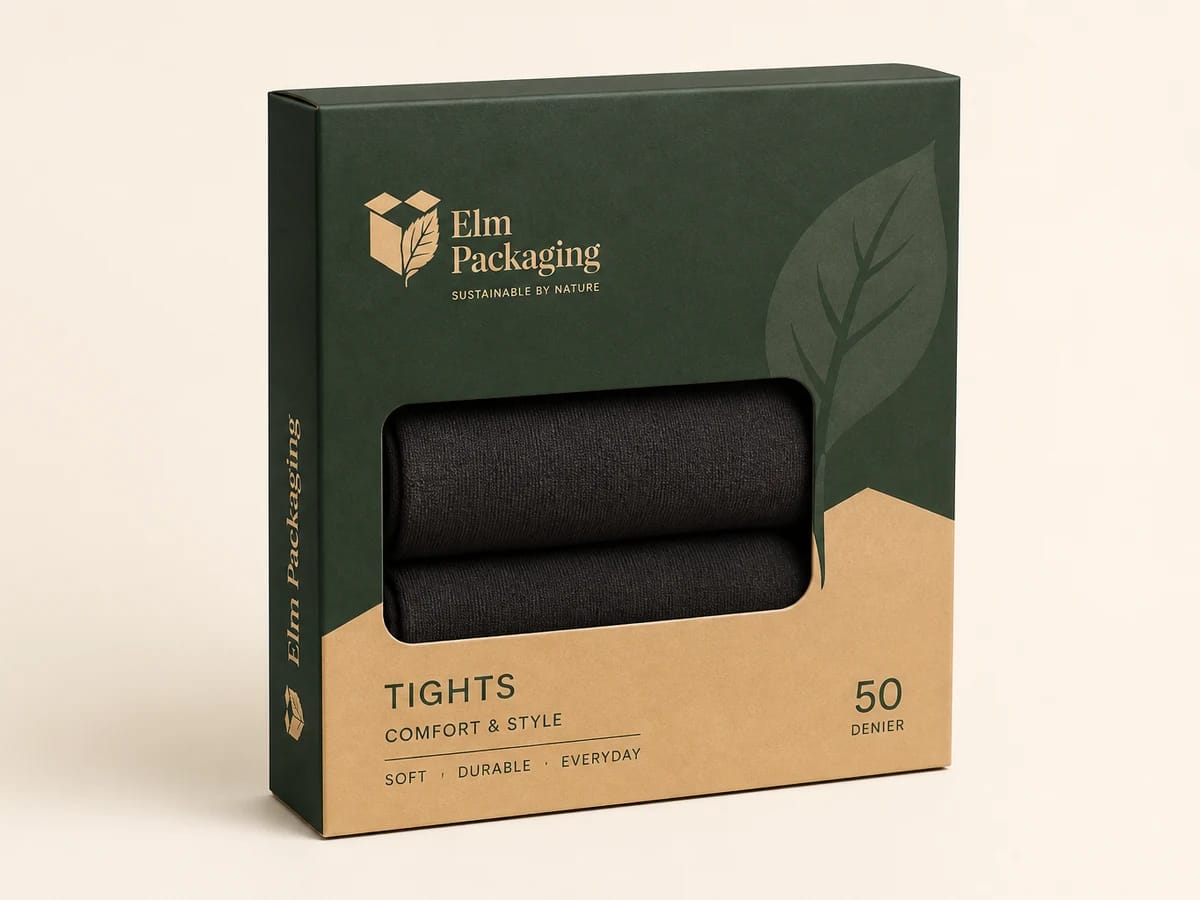
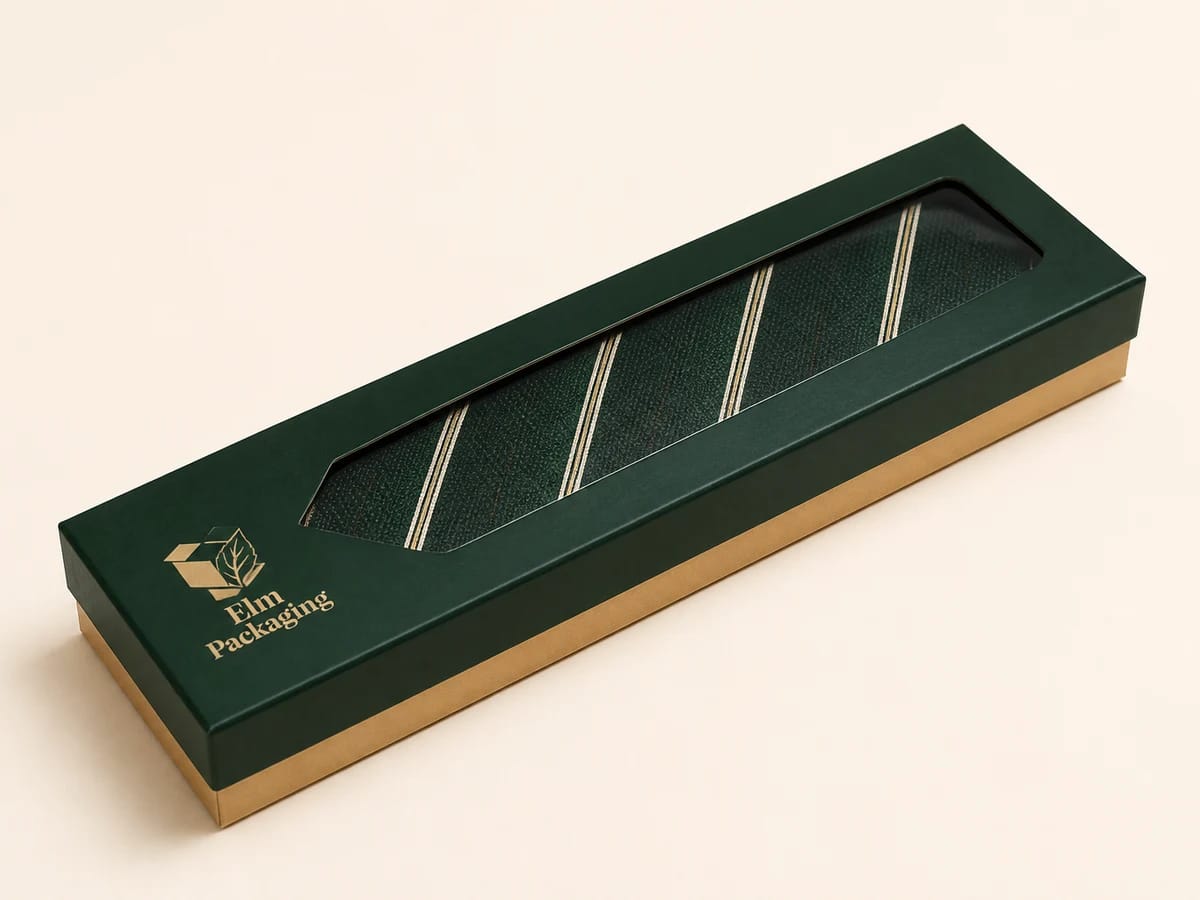
Window or tuck-top cartons keep color stories visible at pickup and pair well with hangtags that already carry size and care details.
Print and finish choices fashion customers feel
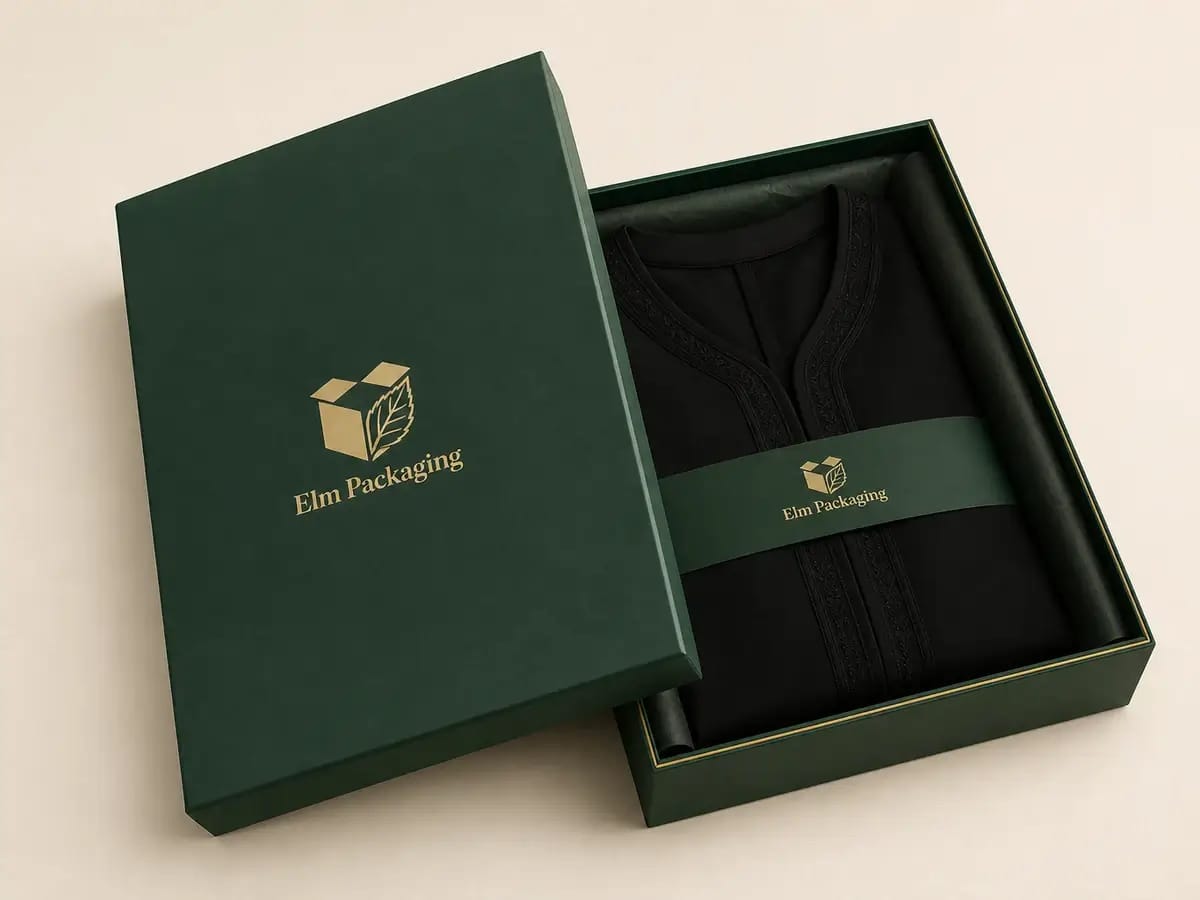
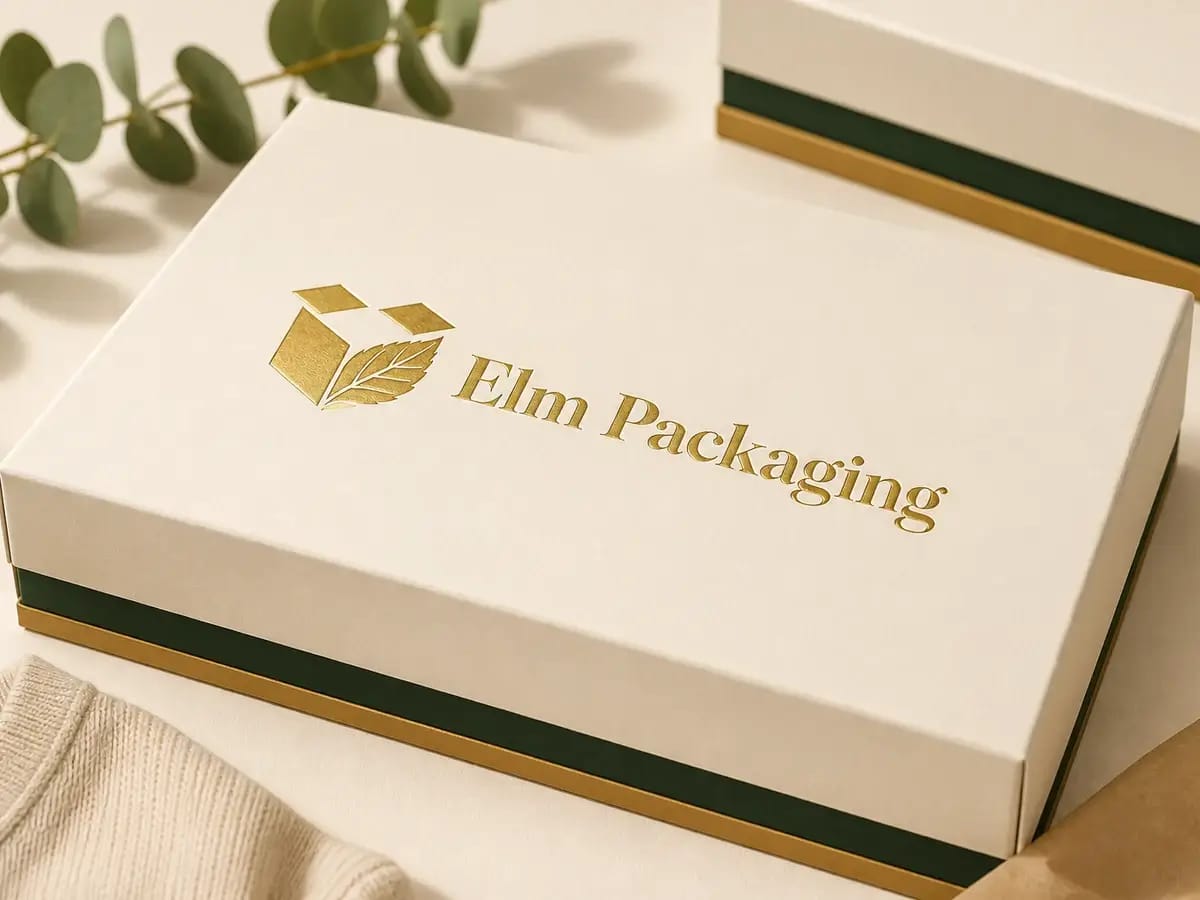
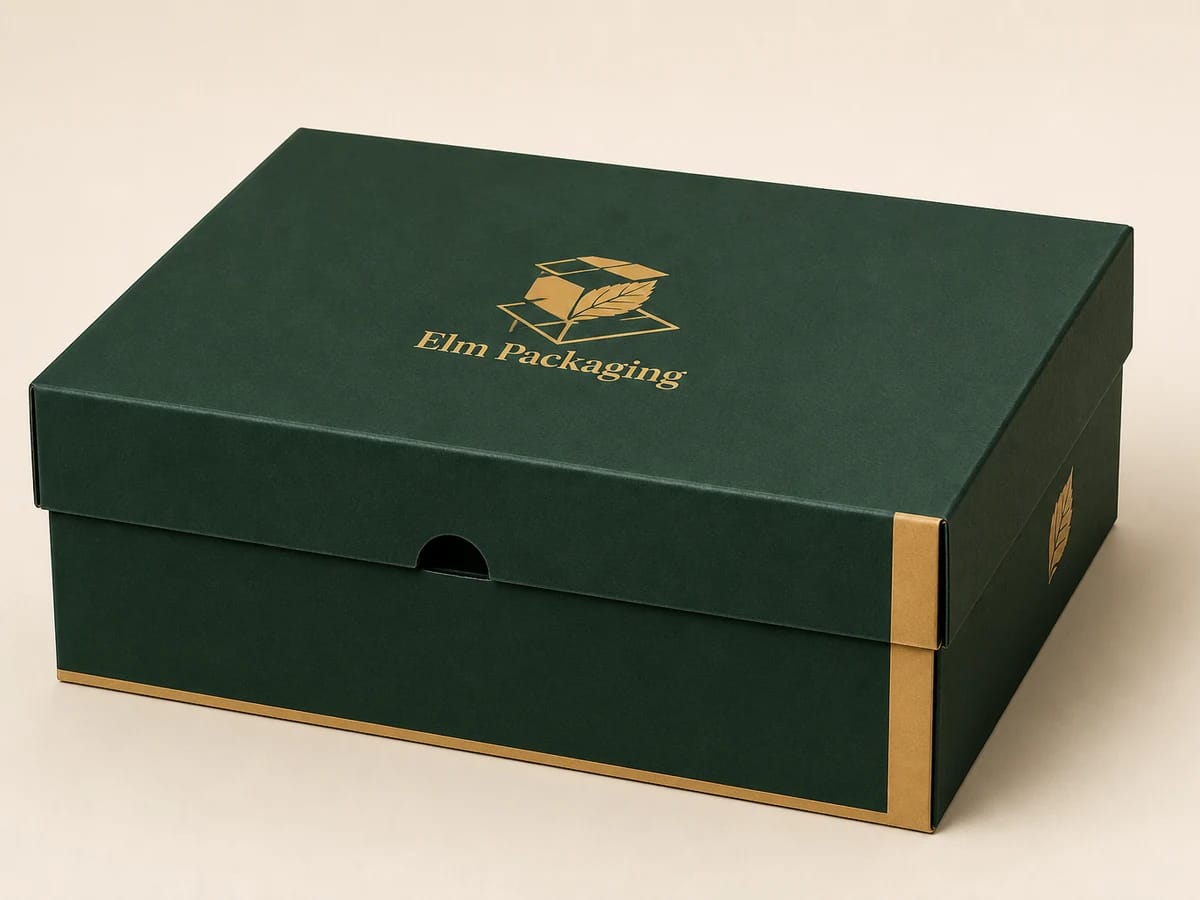
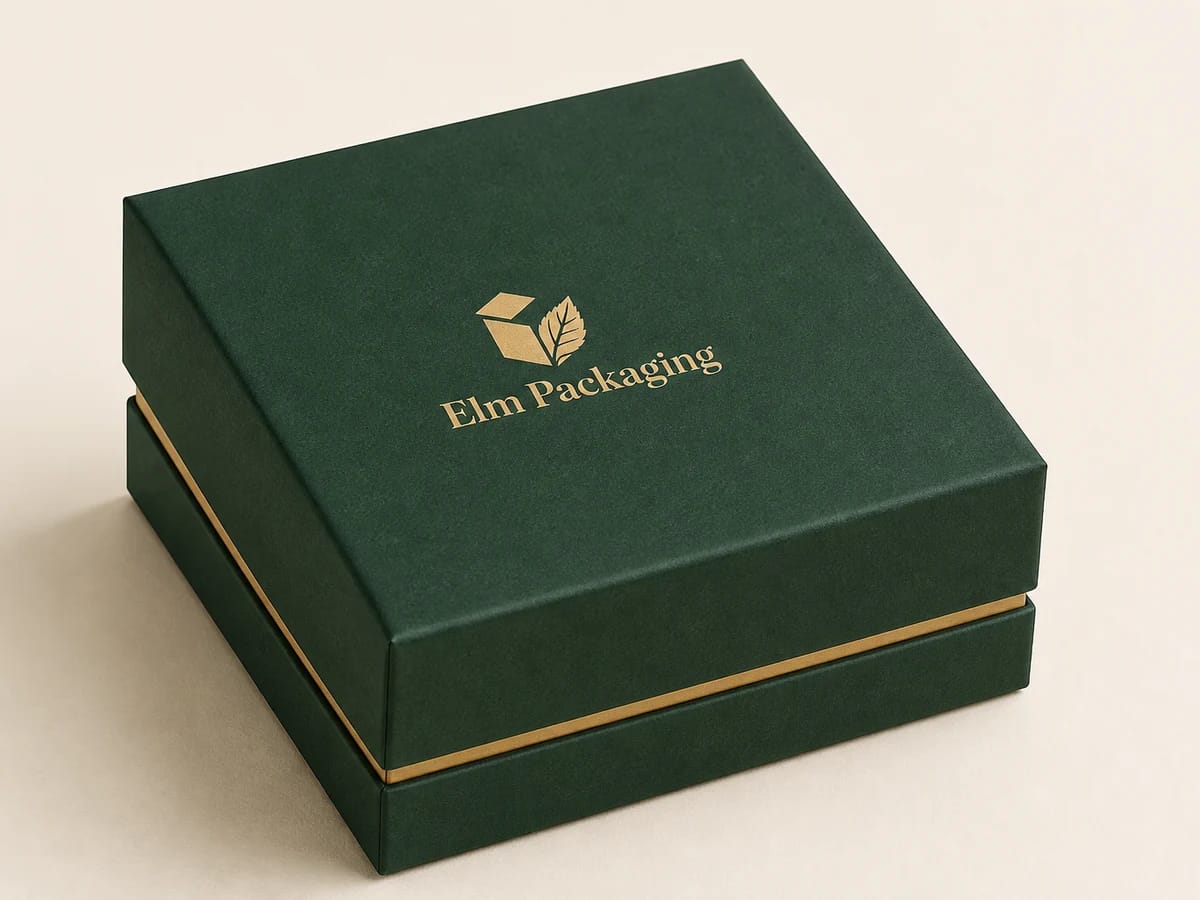
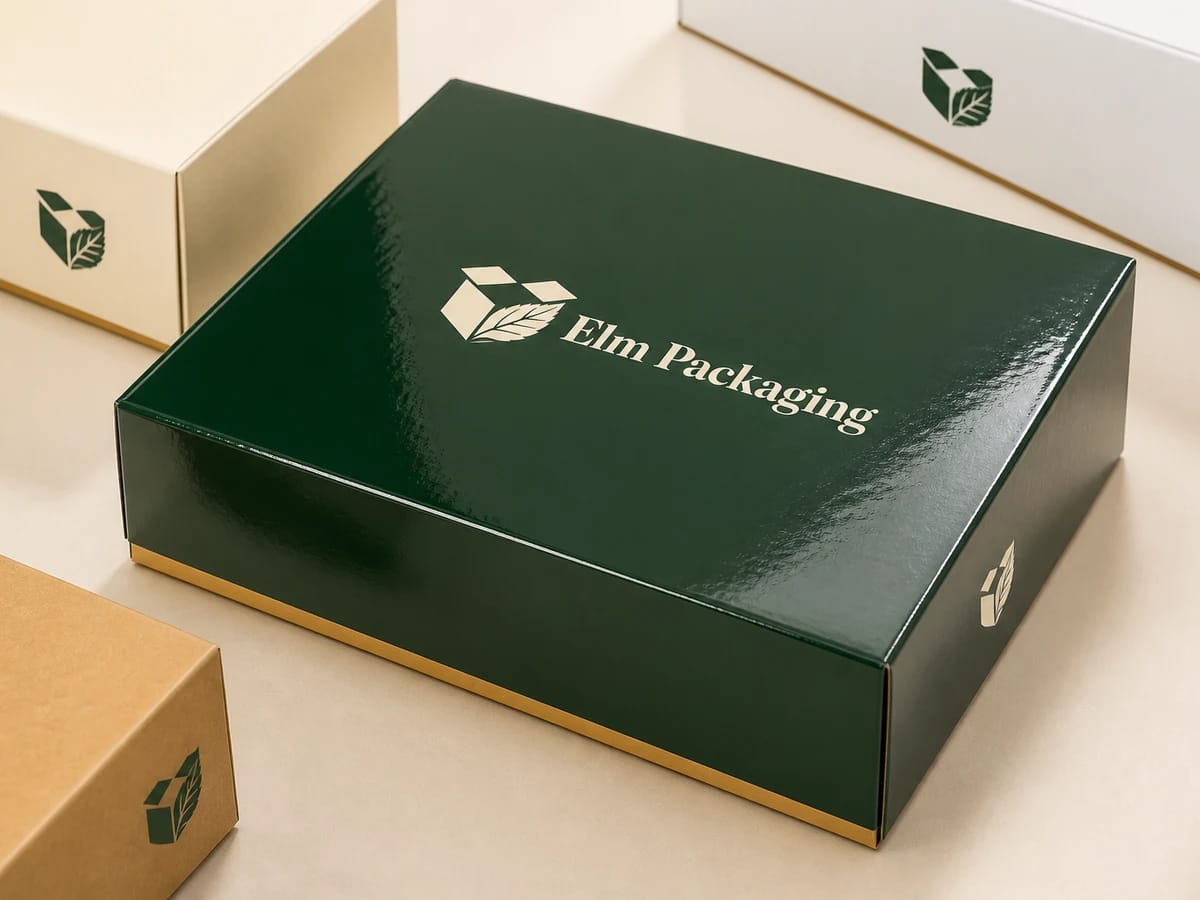
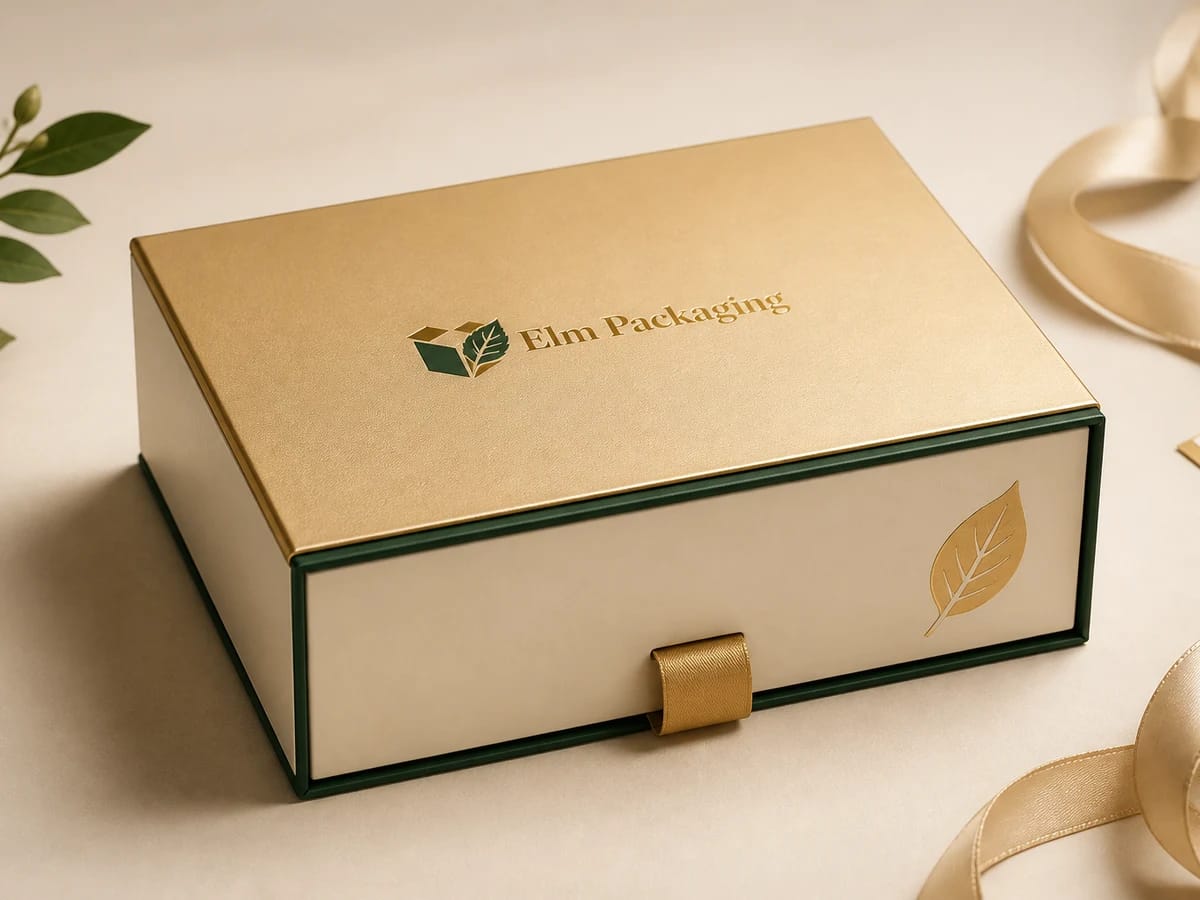
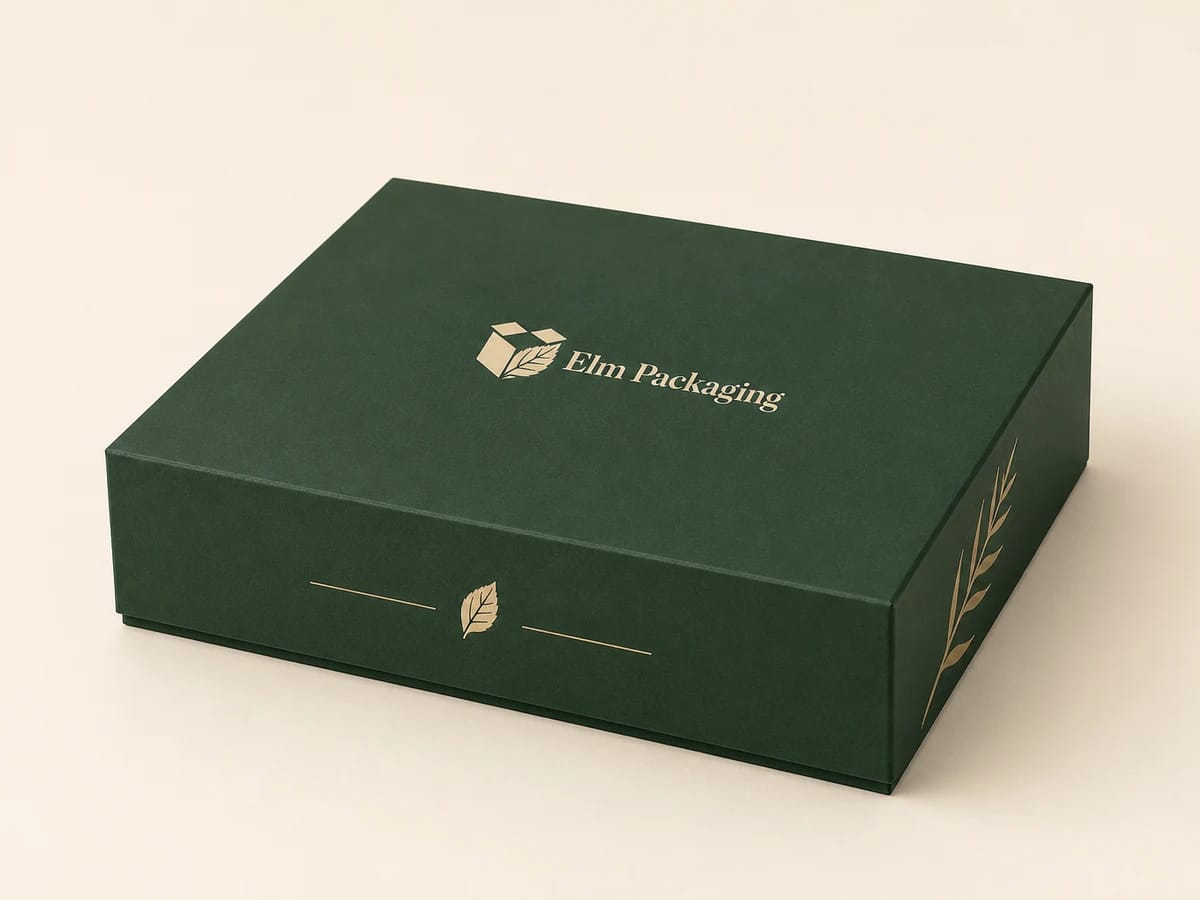
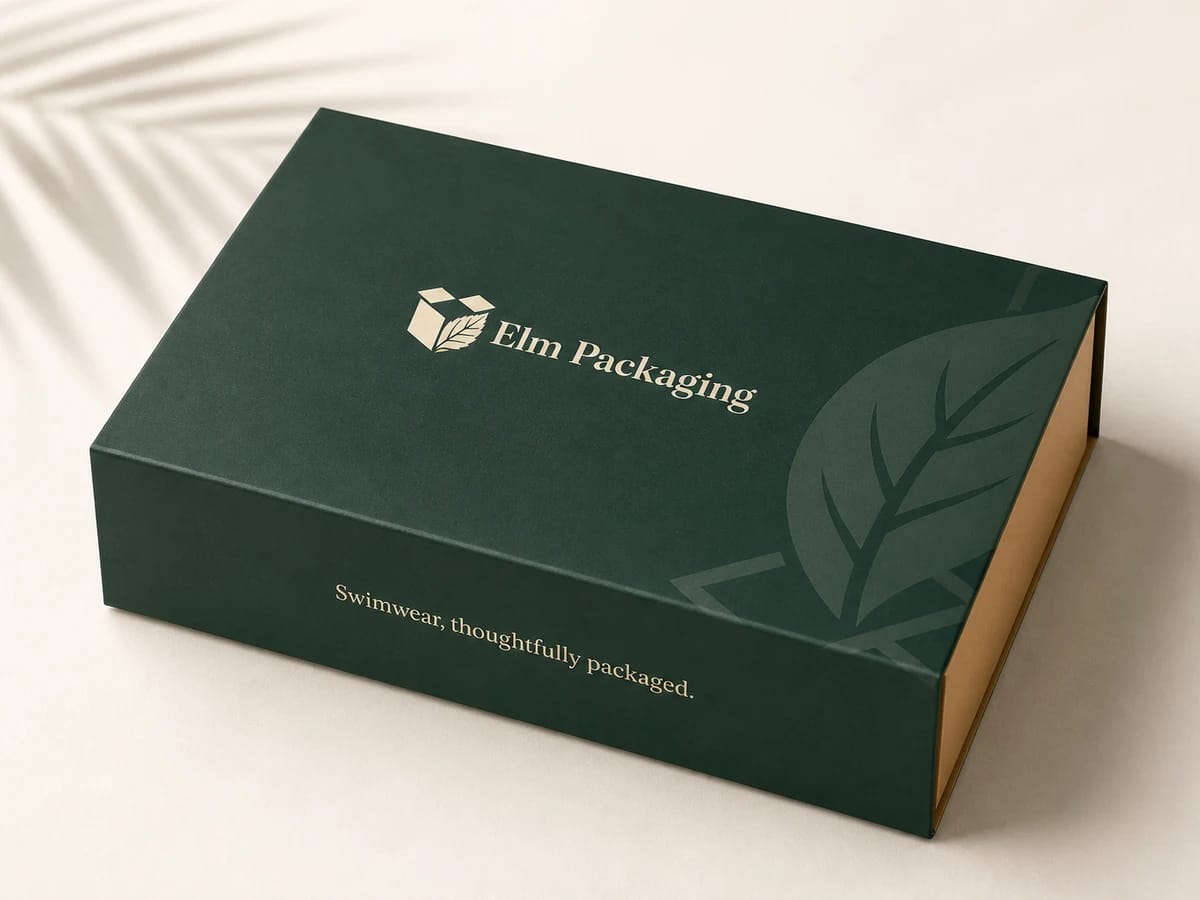
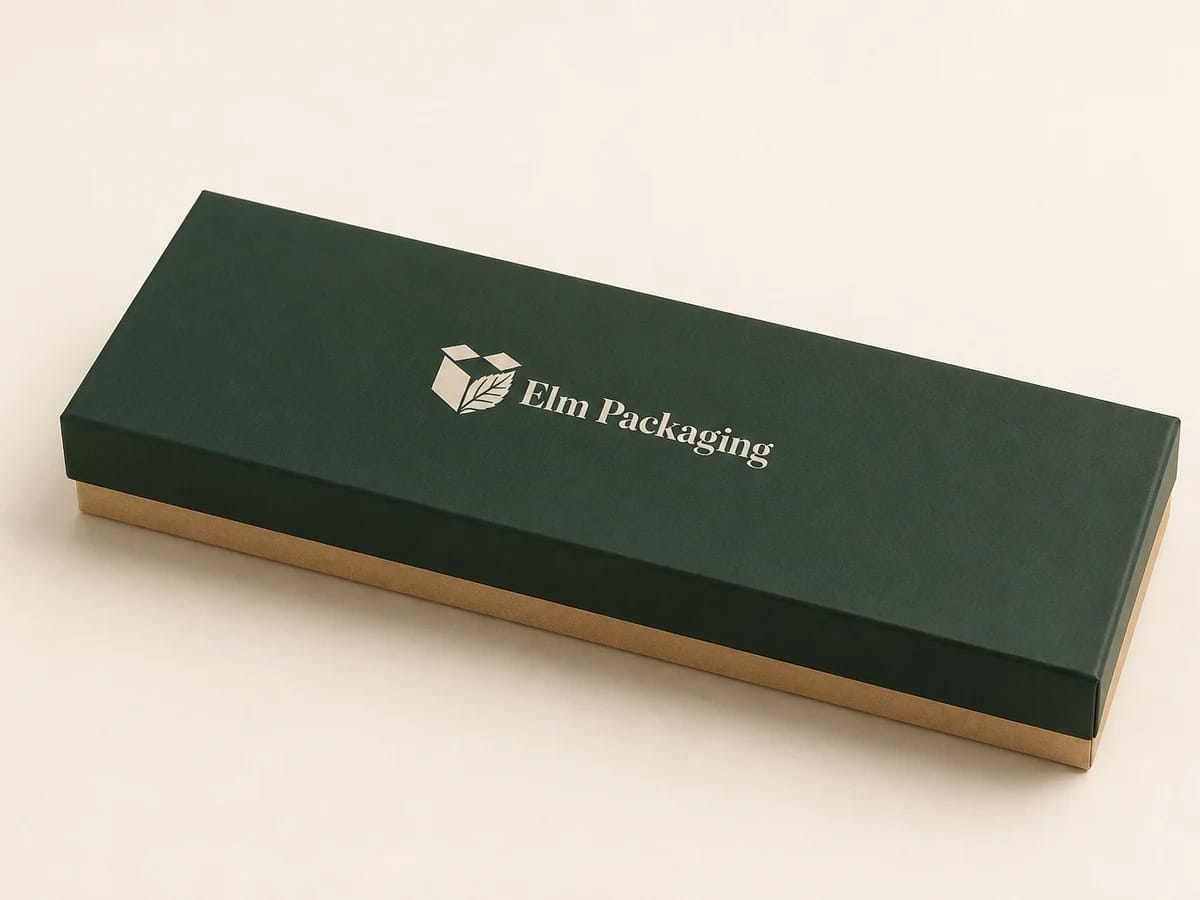
Soft-touch coating—a matte, velvet-like laminate—is a frequent pick for premium labels. Spot gloss, foil, or embossed logos work when you want marque pop without redesigning every panel. Interior print turns the open into a branded moment instead of a plain white cavity.
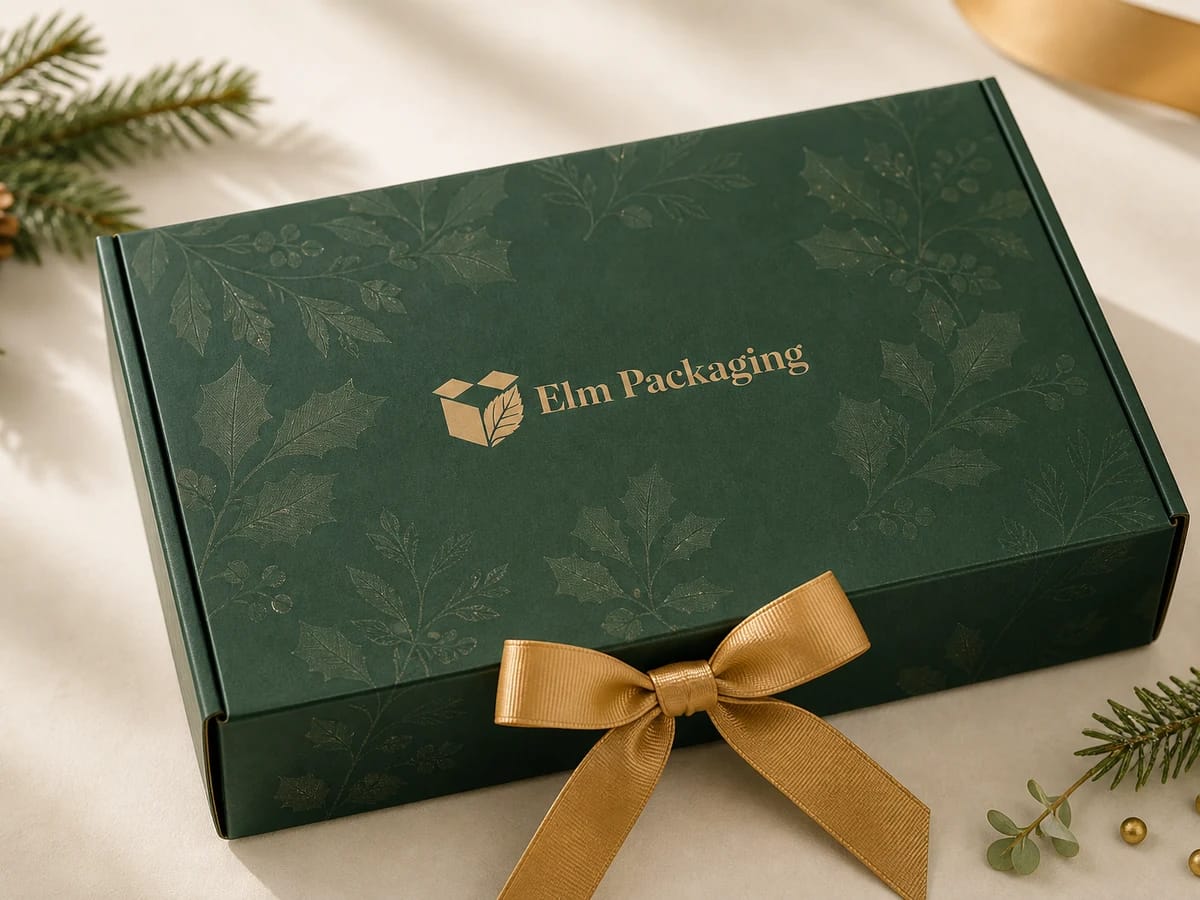
When artwork is busy—all-over prints, campaign photography—free dieline help keeps motifs clear of tuck flaps and crush zones. Share Pantone targets if color matching matters across hangtags and cartons.
- CMYK or Pantone-matched fields across lids, sides, and interiors
- Matte, gloss, soft-touch, or selective varnish finishes
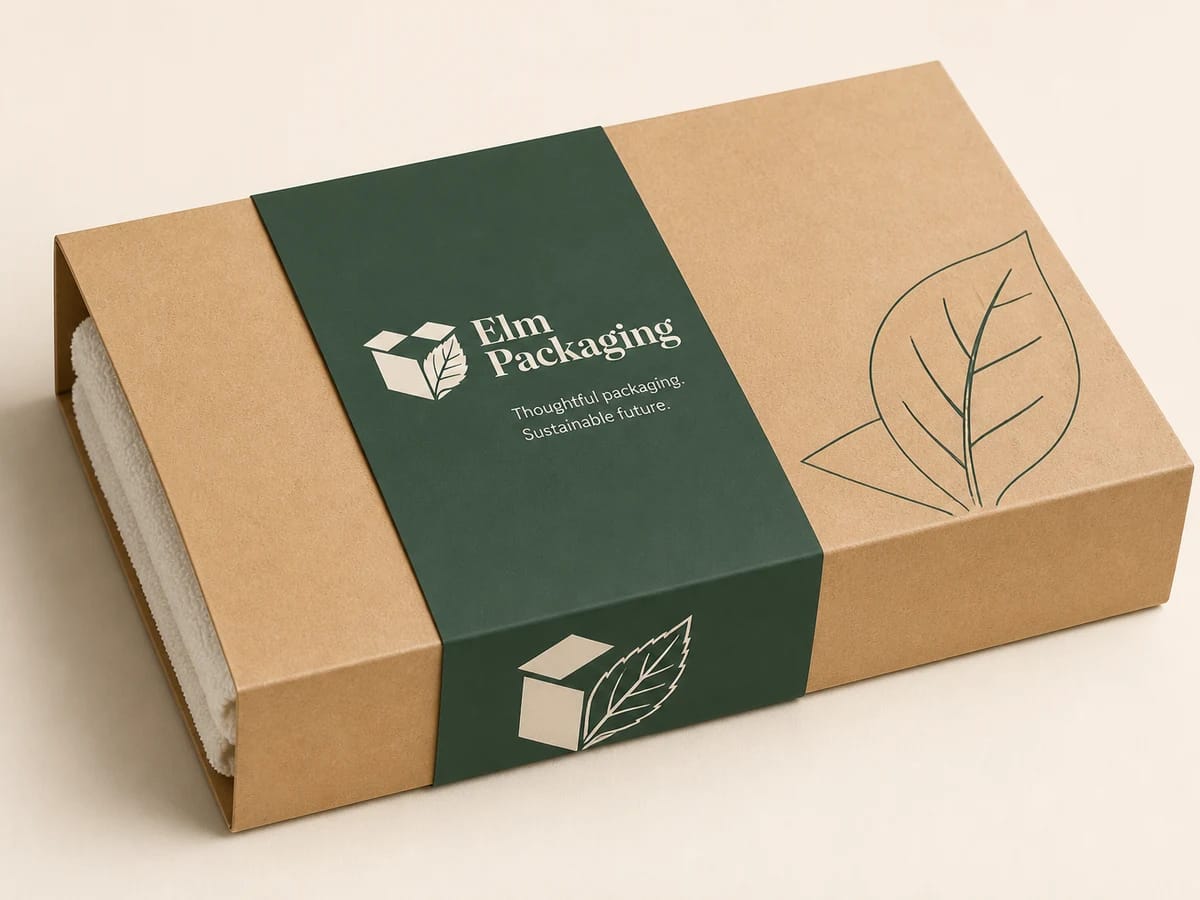
- Die-cut windows, handles, or belly bands where the structure allows
- Free dieline help so patterns clear folds and tuck flaps
Board options that print clean fashion graphics
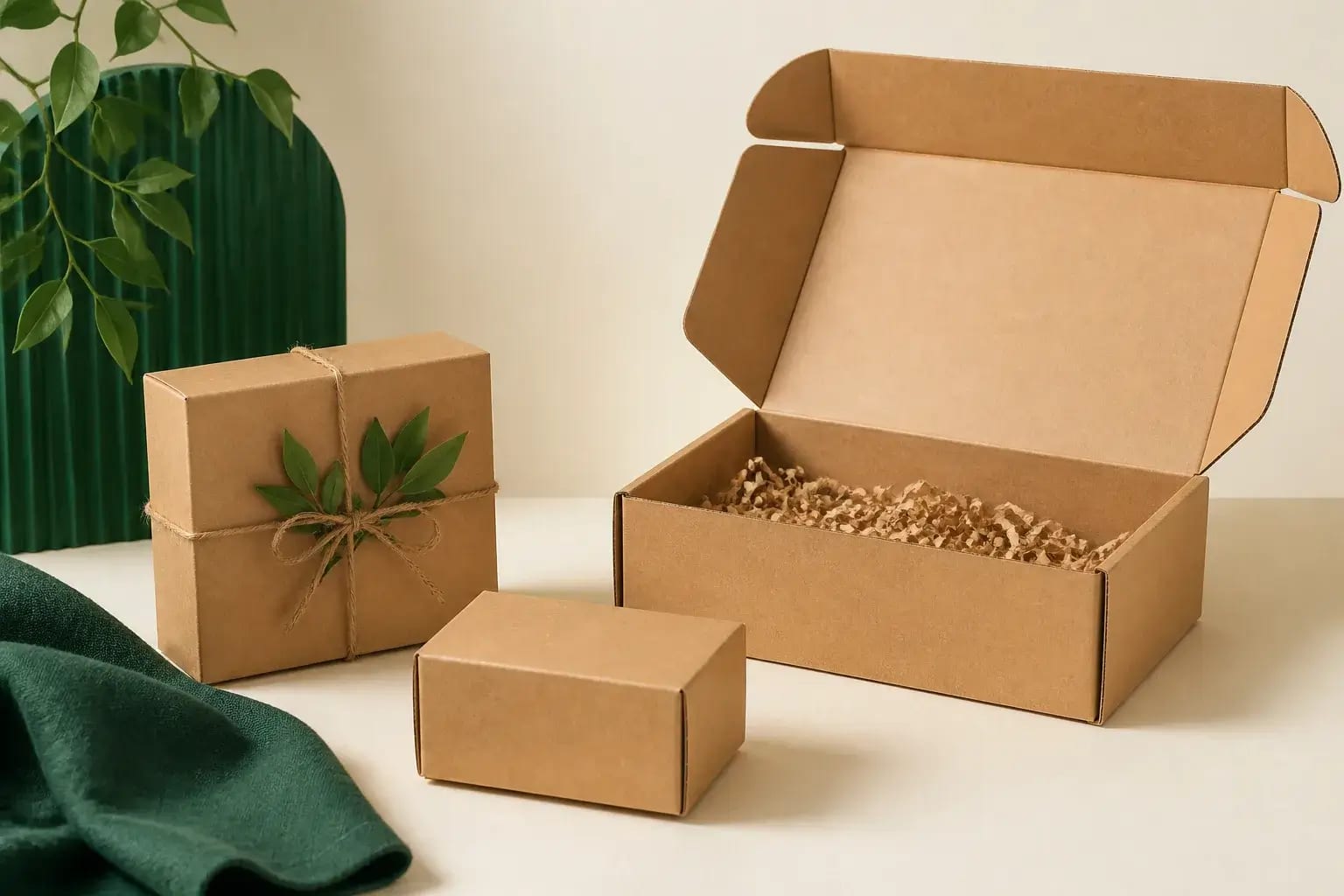
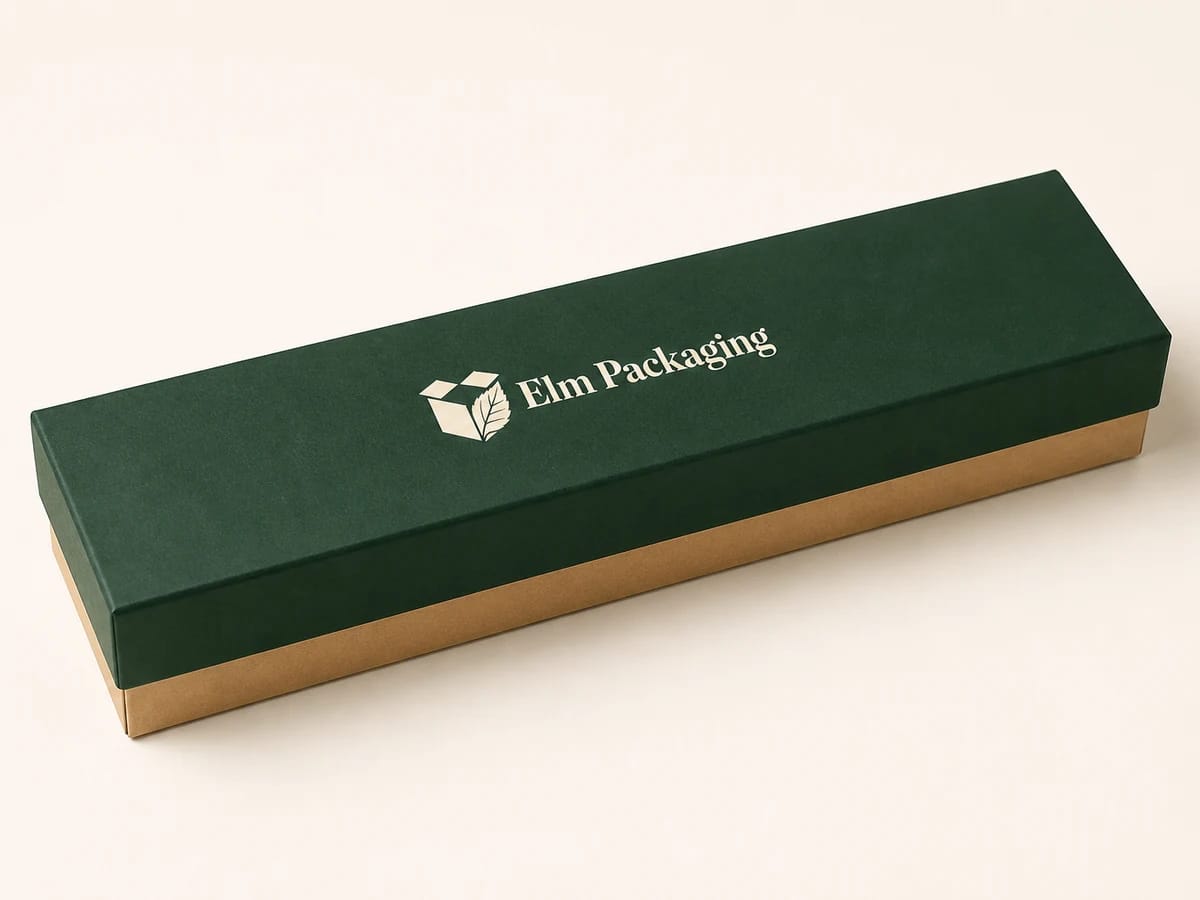
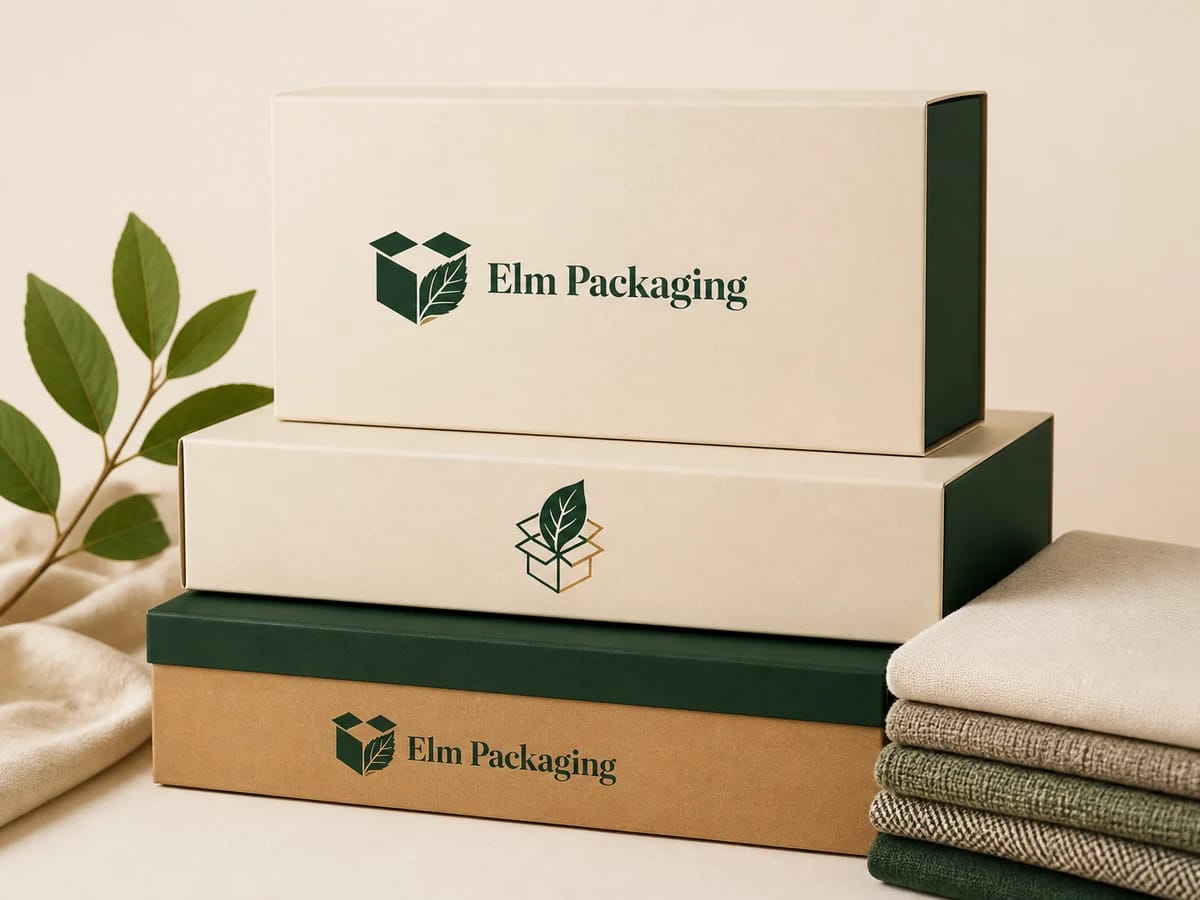
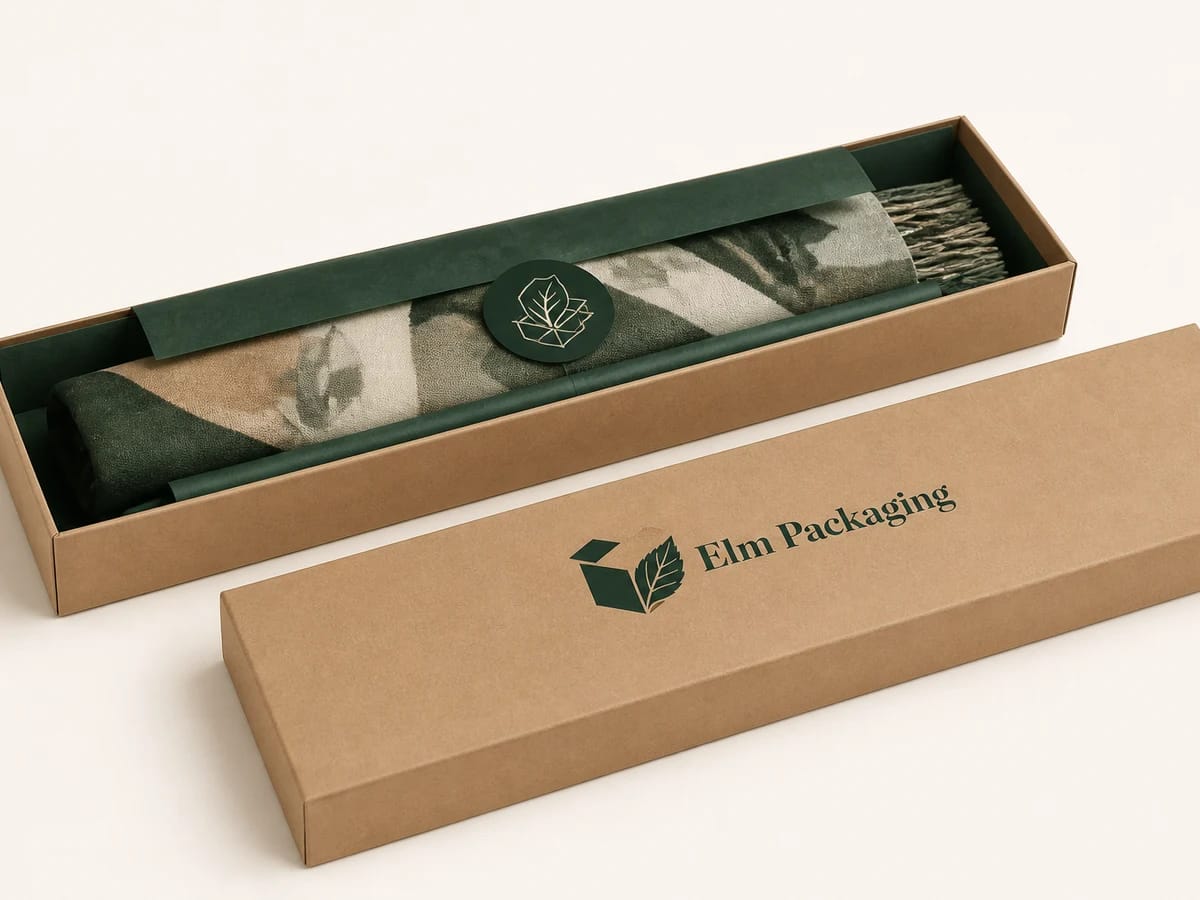
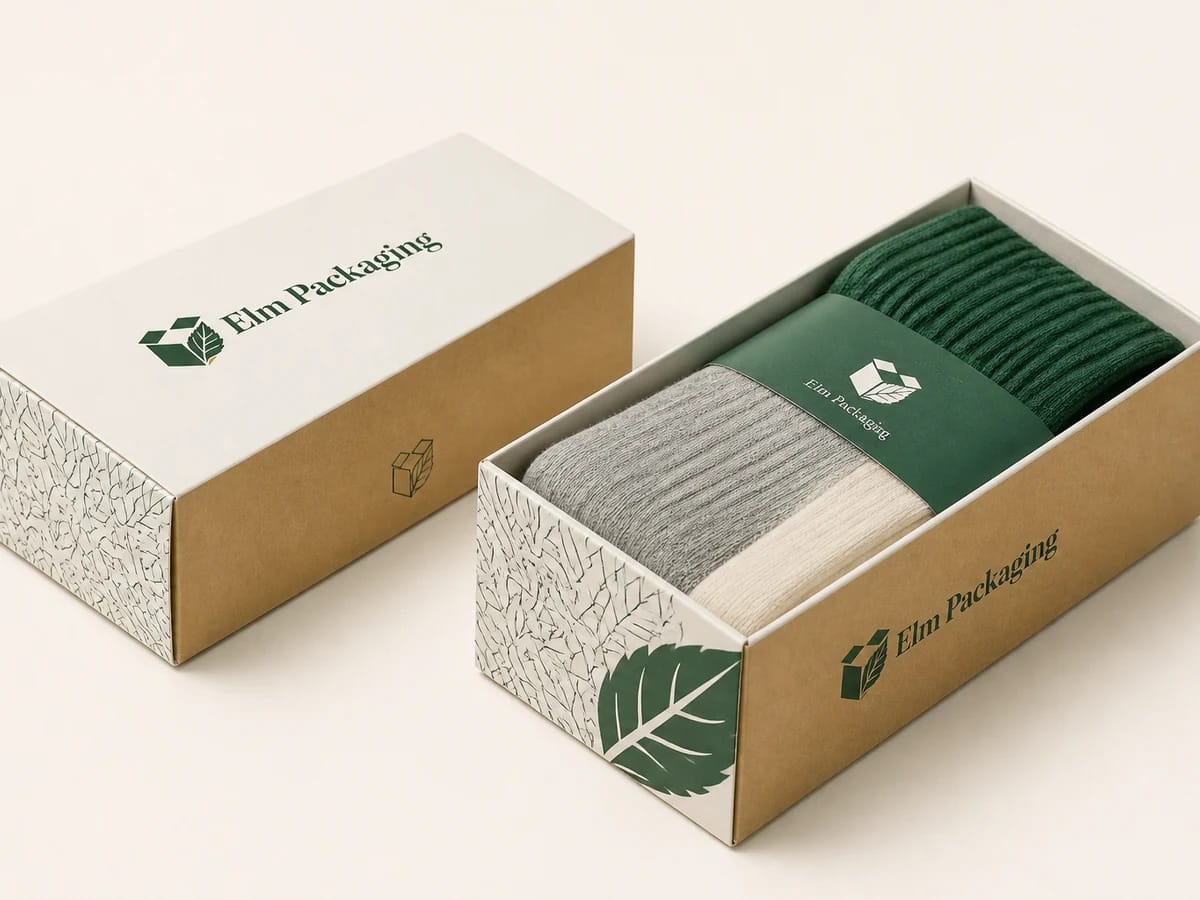
White SBS-style folding carton holds sharp photography and solid brand colors. Kraft stock suits eco-minded or craft-forward lines and still prints clean logos when coverage is planned for the brown ground. Corrugated mailer stock carries heavier denim and multi-piece kits. GSM—grams per square meter—describes how heavy the board feels; we lock the range against your garment weight when you quote.
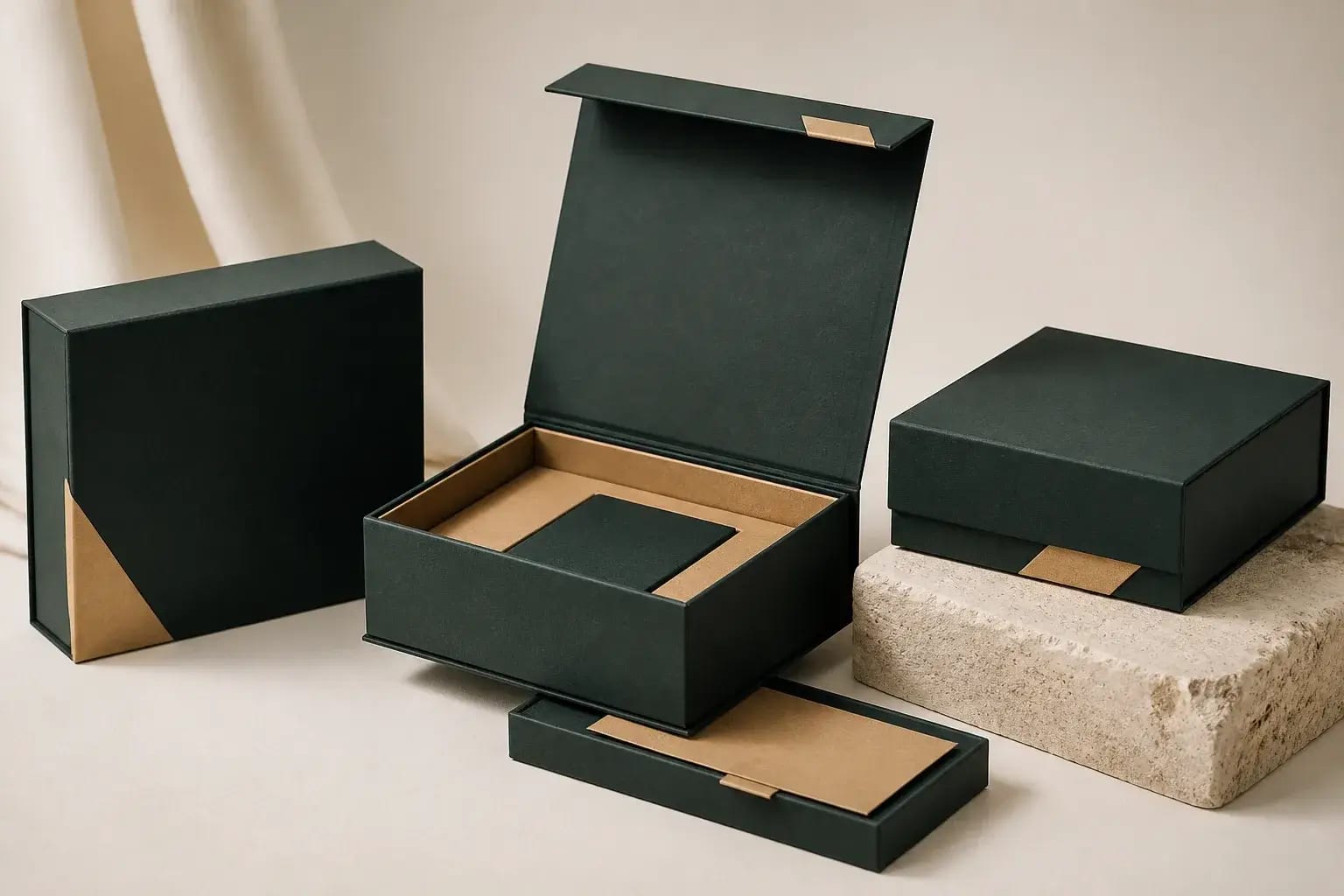
Product styles listed on this page are starting structures. Note preferred length, width, height, and closure type (tuck, magnetic, sleeve) so the quote reflects a real pack. If you already run kraft poly mailers or plain shippers, tell us what is failing—scuffs, crush, or brand look—so the next carton solves the real problem.
Brief checklist before you hit /get-a-quote
Have a folded sample or size chart, estimated quantity, and artwork status ready. Typical MOQ sits around 100 units; production is typically 7 days after proof approval. Call out ship destinations and whether boxes must double as the outer shipper.
Submit specs through /get-a-quote with material preference and finish priorities ranked. Elm Packaging returns options built around your apparel line—no checkout cart, just a packaging quote you can act on. Related mailer, kraft, rigid, and retail styles linked here can share a visual system across channels.
Material options
SBS / folding carton board
Smooth white stock that prints clean fashion graphics—common for boutique apparel boxes and retail cartons where color accuracy matters.
Kraft board
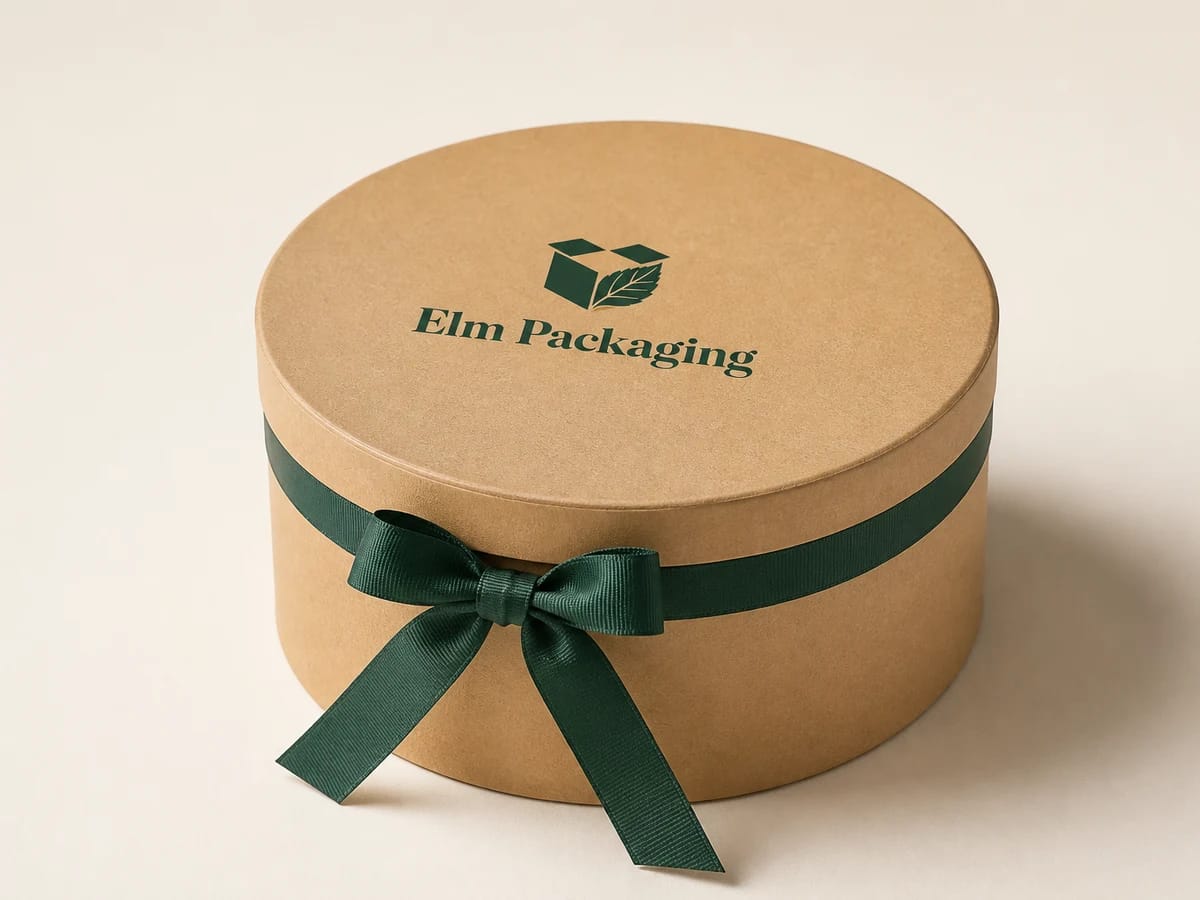
Natural brown look for eco-minded apparel lines; holds sharp logos while keeping a tactile, craft-forward feel.
Corrugated mailer stock
Fluted board for ship-ready apparel orders. Flute type and board combo are chosen to balance crush resistance with shipping weight.
Customization options
- Full-color exterior and interior print for brand patterns or solid fields
- Soft-touch, matte, gloss, or spot UV finishes on lids and panels
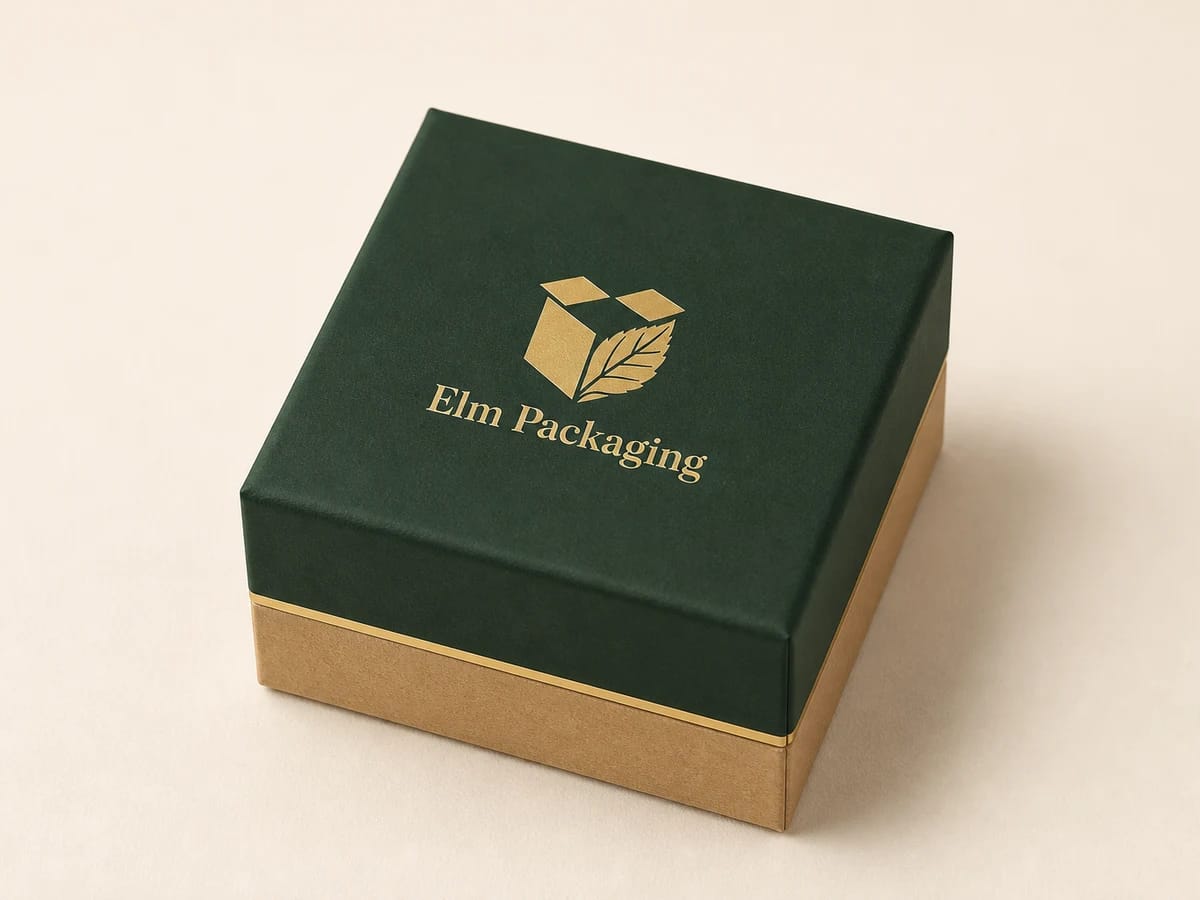
- Foil stamping or embossing for logo emphasis on premium drops
- Die-cut windows or handles when the structure supports them
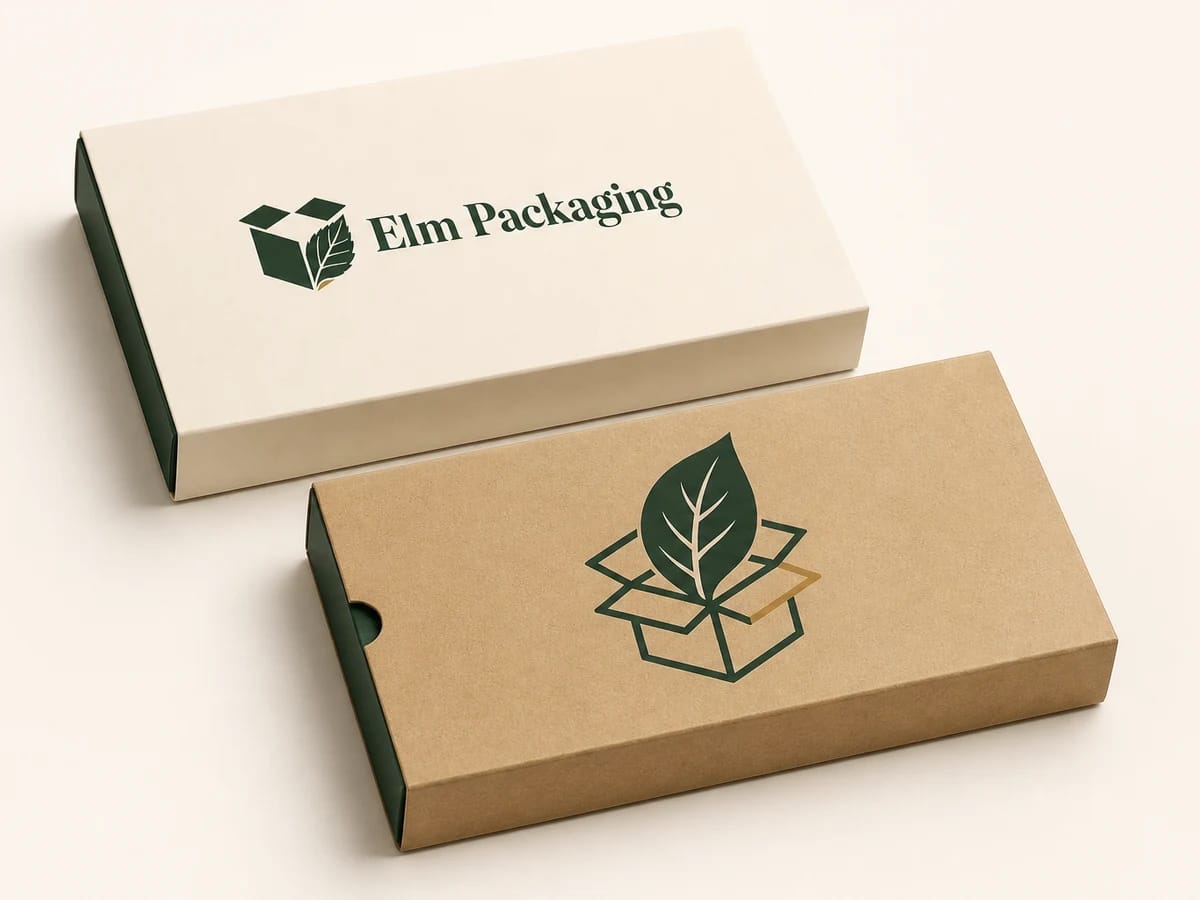
- Custom inserts, sleeves, and belly bands for multi-item apparel kits
Best suited for
- Branded shippers for DTC tee and hoodie drops
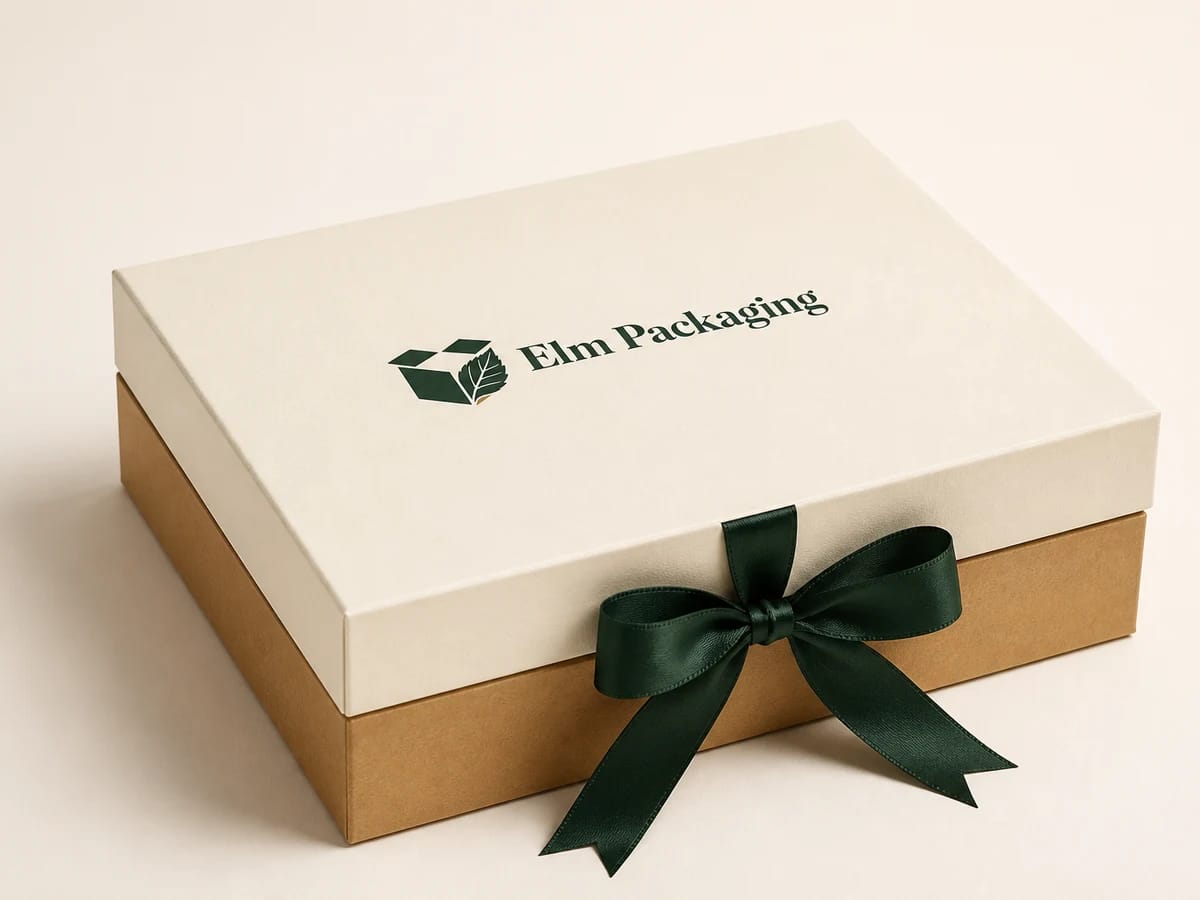
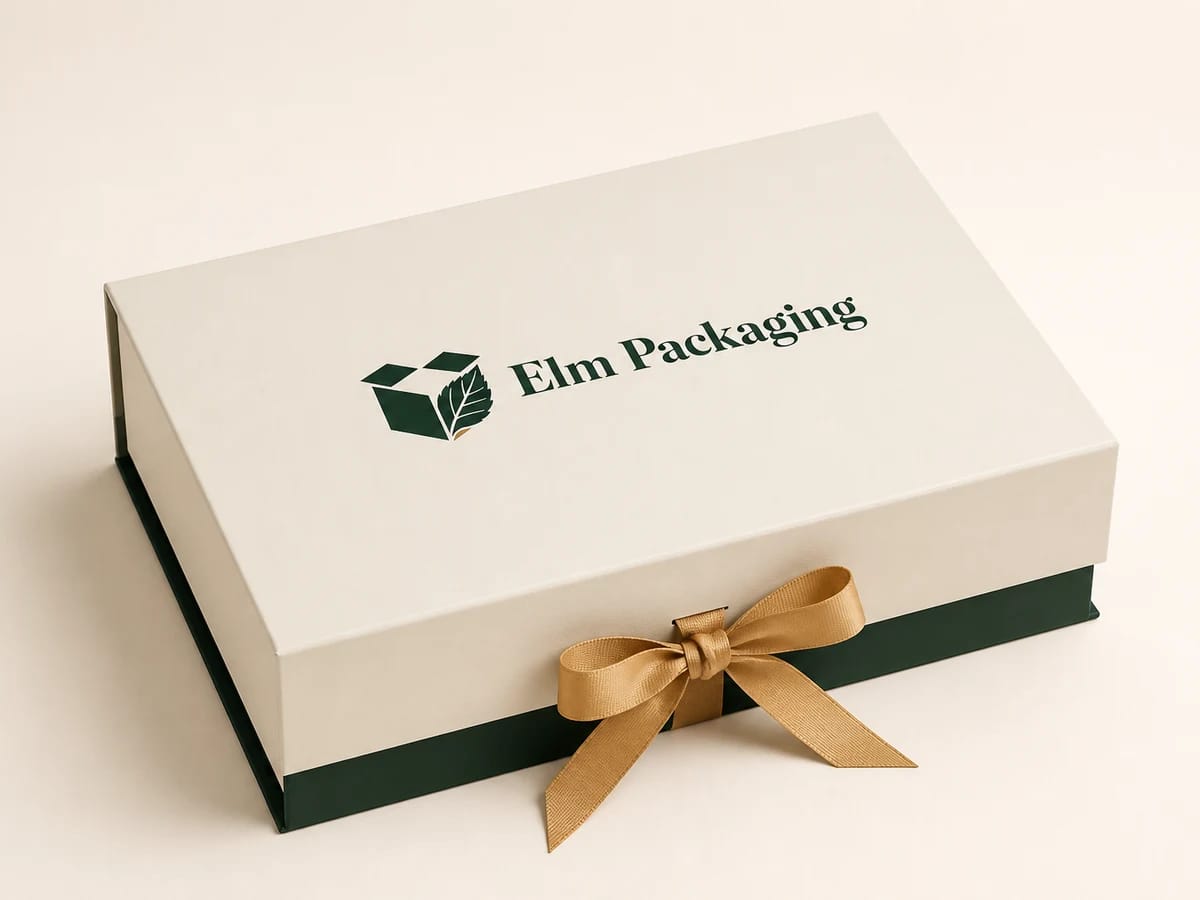
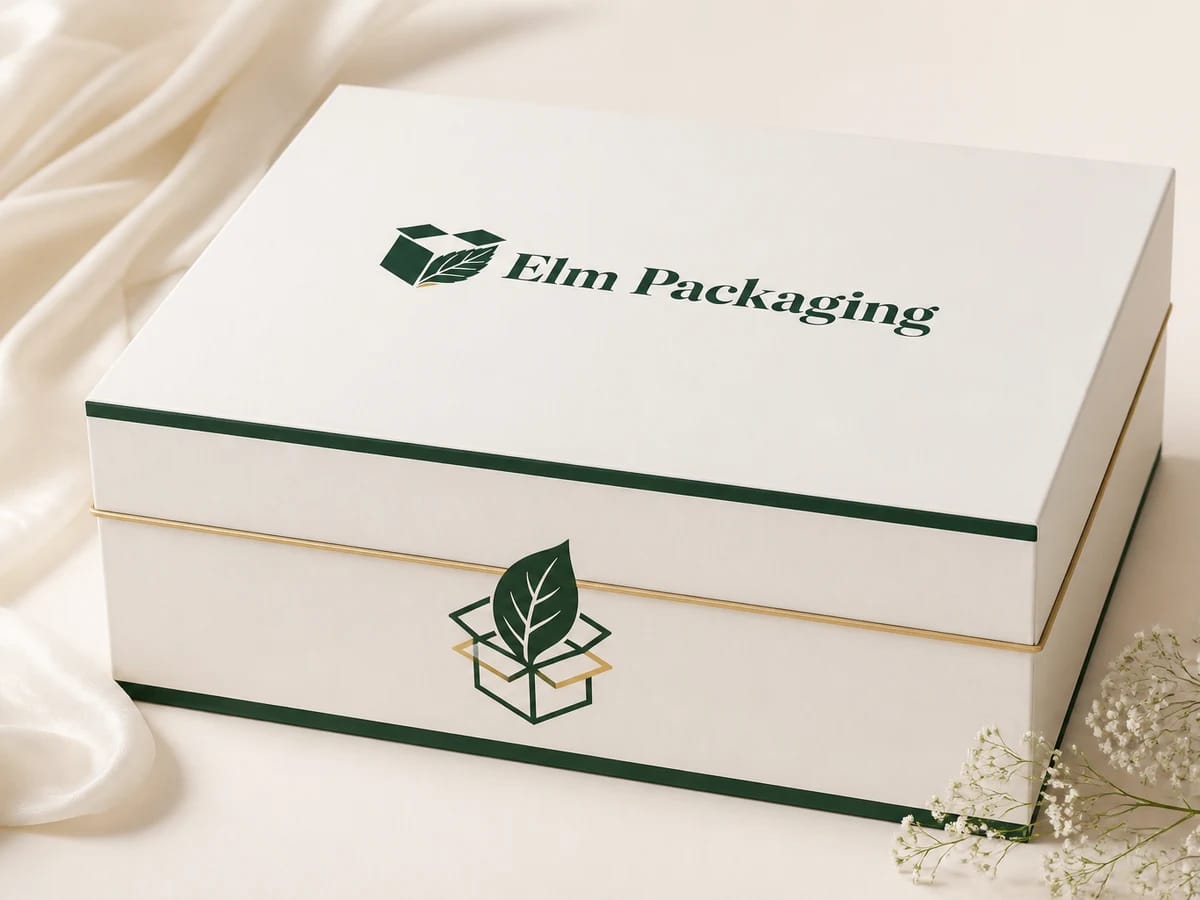
- Gift-ready boxes for boutique apparel and seasonal bundles
- Wholesale cartons for multi-unit retailer packs
- Pop-up and market packaging with on-brand print
FAQ
What is the minimum order for custom apparel boxes?
MOQ is typically around 100 units. Structure, print coverage, and finishing can shift the exact minimum—we confirm details in your quote.
How long do custom apparel boxes take after proof approval?
Turnaround is typically 7 days after you approve the proof. Rush 3–4 days may be available—note timing on your quote. Complex finishes or large runs may need more time; your quote will spell out timing.
Can Elm Packaging help with dielines for clothing packaging?
Yes. Free dieline help keeps logos, patterns, and care copy aligned to panels before production starts.
Should I choose mailers or rigid boxes for apparel?
Mailers fit most DTC ship-outs. Rigid set-up boxes suit premium gifts and retail presentation. Share your channel and we will recommend structures from the products on this page.
What does GSM mean for apparel packaging?
GSM is the board weight in grams per square meter—higher GSM generally feels sturdier. The right range depends on garment weight and transit stress; we specify it while quoting.
Can boxes include tissue, stickers, or inserts?
Many brands pair cartons with tissue, stickers, or simple cardboard inserts. Note what you need in the quote request so fit and packing notes stay accurate.
How do I get pricing for custom clothing boxes?
Send dimensions, quantity, material preference, and artwork notes through /get-a-quote. Elm Packaging responds with tailored options—no stock cart checkout.