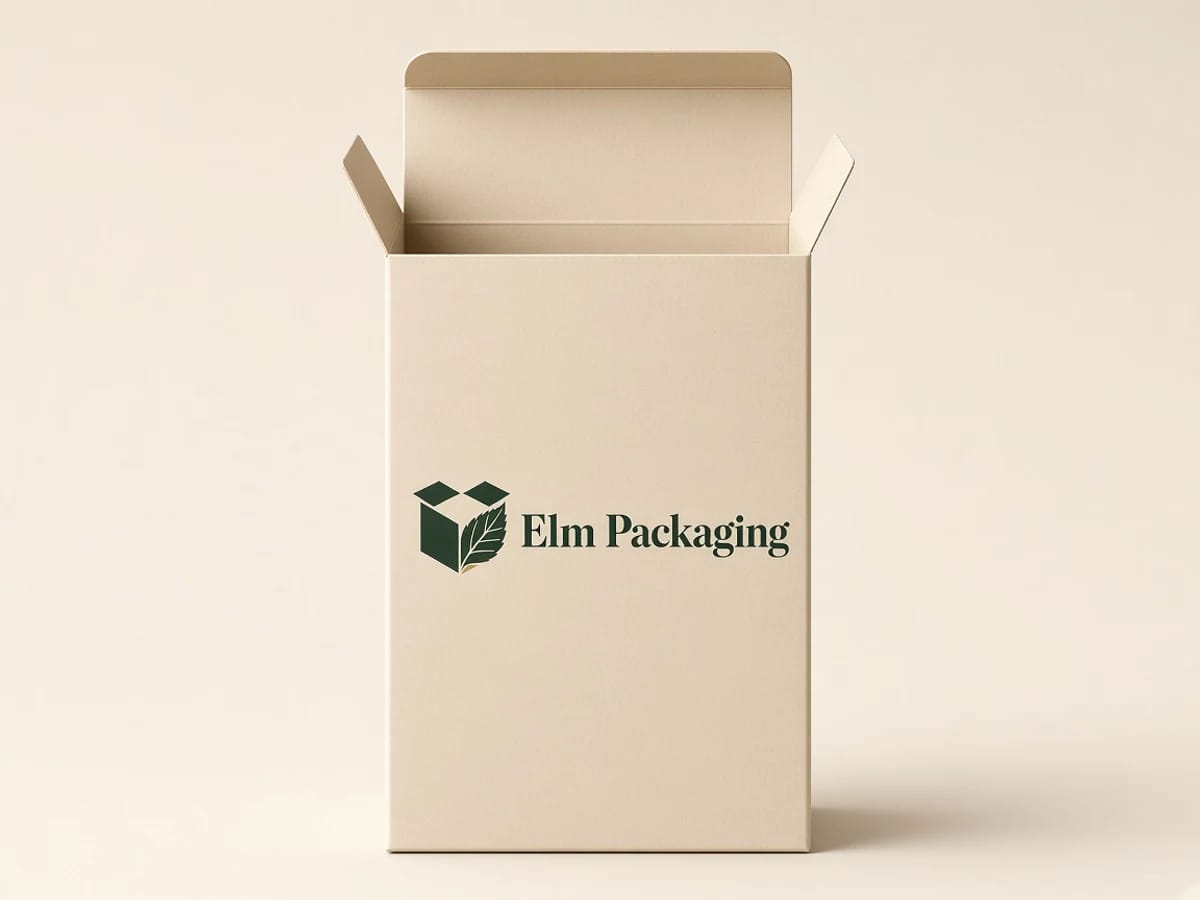
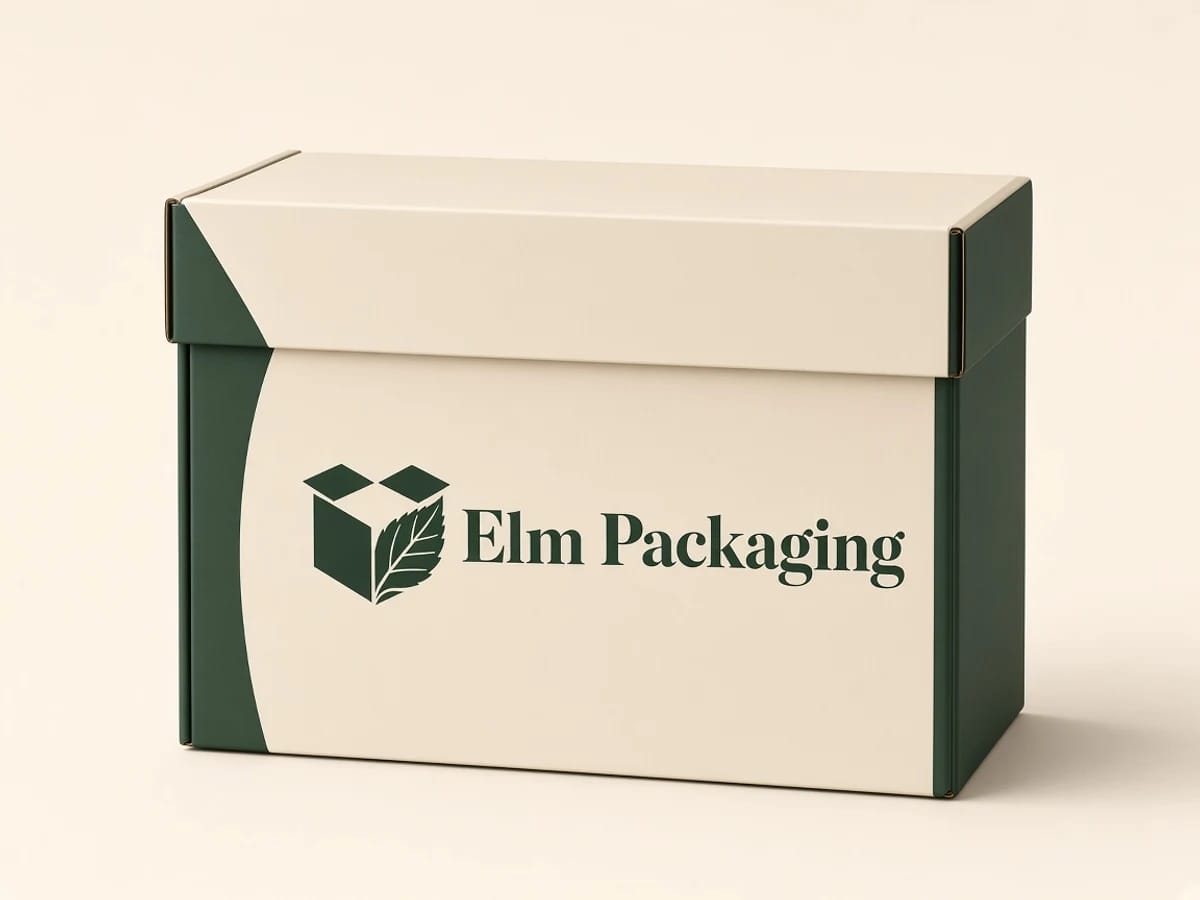
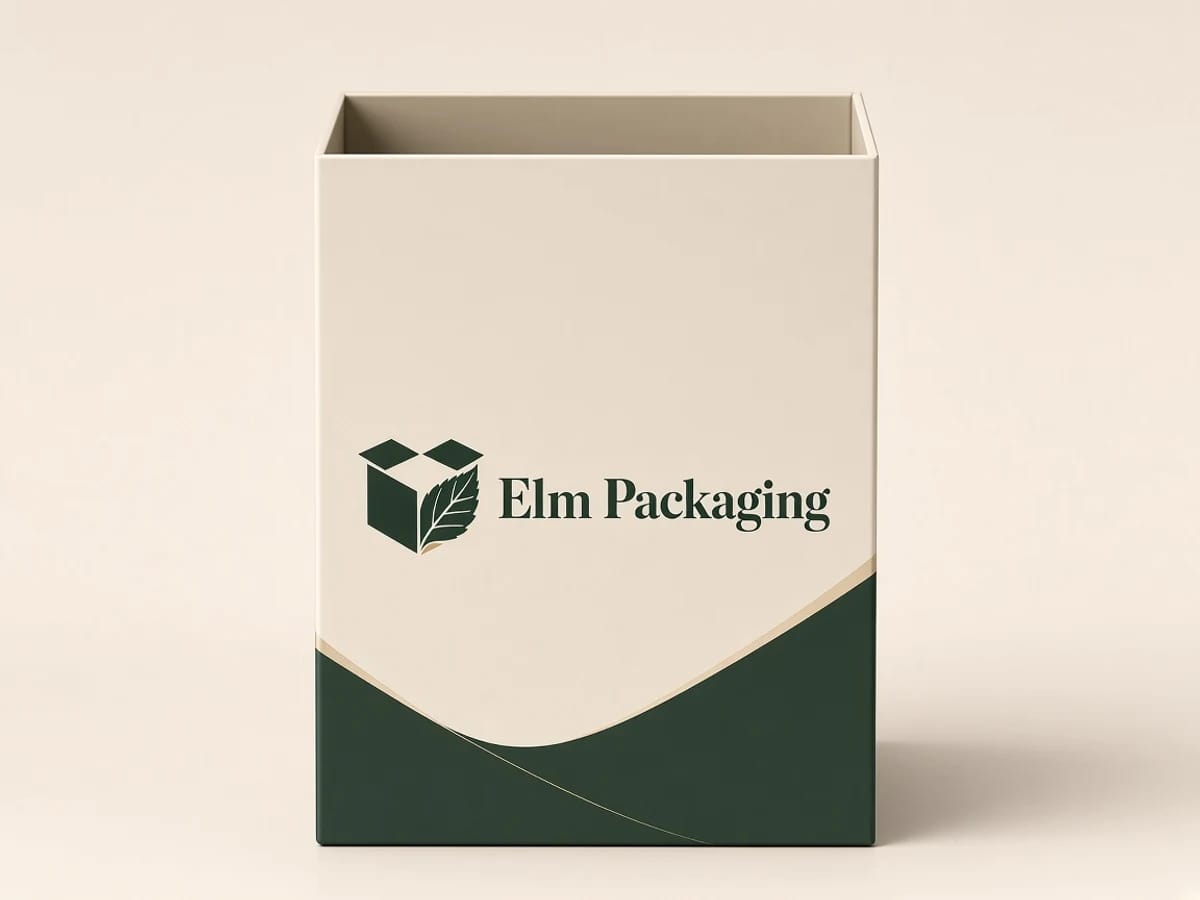
Description
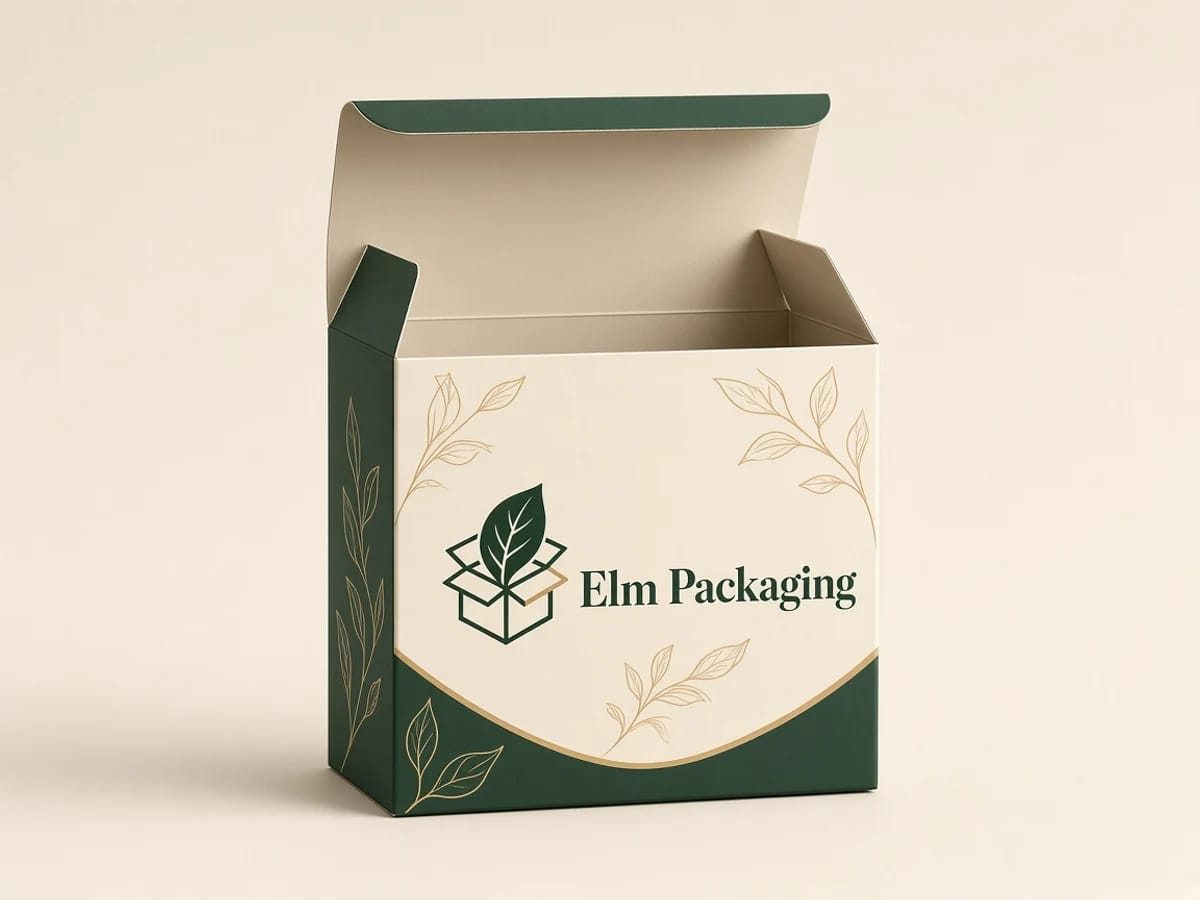
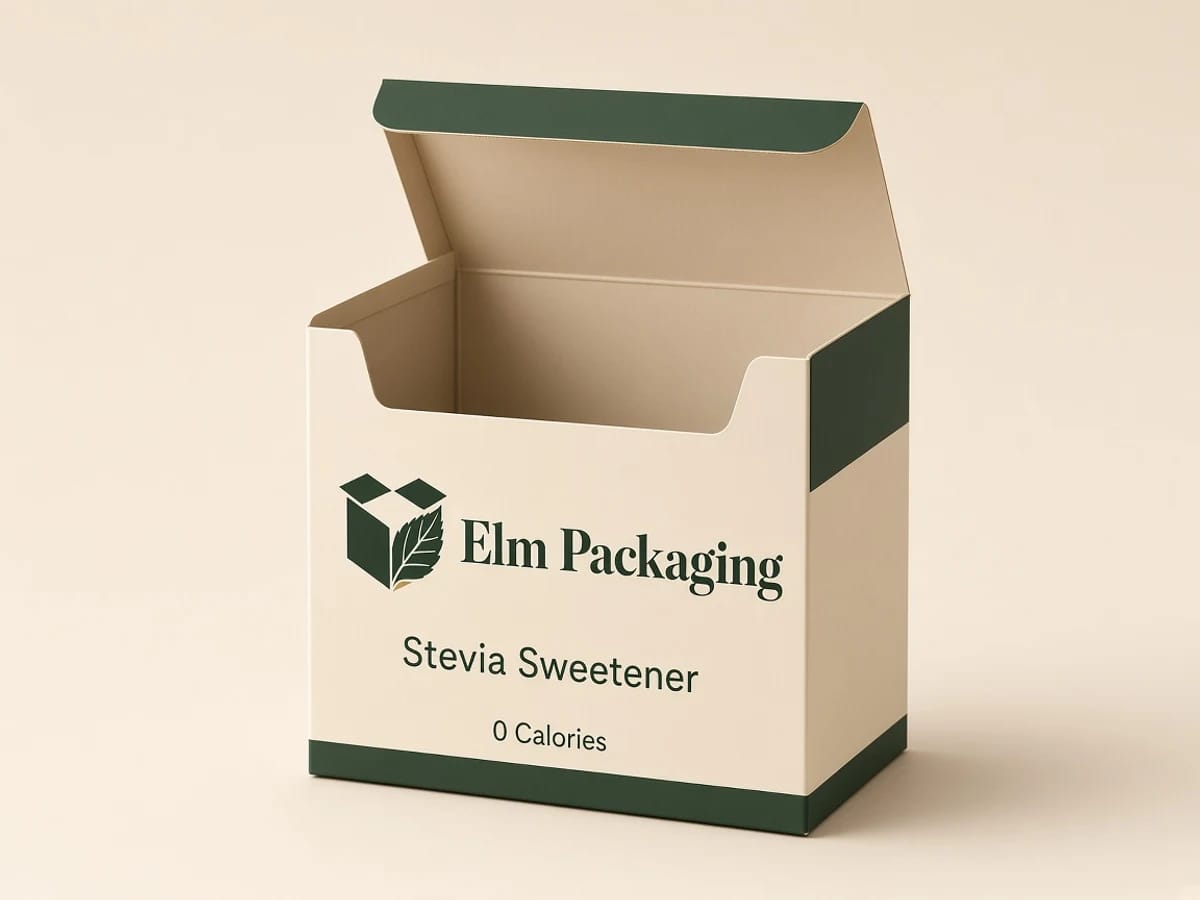
Custom retail boxes compete in a few feet of shelf space. Shoppers decide fast, so front-panel hierarchy, color, and structural honesty matter more than decorative clutter. Elm Packaging prints retail cartons that face forward cleanly and leave room for barcodes, hang features, and claims you need to show—without turning the pack into an unreadable poster.
Brands usually arrive with a product footprint and a channel list—grocery, specialty retail, beauty, electronics accessories, housewares. Board grade and closure style should match stocking abuse and peg weight, not just studio photos. Typical minimums start around 100 units, with production often about 7 days after proof approval.
Include hang tab needs, barcode placement, display tray interest, and whether units also ship DTC. Free dieline help places those features without weakening folds. Start at /get-a-quote with dimensions, quantity, channel notes, and artwork direction so shelf and operations needs are designed together.
Front-panel hierarchy that works at a glance
Lead with brand and product name, then one supporting claim, then required marks. Overstuffed fronts flatten into noise under retail lighting and get lost beside louder national brands. Side and back panels can carry deeper story and codes without crowding the facing.
Photography and illustration should support the decision, not replace readable type. If the product must be recognized by size, scent, shade, or variant, put that identifier where stockers and shoppers both can find it quickly.
Test hierarchy by squinting at a mockup from a few feet away. If only a pattern remains and no product identity, redesign before proofs. Retail packing mistakes start with facings that look stylish in Figma and fail in aisle.
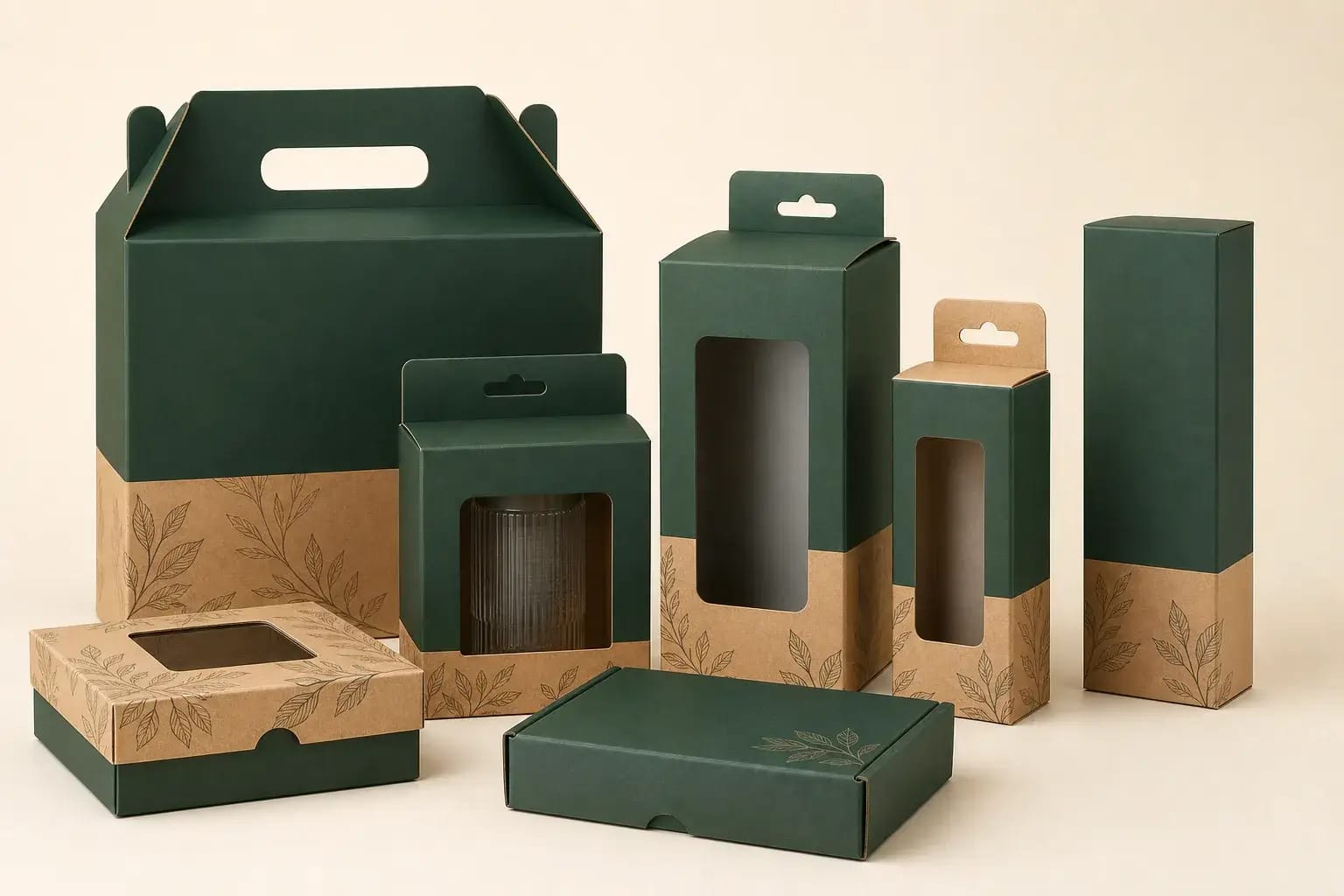
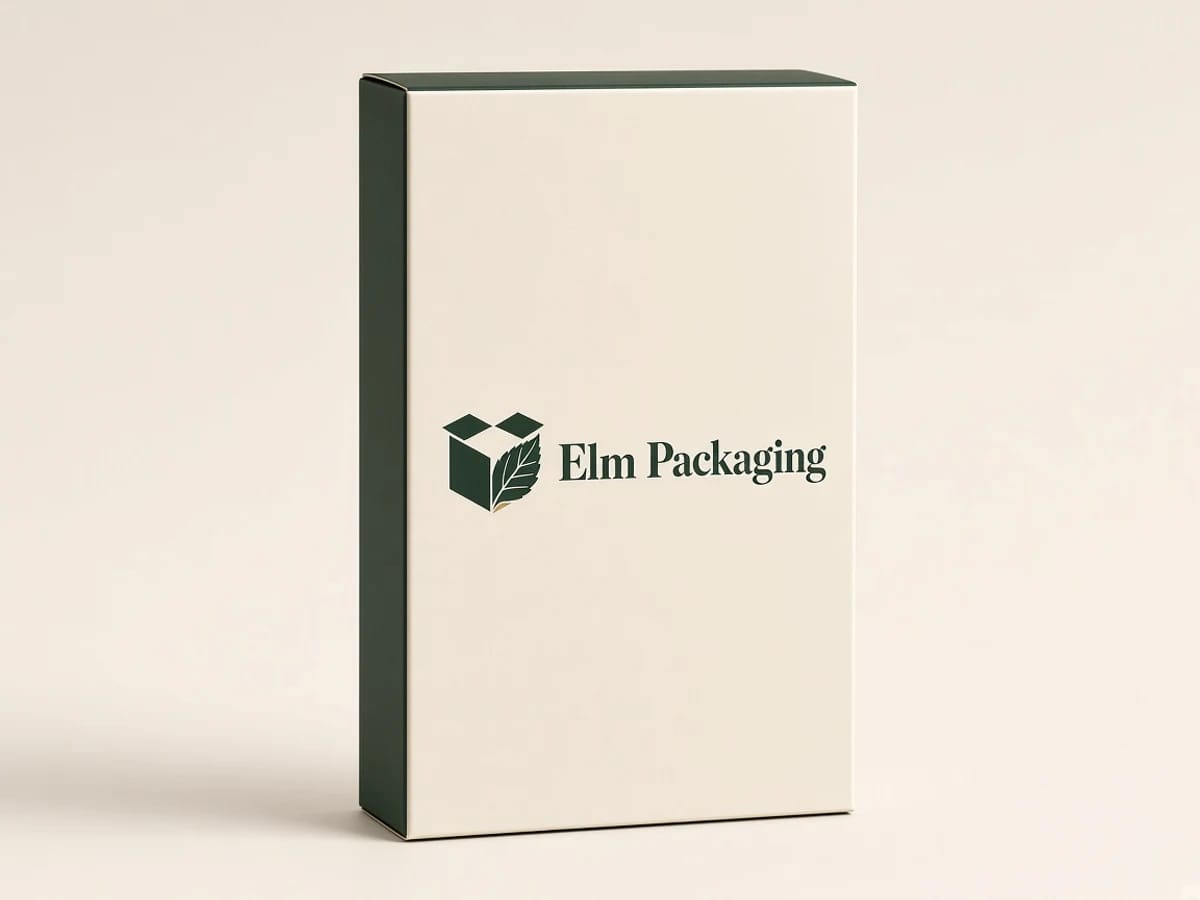
- Folding cartons for unit facings
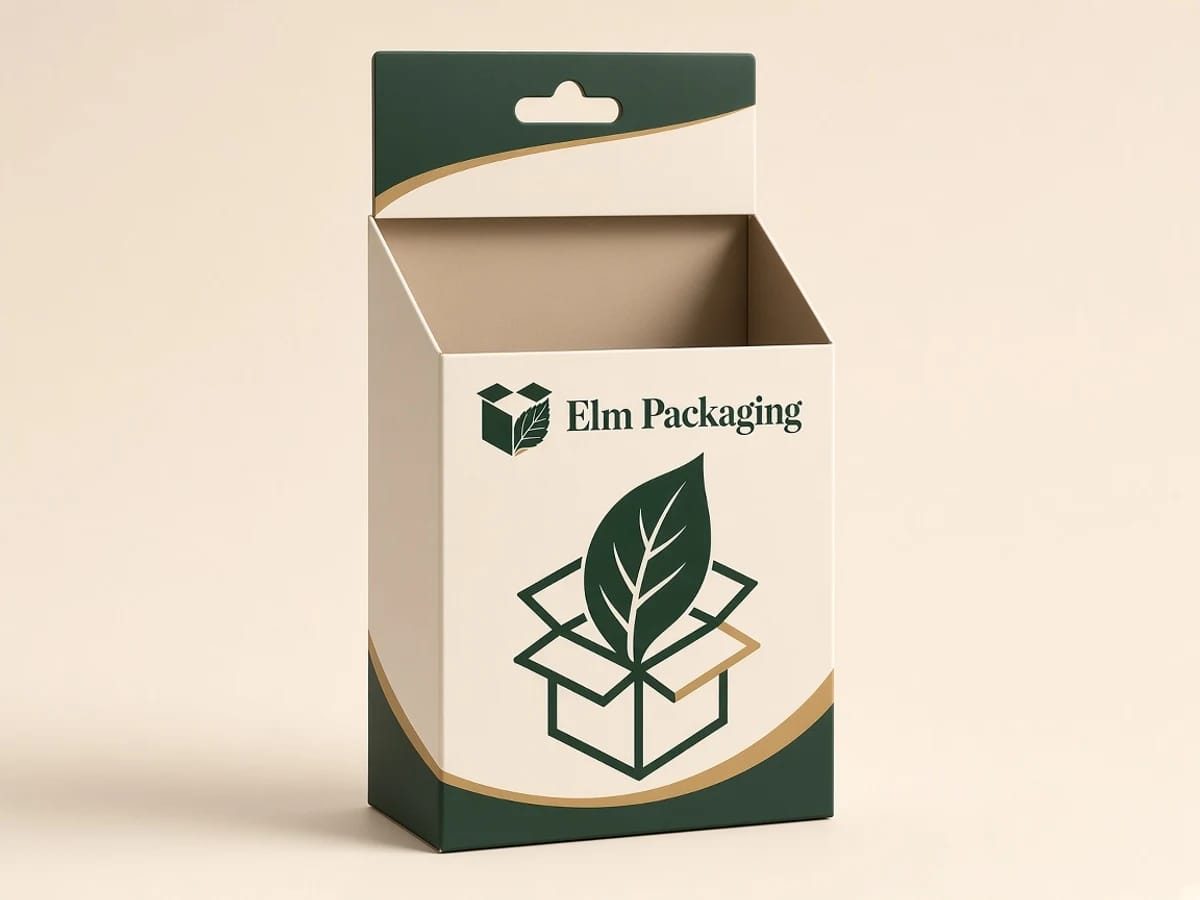
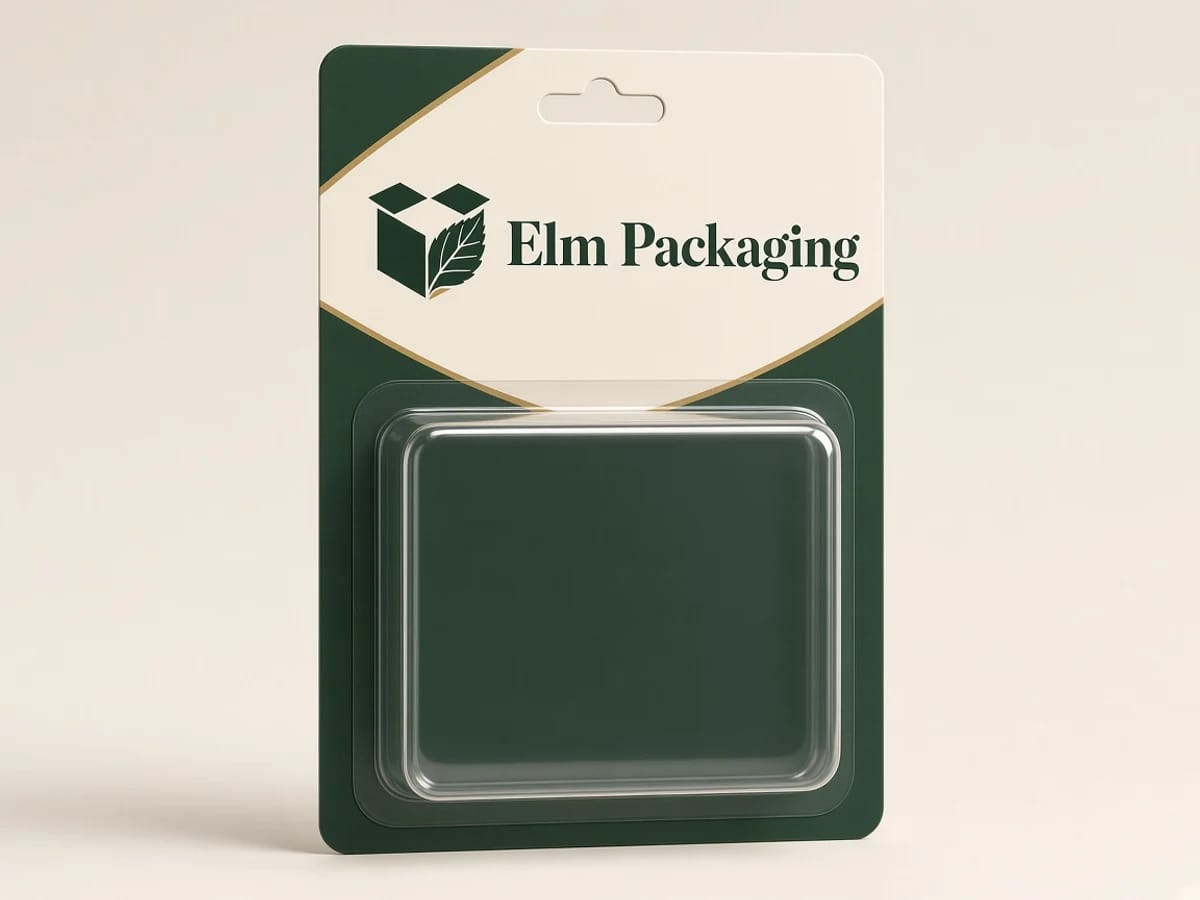
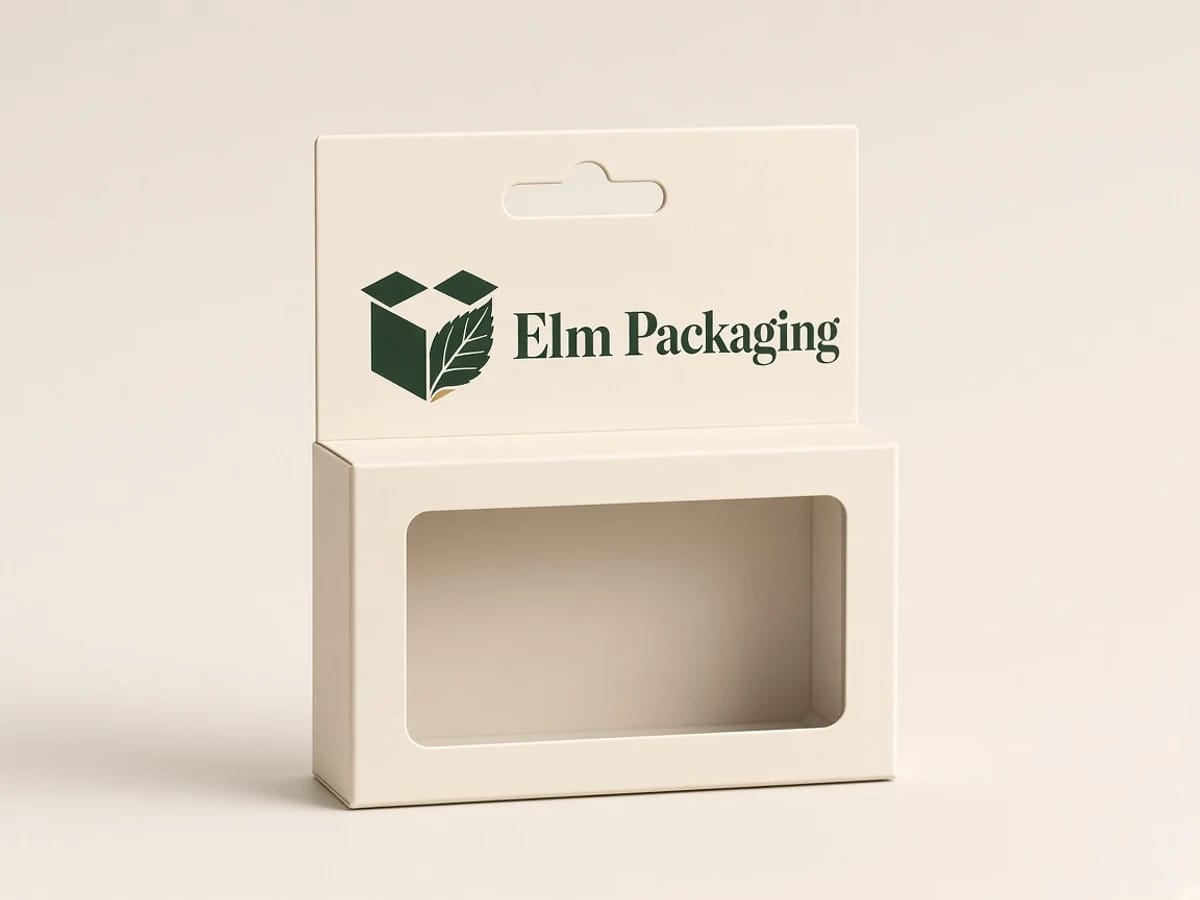
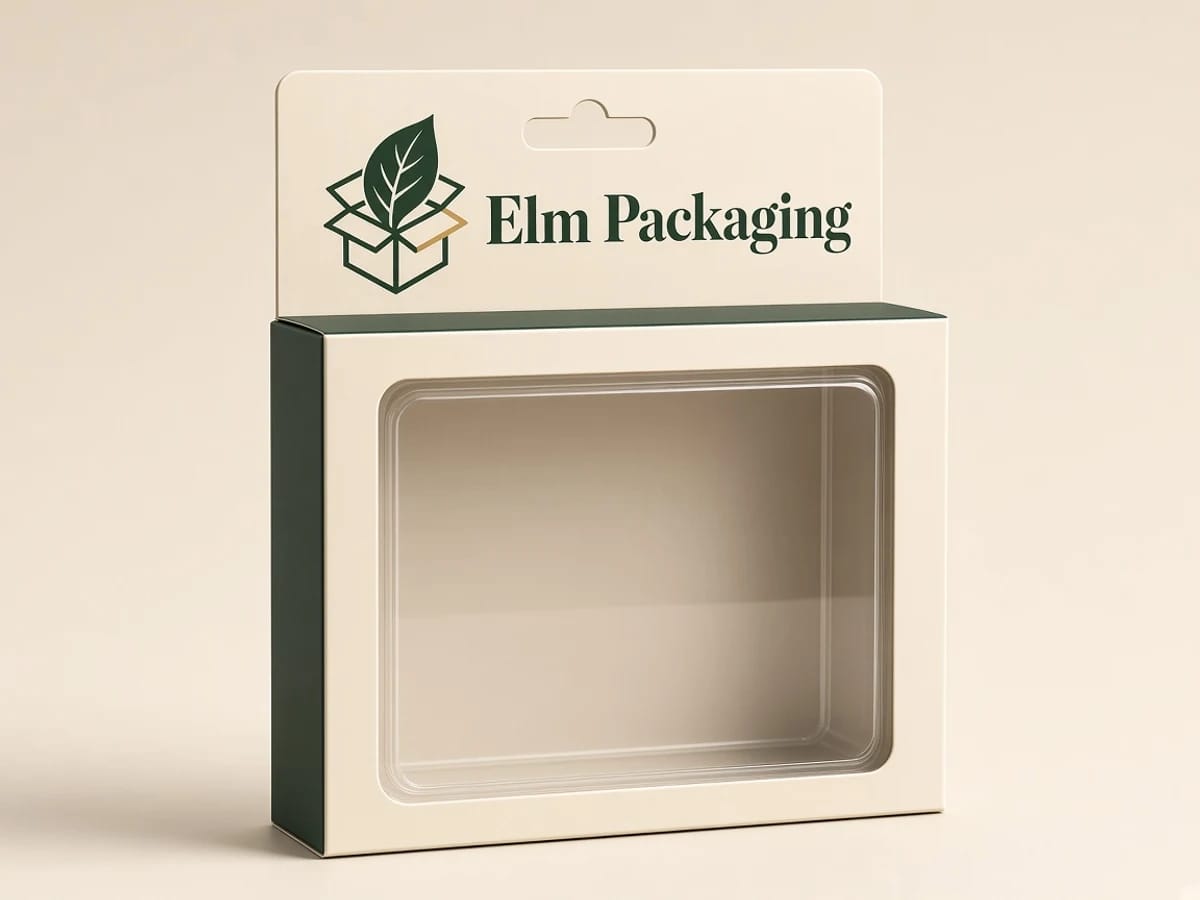
- Hang-tab cartons for pegged merchandise
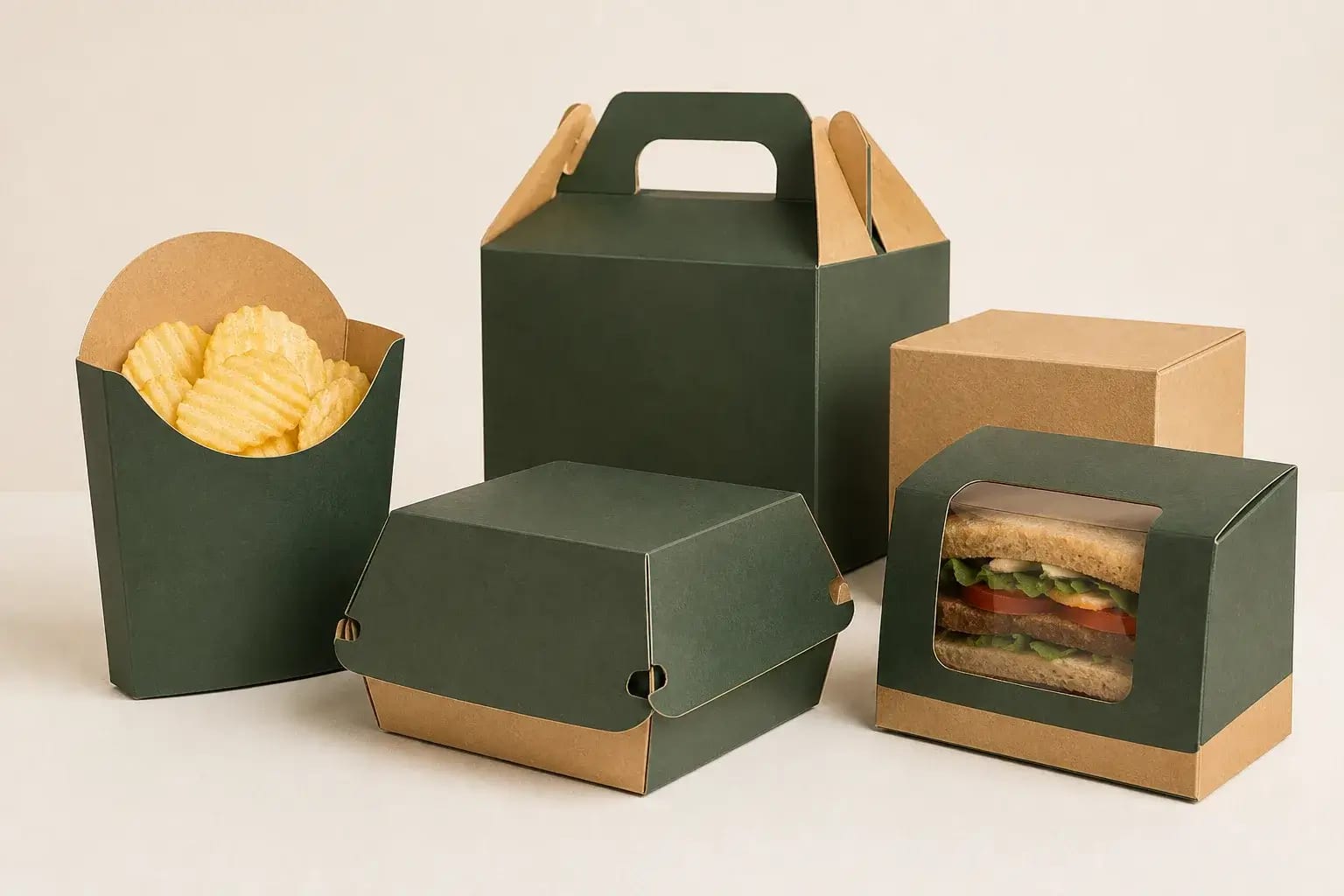
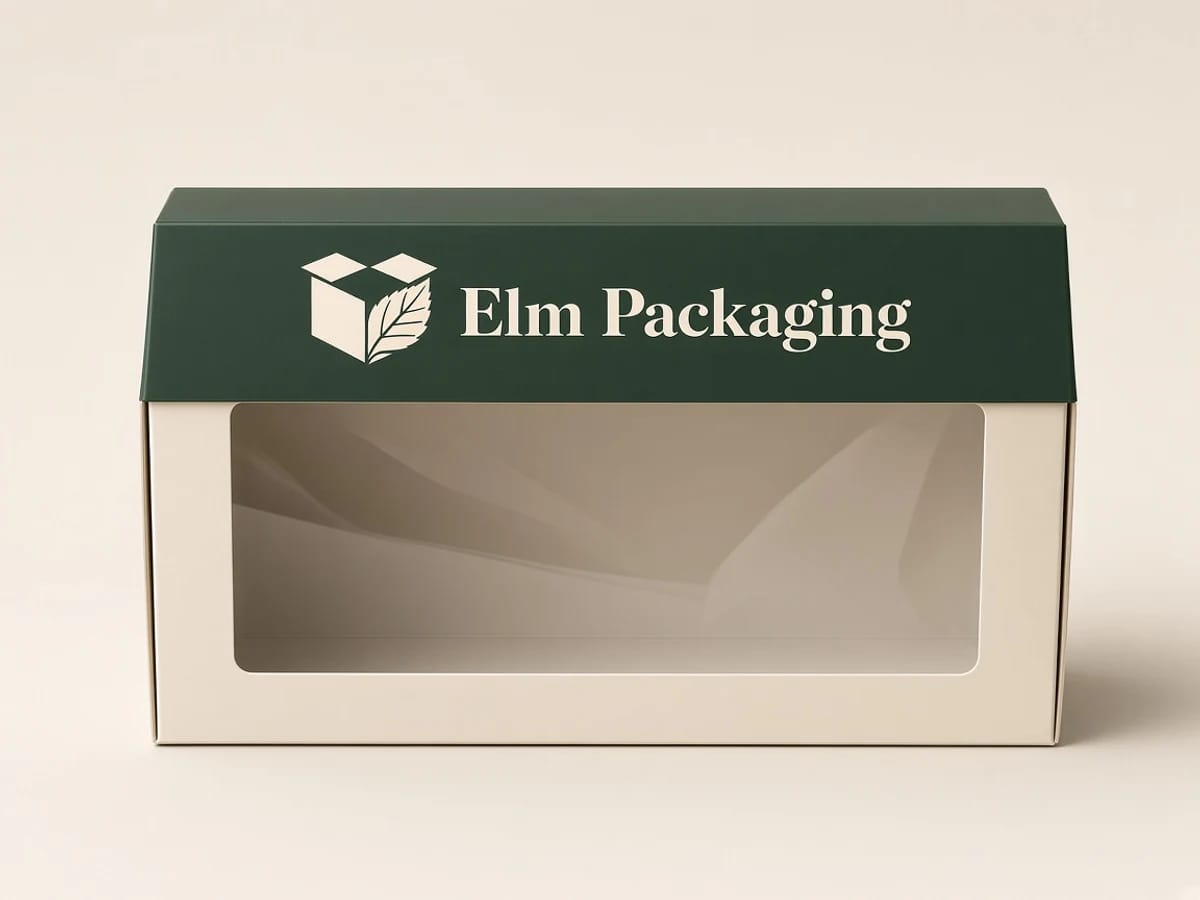
- Windowed packs when product visibility sells
- Display trays that hold multiple unit cartons
- Quiet barcode panels with reliable contrast
Hang tabs, barcodes, and stocking realities
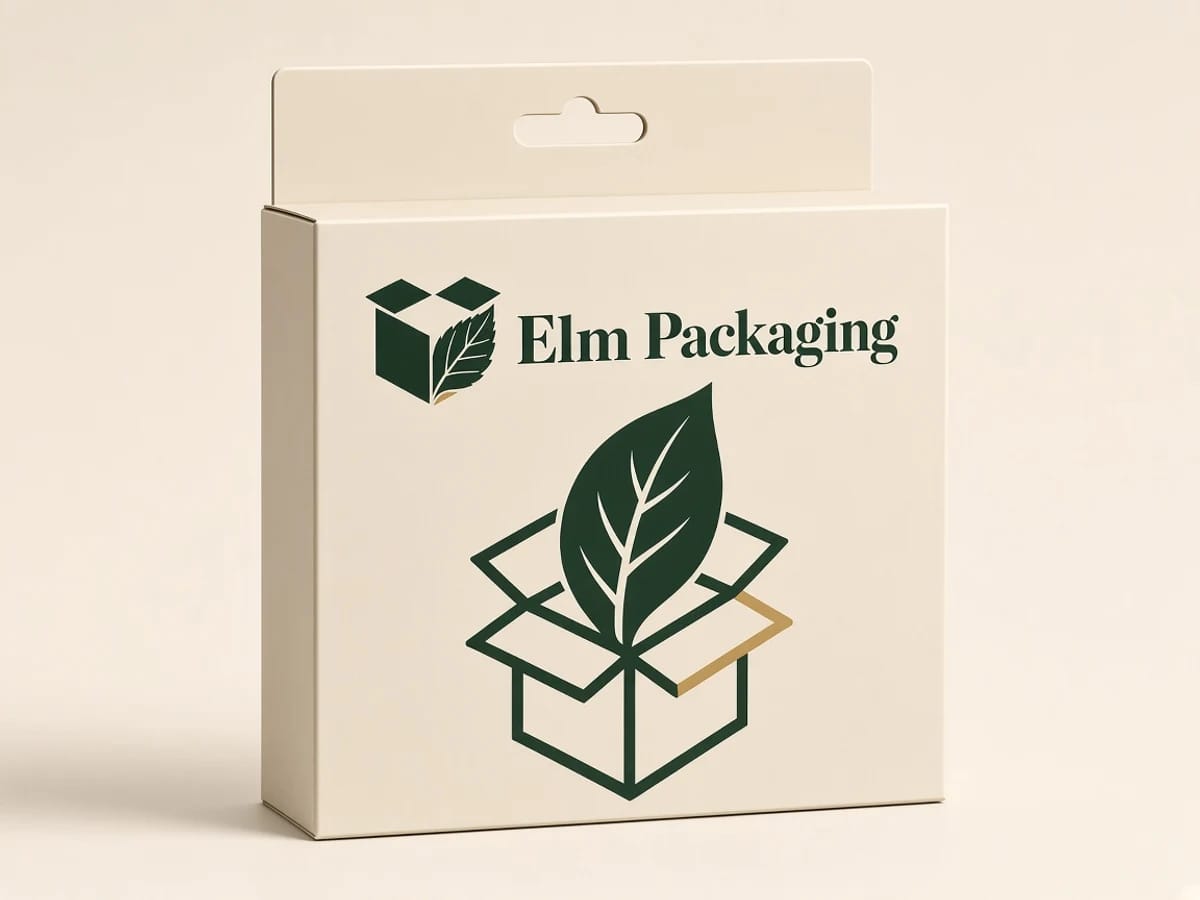
Hang tabs and euro slots must sit where board strength can take the product weight. Weak tabs tear on pegs and create messy facings that stockers hate restocking. Barcodes need quiet zones and contrast—soft-touch finishes (velvet-feel films) can reduce scan reliability if misapplied over codes.
Tell us peg vs shelf placement early so structure and print plan agree before proofs. A carton designed only for shelf can fail on a peg program, and the reverse is also true when hang features steal too much front panel.
Backroom handling is part of retail life. Cartons get stacked, dropped into totes, and reworked onto shelves. Board grade should respect that path, especially for heavier accessories or multipacks.
Shelf-ready trays
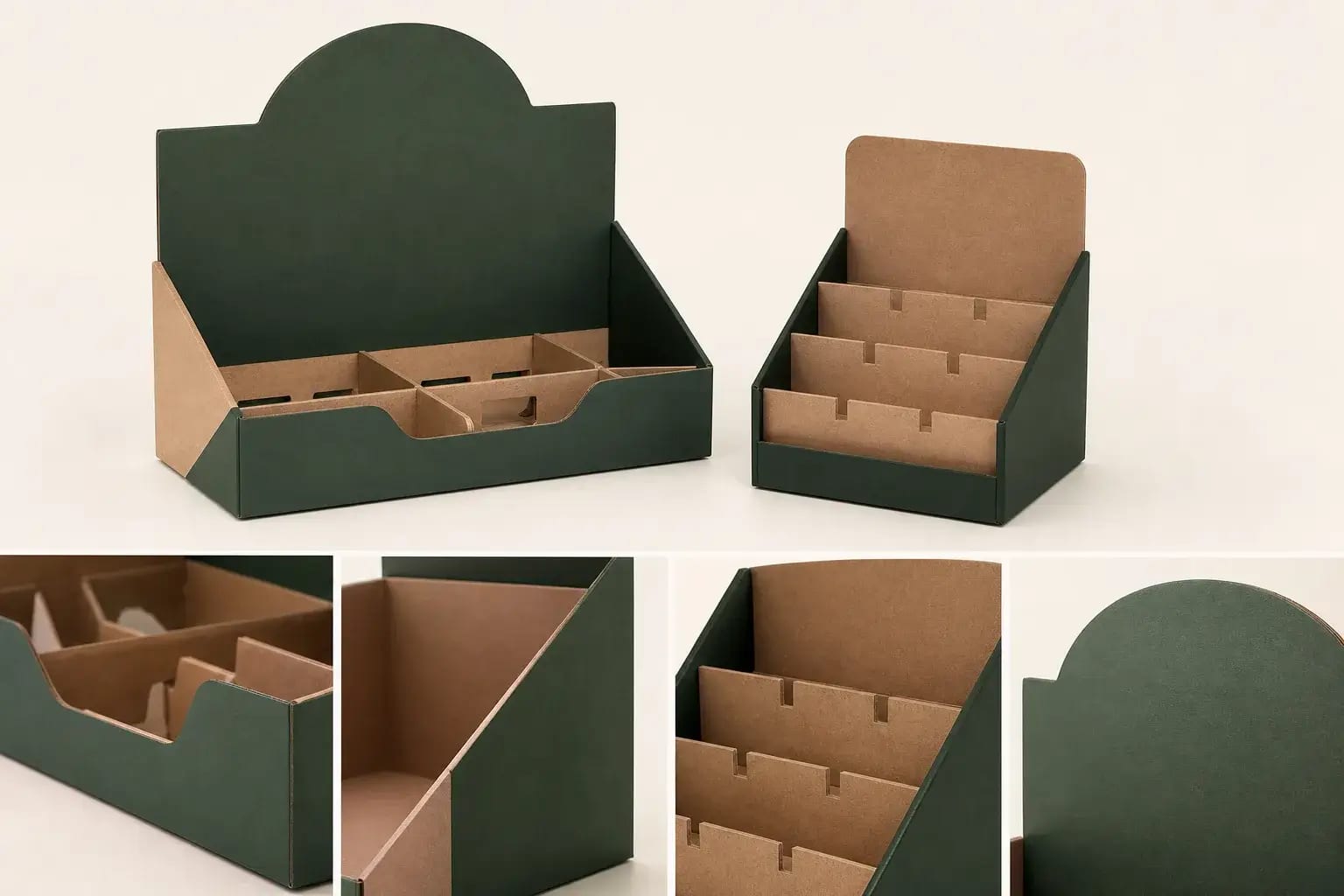
PDQ-style trays (shelf-ready display trays) help stockers place a facing of units quickly while keeping brand visible from the aisle. Quote trays with unit cartons so footprints and print systems align.
Board that survives restocking
SBS folding cartons print beautifully for most unit facings; corrugated adds crush resistance for heavier items, rough backroom handling, or tray systems that take repeated stocking abuse.
Matching retail cartons to channel rules
Specialty boutiques may allow more expressive shapes. Big-box and grocery often need predictable footprints and clear code placement. Design for the strictest channel you sell into, then adapt artwork—not structure—per retailer when possible. That keeps manufacturing simpler and reduces SKU chaos.
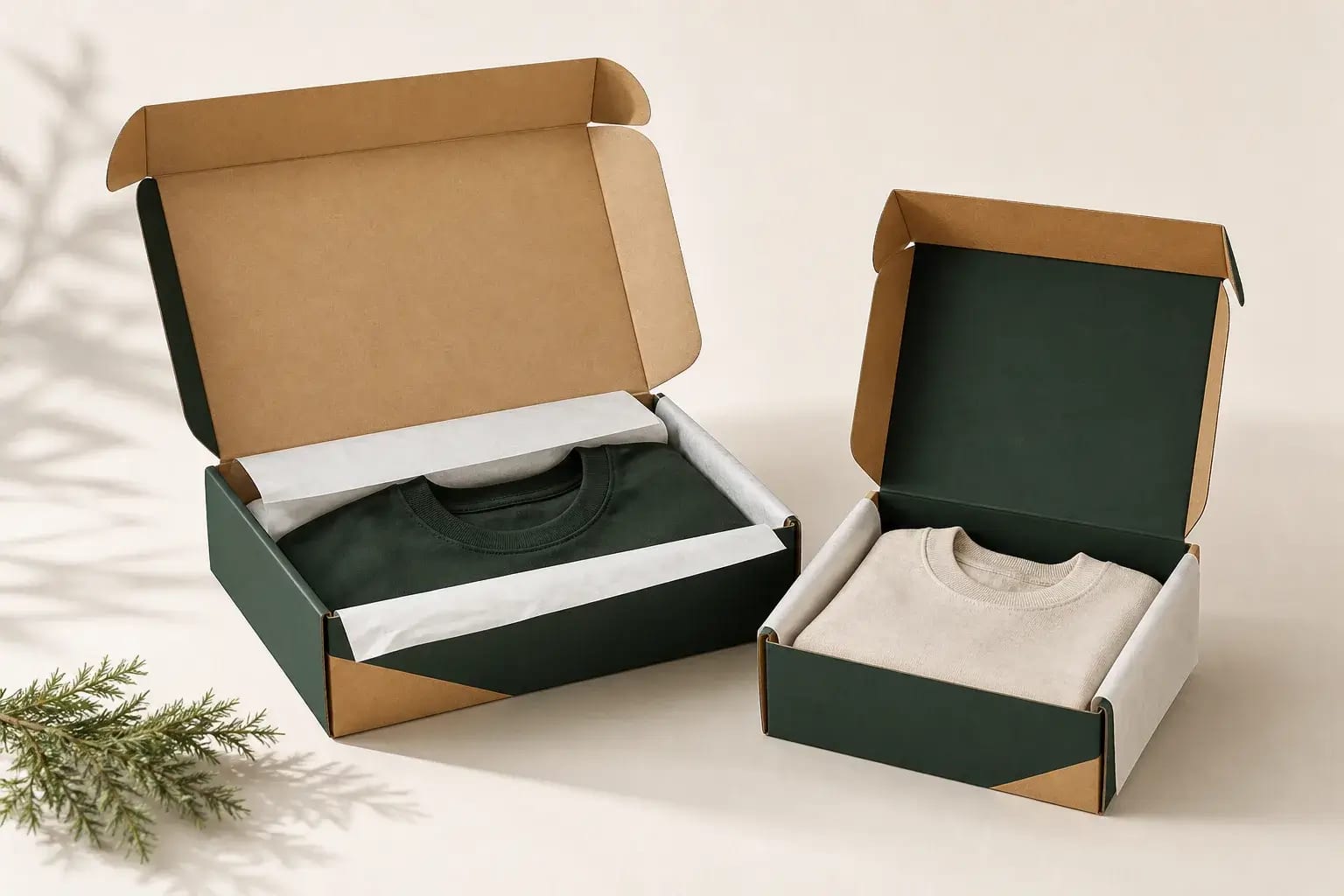
If you also sell DTC, plan a shipper strategy so the retail carton is not the only protection in the mail. Many brands succeed with a shelf-facing carton plus a protective mailer rather than forcing one pack to do both jobs poorly.
Print finishes that hold up under handling
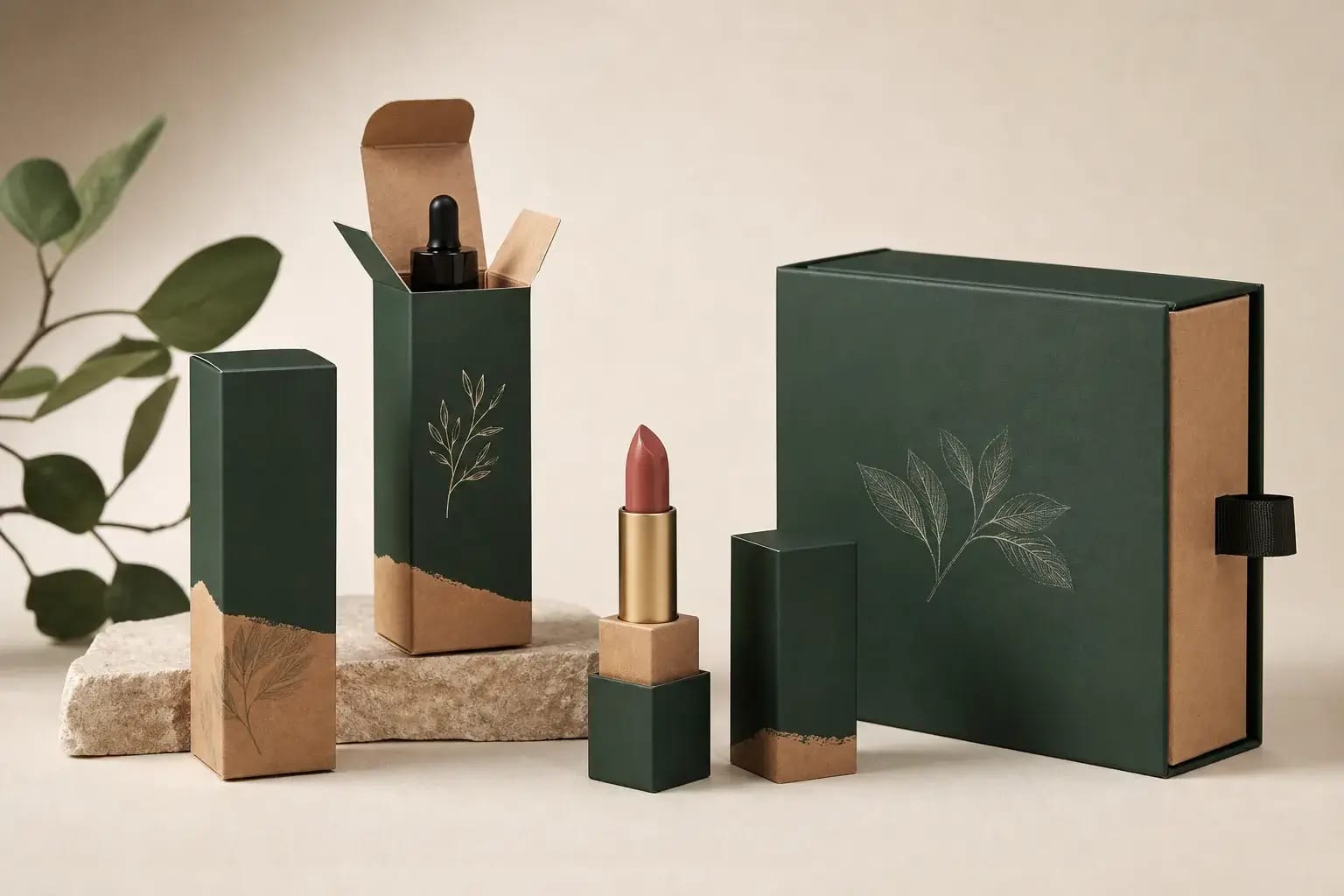
Matte reduces glare in photos and under LEDs; gloss pops color blocks; selective finishes can highlight a brand mark without coating the whole barcode panel. Soft-touch can feel premium on beauty and gift-adjacent retail packs but needs honest scuff planning for high-touch peg programs.
We flag when a finish choice fights scan contrast or scuffs too easily for your stocking environment. Bring photos of current packs if you already know where scuffing or scan failures happen.
How to quote custom retail packaging
Provide size, quantity, hang or shelf needs, barcode notes, display tray interest, and channel list. Attach artwork or request free dieline help so hang features and panels are planned before final art. Mention DTC shippers if retail packs also leave the store channel.
Elm Packaging confirms structure, sends proofs, then produces—typically about 7 days after approval. Hang tabs, windows, or trays can adjust timing, and we confirm that on your quote. Begin at /get-a-quote with enough retail context that facings and operations are both covered.
Material options
SBS retail folding cartons
Bright white board for vivid shelf graphics and clean barcode panels on unit facings.
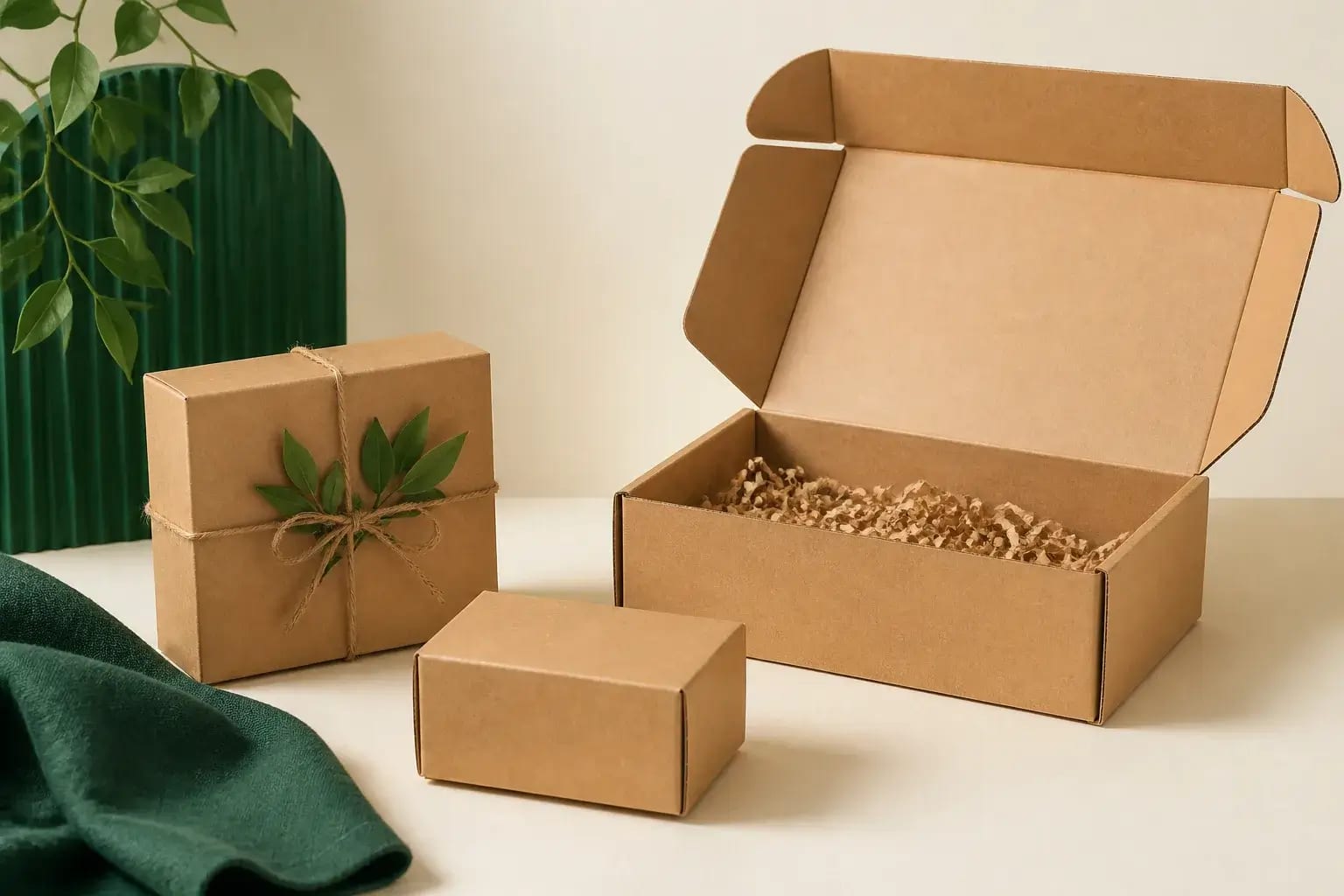
Kraft retail cartons
Natural kraft look for brands that want paper-first shelf presence without losing print clarity.
Corrugated retail and tray packs
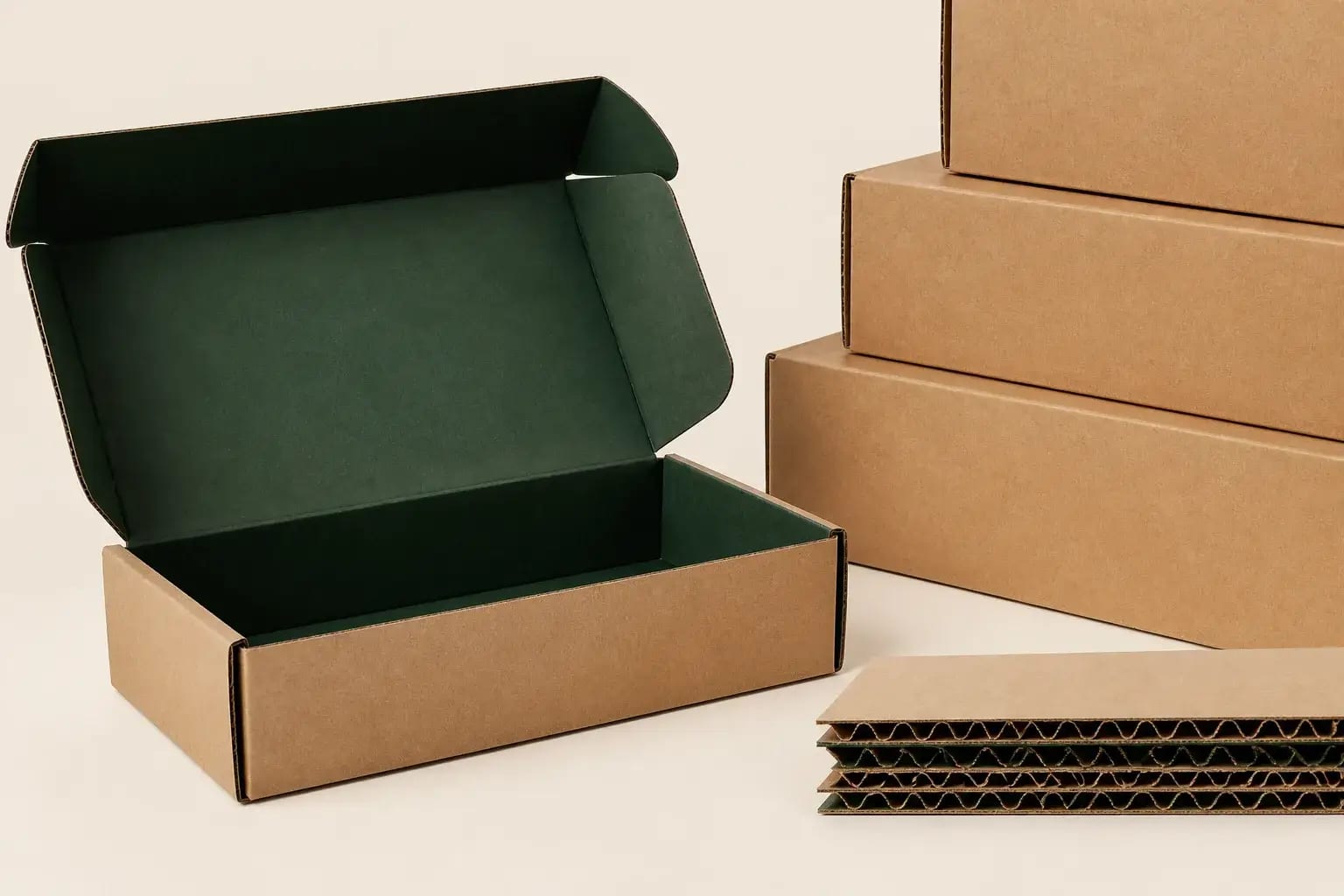
Fluted strength for heavier products and shelf-ready trays that take stocking abuse.
Customization options
- Hang tabs and peg-ready features
- Barcode and required-mark panel planning
- Windows and display trays for aisle presence
- Matte, gloss, or soft-touch finishes with scan-aware layouts
- Coordinated unit cartons and PDQ-style trays
Best suited for
- Grocery and specialty retail unit facings
- Pegged merchandise with hang-tab cartons
- Beauty and personal care shelf cartons
- Shelf-ready trays holding multiple product boxes
FAQ
What is the minimum order for custom retail boxes?
Most retail carton projects start around 100 units. Share dimensions and quantity so we can confirm a practical run.
How long does production take after proof approval?
Production commonly takes about 7 days after proof approval. Rush 3–4 days may be available—note timing on your quote. Hang tabs, windows, or trays can adjust timing—we confirm on your quote.
Can retail boxes include hang tabs?
Yes. Hang tabs and related peg features are common. We place them where board strength can support the product weight.
Can you plan barcode and quiet-zone space?
Yes. We reserve contrast-friendly panels for barcodes and other codes you need to print.
Do you make display trays for unit cartons?
Yes. Shelf-ready trays that hold multiple units are a frequent companion to retail cartons. Ask for both in one quote.
Do you offer free dieline help?
Yes. Free dieline help clarifies panels, hang features, and folds before artwork is locked.
How do I start a retail boxes quote?
Go to /get-a-quote with size, quantity, channel notes, and artwork direction. We follow up with specs and proofs.