Description
Custom toy boxes sell the open before the open. Windows, character art, and clear product identification help parents and kids decide on shelf. Inside, inserts must keep figures and parts from migrating into a jumbled mess that creates missing-piece support headaches. Elm Packaging builds toy packaging around both jobs—facing and protection—so retail presence and transit survival are planned as one system.
Indie toy makers and established lines often need a retail carton plus a shipper strategy for ecommerce. Windows and thin cartons take courier damage first if they ship unprotected. Typical minimums start around 100 units, with production often about 7 days after proof approval—so parts maps and art should land before campaign week, not during it.
Bring product dimensions, parts count, window preferences, and channel mix. Free dieline help maps trays and openings so cavities match real parts lists. Start at /get-a-quote with sizes, quantity, and artwork direction. You are responsible for required labeling content; we print what you approve and help place it cleanly on panels that stay readable after stocking.
Show the toy—then lock the parts
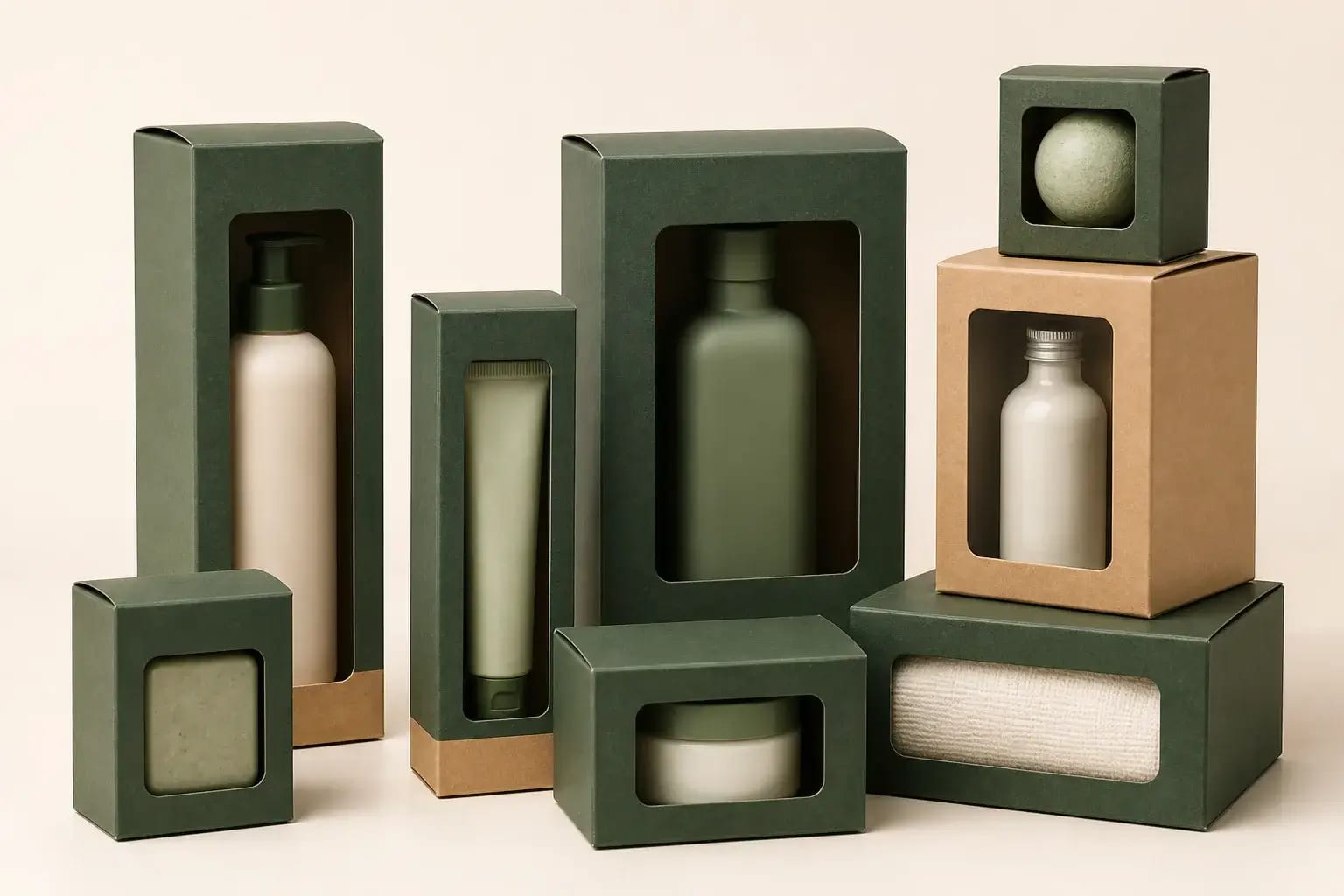
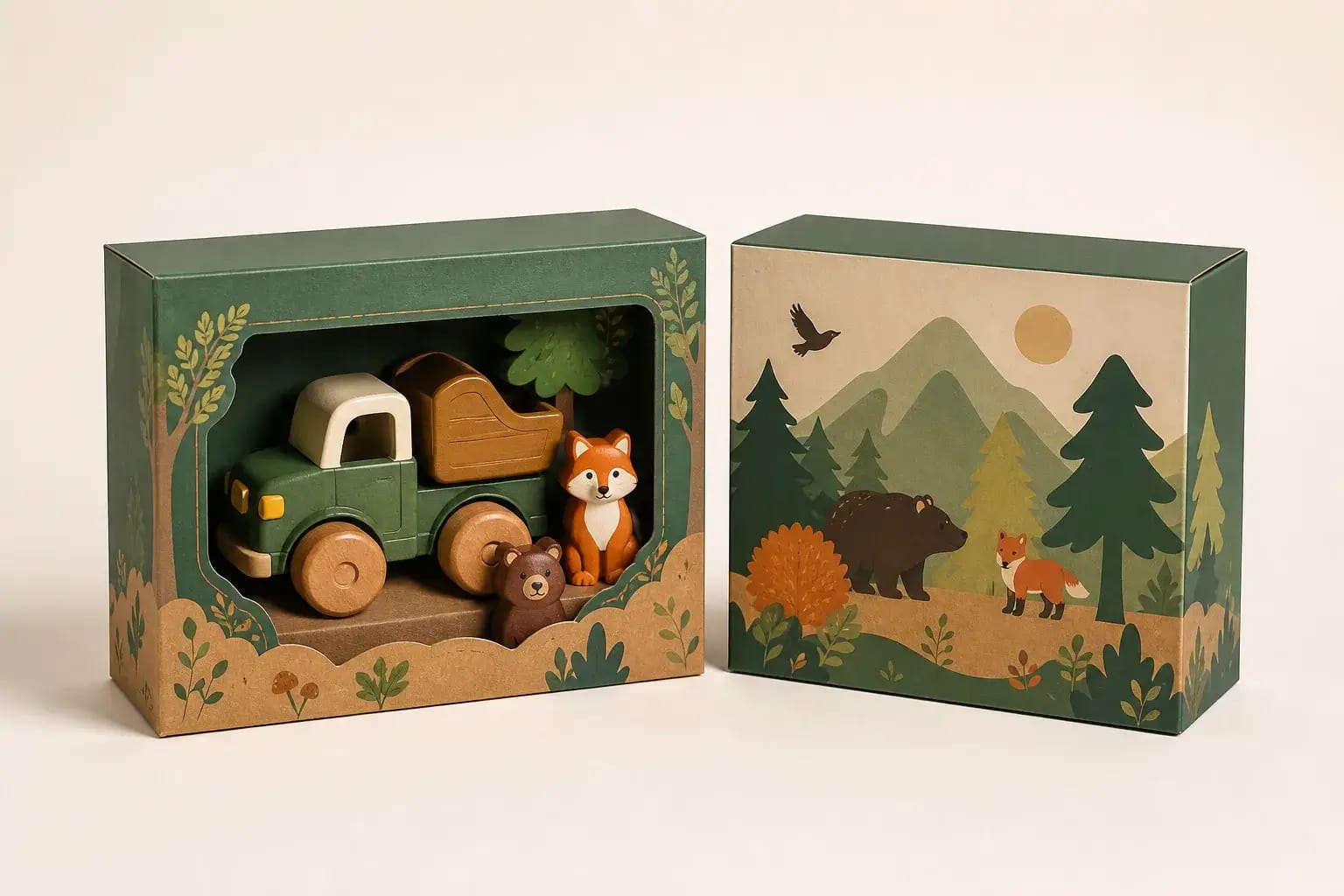
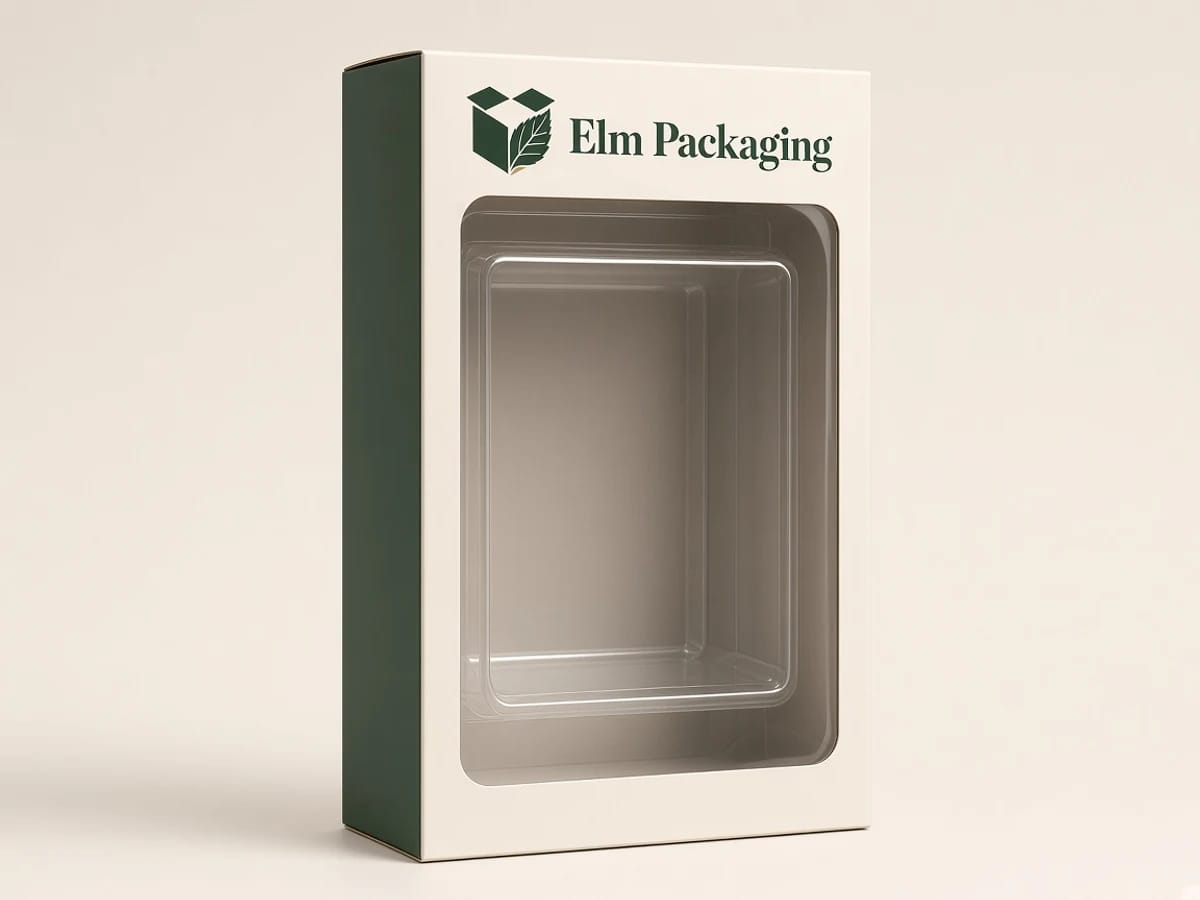
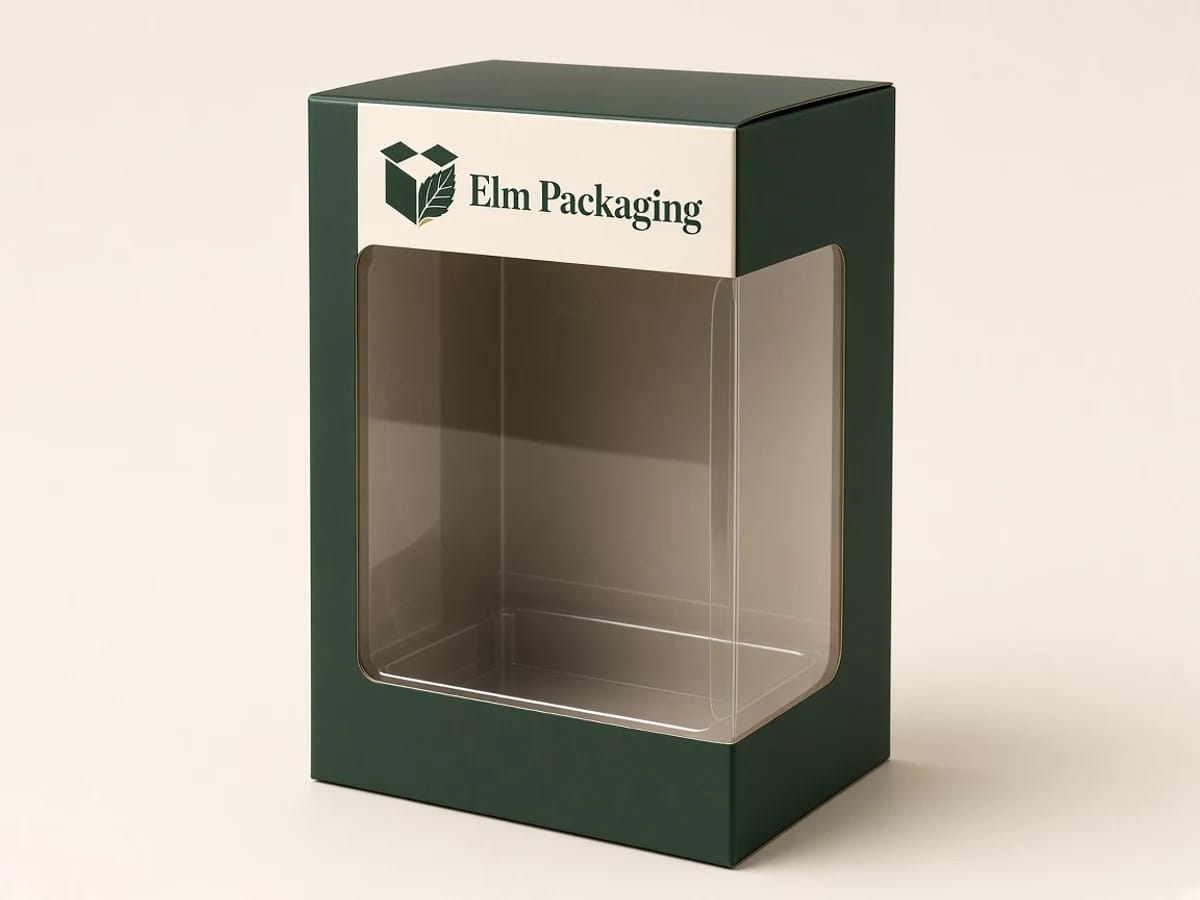
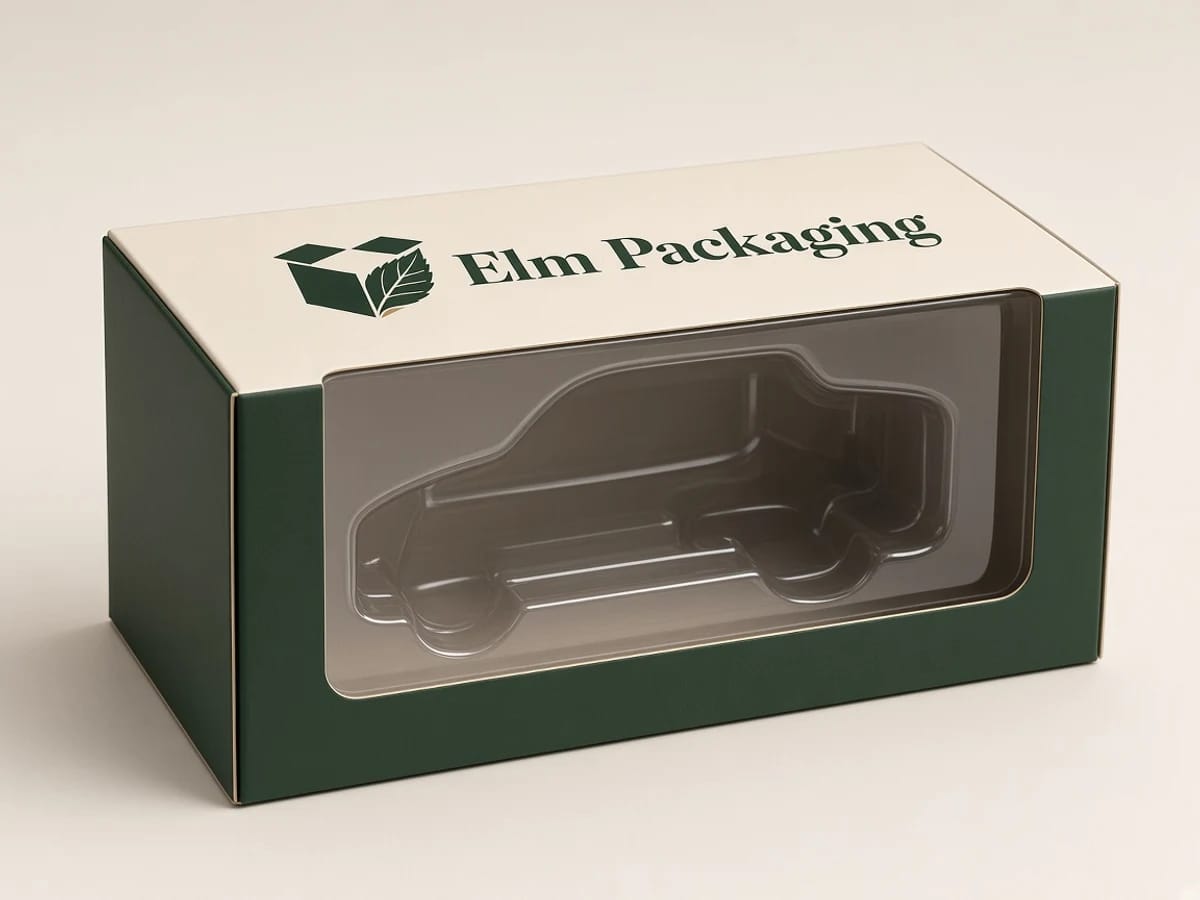
A window patch lets figures and play features show through when visibility drives conversion. Pair windows with inserts so the product does not sag away from the opening in transit. A beautiful window with a collapsed nest still fails the shelf and the unboxing.
For playsets with many pieces, partitioned trays matter more than exterior gloss. Missing parts create support tickets and returns that packaging can prevent. Count parts as packed—including bags of accessories—and design cavities with a little tolerance so packing teams can load quickly without forcing pieces.
Collector lines may prioritize premium finishes and quieter exteriors; mass retail may prioritize louder character art and hang features. Tell us which world you sell into so hierarchy and structure advice match.
- Windowed figure and plush retail cartons
- Playset boxes with partitioned inserts
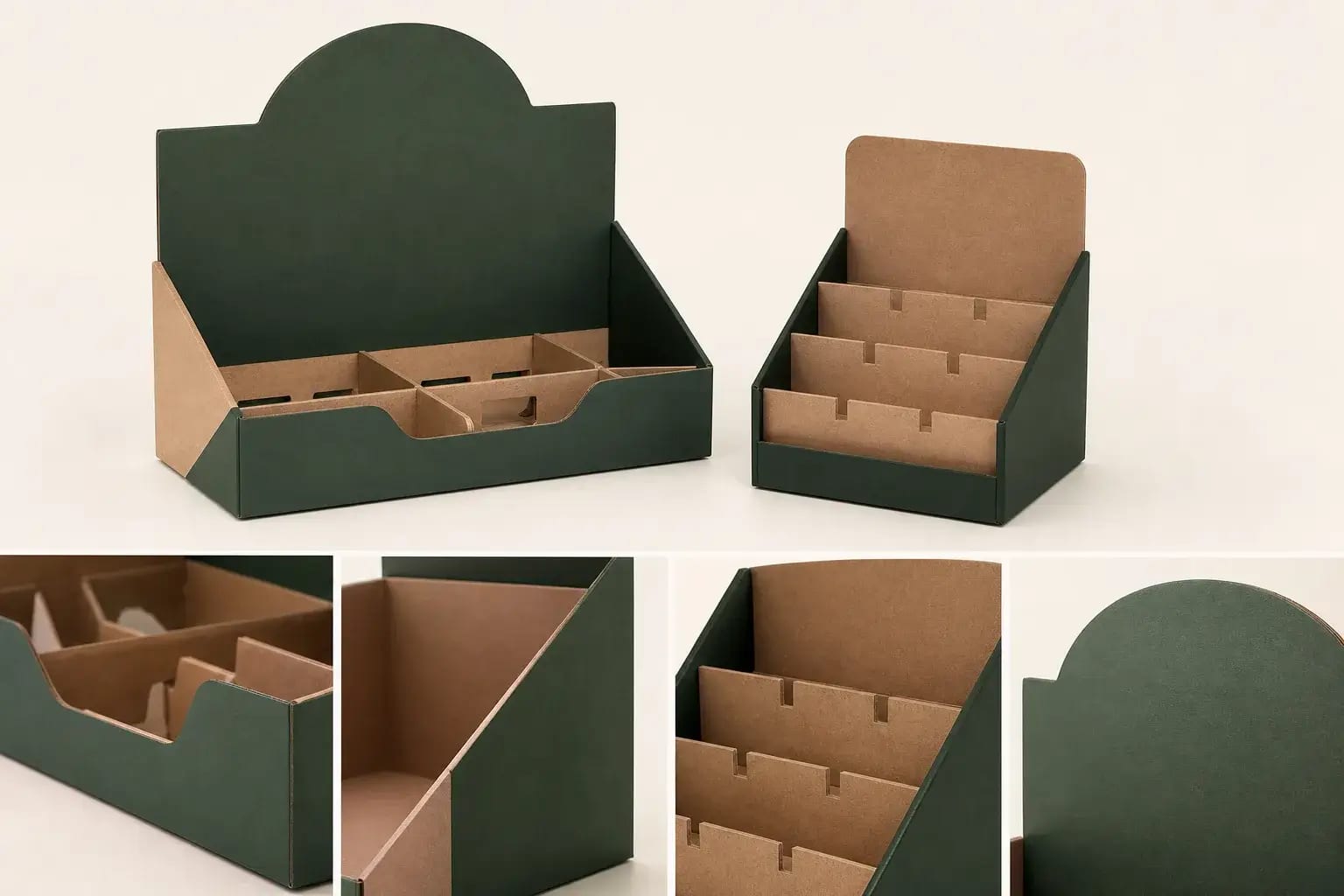
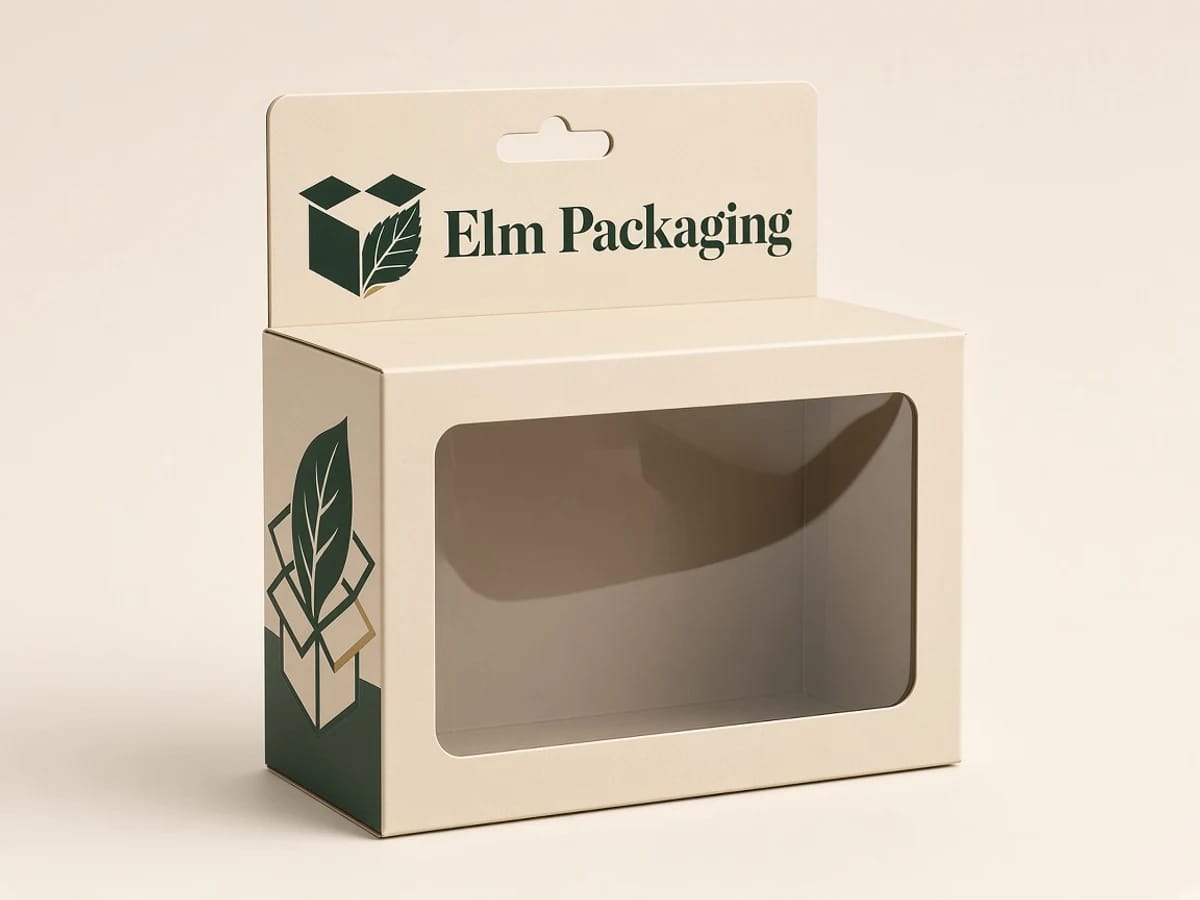
- Hang-tab packs for pegged toy accessories
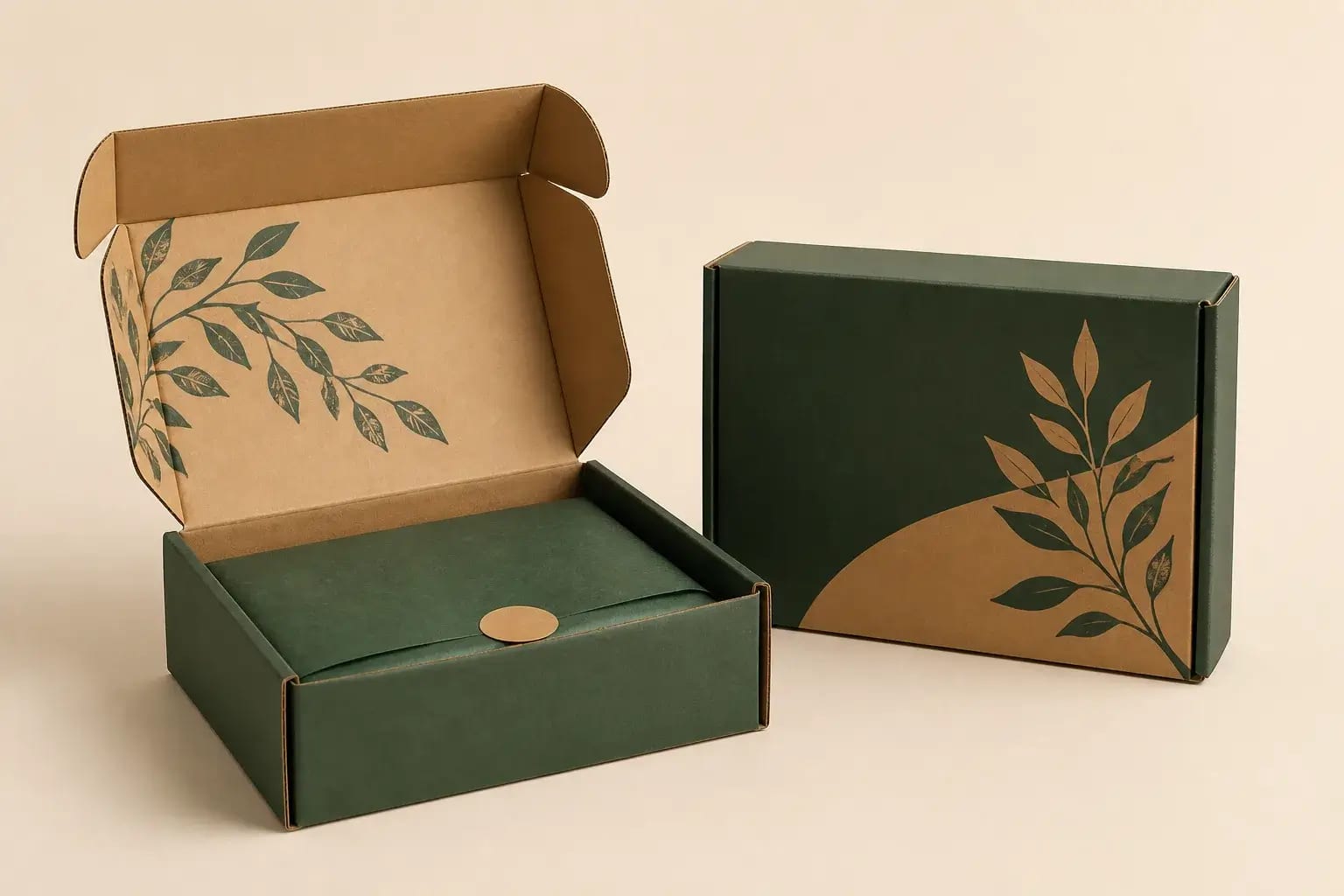
- Mailer outers for DTC toy orders
- Collector packs with controlled opens and stronger nests
Inserts sized to real parts lists
Paperboard trays are common for lighter sets; corrugated nests help heavier playsets. Free dieline help turns your parts map into cut templates before artwork is locked so print and cavities agree.
Avoid designing inserts from marketing renders alone. Physical parts have sprue leftovers, bags, and instructions that change packed volume. Measure the packed kit the way factory or warehouse staff will actually assemble it.
If you refresh playsets with add-on packs, consider shared tray footprints so accessories can nest in related structures without new tooling every wave.
Retail shelf cartons
Front-facing art hierarchy with space for required marks you provide—keep critical codes high-contrast and uncluttered. Age-grade and warning content should remain readable, not buried in character noise.
Ship-ready systems
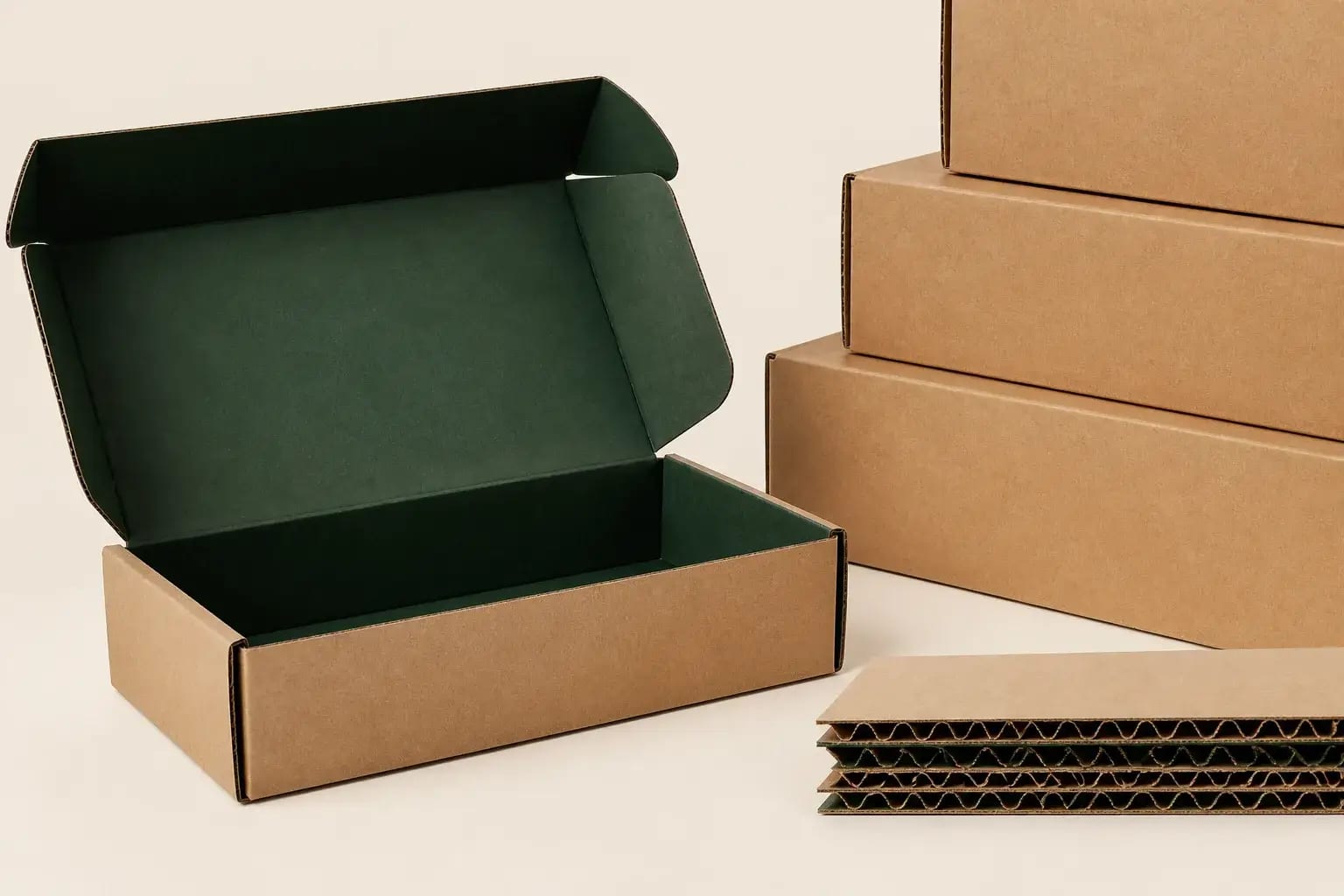
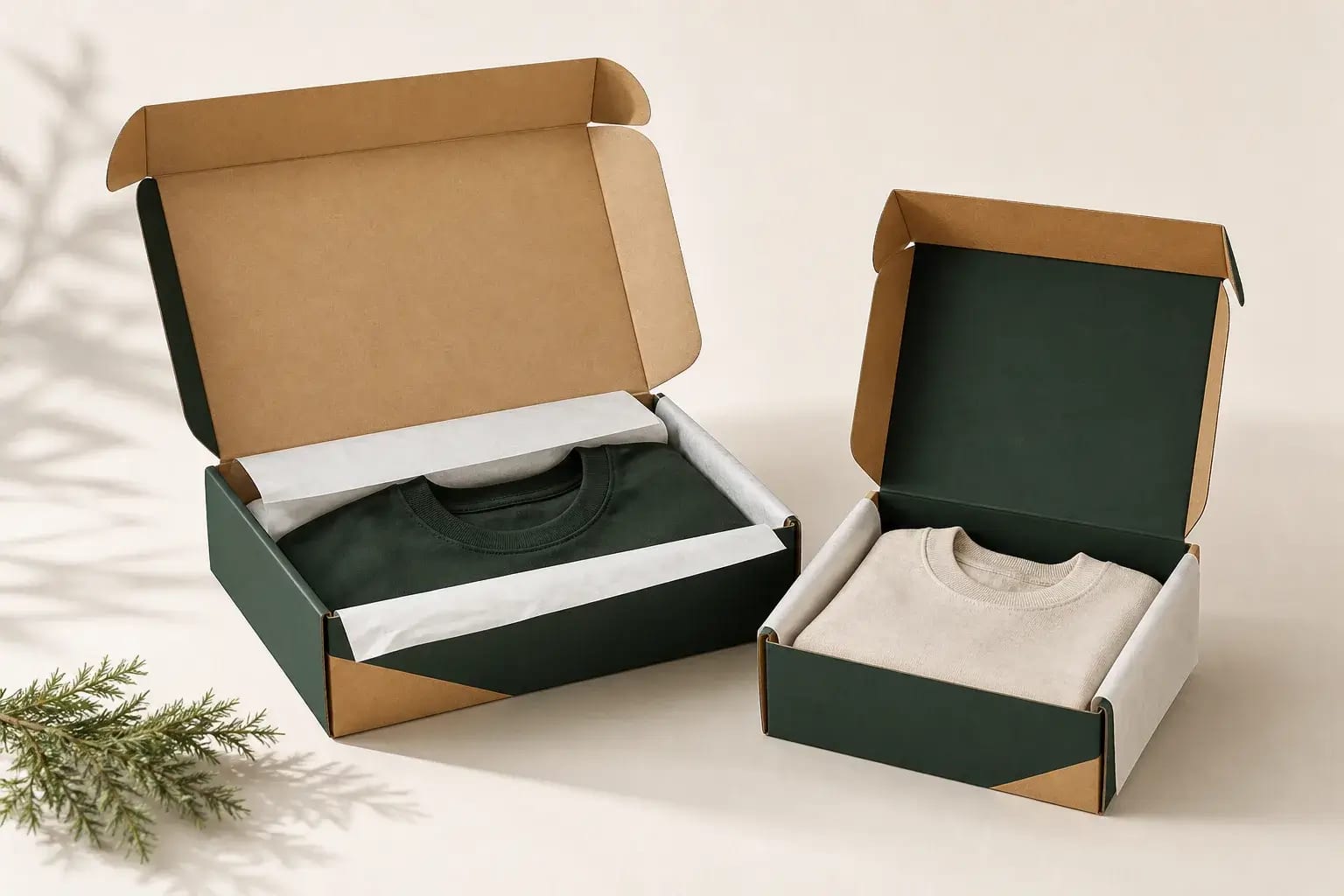
A presentation carton plus corrugated mailer protects windows and corners better than using the retail pack alone as a shipper. DTC volume makes this split especially valuable.
Board and finish choices for kid-adjacent packs
SBS board (solid bleached sulfate—a bright white paperboard) prints bright character art for retail facings. Corrugated adds strength for larger sets and shippers; flute grade (the wavy inner layer that resists crush) should match the heaviest honest load in the kit. Soft-touch finishes can feel premium on collector lines but may need care around barcodes and windows.
Avoid finishes that scuff easily if packs will be handled heavily on retail pegs or in warehouse bins. Peg programs also need hang features with enough board strength for product weight, or facings tear and restocking slows.
Ecommerce toy shipping without crushed windows
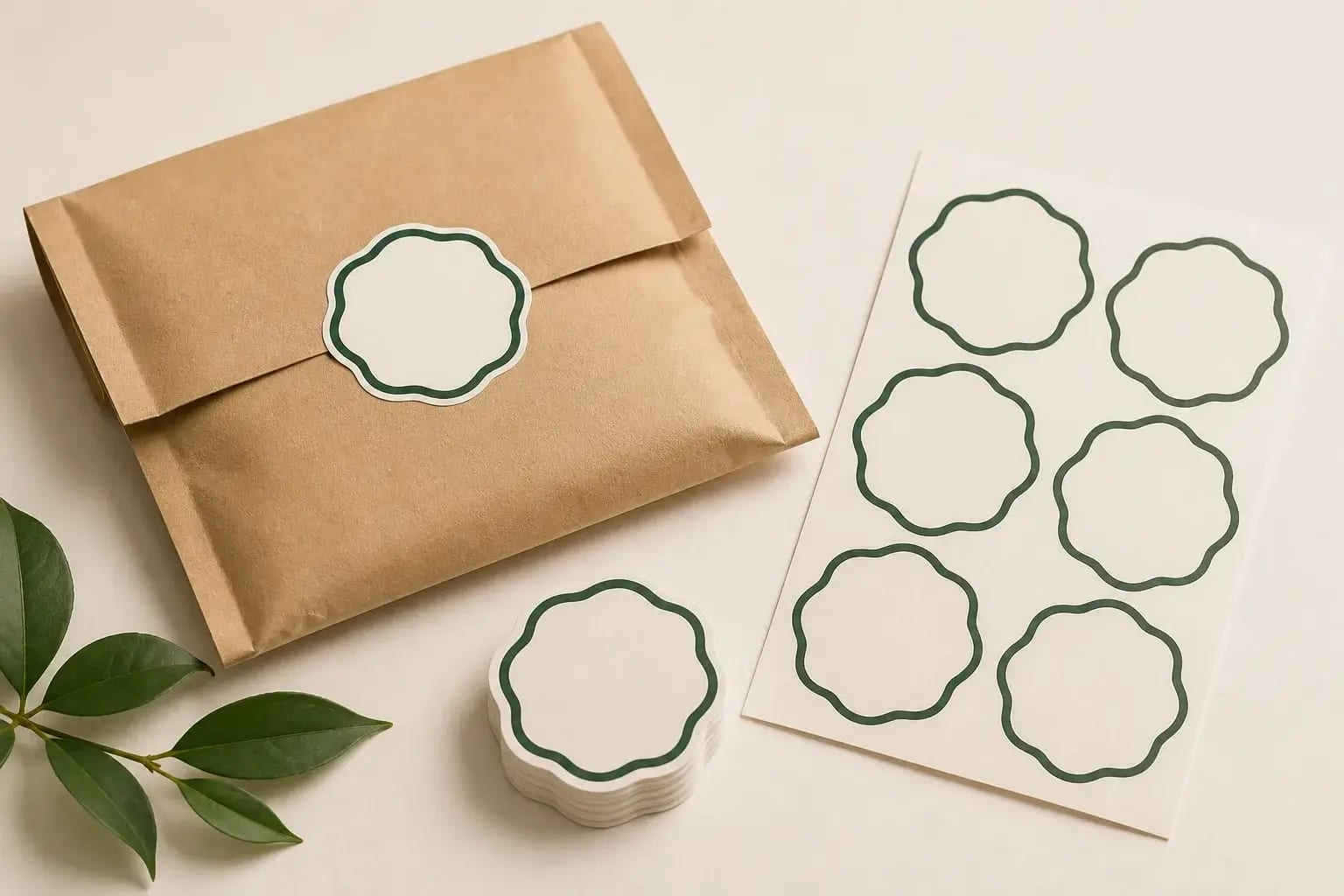
Windows and thin cartons take courier damage first. Plan outer protection when DTC volume matters. Matching stickers can brand a kraft mailer while the retail carton stays pristine inside—useful when you want shelf presence and ship survival without forcing one structure to do both.
Share average order profiles—single SKU vs multi-toy bundles—so structure recommendations fit reality. Bundles need different nests and outer strength than single-figure packs.
Quoting toy packaging with Elm Packaging
Include product size, parts count, window needs, quantity, and channel. Attach artwork or request free dieline help for trays and outers. Note hang-tab needs and any collector vs mass-retail differences across SKUs.
We confirm structure, send proofs, then produce—typically about 7 days after approval. Windows and complex inserts may adjust timing, and we confirm that on your quote. Start at /get-a-quote with a parts list if full art is still in progress.
Material options
Windowed retail toy cartons
Printed folding cartons with clear windows for figures and display-led toy SKUs.
Playset inserts and trays
Partitioned nests that hold parts and figures still from factory pack-out to living room open.
Corrugated toy mailers
Protective outers that shield retail cartons and windows during courier shipping.
Customization options
- Windows, hang tabs, and retail-facing print panels
- Custom partitioned inserts for parts and figures
- Bright CMYK character and brand graphics
- Collector finishes including soft-touch where appropriate
- Matching mailers and seal stickers for DTC orders
Best suited for
- Windowed figure and character retail cartons
- Playset packaging with partitioned parts trays
- Pegged toy accessory packs with hang tabs
- Ecommerce toy shipments with retail carton plus mailer
FAQ
What is the MOQ for custom toy boxes?
Most toy packaging projects start around 100 units. Share sizes and parts complexity so we can confirm a practical run.
How long after proof approval does production take?
Production commonly takes about 7 days after proof approval. Rush 3–4 days may be available—note timing on your quote. Windows and complex inserts may adjust timing—we confirm on your quote.
Can toy boxes include clear windows?
Yes. Window patches are common for figures and display-driven toys. We place openings so the carton still holds structure.
Can you build inserts for playset parts?
Yes. Partitioned paperboard or corrugated trays keep parts organized. Free dieline help maps cavities to your parts list.
Should retail toy boxes ship inside a mailer?
Often yes for ecommerce, especially with windows. A protective mailer reduces crush and scuff. We can quote both together.
Do you offer free dieline help?
Yes. Free dieline help is available for outers, windows, and inserts before artwork is locked.
How do I start a toy boxes quote?
Use /get-a-quote with dimensions, parts notes, quantity, and artwork direction. We follow up with specs and a proof path.