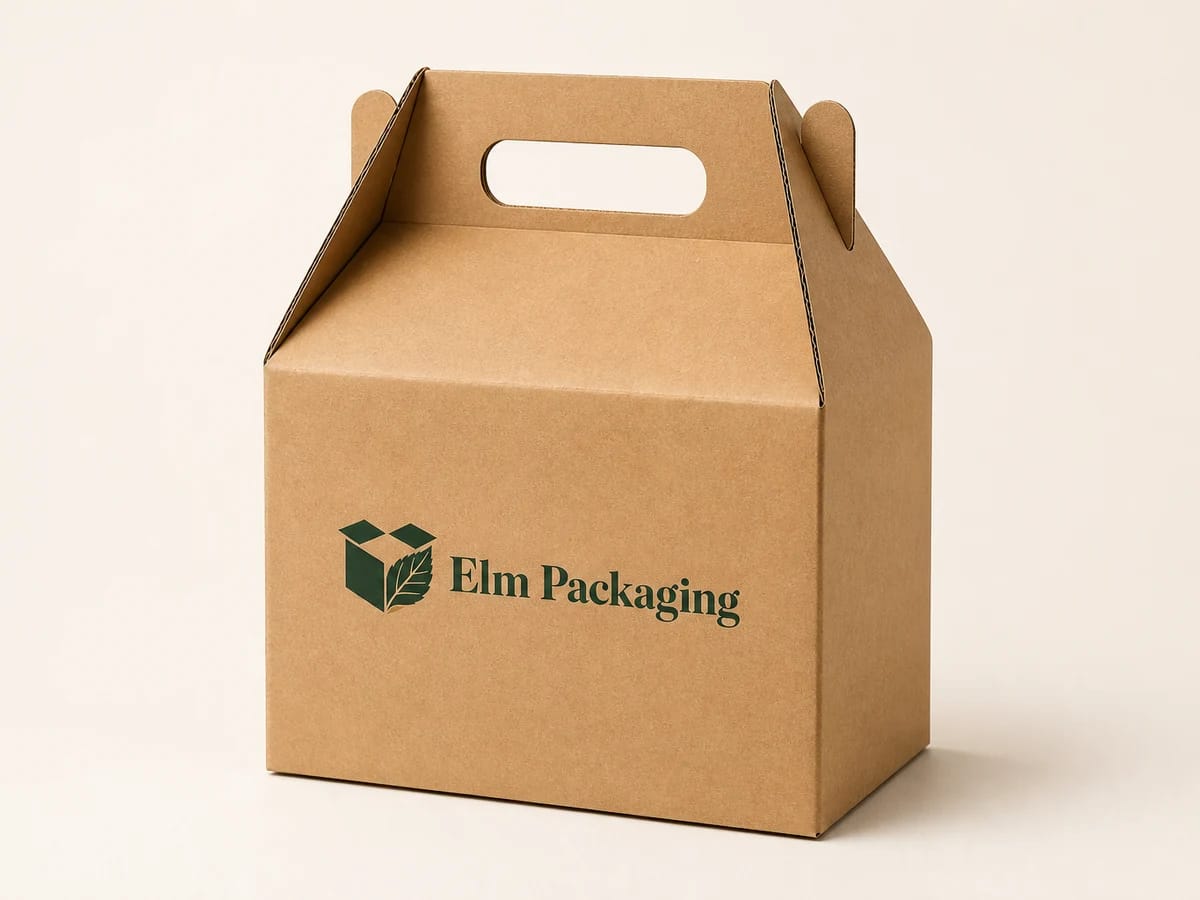
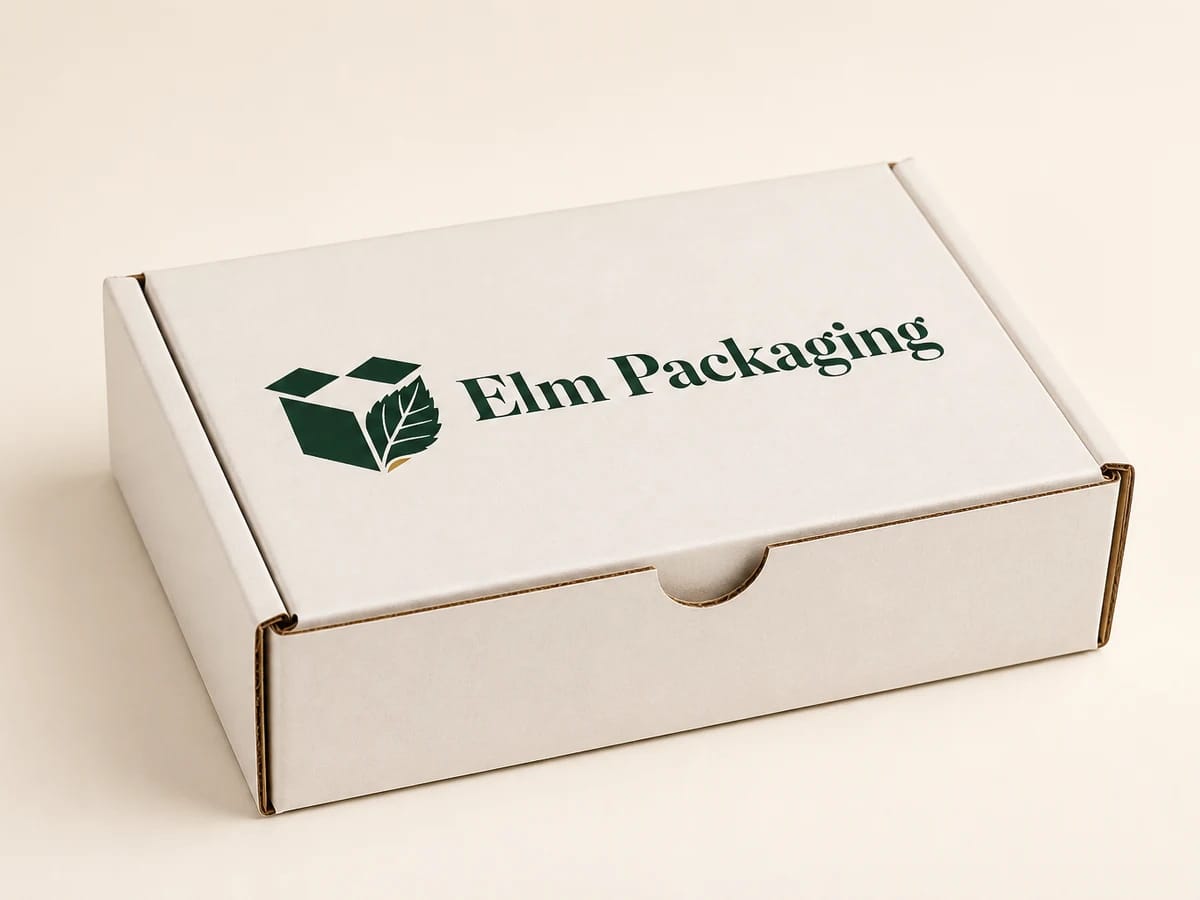
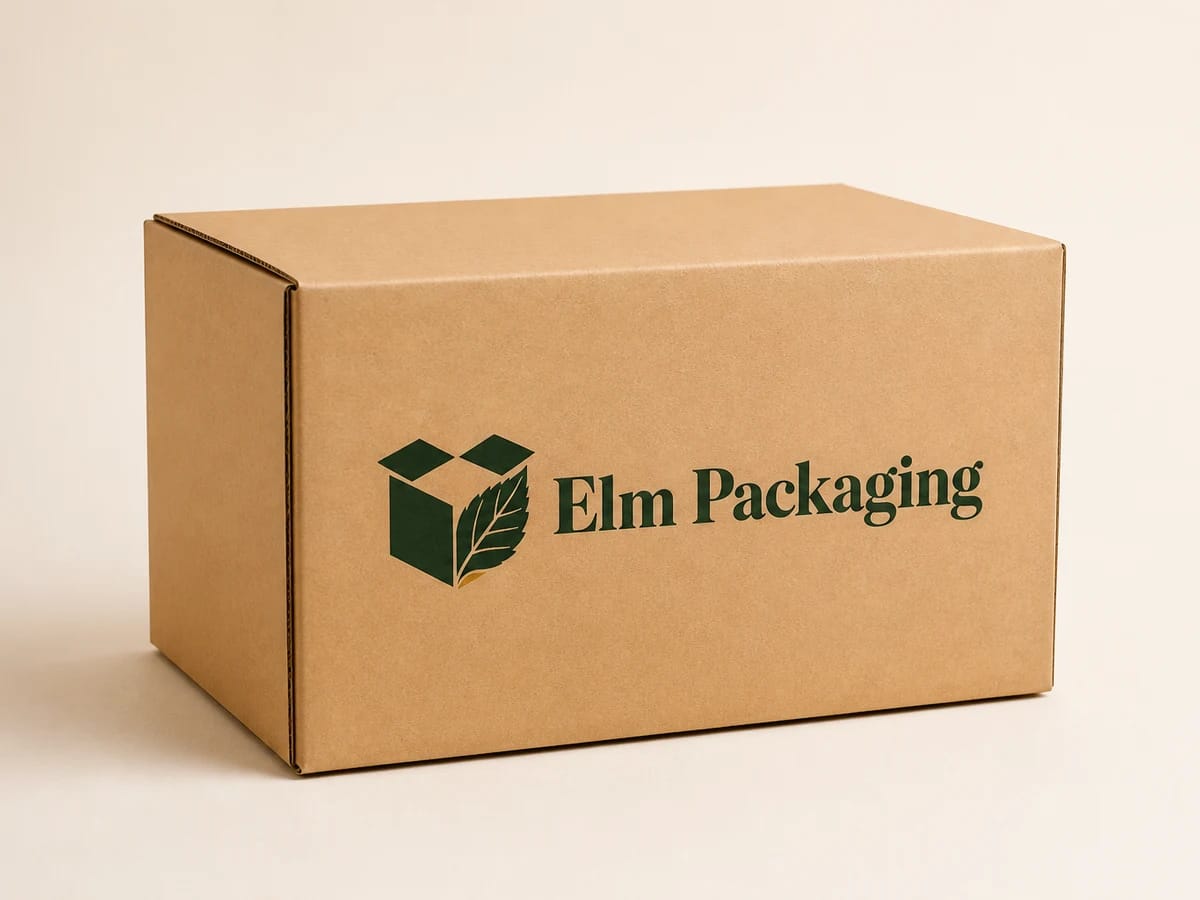
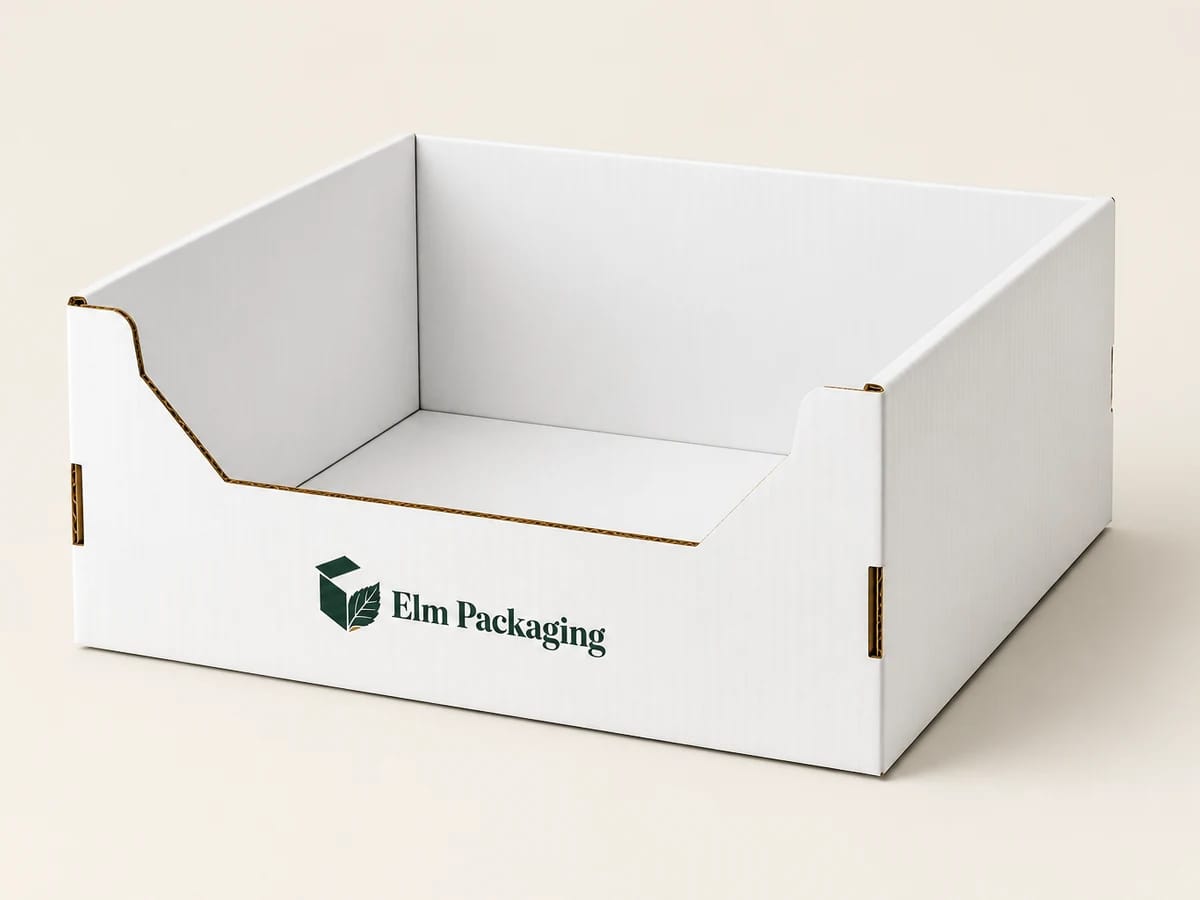
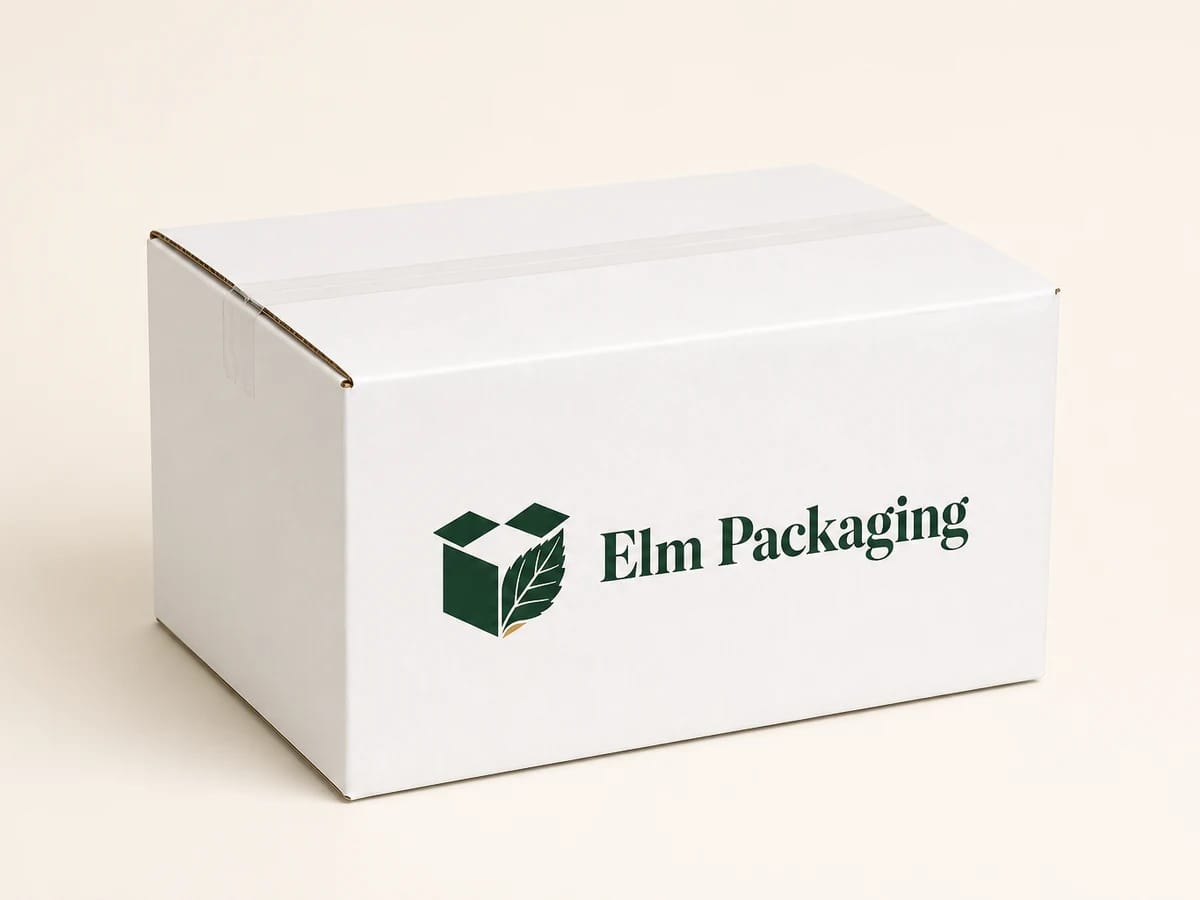
Description
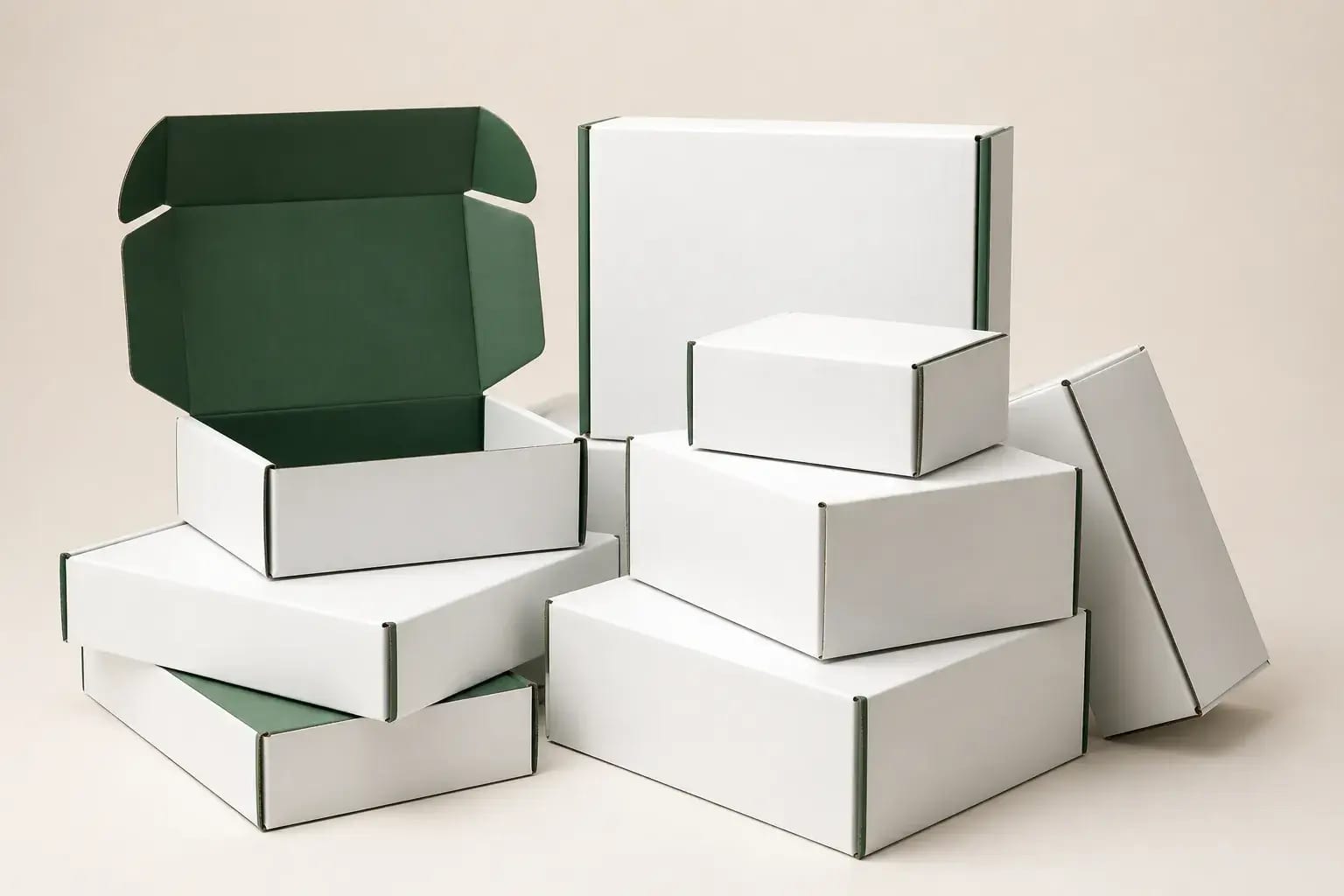
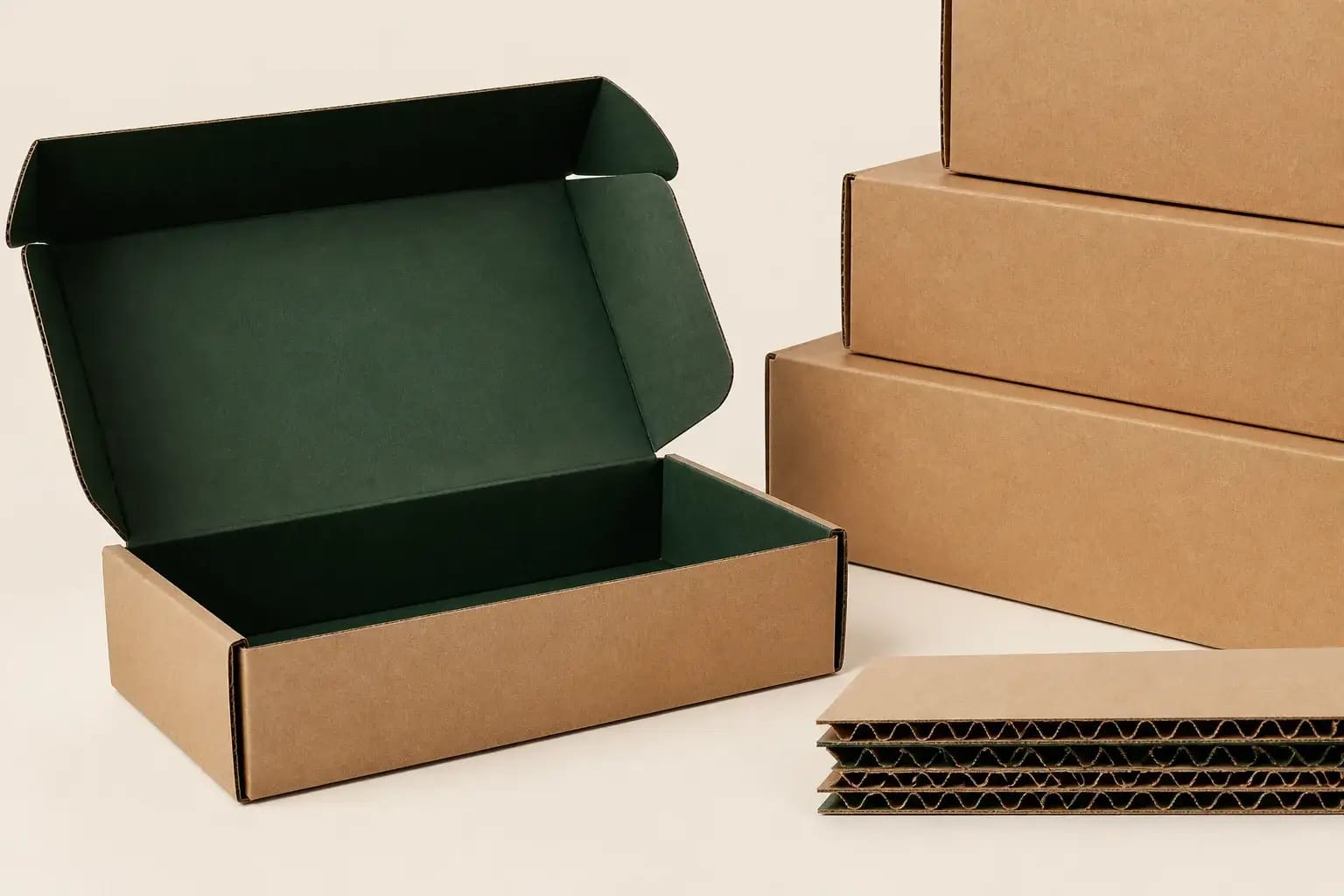
Custom corrugated boxes use linerboards bonded to a fluted middle—the wavy layer that adds cushioning and stacking strength. When folding carton board is not enough for parcel life, corrugated packaging is the workhorse material for mailers and shippers that have to survive real carrier networks.
Elm Packaging builds single-wall mailers and heavier shippers with MOQ around 100. Tell us product weight, packout, and print goals at /get-a-quote. Free dieline help sizes panels correctly so you are not paying for empty cube. Production commonly runs 7 days after proof approval for standard flute and print combinations.
Related kraft and mailer pages show style options; this page focuses on material performance—so you choose flute with eyes open, not by habit or because a competitor used a particular board once. Ask for a flute recommendation when you are unsure—we would rather right-size once than reprint after damage. Related style pages help you pick mailer vs shipper once flute is chosen.
Flute grades explained for shipping and retail
Flute letters describe the arch profile. E-flute is thinner and prints with finer detail—great for branded mailers. B-flute is taller and stiffer for general shipping. Other profiles appear when stacking height or cushioning needs rise beyond a typical single-wall ecommerce pack.
You do not need to memorize codes. Share damage history or product weight and we recommend a flute that protects without wasting board, which is usually better for cost and for how the parcel looks on arrival.
Edge crush and stacking talk can get technical fast; plain language about how high you palletize usually gets us to the right board quicker.
- E-flute for compact branded ecommerce mailers
- B-flute for everyday shippers and heavier fills
- White-top liners when print vibrancy matters
- Kraft liners for natural, cost-efficient looks
Single-wall mailers vs. heavier shippers
Custom corrugated mailers focus on DTC presentation and moderate protection. RSC-style shippers prioritize cube, tape closure, and stacking in warehouses where boxes live in tall columns for days.
Some products need both: a printed inner and a plain outer. Quote them as a system so dimensions nest without rattle and so packers are not improvising filler to make mismatched sizes work.
Brand-forward shippers make sense for wholesale accounts that open cartons on the sales floor; plain kraft outers still win for pure freight cost control.
Print and kraft looks on corrugated
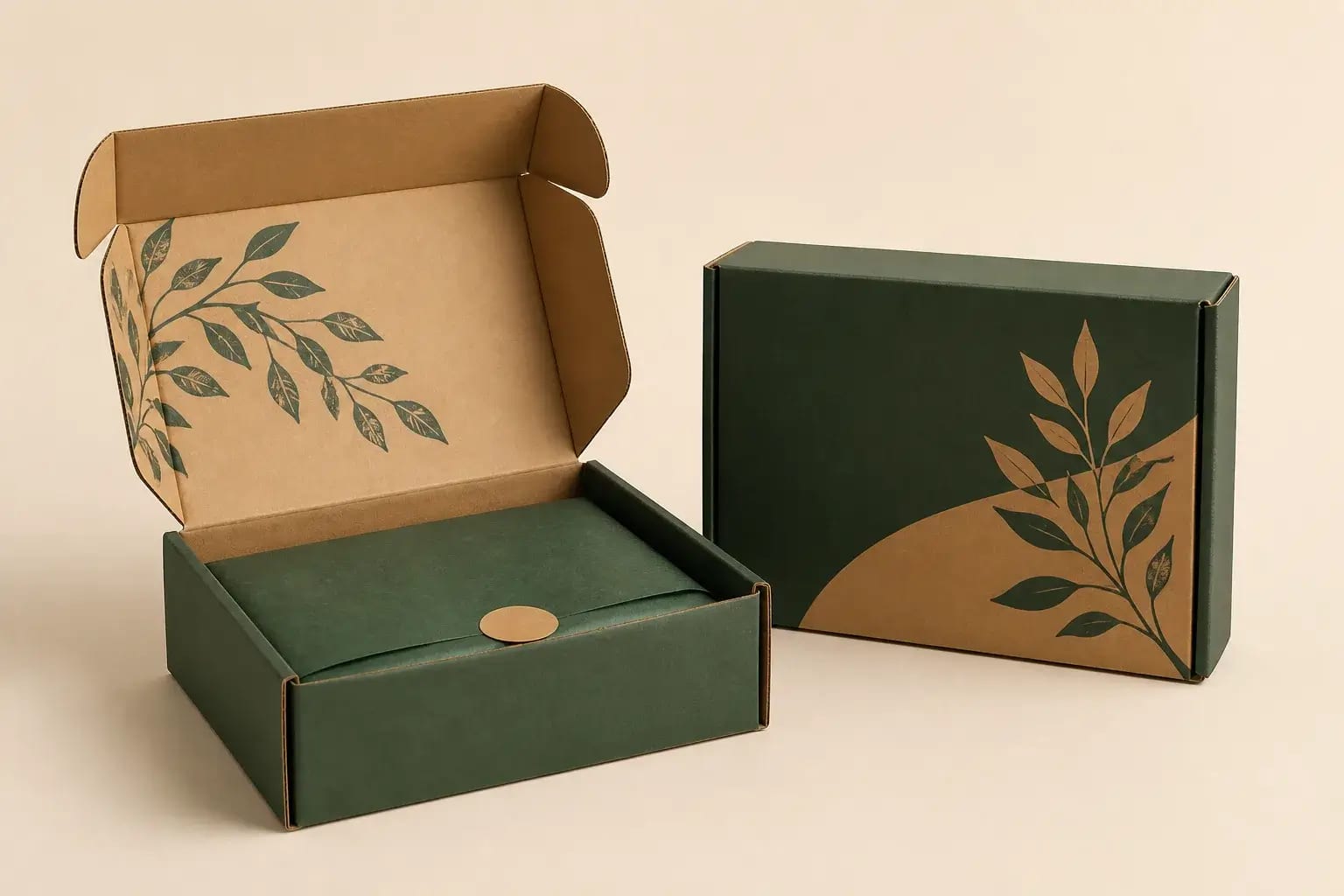
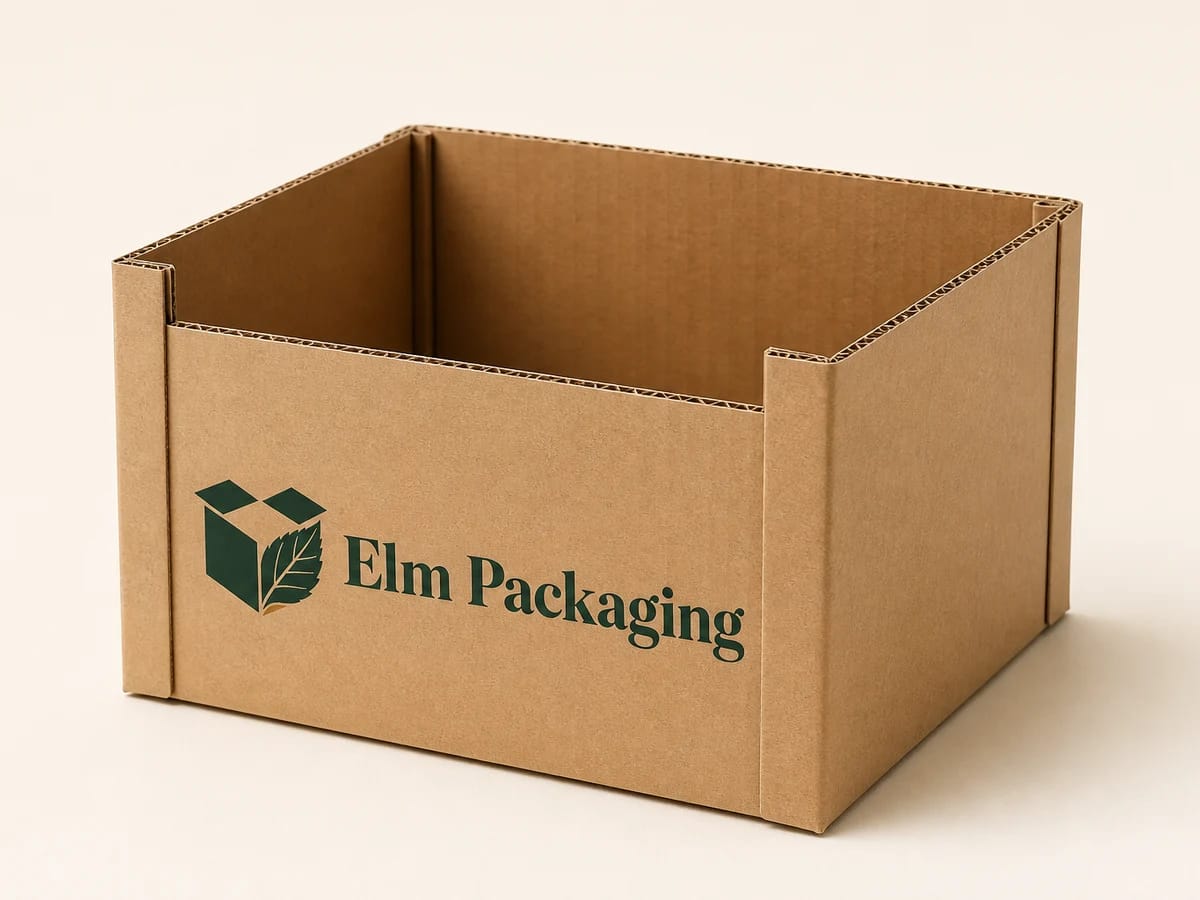
Printed corrugated boxes can carry full brand stories on white-top board. Kraft corrugated boxes keep graphics simple and lean into an honest, industrial aesthetic shoppers trust on food, outdoor, and craft brands.
Ink sits differently on corrugated than on SBS—we proof accordingly so large type and solids look intentional, not mottled, especially across flute ridges on large panels.
Large solids on kraft corrugated look best with confident type sizes—tiny legal copy belongs on a label or insert when the flute fights fine detail.
Protecting product without overpacking
Oversize corrugated invites crushing and excess void fill. Right-size the box, then add inserts only where needed. That cuts material cost and improves arrival condition more reliably than throwing in more paper.
If returns mention corner damage, we may reinforce with flute choice or internal supports rather than jumping to double-wall by default. Escalating board only when the failure mode demands it keeps packaging lean.
Corner protectors and paper void fill should be planned with the box, not improvised after damage reports start trending up.
Speccing corrugated boxes for your channel
Ecommerce, wholesale, and retail replenishment stress boxes differently. Include channel, stack height, and whether boxes must look retail-ready on arrival so we do not spec a warehouse shipper for a gift-forward unbox.
Start at /get-a-quote. Free dielines, clear proofs, and typical 7-day production after approval keep launches realistic—and we will flag peak-season timing if your calendar is aggressive.
If you already have a mailer SKU that works, we can evolve print without changing flute—say what to keep and what to improve on the quote form.
Material options
E-flute corrugated
Thinner flute for branded mailers and cleaner print surfaces.
B-flute corrugated
Sturdier everyday flute for shippers and heavier product loads.
Kraft or white-top liners
Natural kraft for simplicity; white-top when color fidelity matters.
Customization options
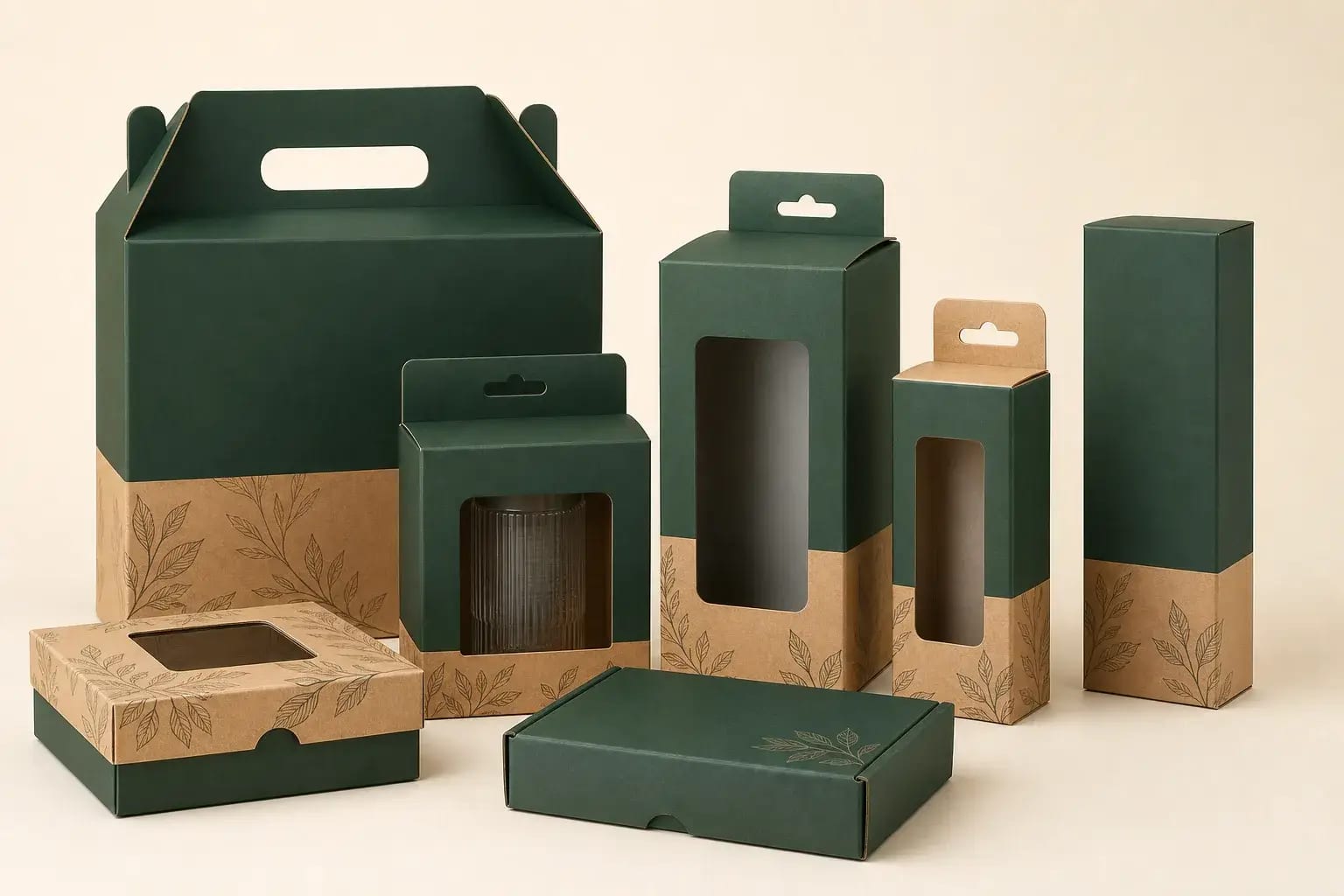
- Mailer and RSC-style shipper structures
- Flute selection matched to product weight
- Exterior and interior print options
- Custom sizes with free dieline help
- Insert and packout coordination
Best suited for
- Ecommerce outbound mailers
- Wholesale and warehouse shippers
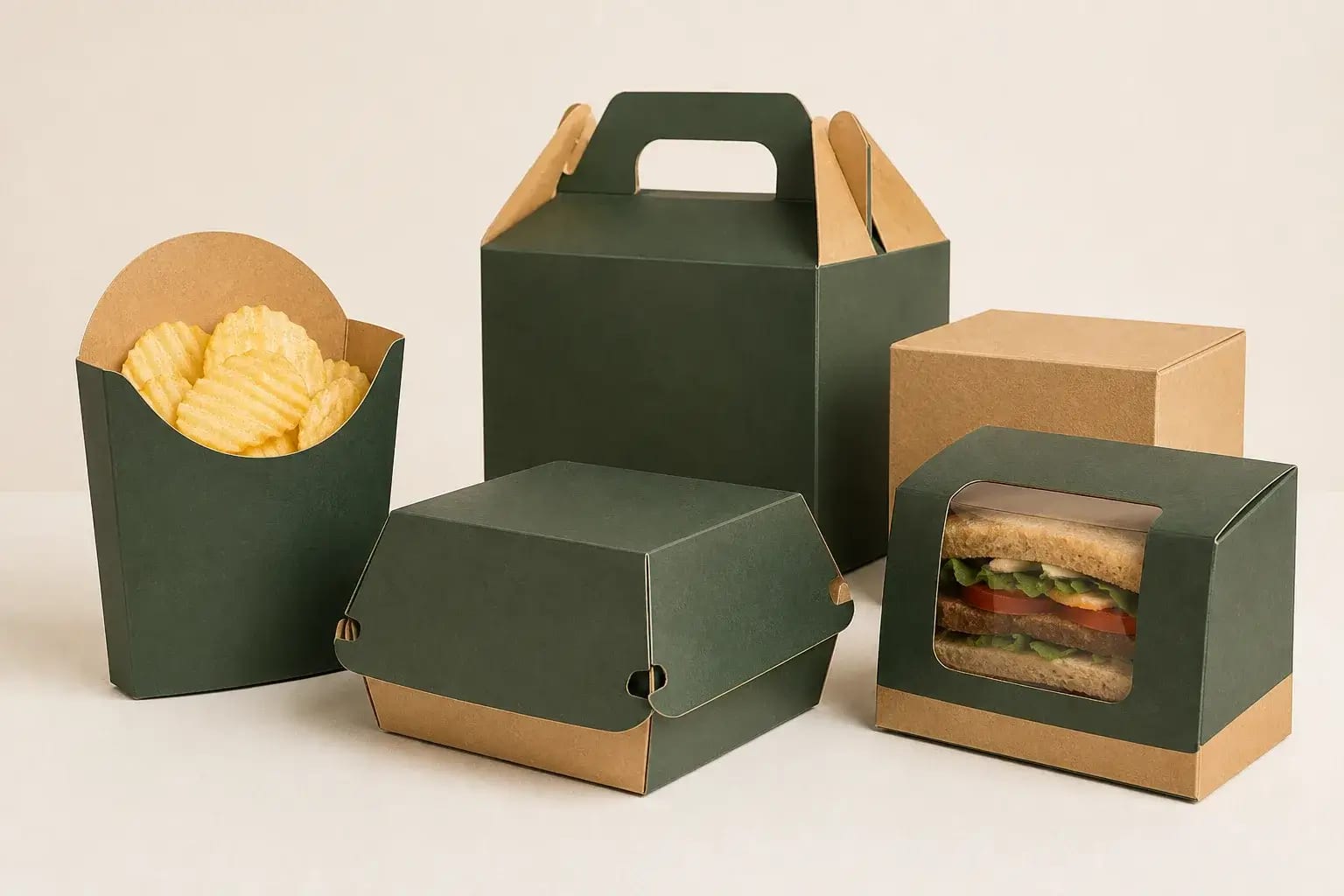
- Food and CPG secondary packaging
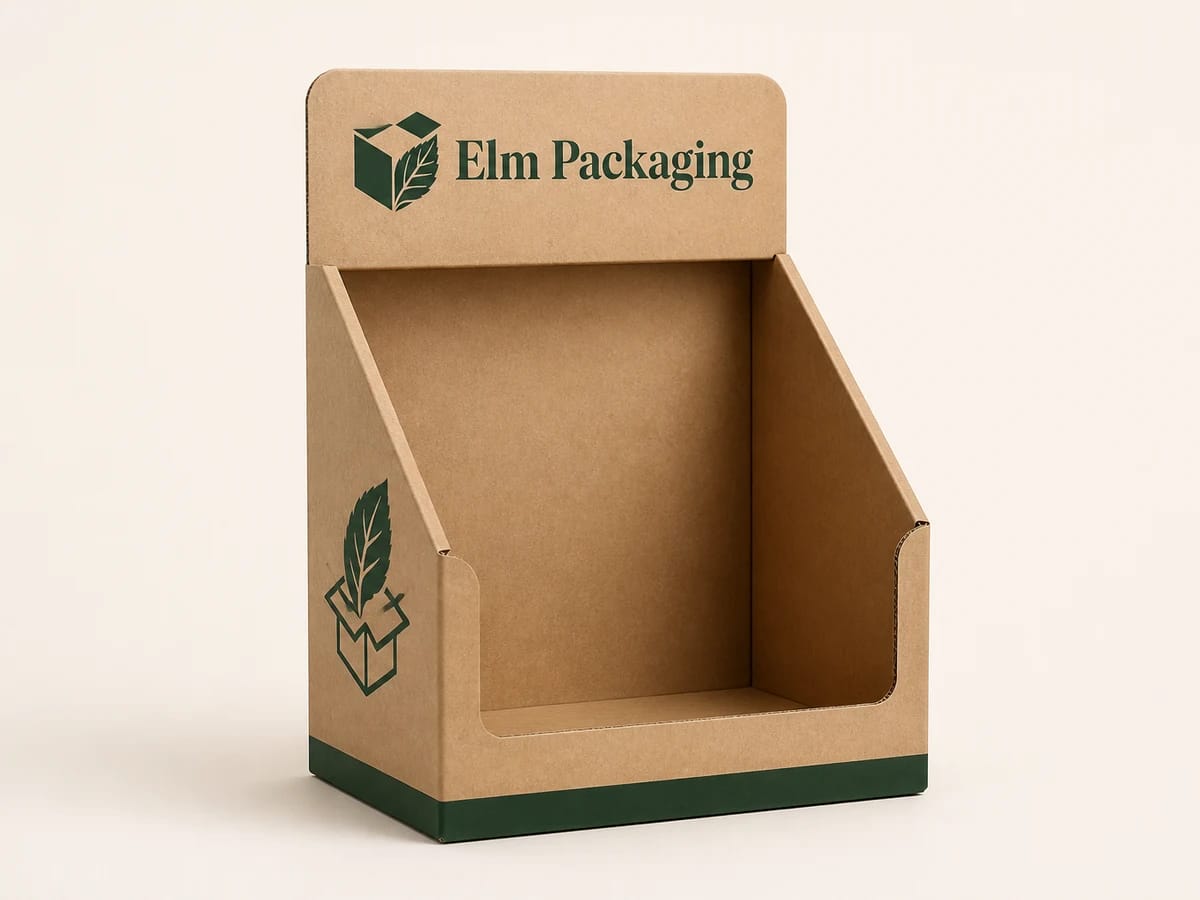
- Retail replenishment cartons
FAQ
What does flute mean?
Flute is the wavy medium inside corrugated board that provides cushioning and stiffness. Different flute profiles suit mailers vs. heavy shippers.
Can corrugated boxes be printed?
Yes. White-top corrugated takes brighter graphics; kraft suits simpler one- or two-color branding.
Do I need double-wall?
Only when weight or stacking demands it. Many ecommerce SKUs ship safely in well-specced single-wall. Share weight for a recommendation.
What is the MOQ?
Around 100 units is a common custom starting point.
How long after proof until boxes ship?
Typically about 7 days of production after approval for standard corrugated runs. Rush 3–4 days may be available.
Can you match my current mailer size?
Yes. Send an existing dieline or a sample measurement and we recreate or refine it.
How do I get a quote?
Submit specs at /get-a-quote—dimensions, quantity, flute preference if known, and print notes.