Description
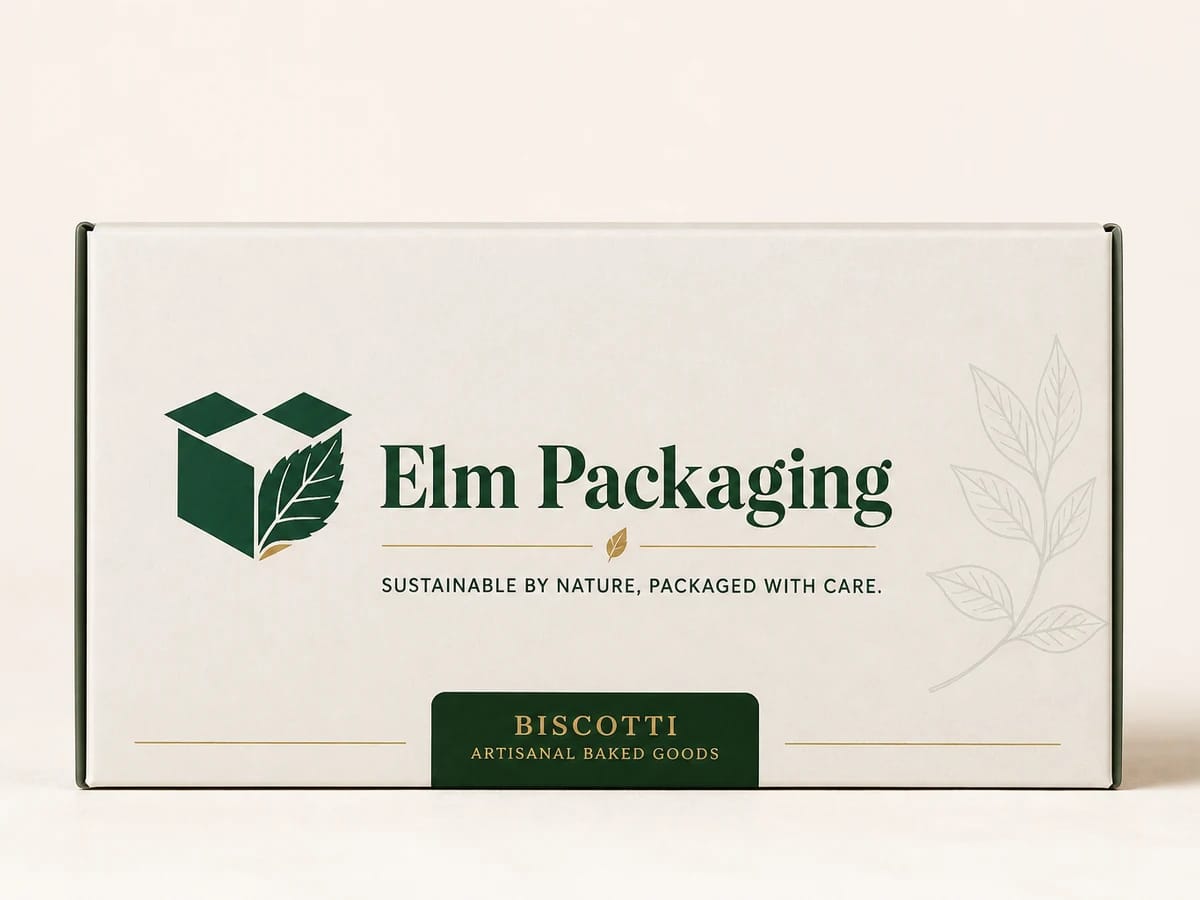
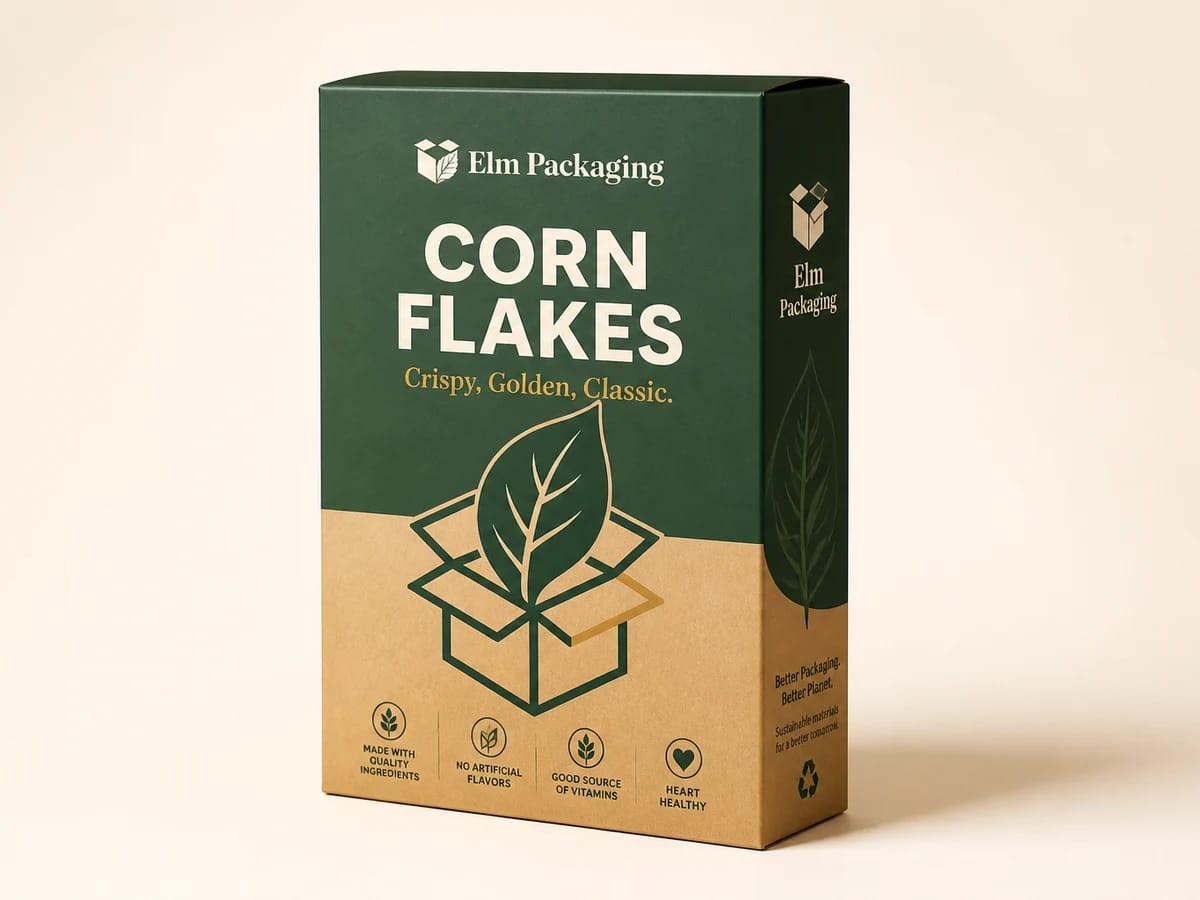
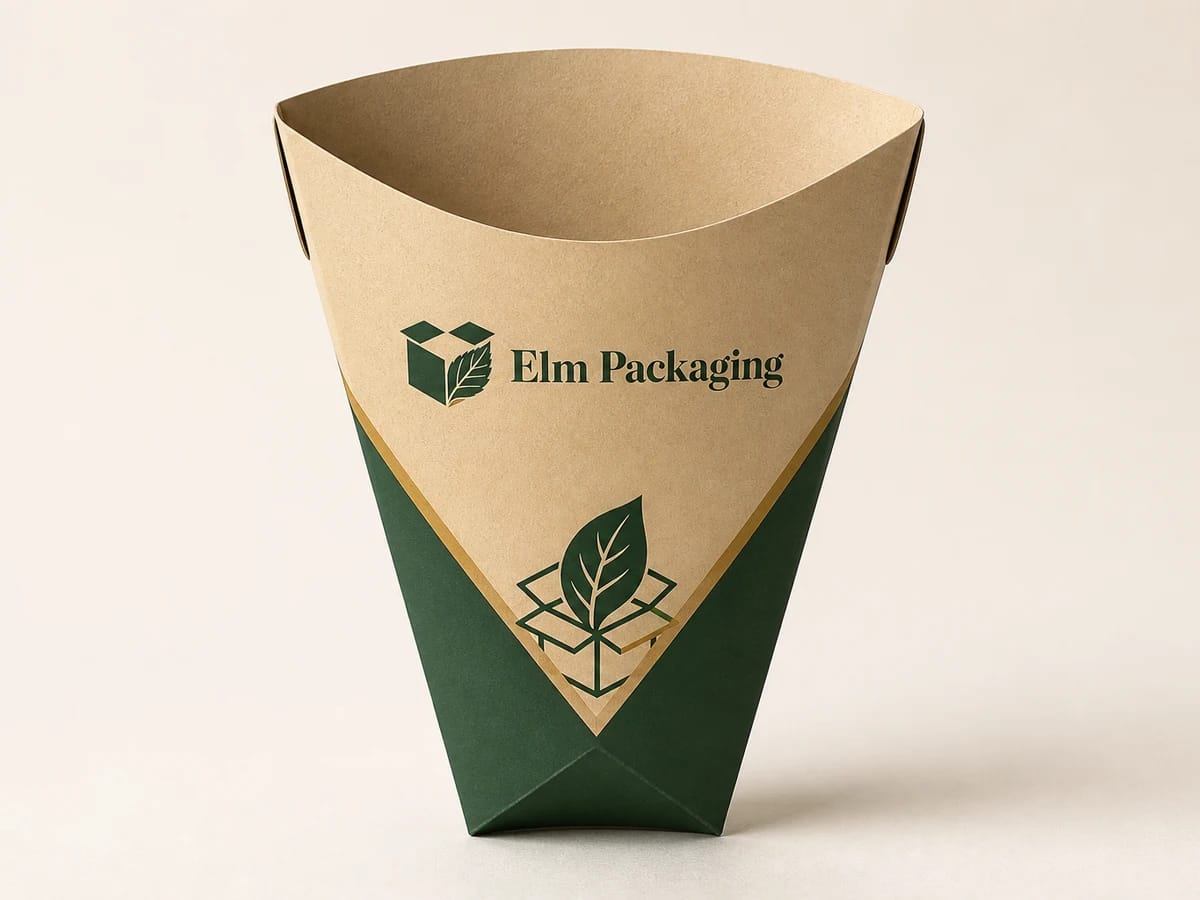
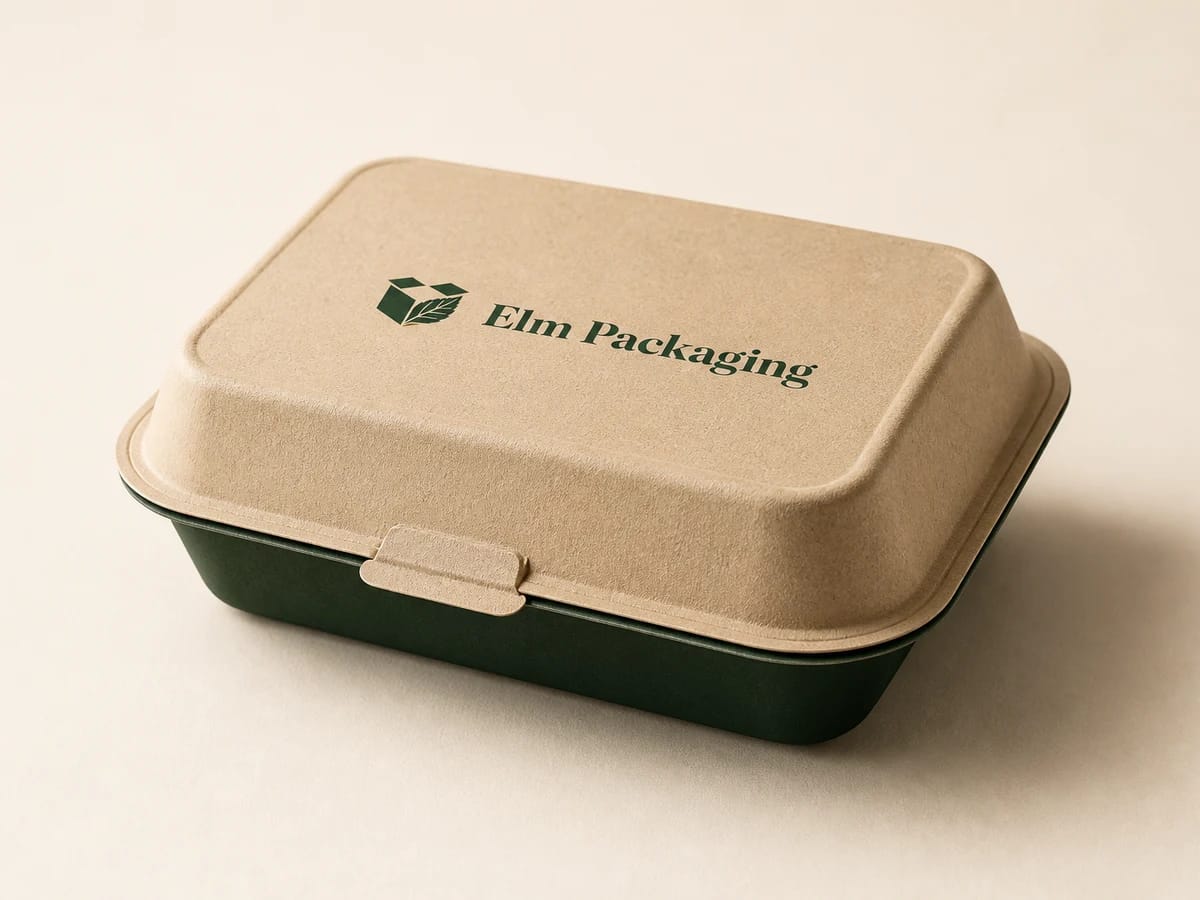
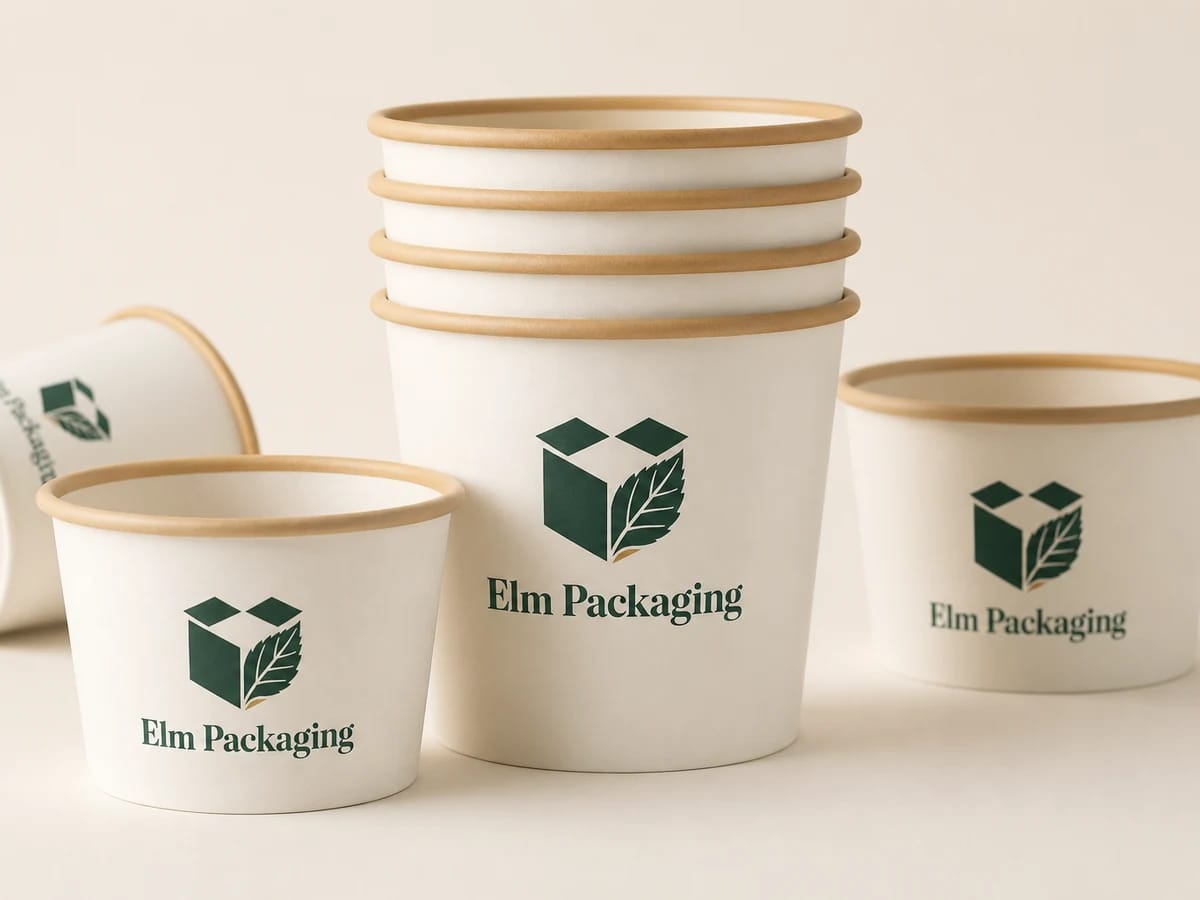
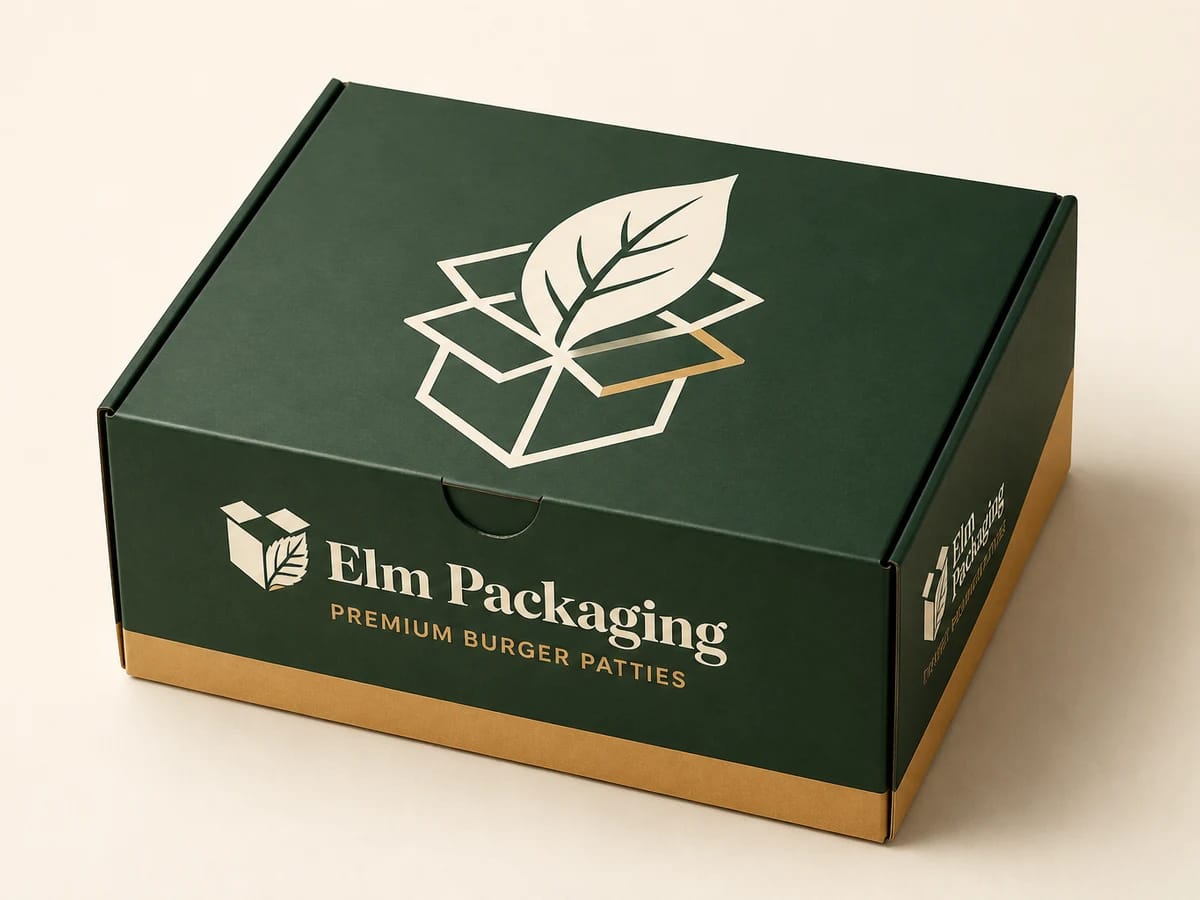
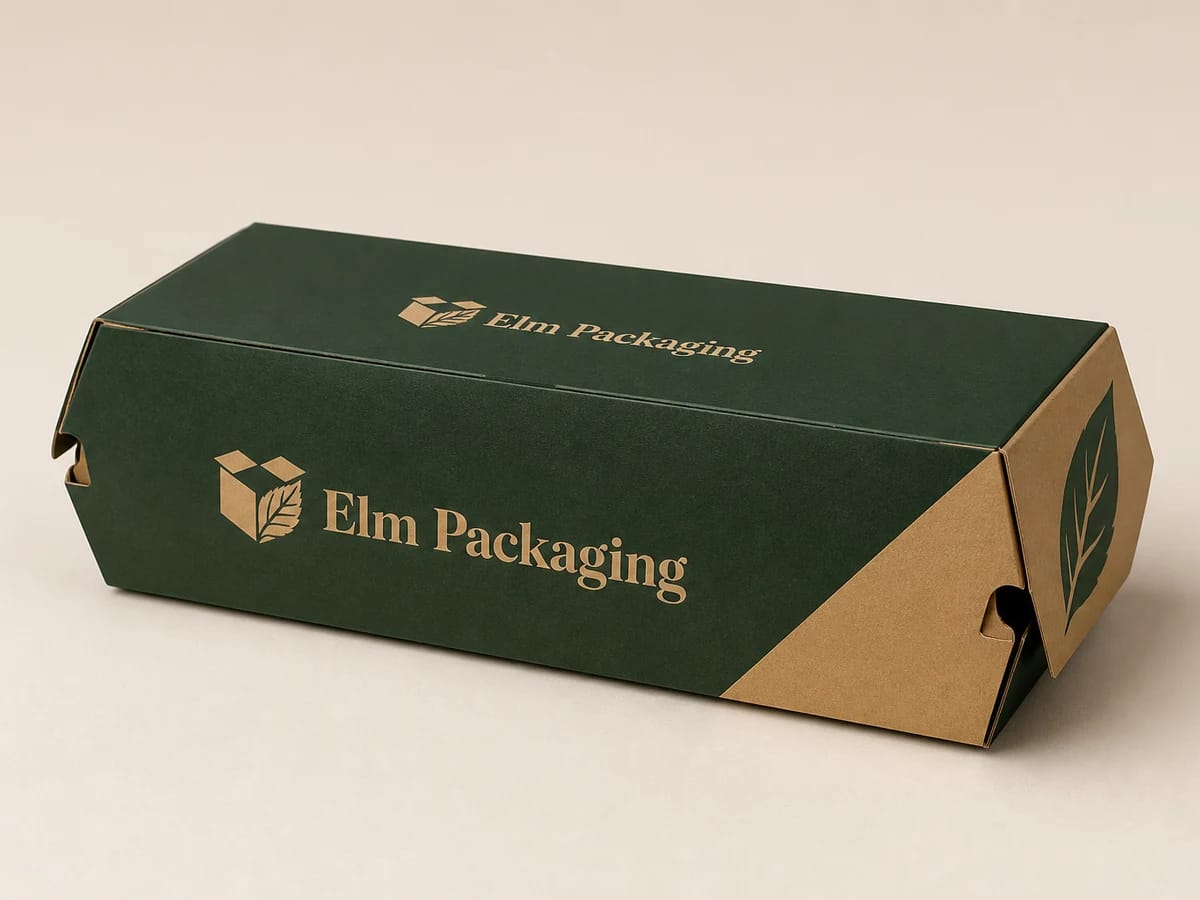
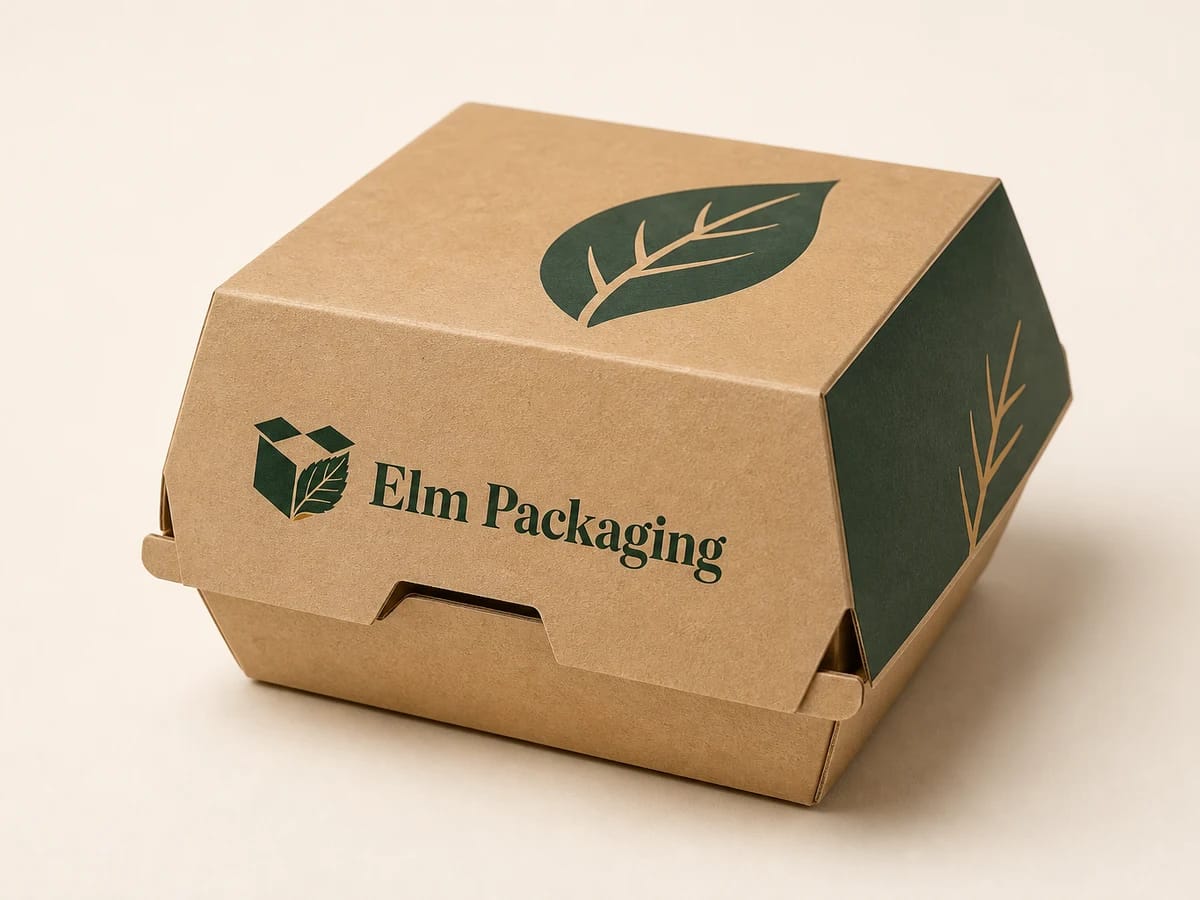
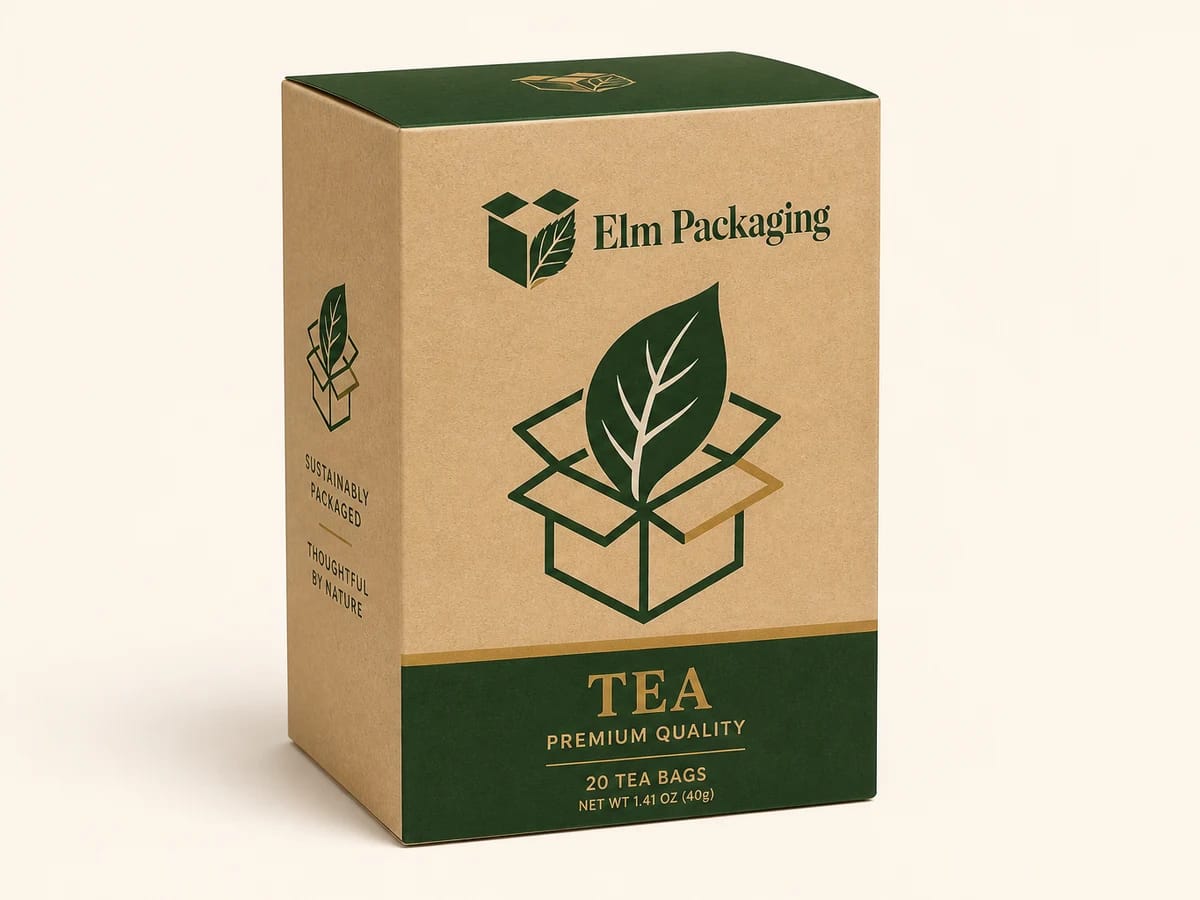
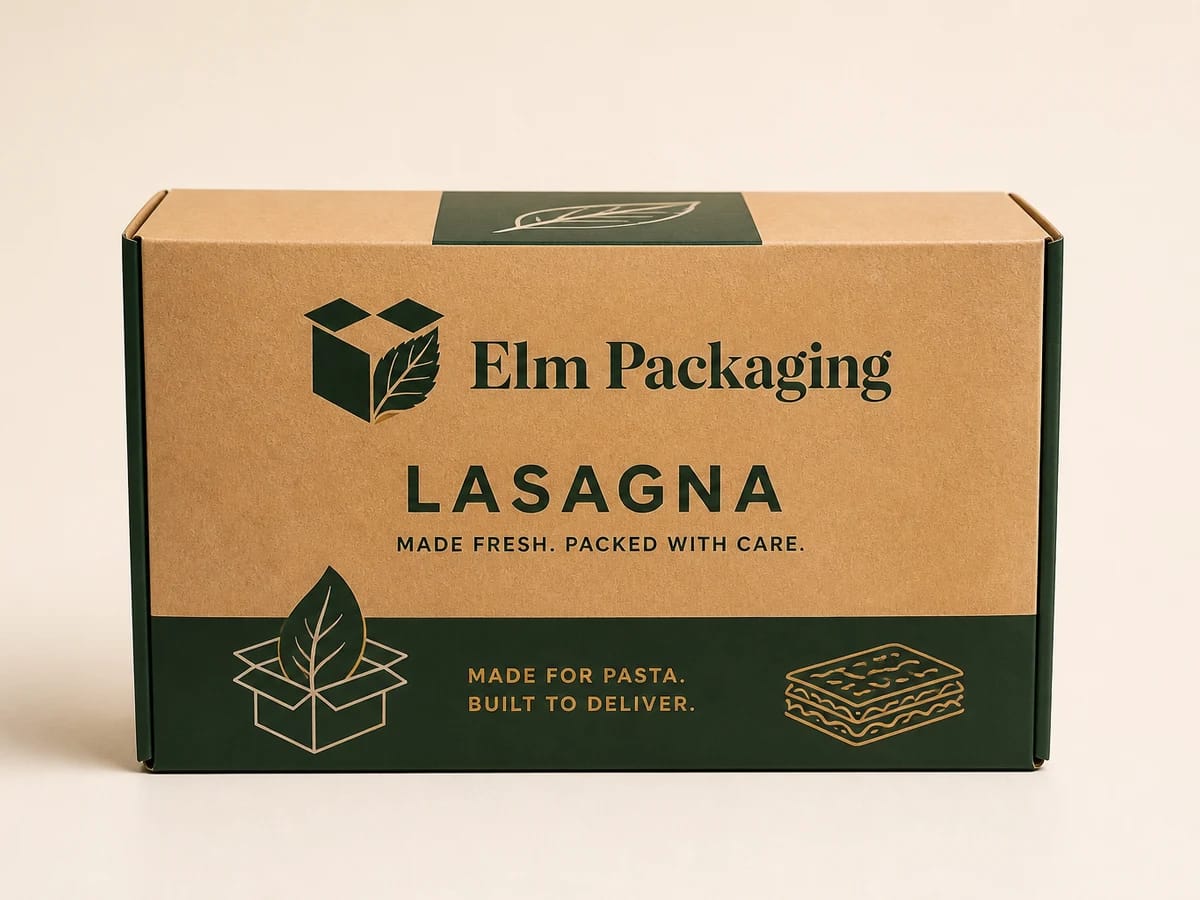
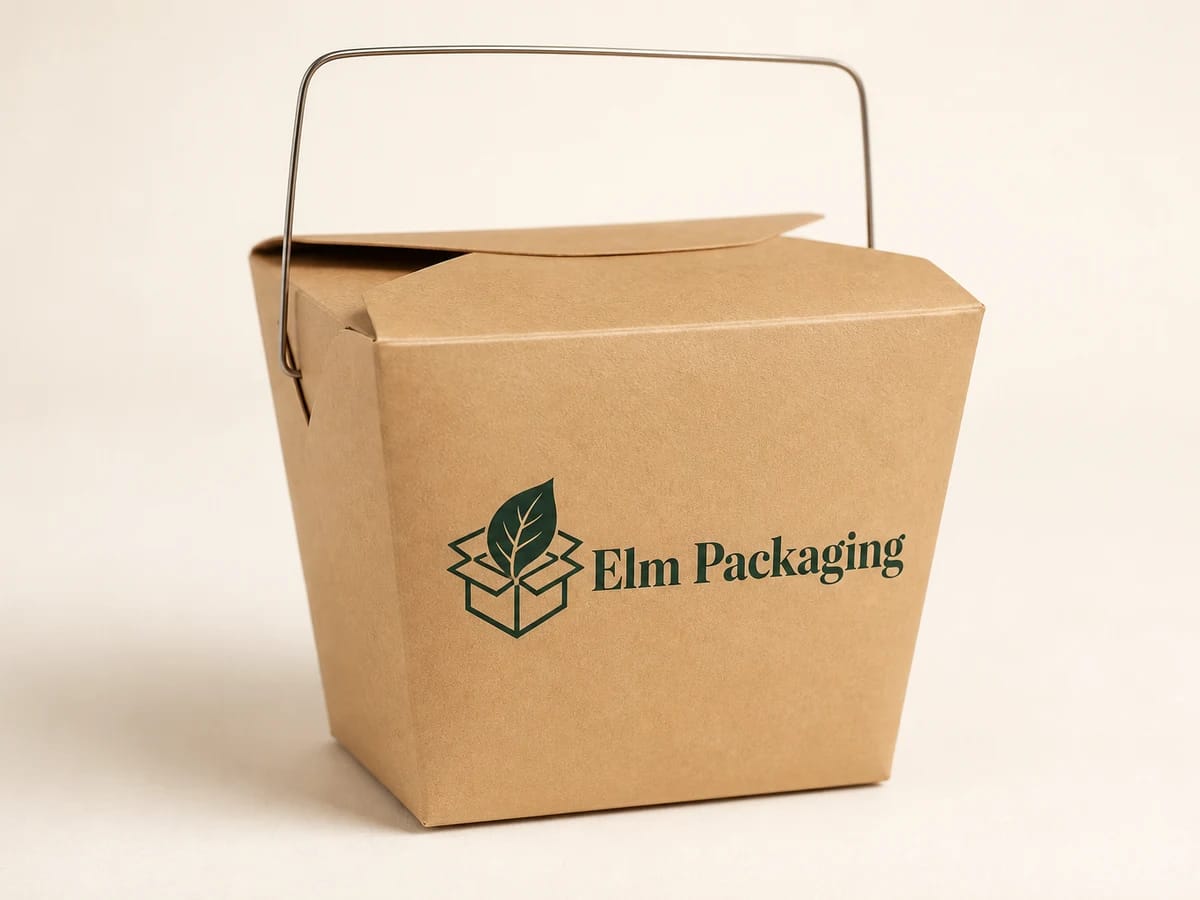
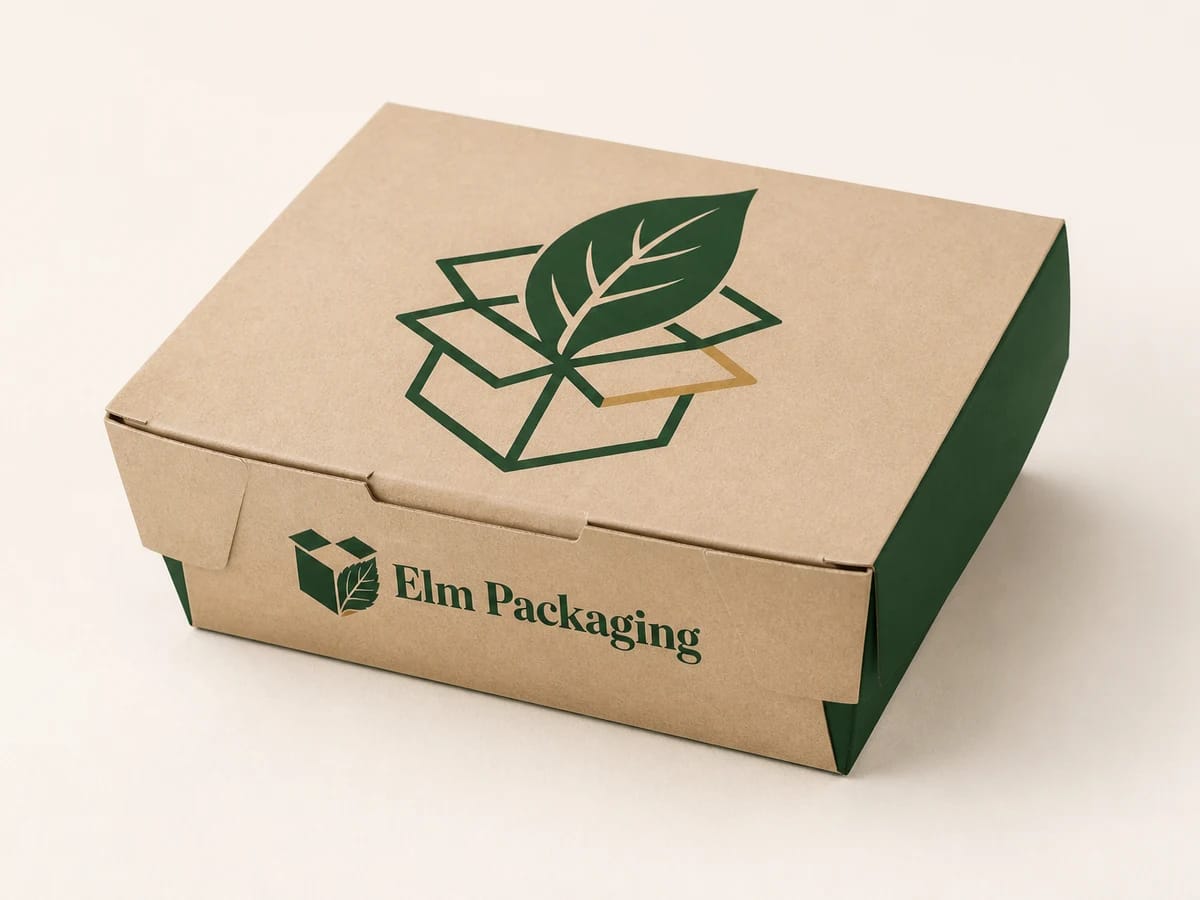
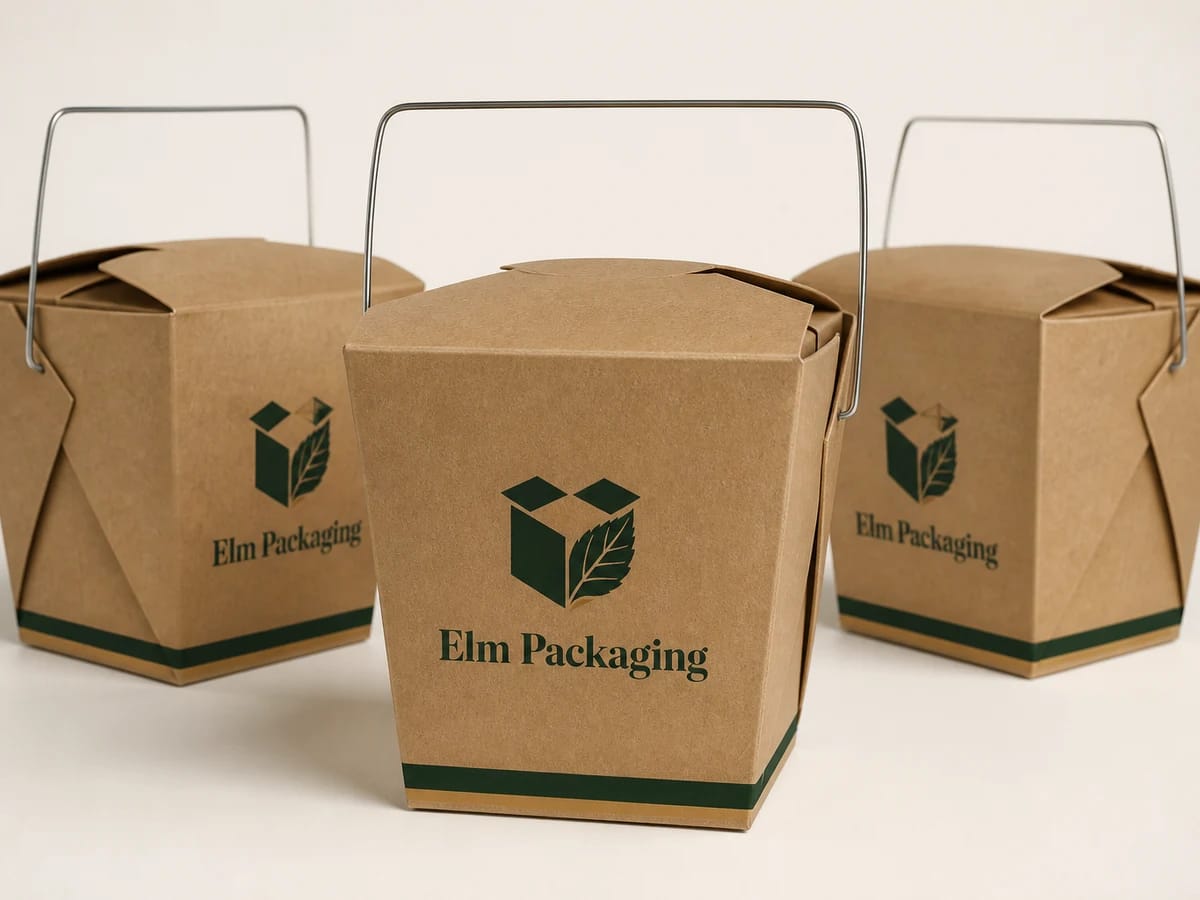
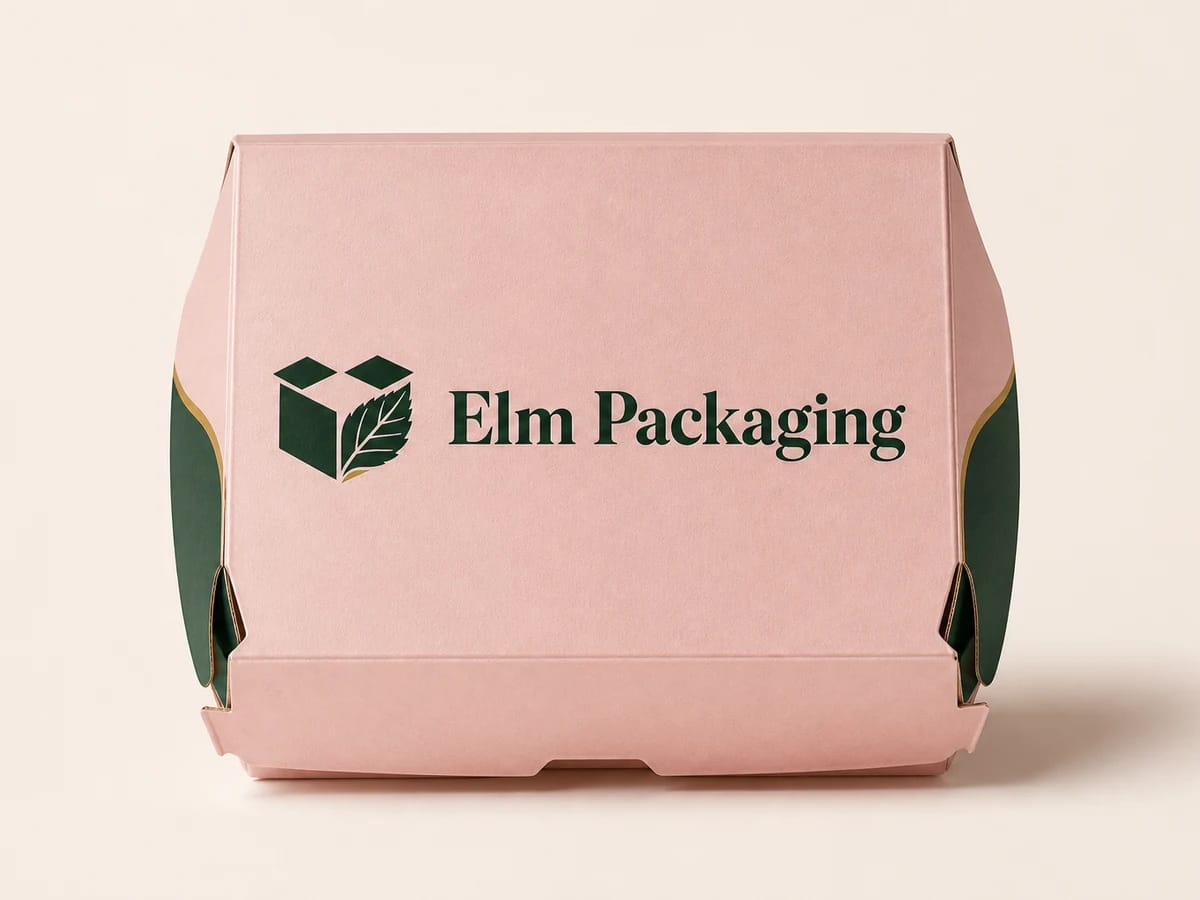
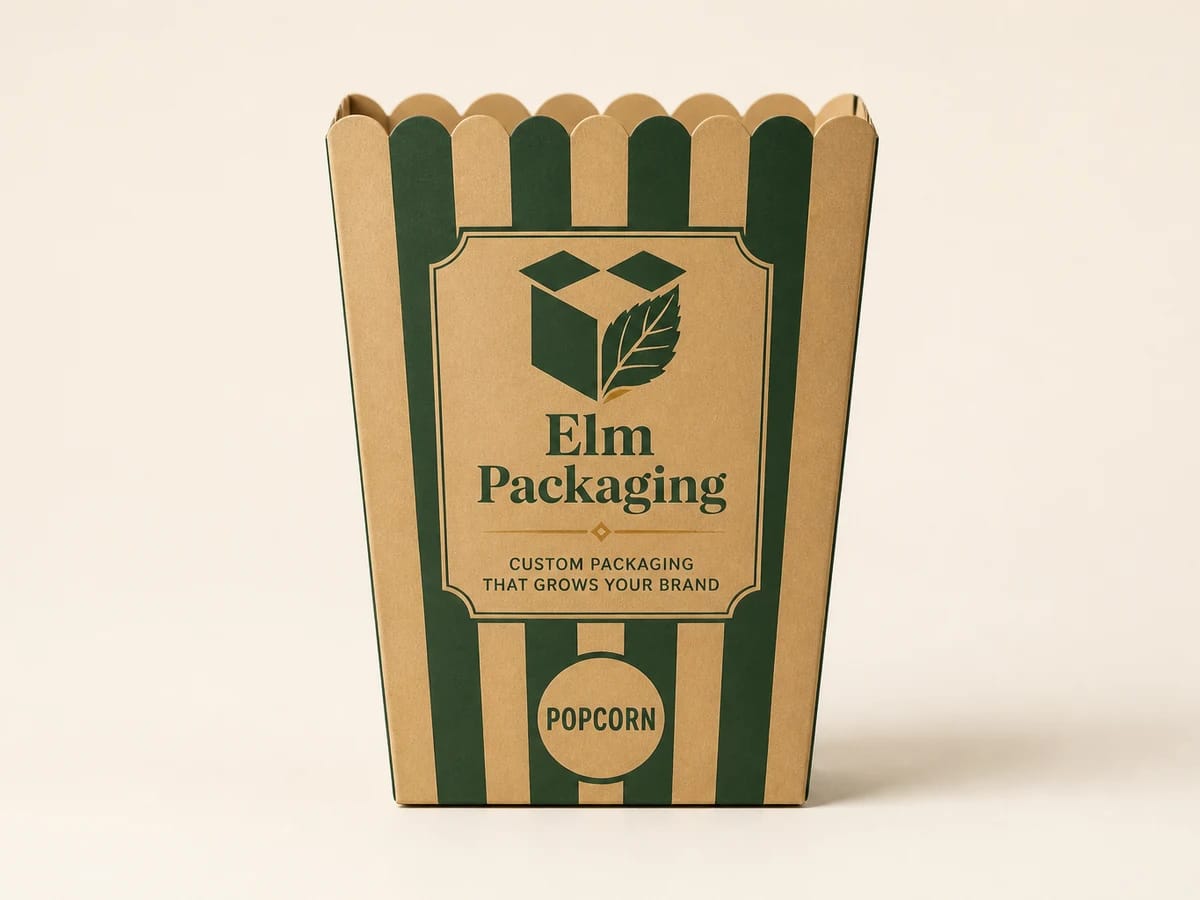
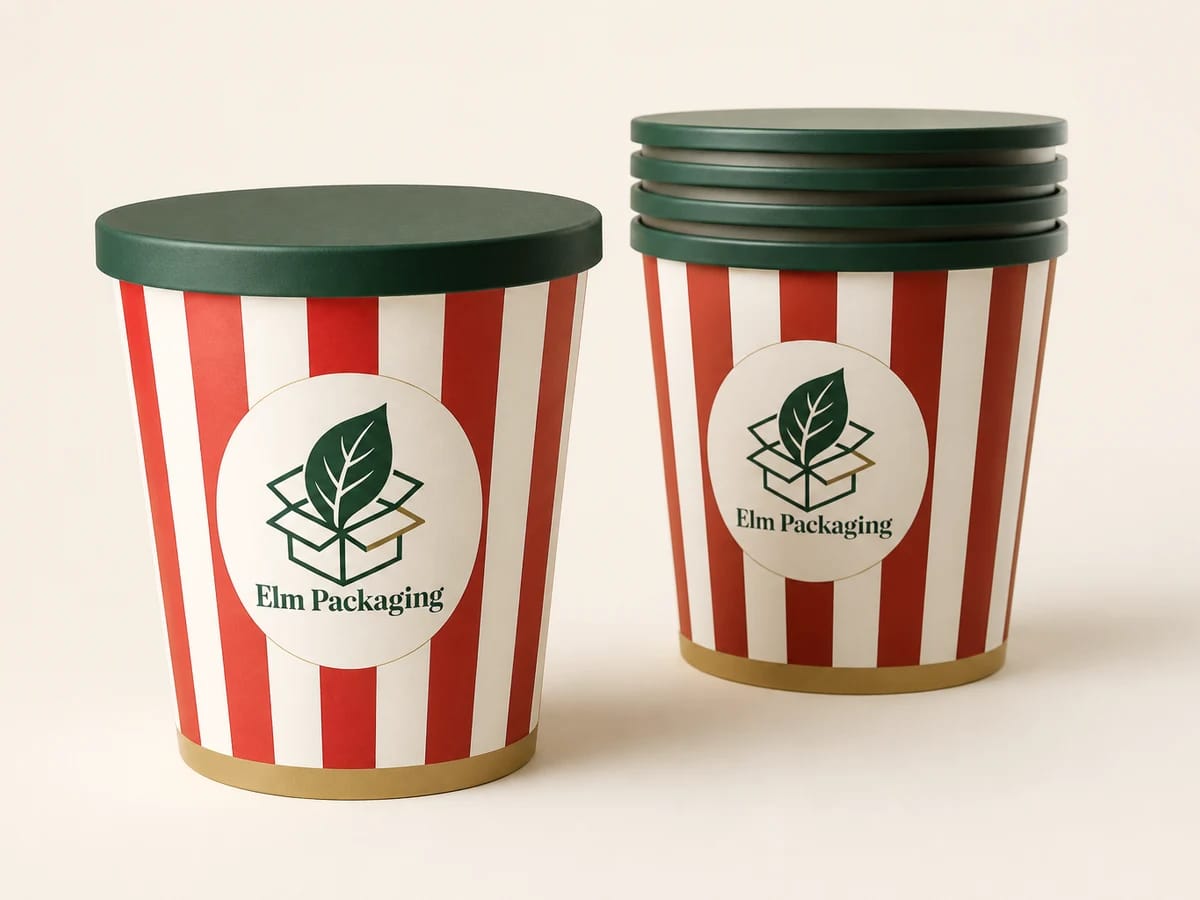
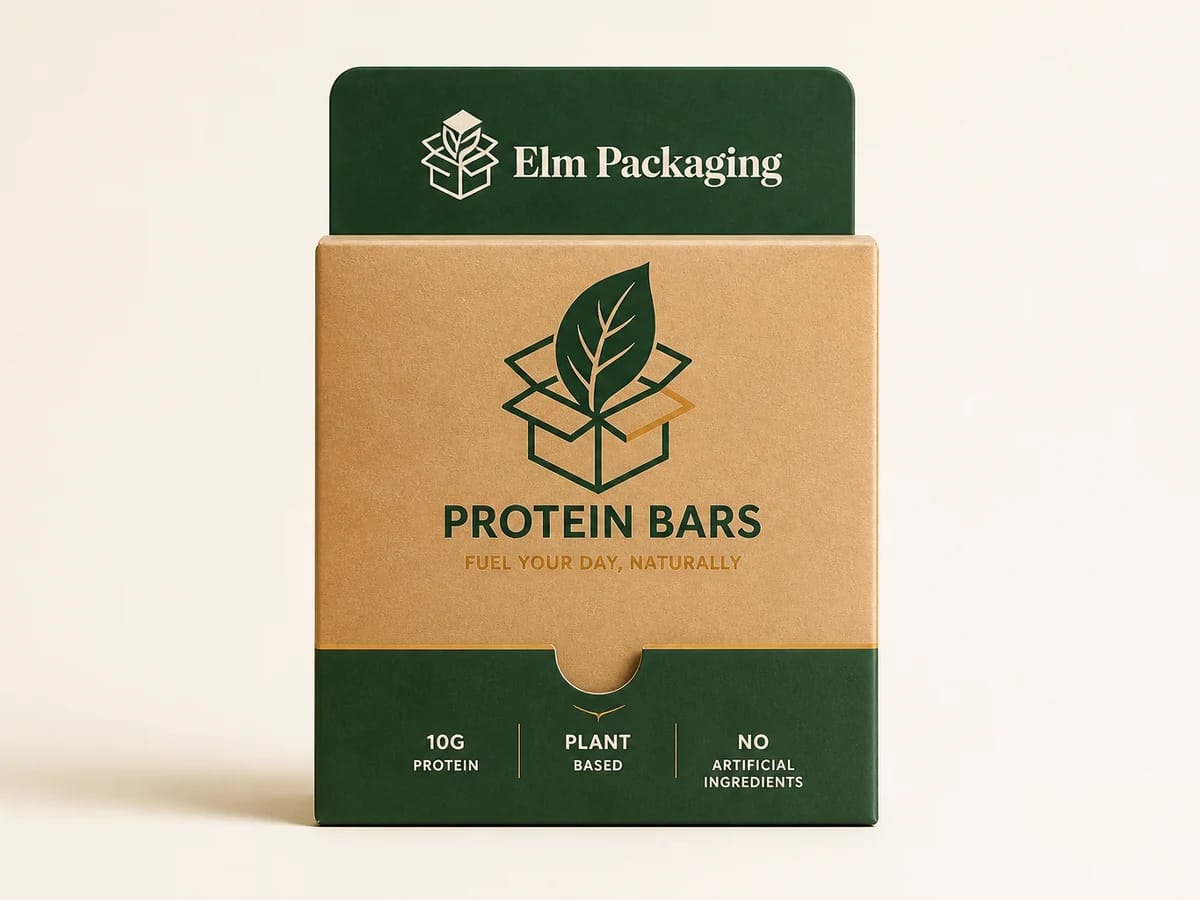
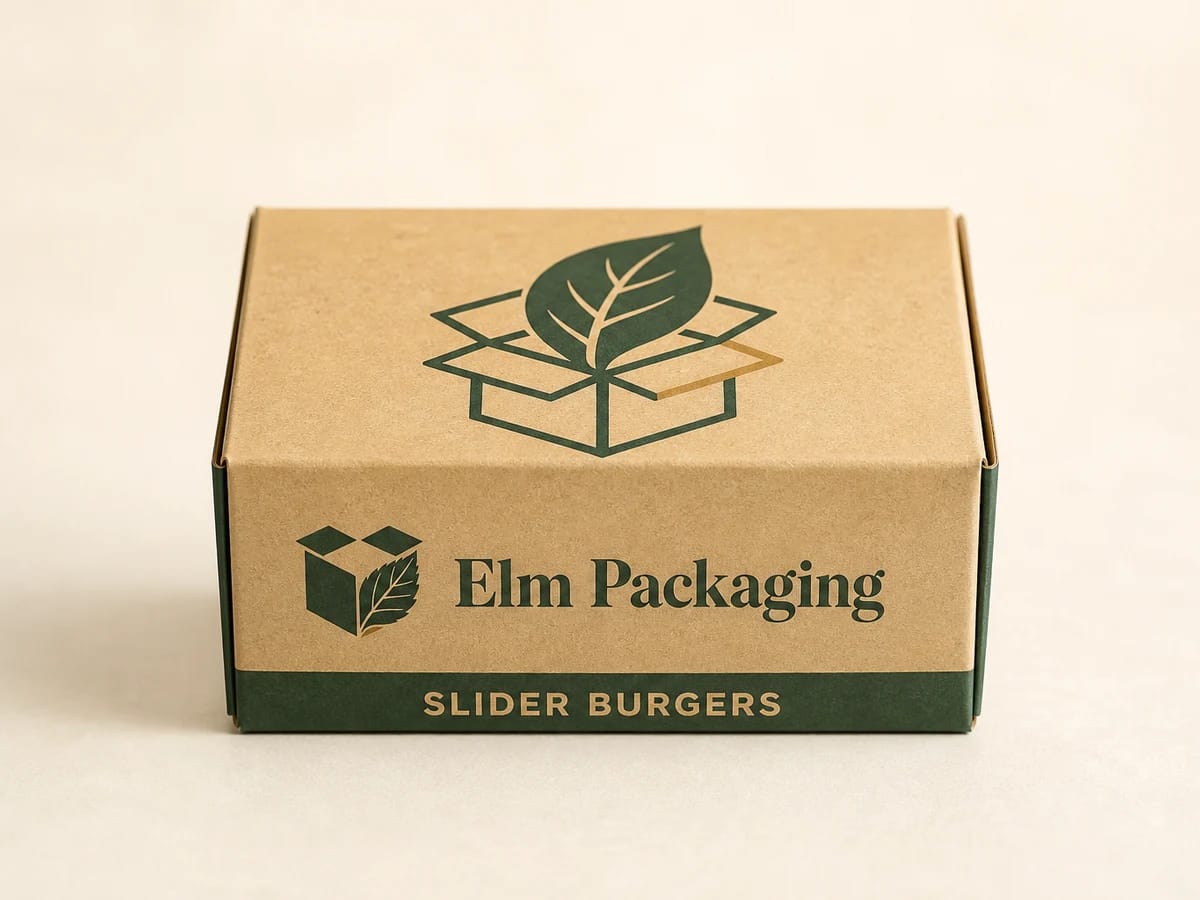
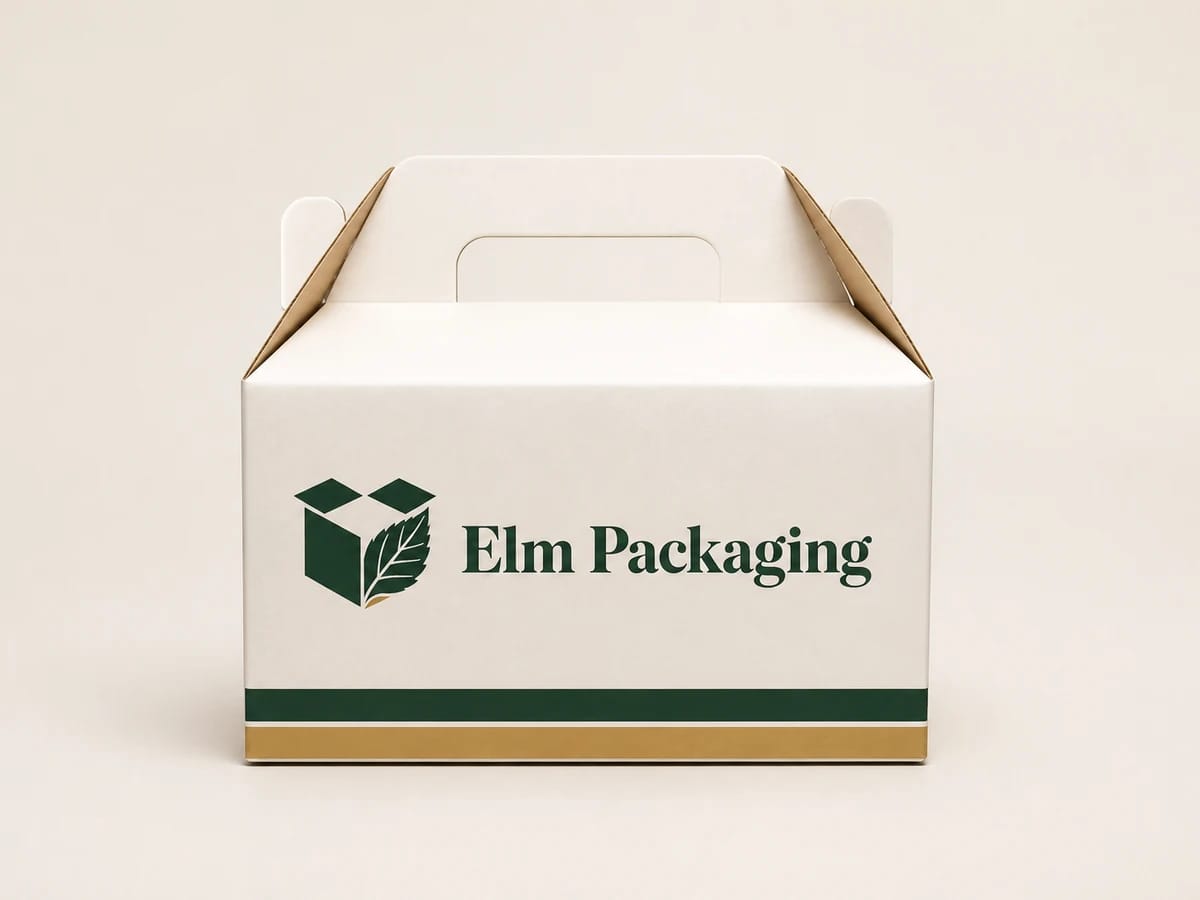
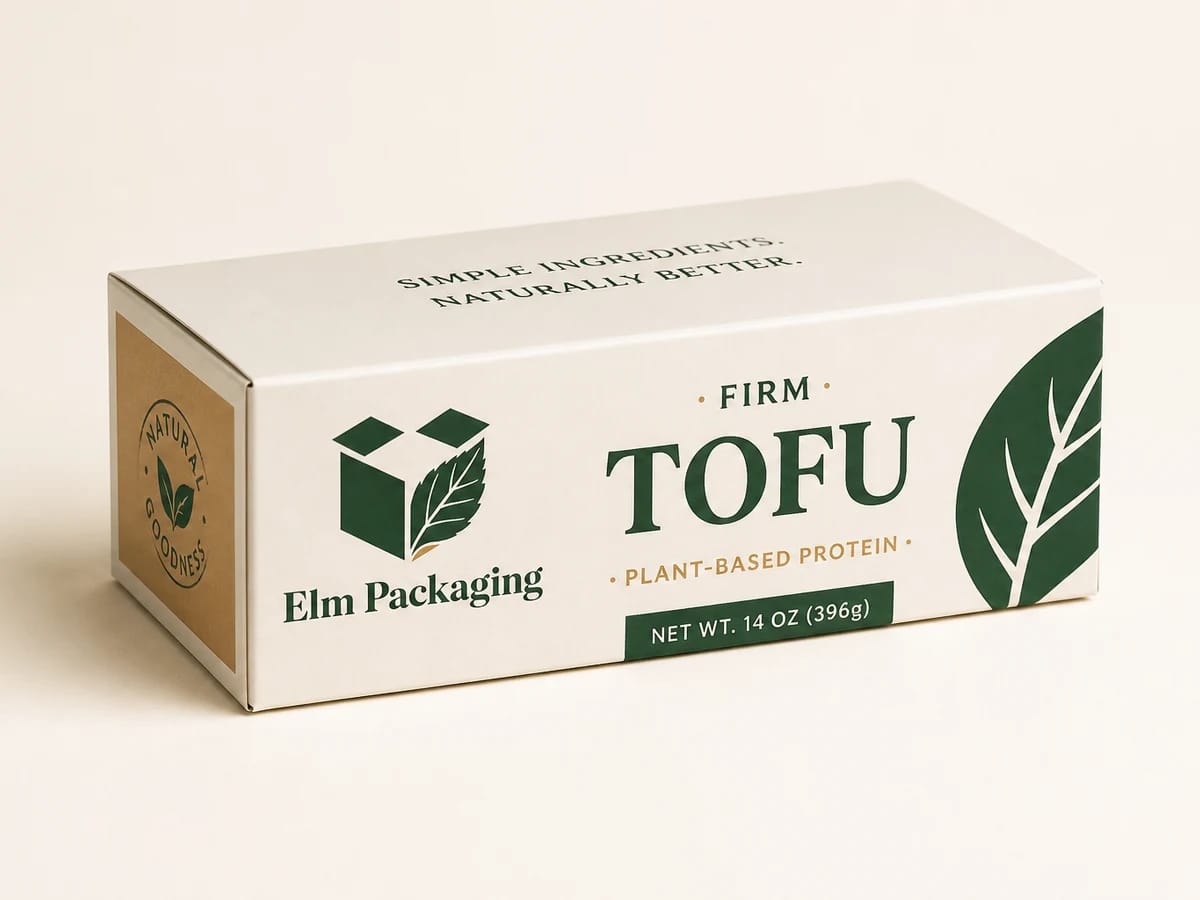
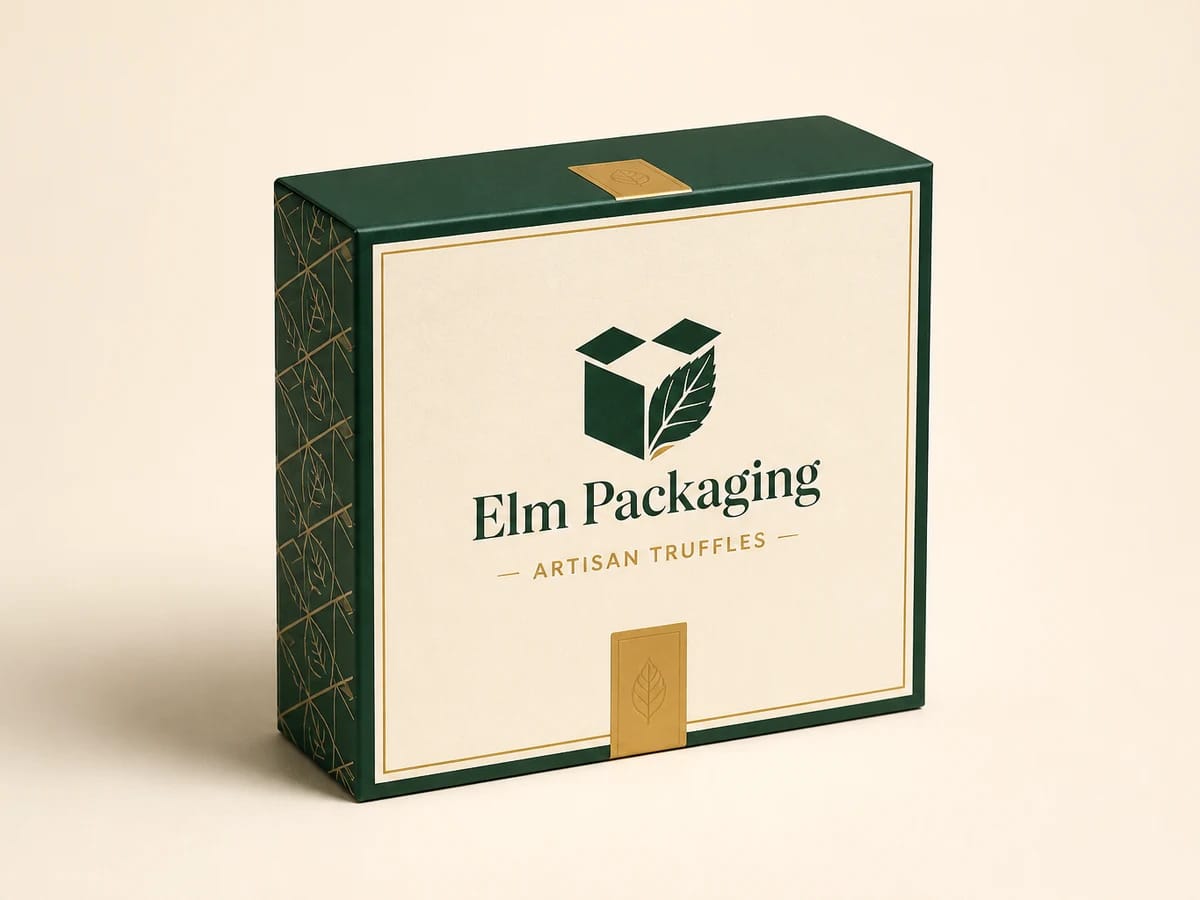
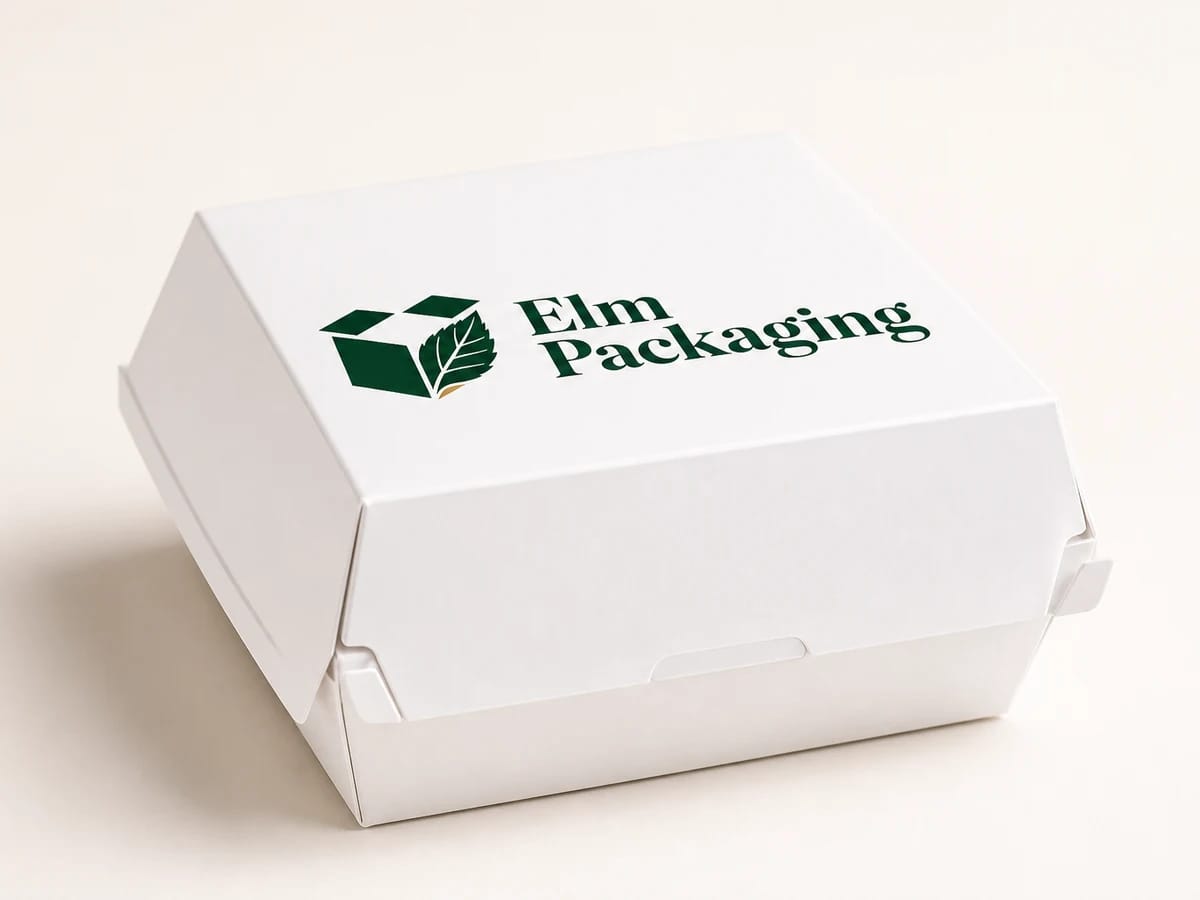
Custom food boxes carry more than calories—they carry trust. A carton that arrives crushed, greasy, or hard to open undercuts the product inside and the brand that packed it. Elm Packaging builds printed food boxes for retail shelves, bakery counters, snack lines, confection sets, and delivery kits that need structure, readable claims, and clear brand space working together.
Most food buyers arrive with a product footprint—bar, pastry, meal tray, jar kit, sampler assortment—and need board that holds shape under weight, oil, or stacking. We help you match structure to channel so a thin retail facing is not forced into courier duty without a shipper. Typical projects start around 100 units, with production often about 7 days after proof approval.
Tell us whether the pack is for shelf display, bakery takeout, grocery facings, or mail-order. Note grease, moisture, heat, window, and divider needs early so coatings and board grade are not guessed later. Free dieline help is available when you do not have a cut template yet. Start at /get-a-quote with dimensions, quantity, product type, and how the food will sit inside the carton.
Retail shelf vs bakery counter vs delivery
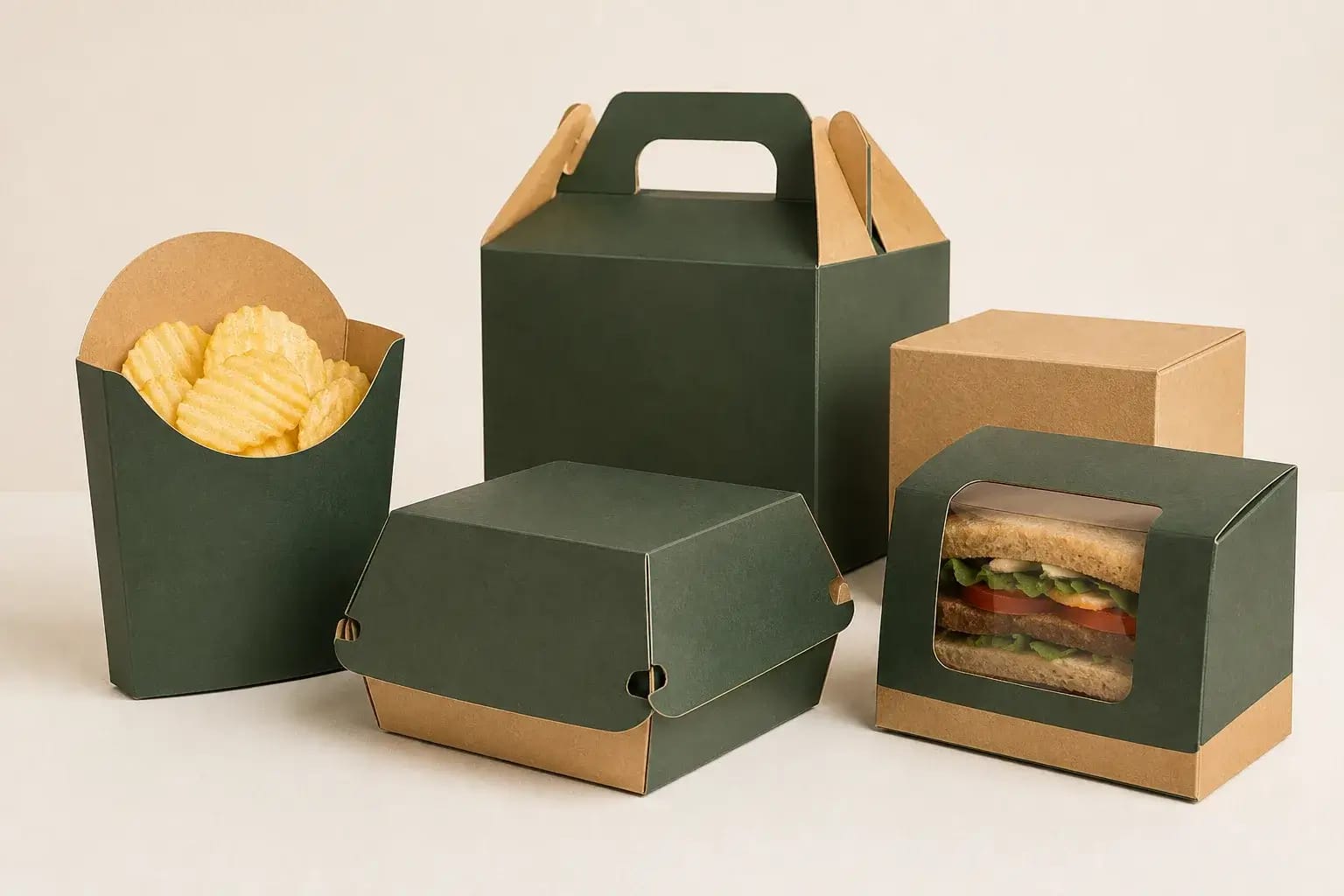
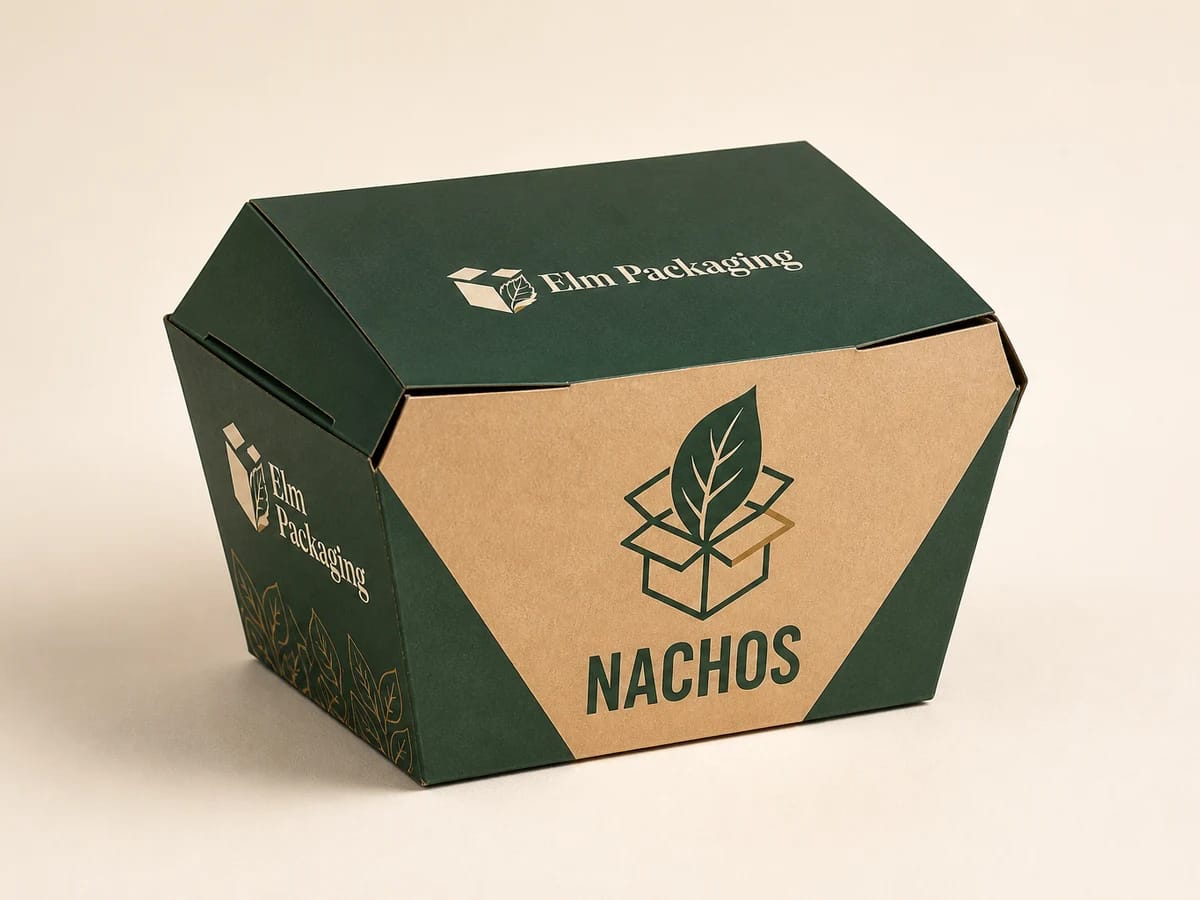
Retail snack and grocery cartons prioritize front-panel storytelling, nutrition callouts, and barcode space that scans under aisle lighting. Bakery and café packs balance quick assembly with a clean open for the customer waiting at the counter. Delivery and meal kits need stronger walls and often dividers so items do not migrate into a single greasy pile in transit.
One footprint can sometimes serve multiple channels if print and board grade are chosen carefully—but do not assume a light retail carton will survive a courier bag without a shipper. Channel honesty at quote time prevents over-speccing every SKU or under-protecting the ones that ship.
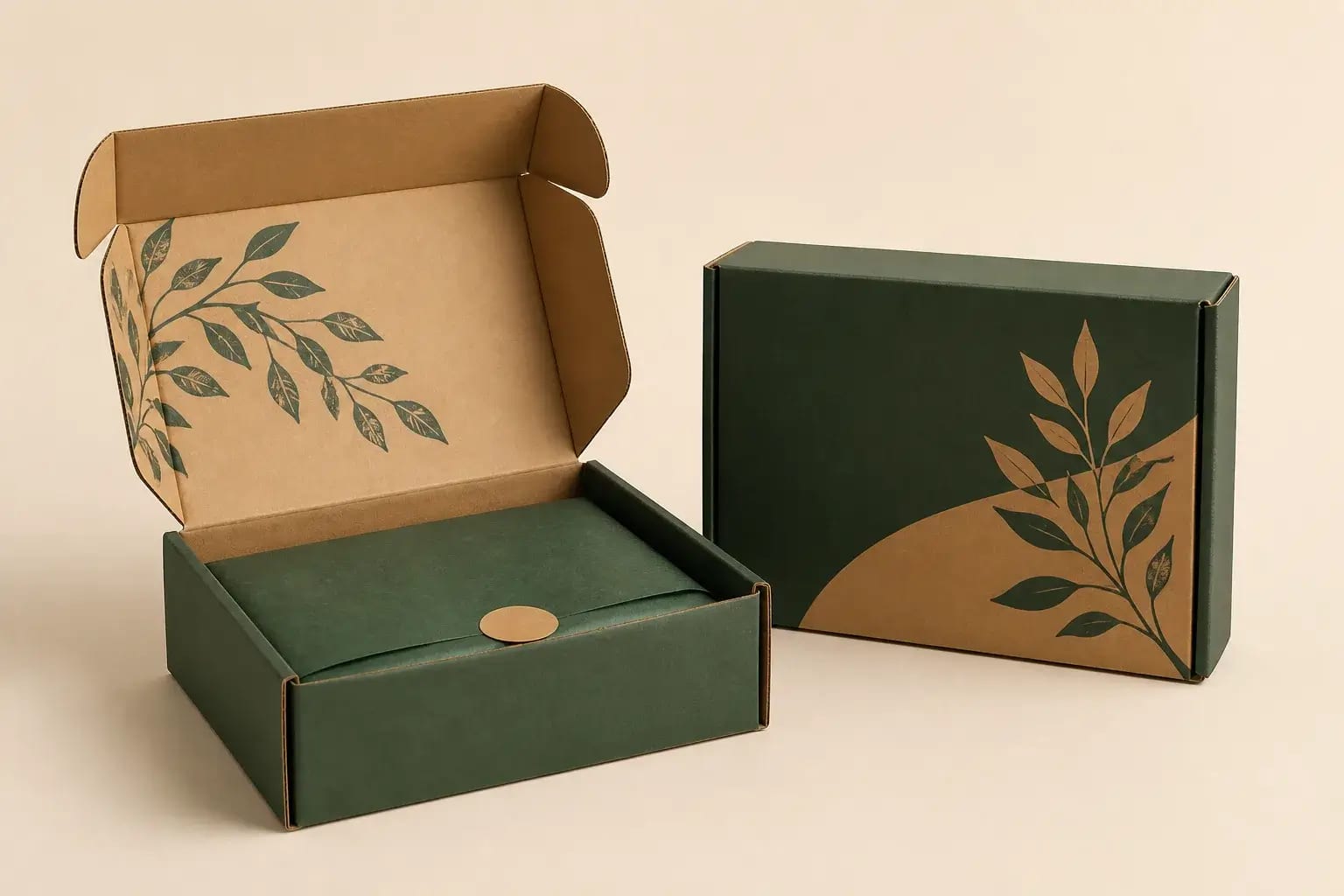
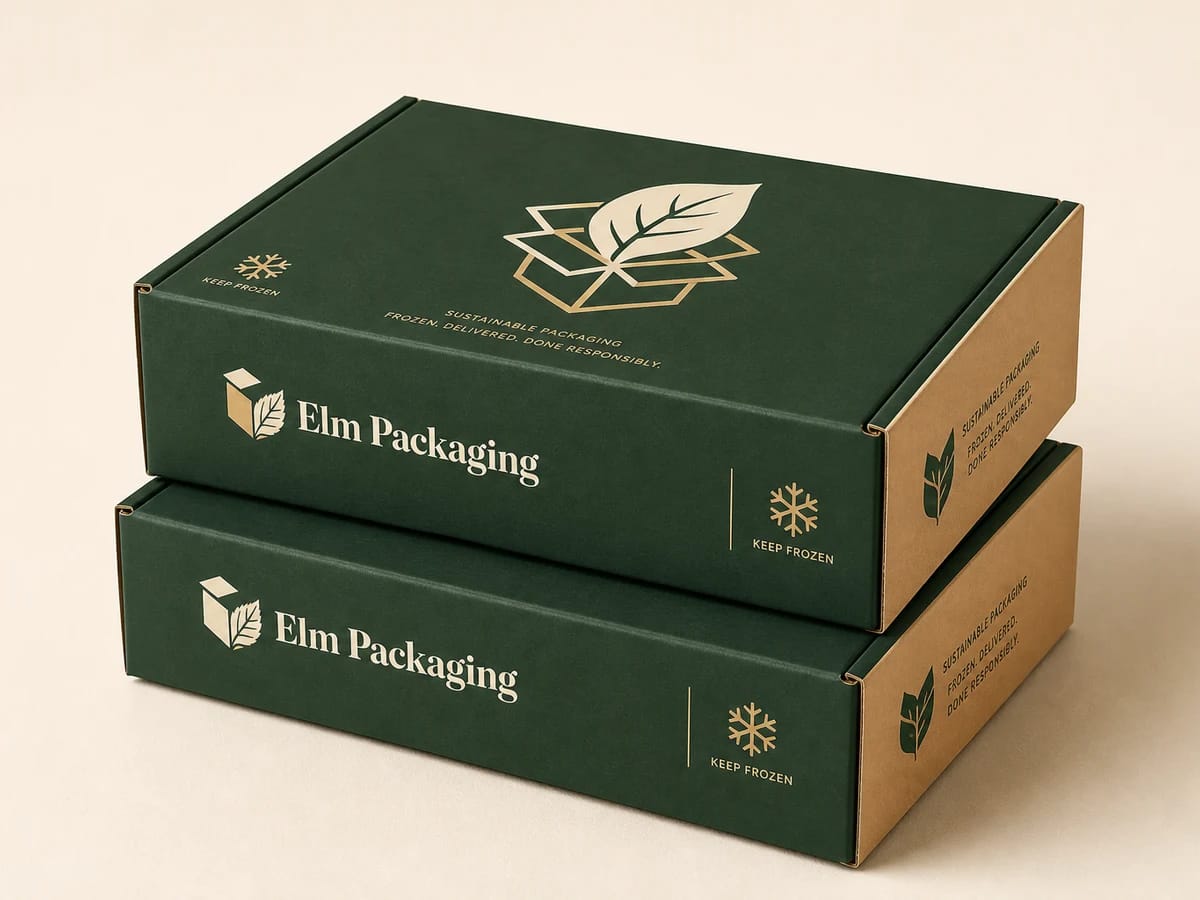
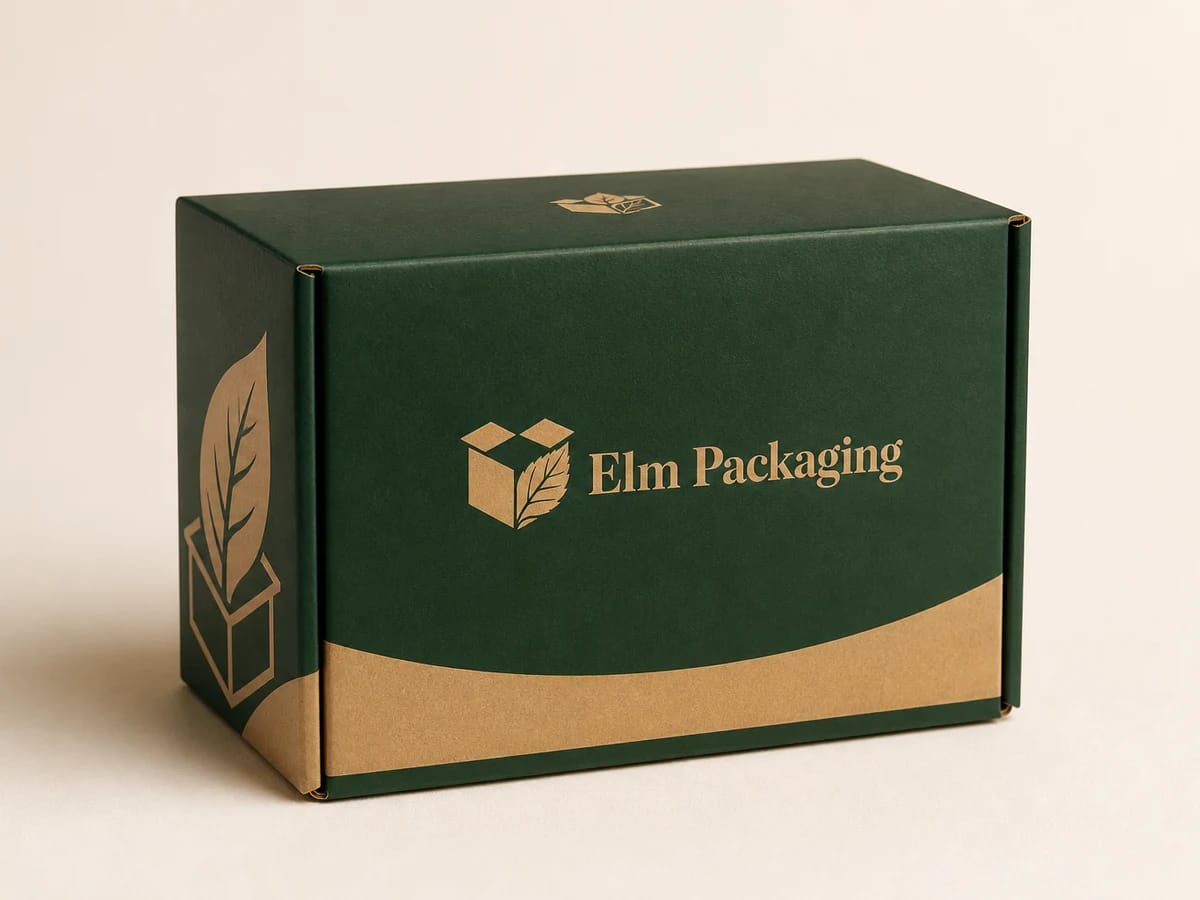
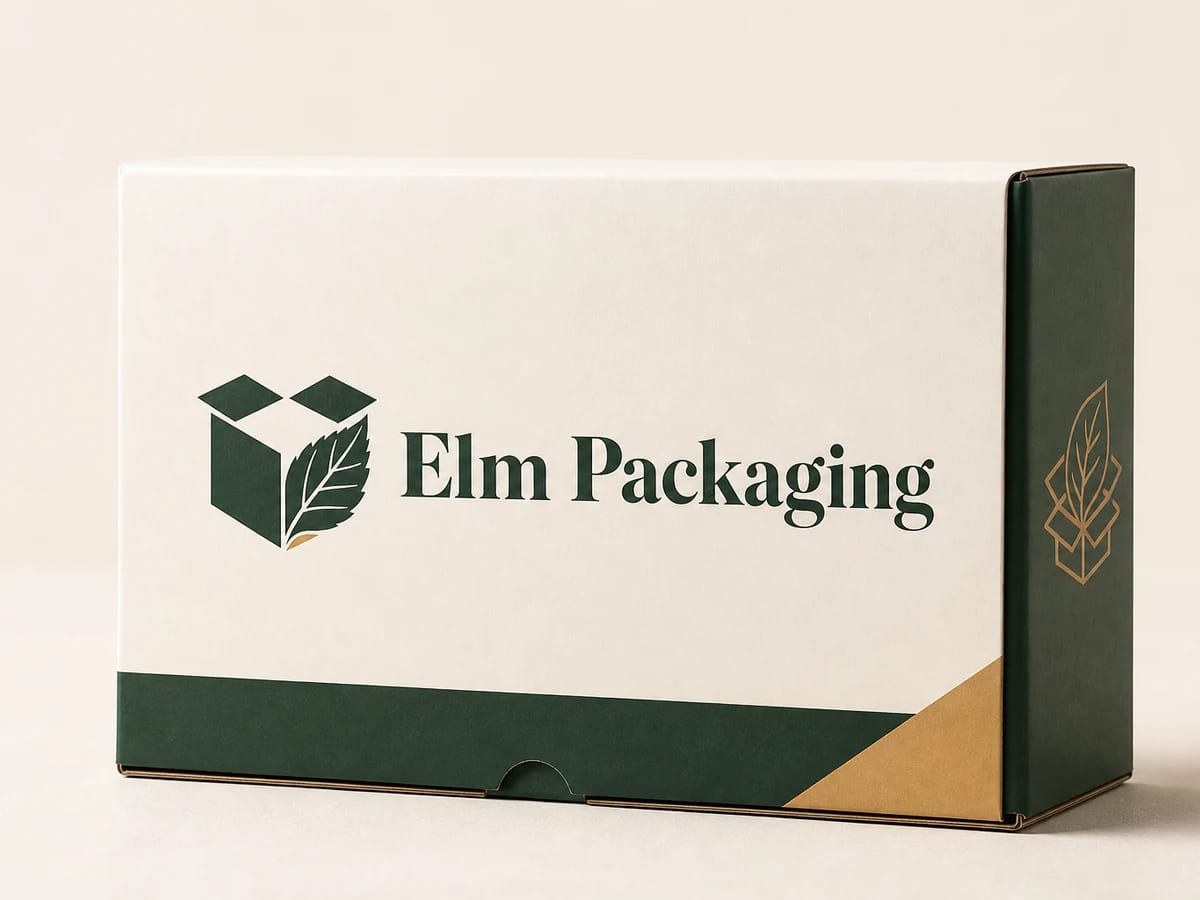
Subscription and gift food assortments sit between these worlds: they need presentation worthy of a gift and structure sturdy enough for repeated shipping. Plan inserts and outer protection as part of the same system rather than bolting a pretty carton onto a weak shipper later.
Shelf-facing cartons
Use flat panels for claims, brand color blocks, and hierarchy that reads from a few feet away. Keep barcodes and required marks on quieter panels with enough contrast to scan reliably.
Assembled-to-order packs
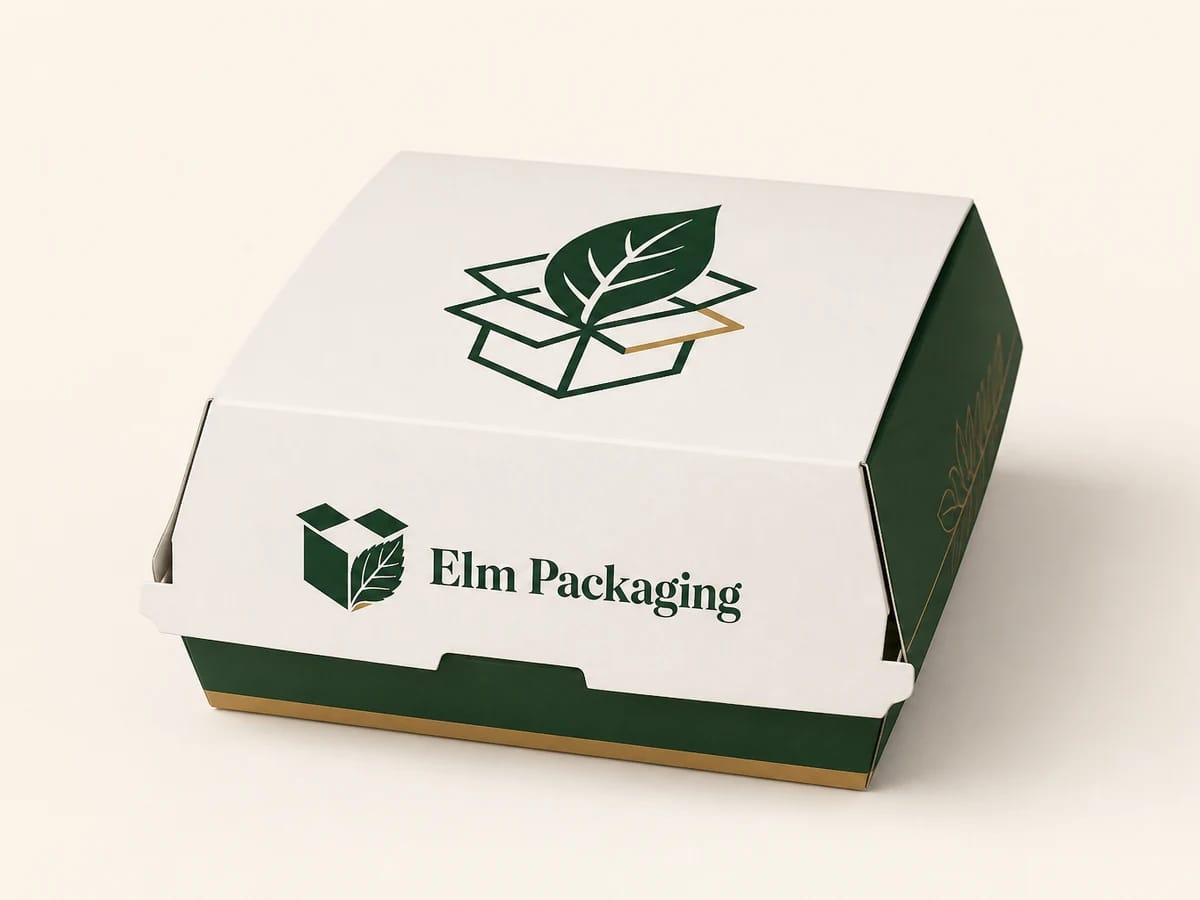
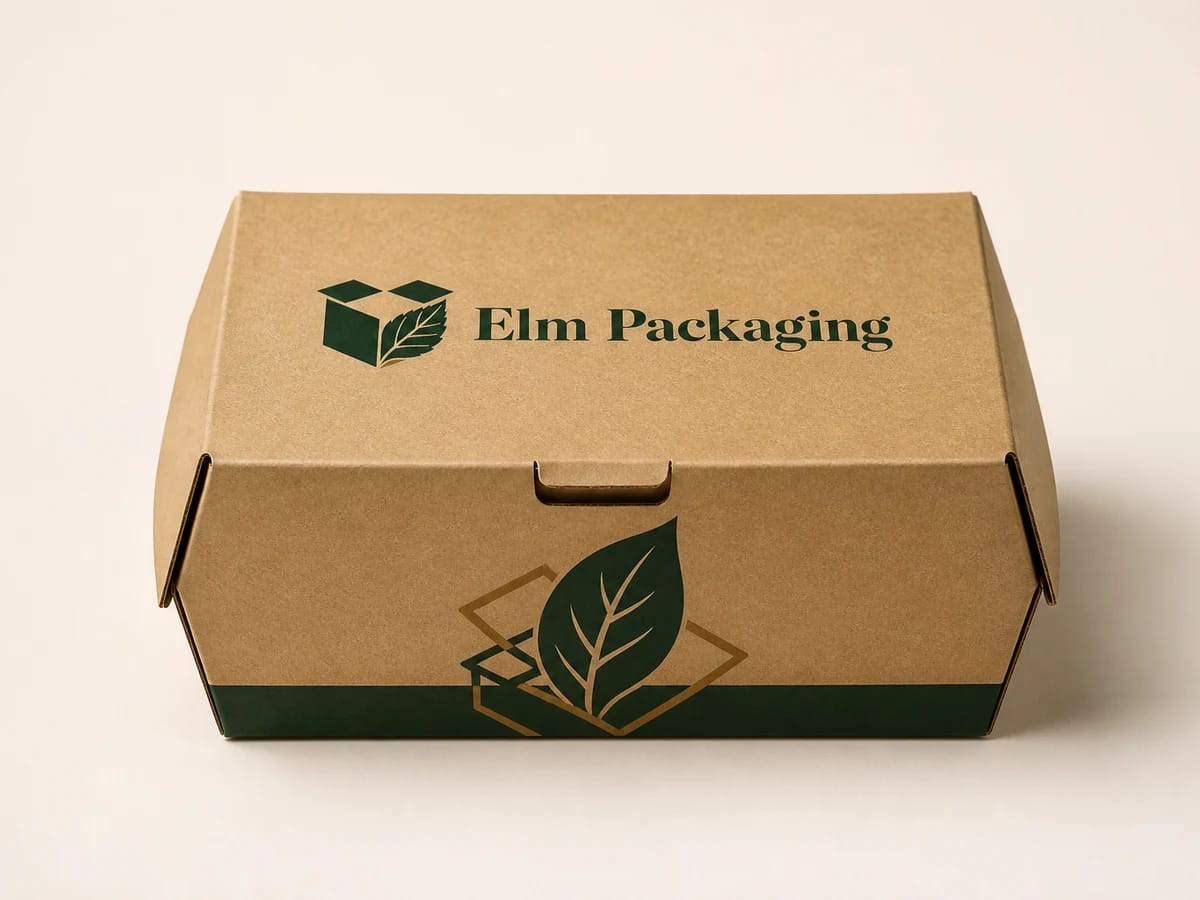
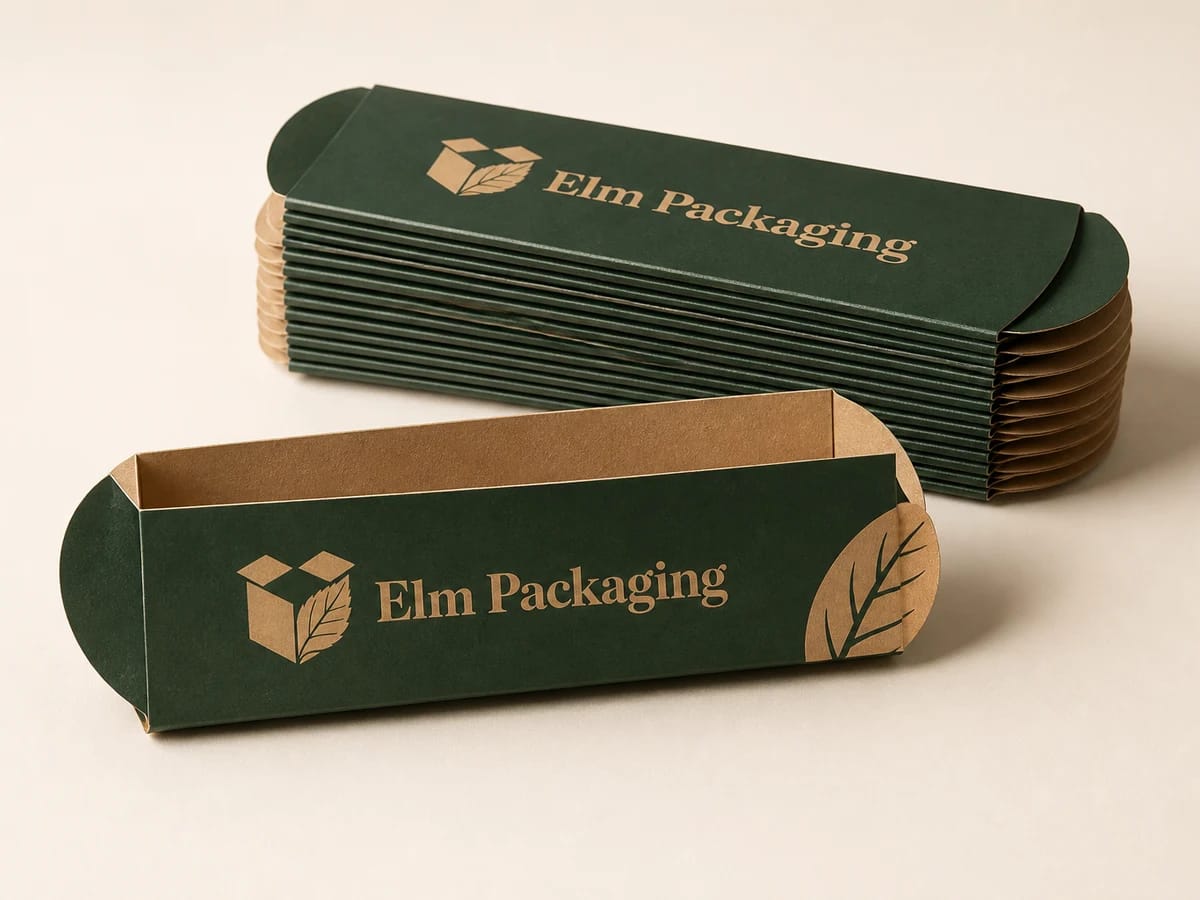
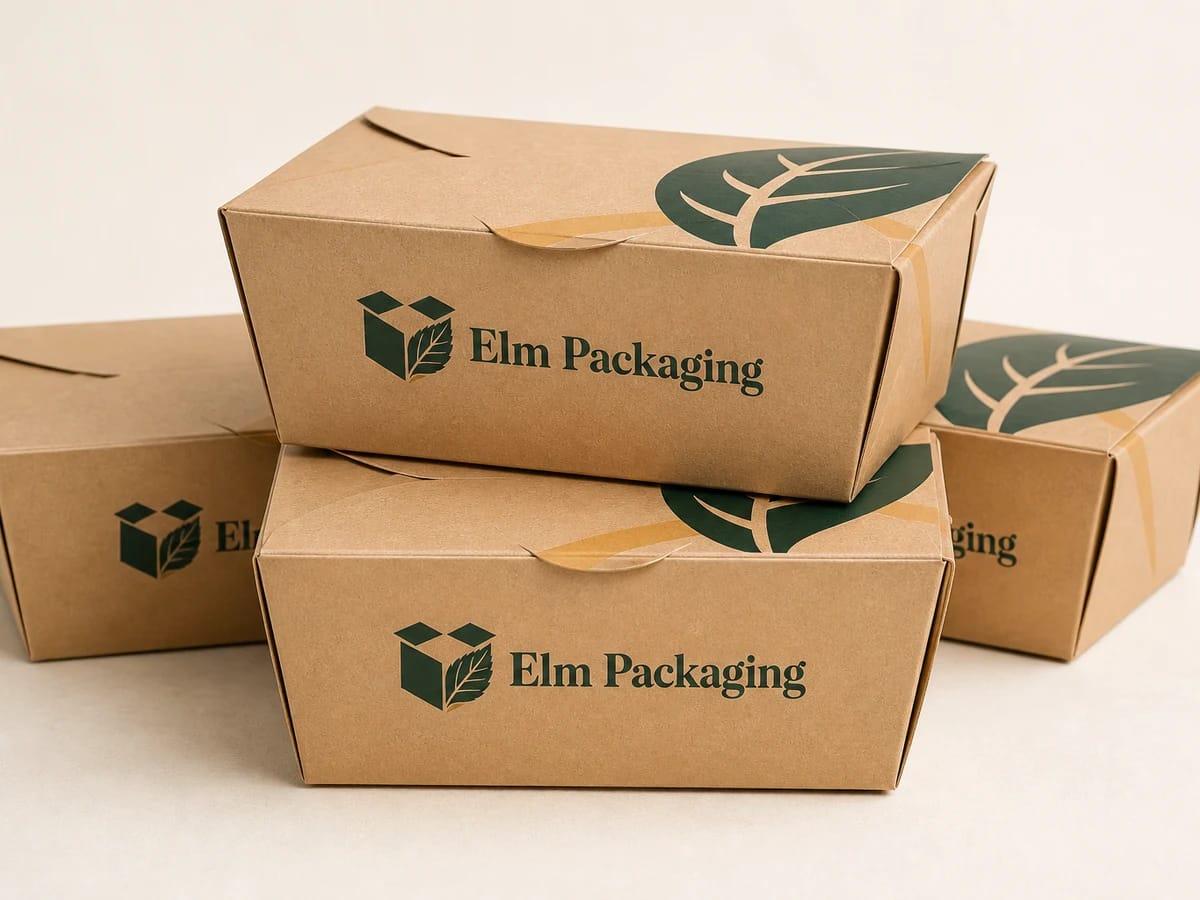
Lock-bottom or auto-bottom styles speed packing when volume spikes during lunch rushes, weekend bakery runs, or seasonal kit assembly. Match closure style to how fast your team needs to load.
Board choices when grease and crush matter
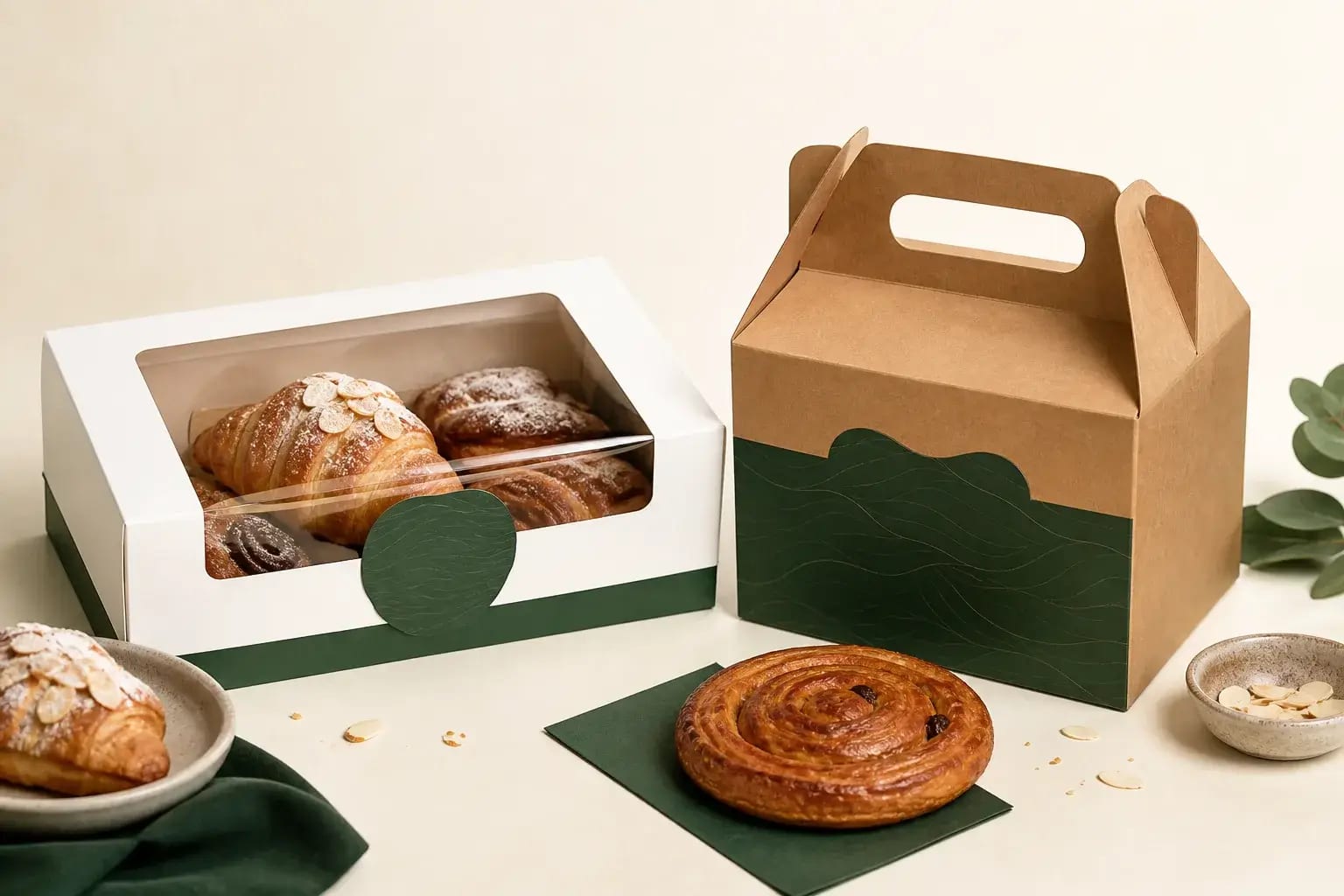
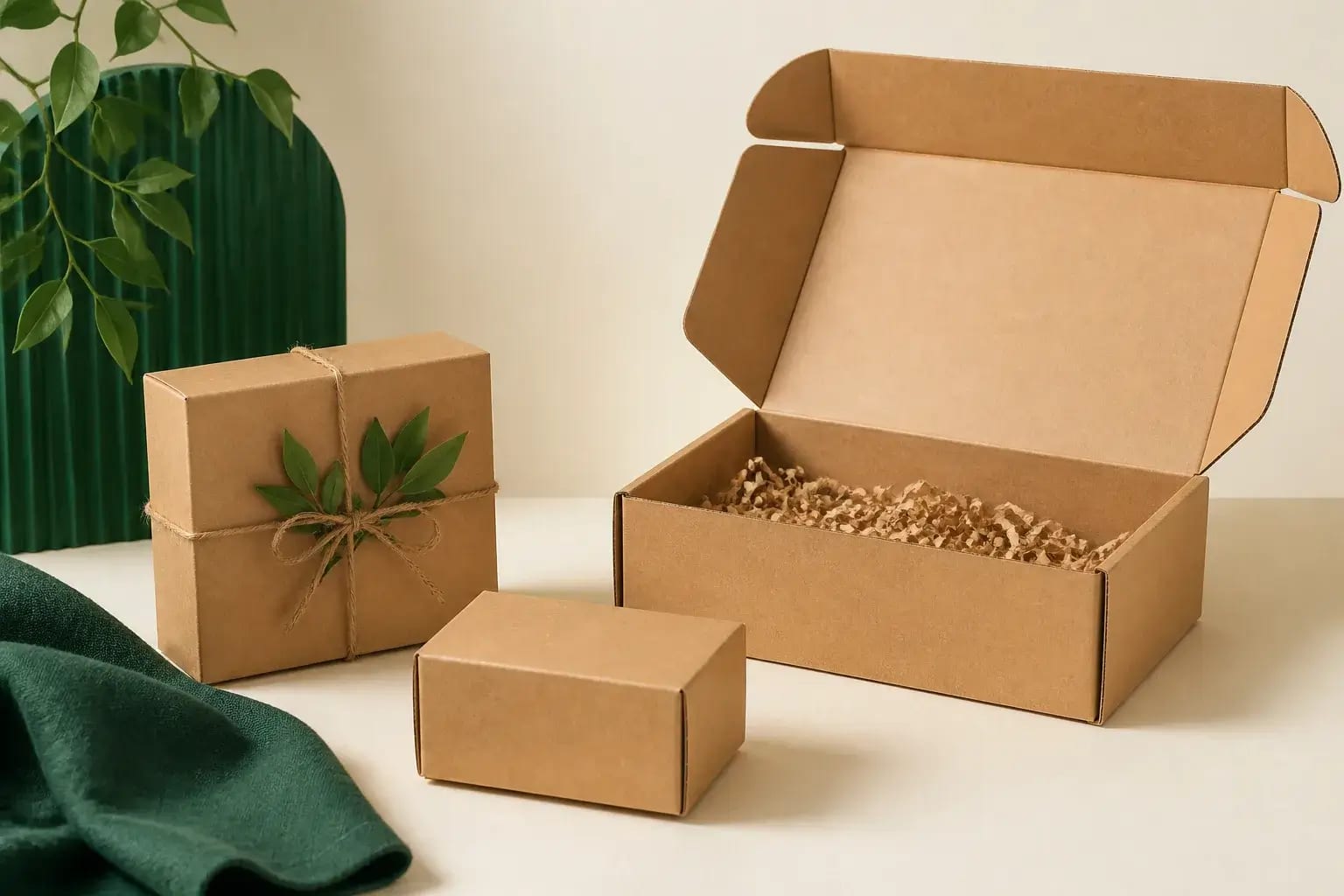
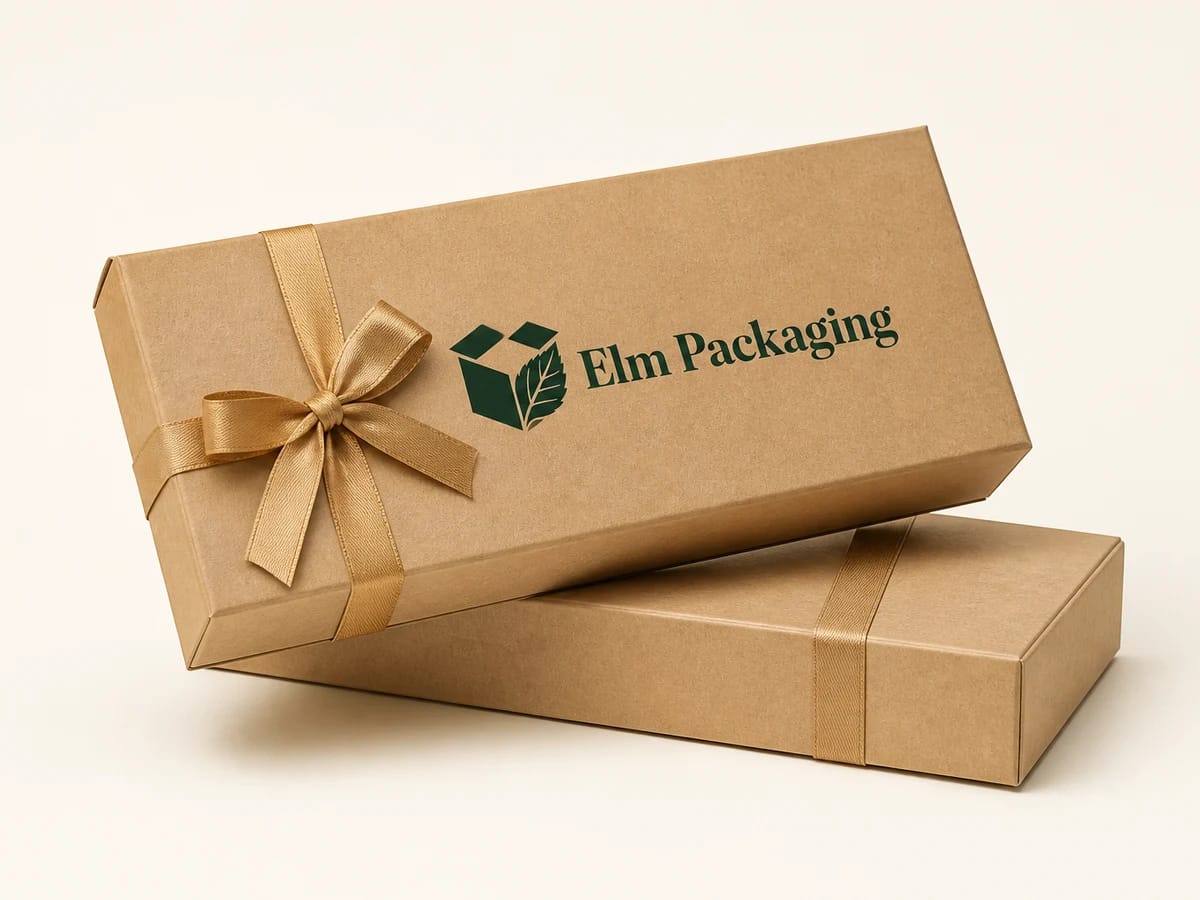
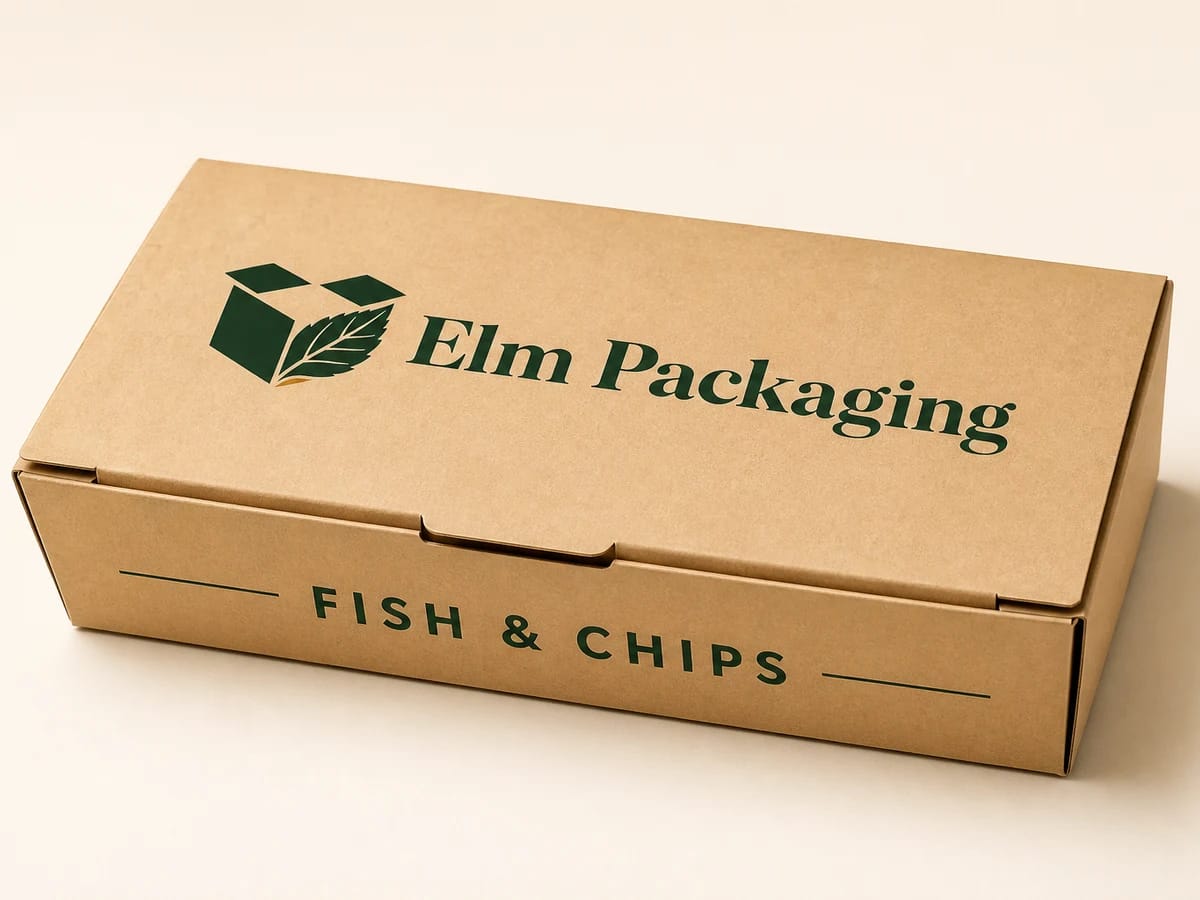
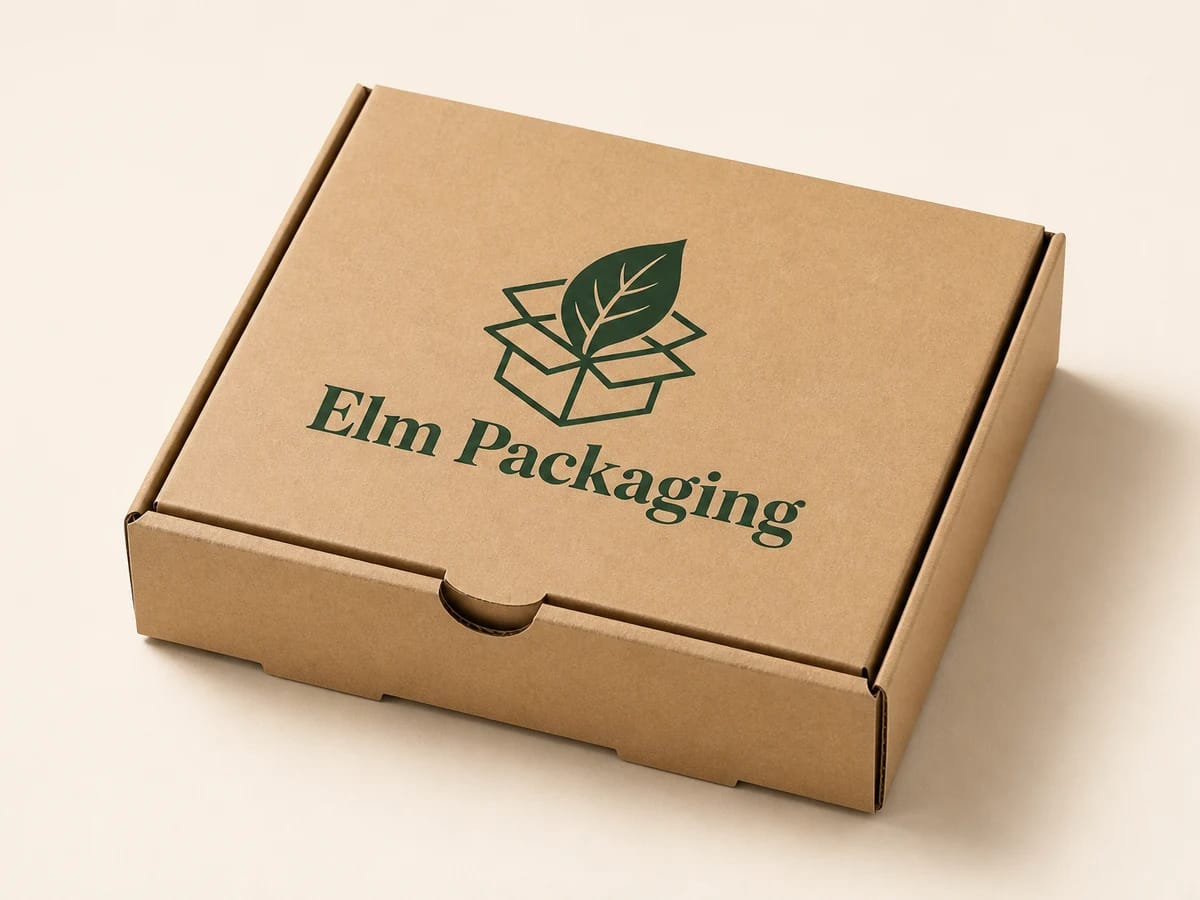
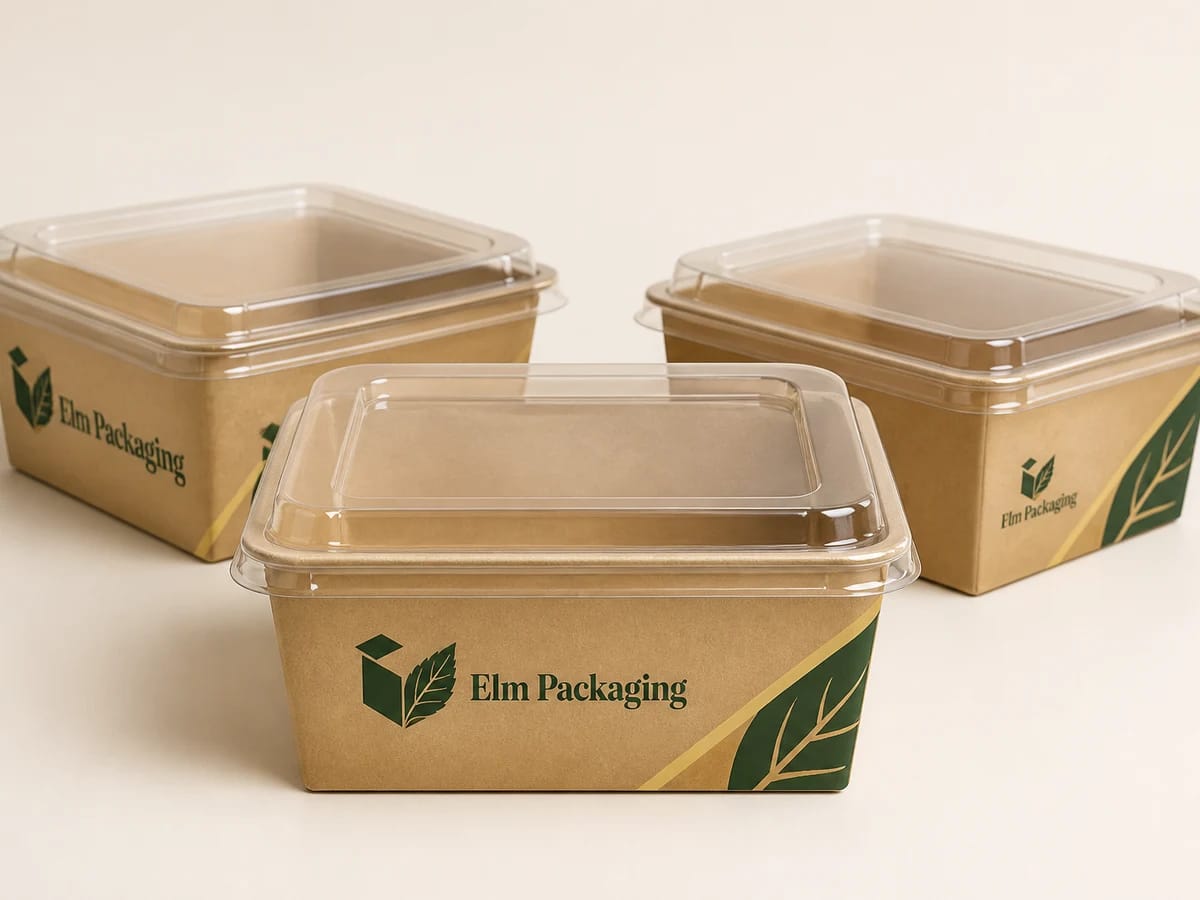
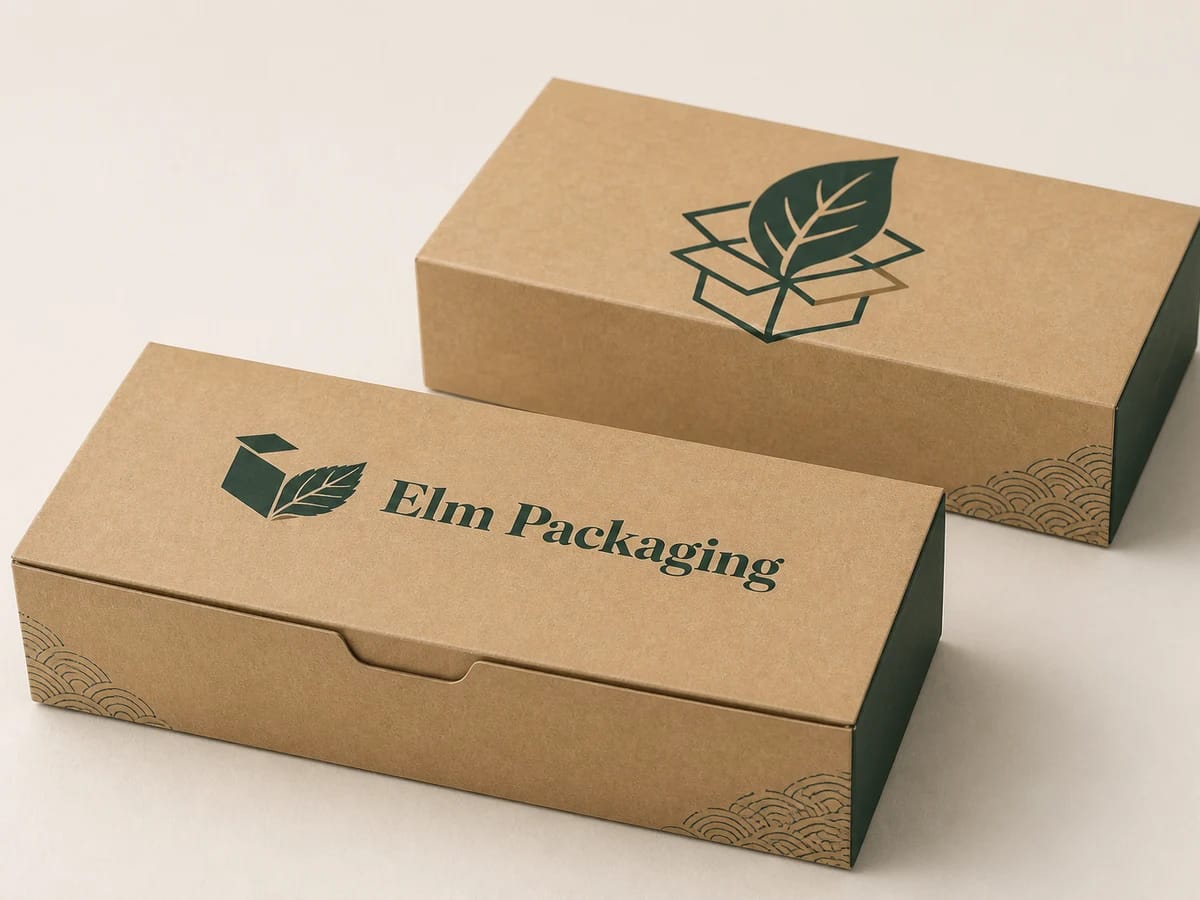
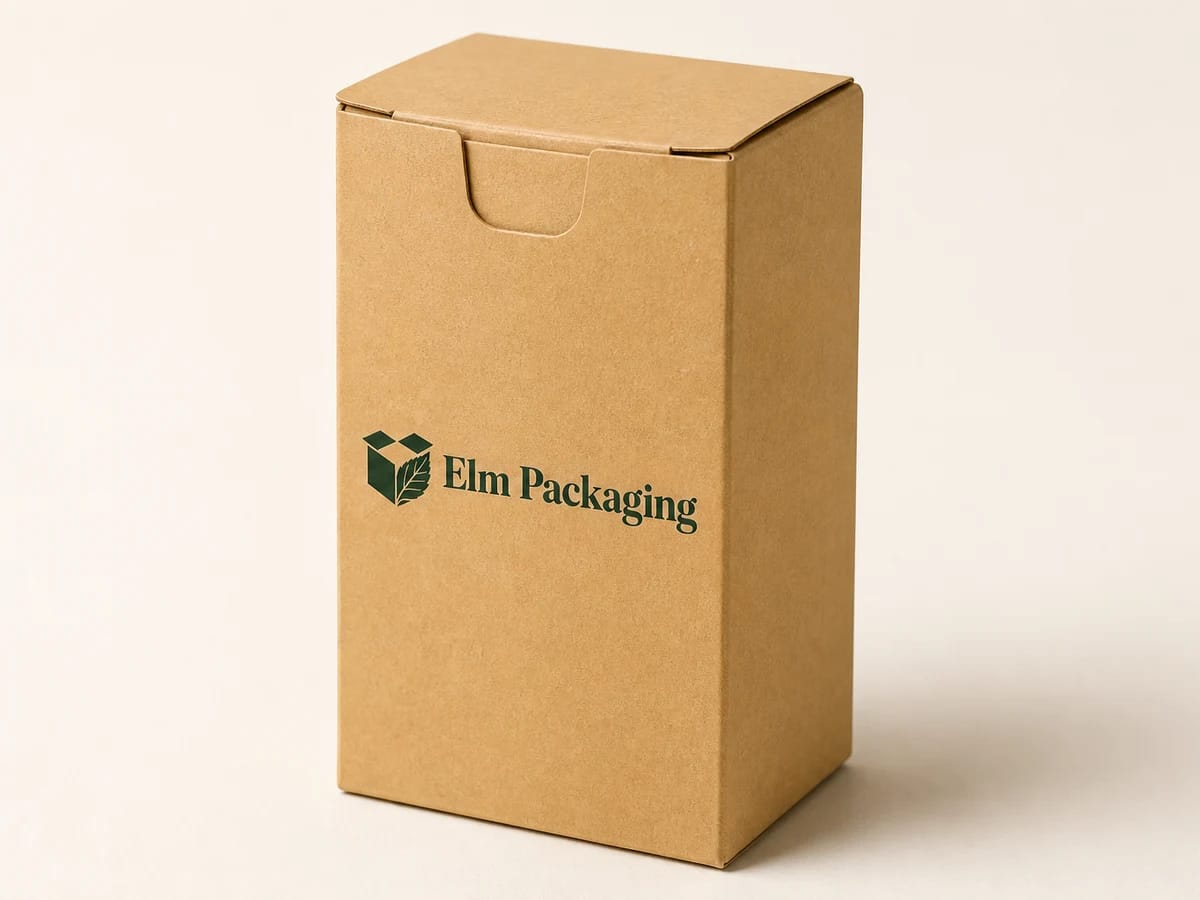
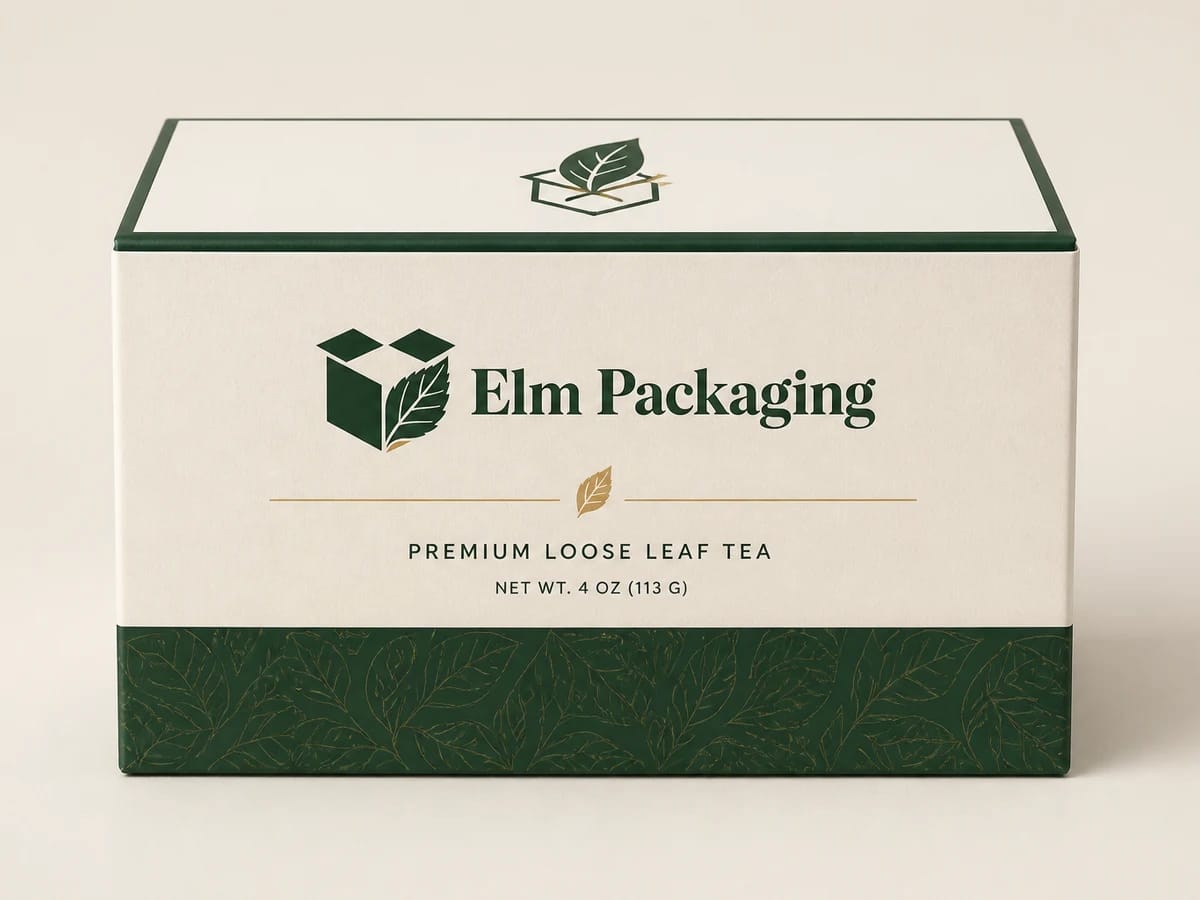
SBS board (solid bleached sulfate—a bright white paperboard) prints vivid full-color graphics for premium snacks, confection, and gift food sets. Kraft board supports a natural look for bakery, farm, and craft food brands that want paper-first packaging. Corrugated adds crush resistance when weight, stacking, or shipping risk is higher than a folding carton should carry alone.
Grease resistance and any food-contact lining should be discussed against your actual product—oil, moisture, steam, and cold-chain storage behave differently than dry goods. Share how the food is packed, held, and shipped so we do not over- or under-spec the board based on a pretty mockup.
Finish choice affects both brand feel and kitchen handling. Matte reduces glare in product photos; gloss can punch color blocks; soft-touch laminate (velvet-feel film) can feel premium on gift assortments but needs care around barcodes and scuff-prone courier routes.
Windows, vents, and inserts without clutter
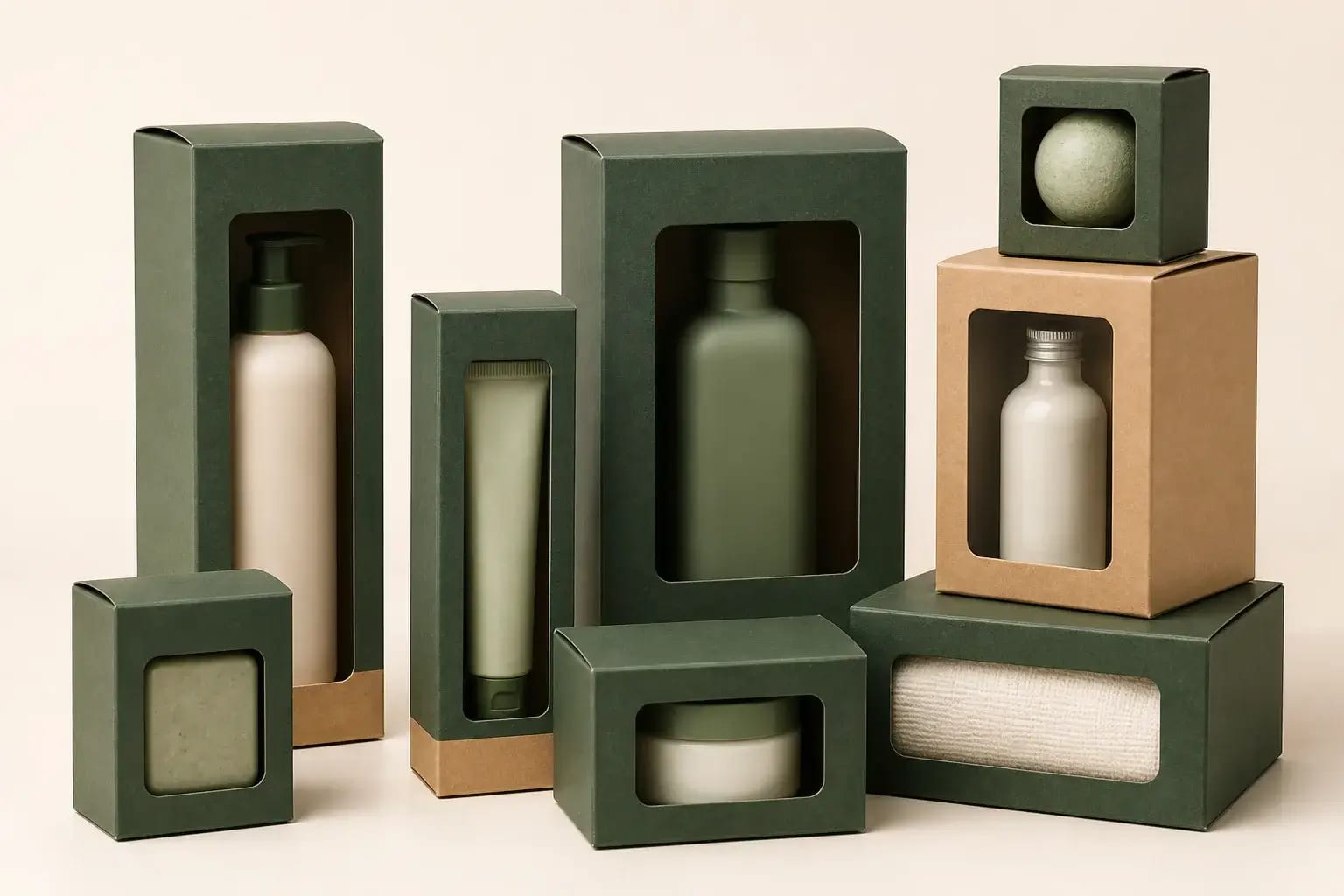
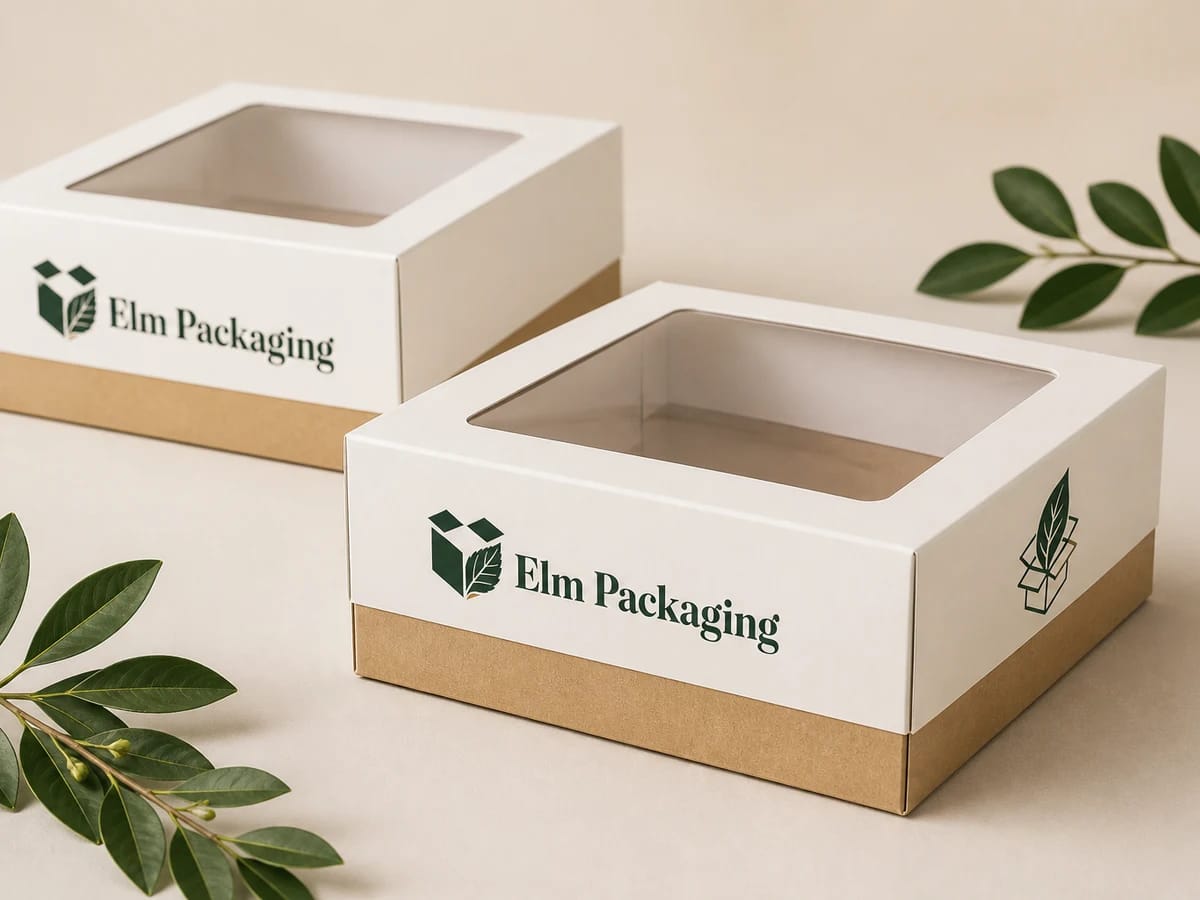
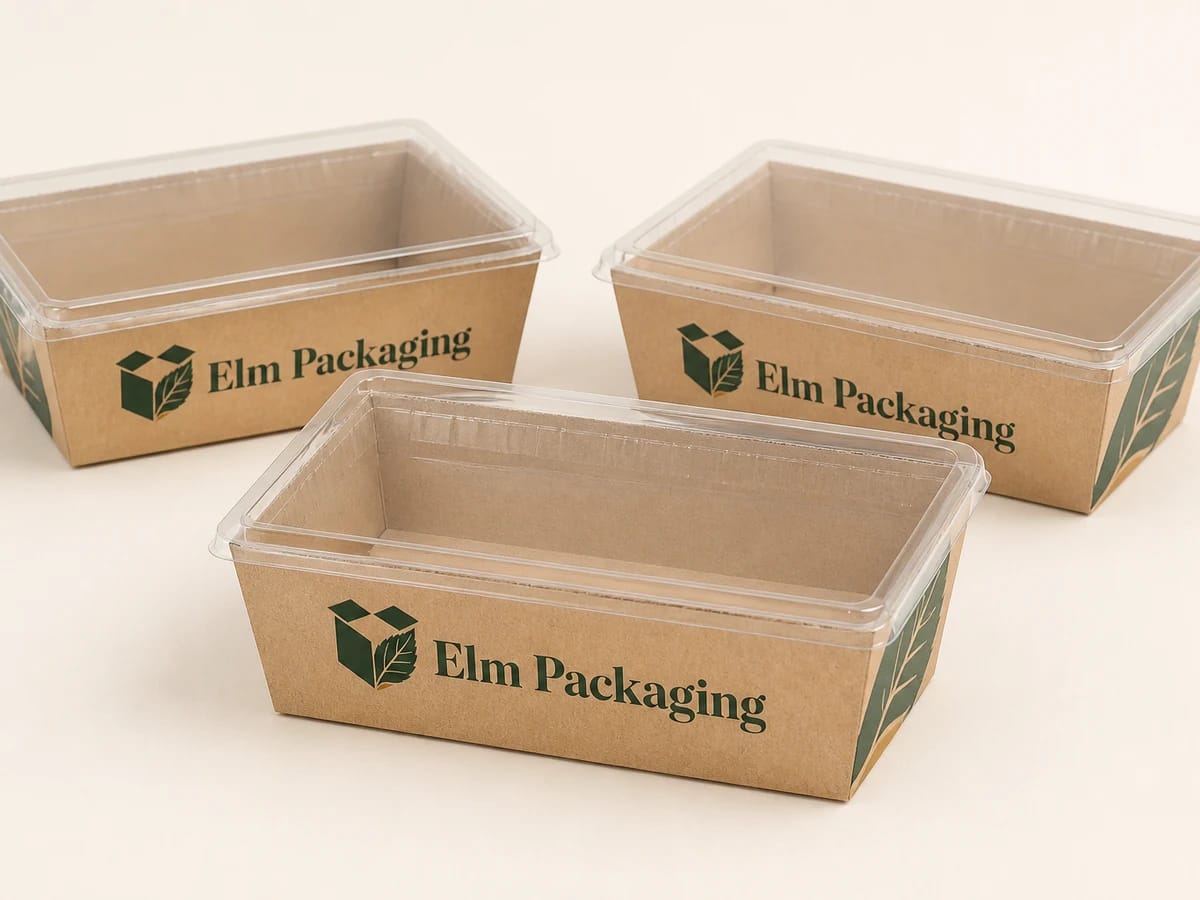
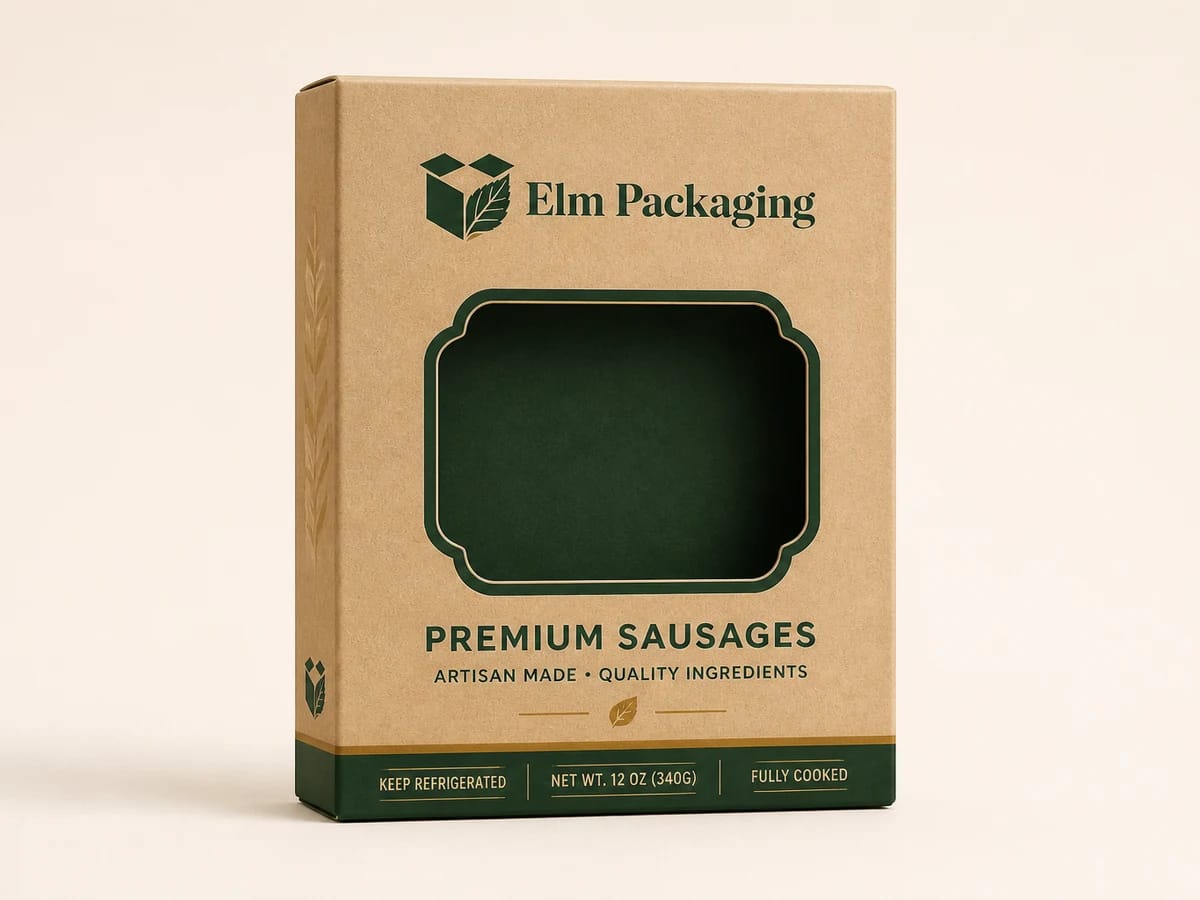
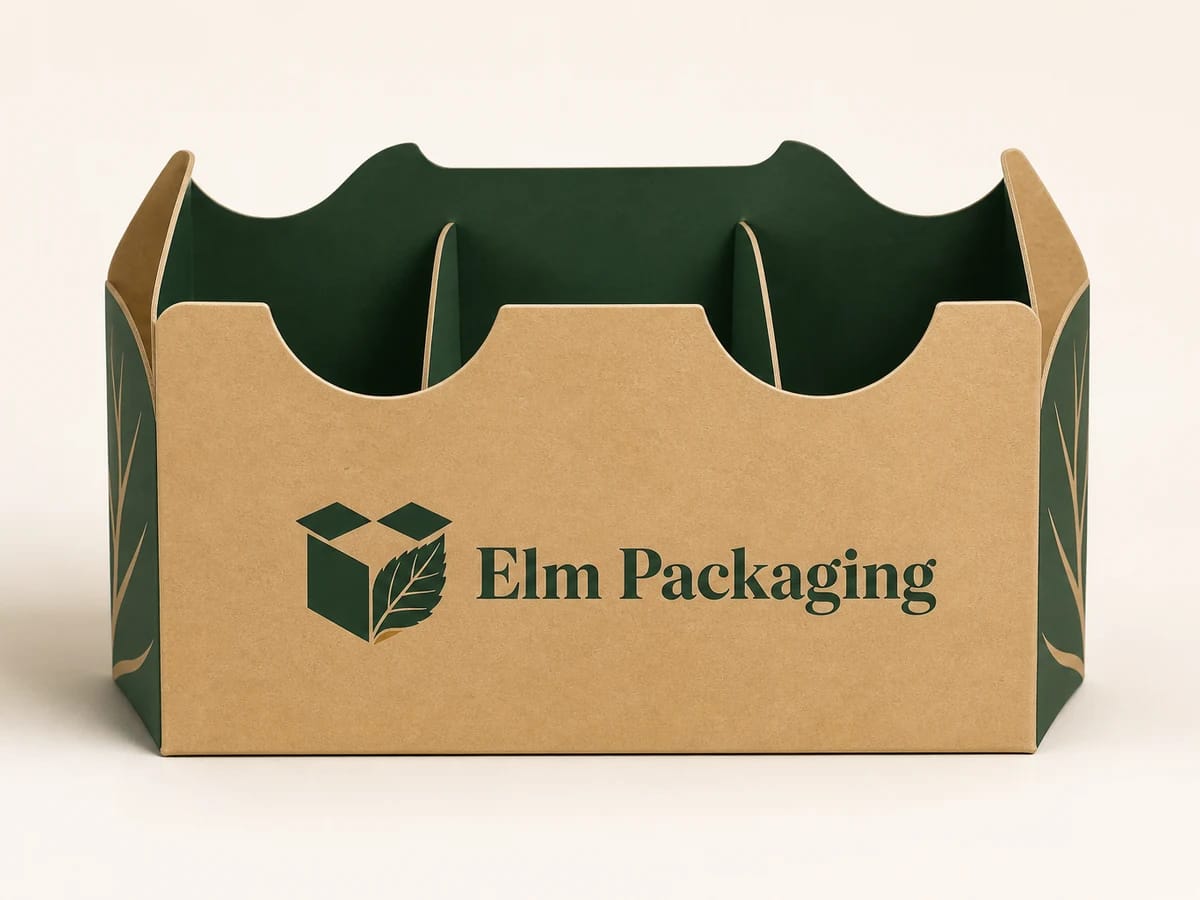
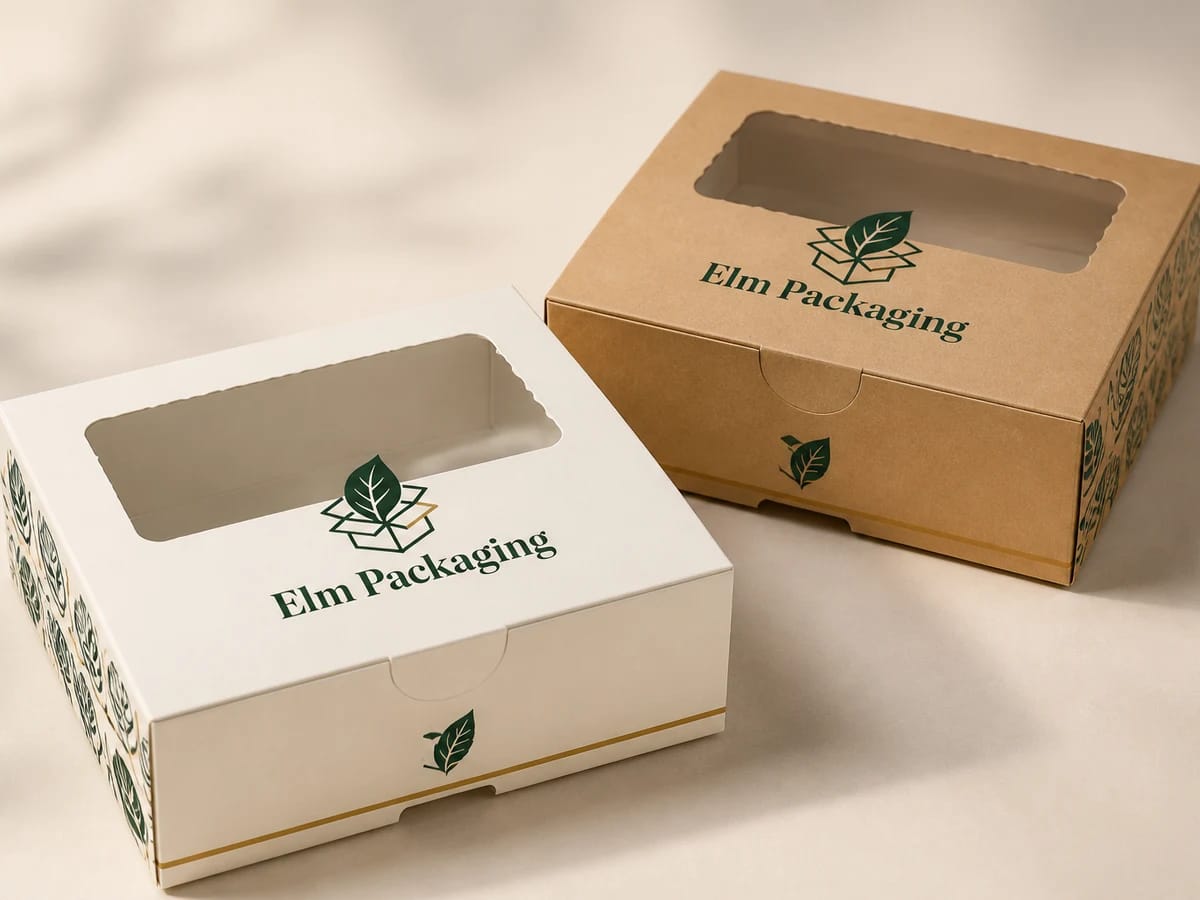
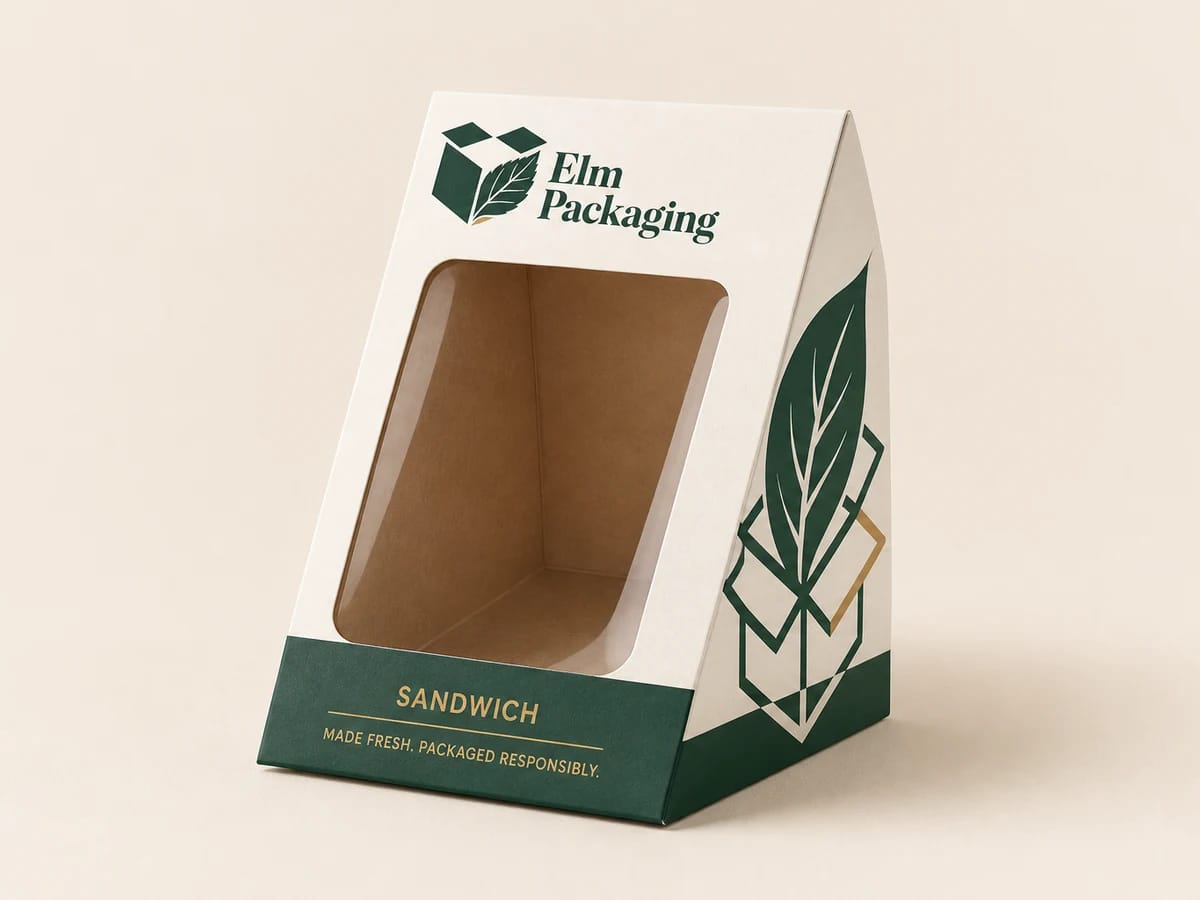
A window patch (clear film over a die-cut opening) lets pastry, confection, or produce show through when visual appetite sells the SKU. Vented structures help heat and steam escape for hot foods so lids do not balloon and soften. Inserts and dividers keep multi-item kits from shifting, leaking into each other, or arriving as a single mixed pile.
Keep windows away from fold stress and seal edges. Too large an opening weakens the carton; too small an opening wastes the visual benefit. Free dieline help places openings where the structure still holds and artwork still has room for claims and brand marks.
- Die-cut windows for bakery and confection displays
- Dividers for meal kits and multi-SKU samplers
- Tuck tops and lock bottoms matched to packing speed
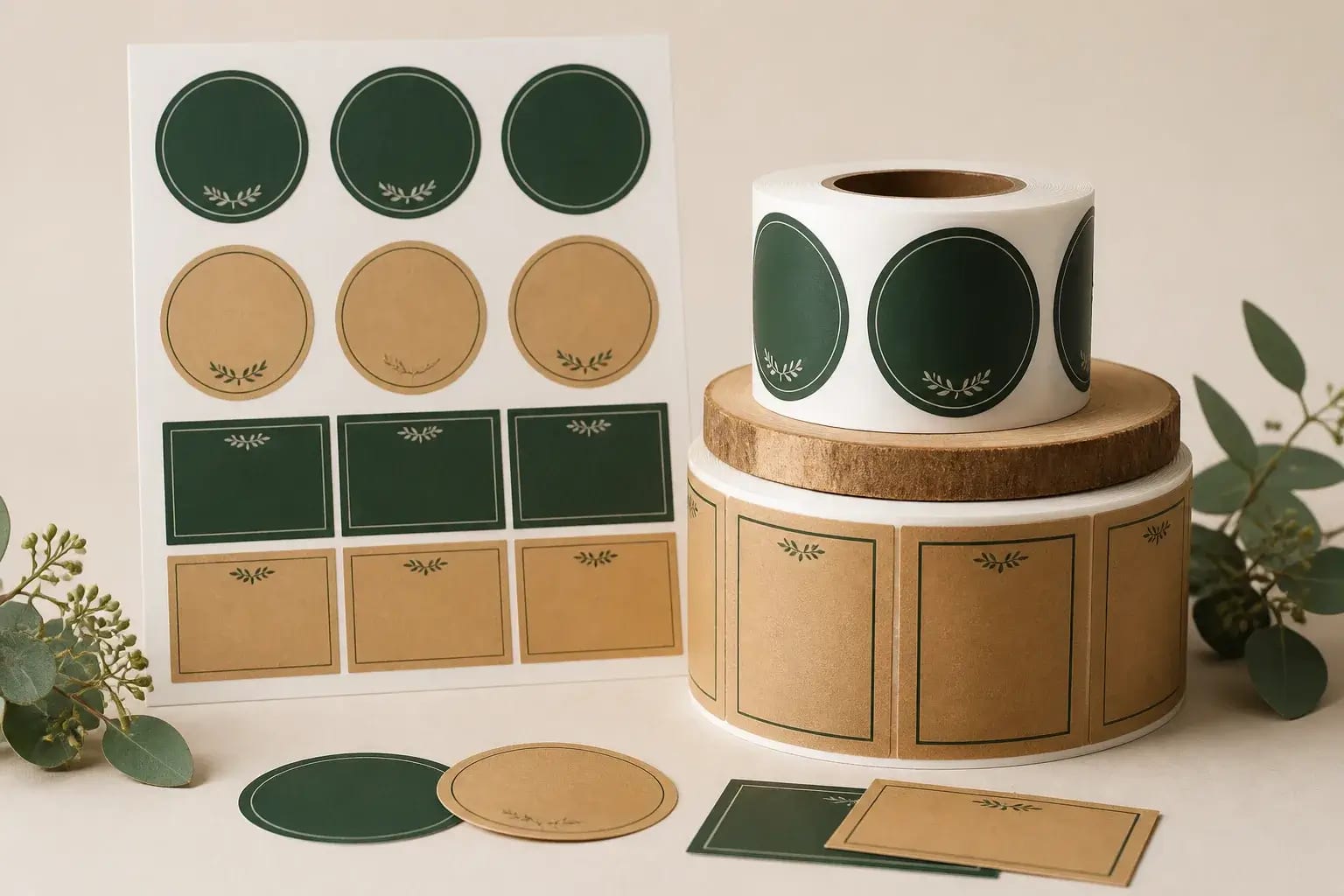
- Coordinated labels when carton real estate is tight
- Shipper pairings when retail cartons also go DTC
Print that stays readable after kitchen handling
Food packs get handled with gloves, stacked on carts, chilled, and sometimes reheated nearby. Type hierarchy for allergens, ingredients, and brand story should survive that chaos. Dense legal copy on a tiny panel fails shoppers and packing teams alike—we flag when type size fights the panel you requested.
If you run many flavors or seasonal SKUs, consider a shared carton footprint with variable label panels or print variants. That keeps structural inventory simpler while still giving each flavor a clear shelf identity.
Quoting custom food packaging with Elm Packaging
Include length, width, height, quantity, product type, and channel (retail, bakery, delivery, gift). Note grease, moisture, heat, window, and divider needs. Attach artwork or request free dieline help so panels and openings are planned before final art. Mention matching labels or mailers if jars, seals, or DTC shippers are part of the same kit.
We confirm board and structure, send proofs, then produce—typically about 7 days after approval. Specialty windows, coatings, or larger quantities can adjust timing, and we confirm that on your quote. Start at /get-a-quote with enough product context that protection and print can be designed together.
Material options
SBS folding carton board
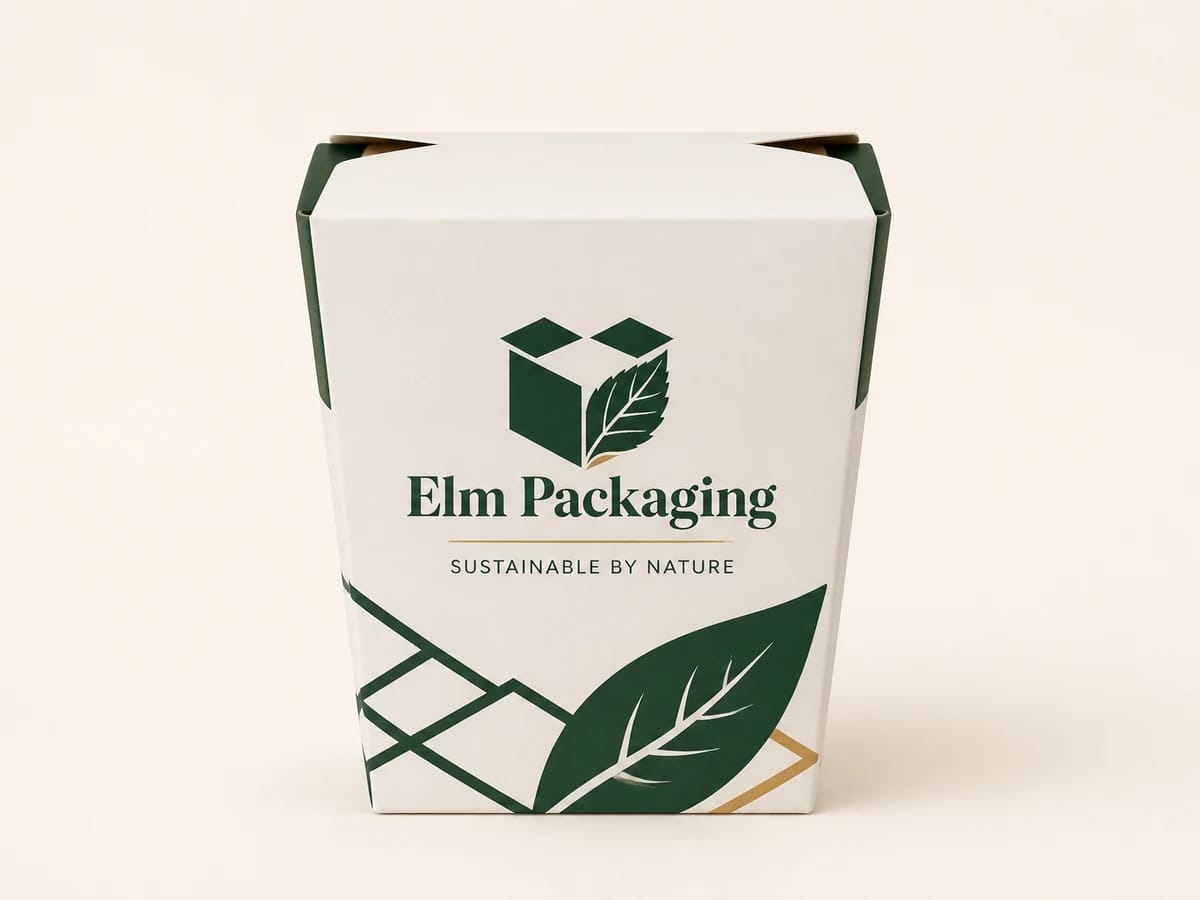
Bright white board for printed snack and retail food cartons when full-color shelf presence matters.
Kraft food cartons
Natural kraft look for bakery, farm, and craft food brands that want paper-first packaging.
Corrugated food shippers
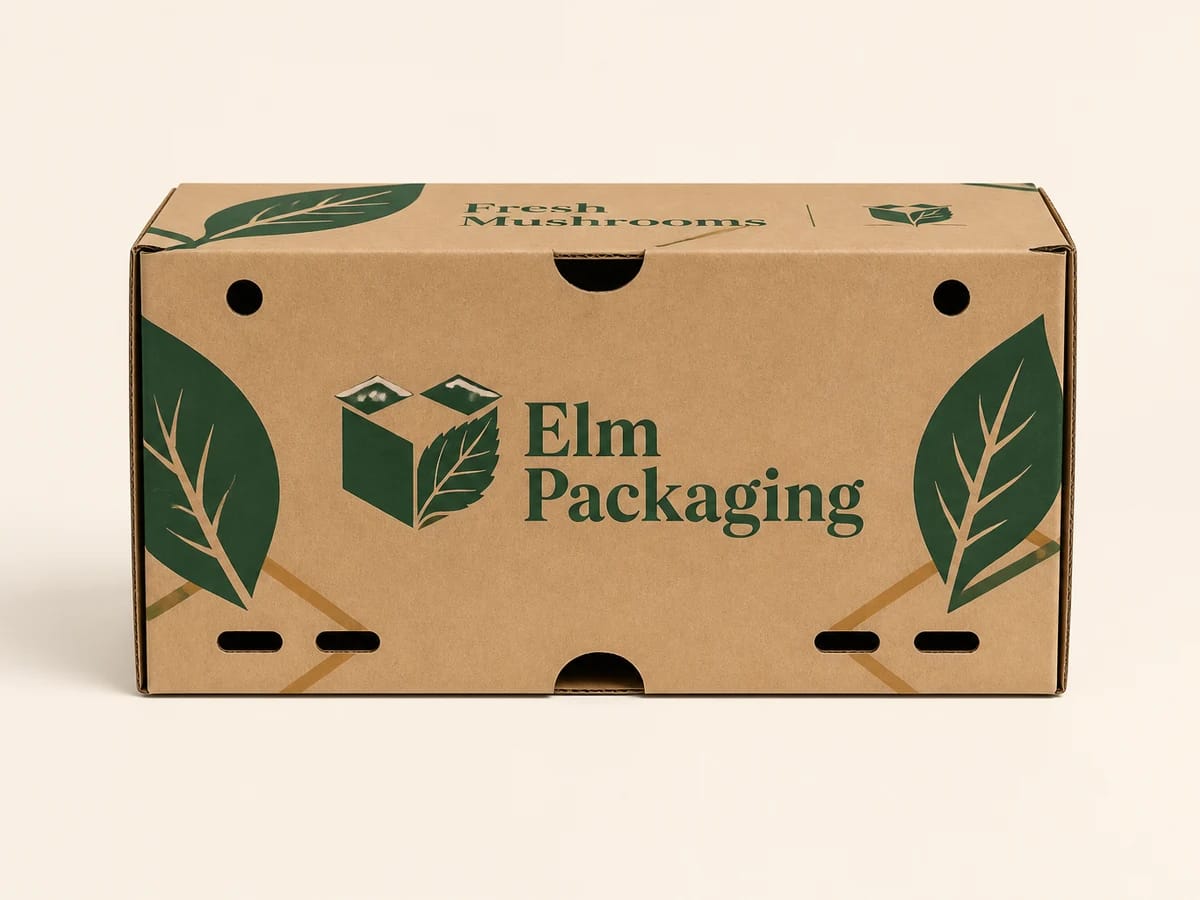
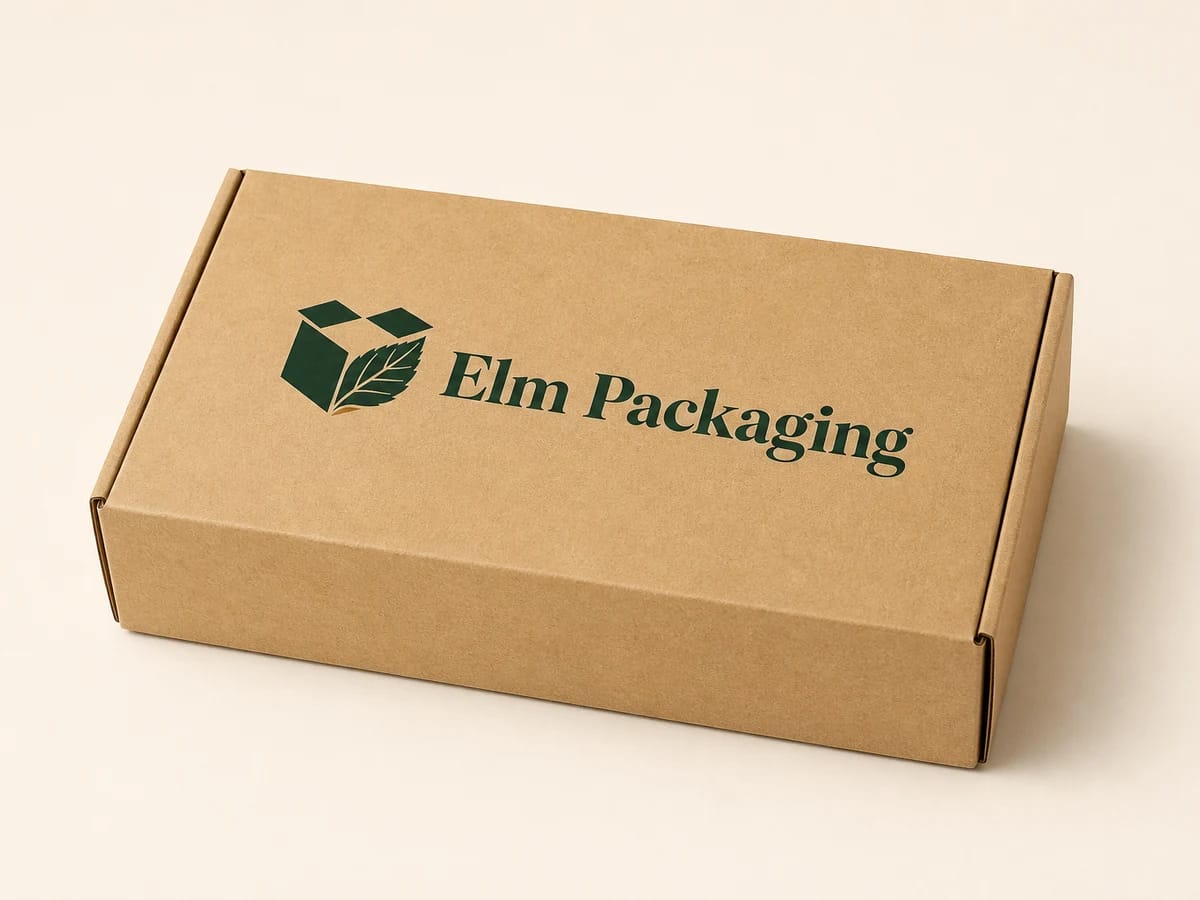
Fluted strength (the wavy inner layer that resists crush) for heavier kits and delivery packs that need more protection.
Customization options
- Custom footprints for bars, bakery, snacks, and meal kits
- Windows, vents, and partitioned inserts
- Full-color print with matte or gloss finishes
- Lock-bottom and tuck-top styles for packing speed
- Coordinated labels and seals for multi-part kits
Best suited for
- Retail snack and grocery shelf cartons
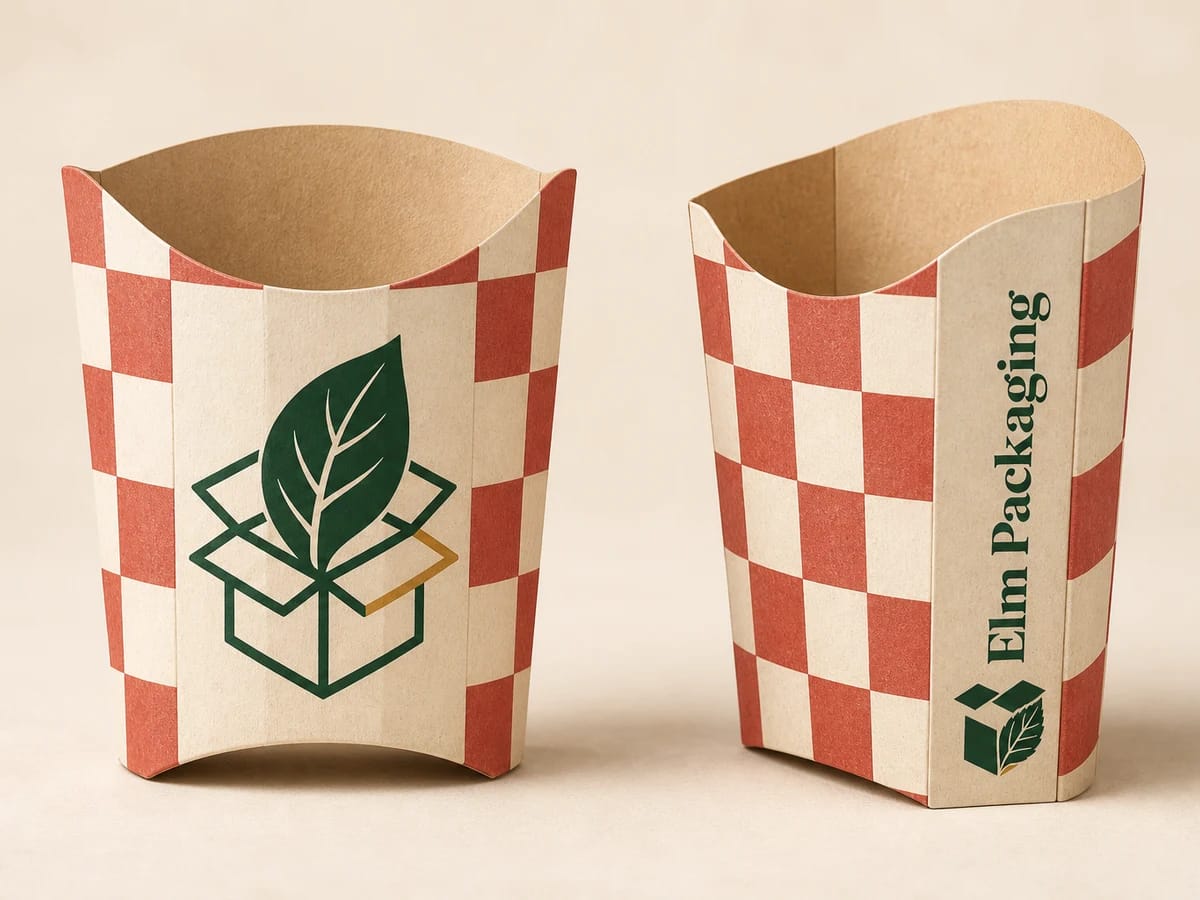
- Bakery and café takeout packs
- Meal kit and multi-item food sets with dividers
- Gift food assortments with printed brand panels
FAQ
What is the minimum order for custom food boxes?
Most food box projects start around 100 units. Share dimensions and quantity so we can confirm a practical run size.
How long does production take after I approve proofs?
Production commonly takes about 7 days after proof approval. Rush 3–4 days may be available—note timing on your quote. Windows, specialty coatings, or larger quantities can adjust timing—we confirm on your quote.
Can food boxes include a clear window?
Yes. Window patches are common for bakery and confection packs. We place openings so the carton still holds structure.
Do you help with dielines for food cartons?
Yes. Free dieline help is available so panels, windows, and folds are clear before artwork is finalized.
Kraft or white board—which fits food packaging?
Kraft supports a natural bakery or farm look; white SBS board supports vivid full-color retail graphics. Product and brand story guide the choice.
Can I order matching labels with food boxes?
Yes. Many brands pair cartons with custom labels for jars or seals. Include both needs in one quote at /get-a-quote.
How do I start a food boxes quote?
Go to /get-a-quote with size, quantity, product type, channel, and any grease or window notes. We follow up with specs and proofs.