Description
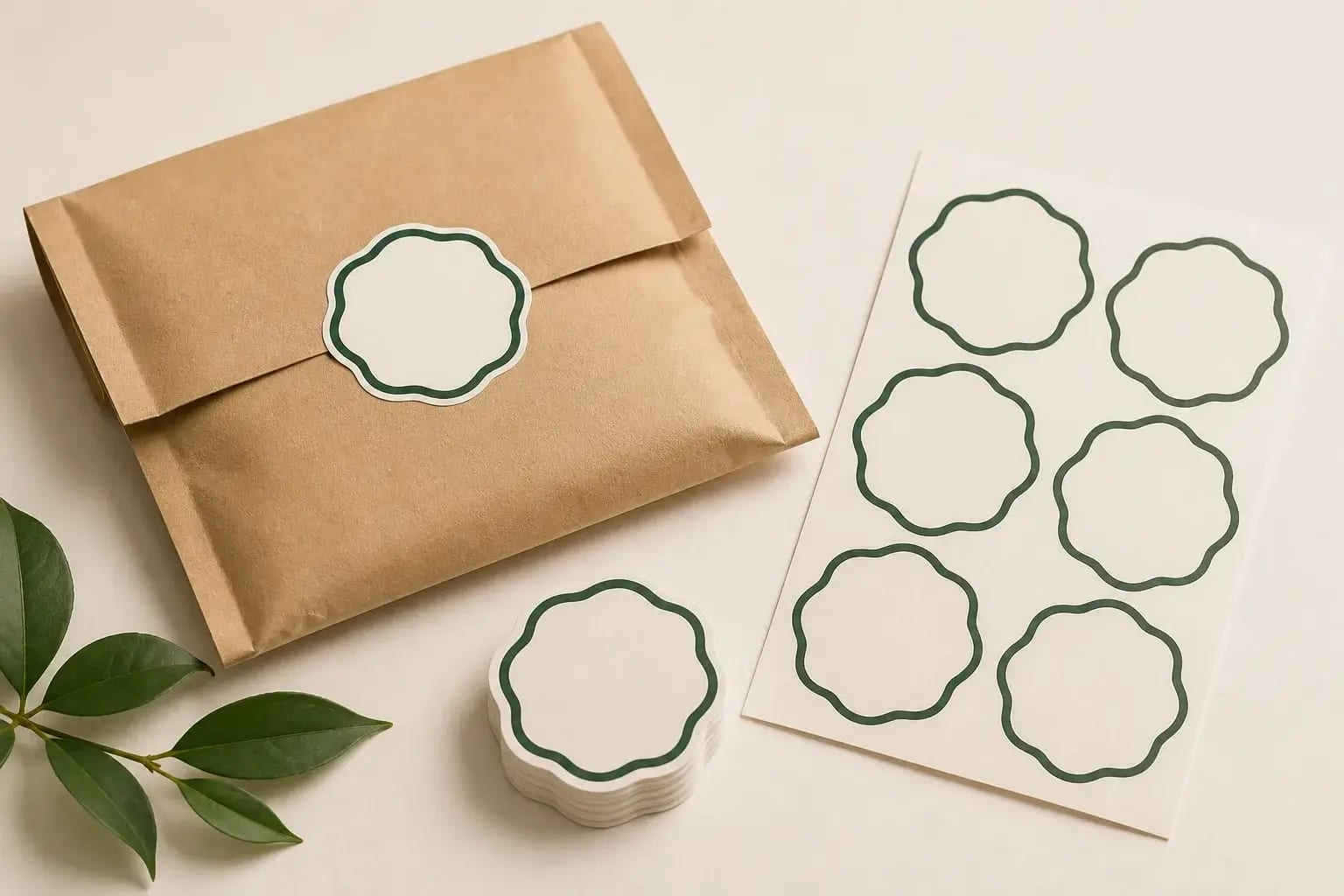
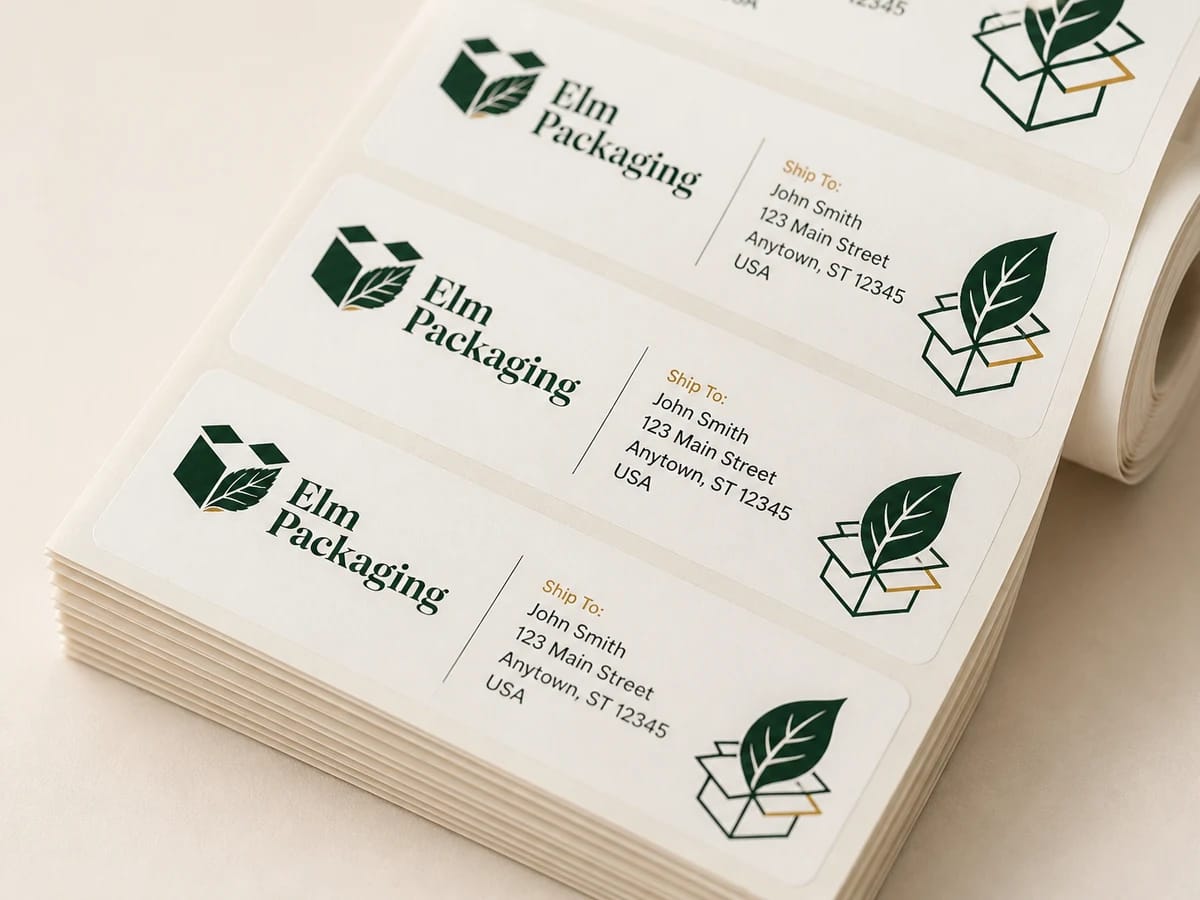
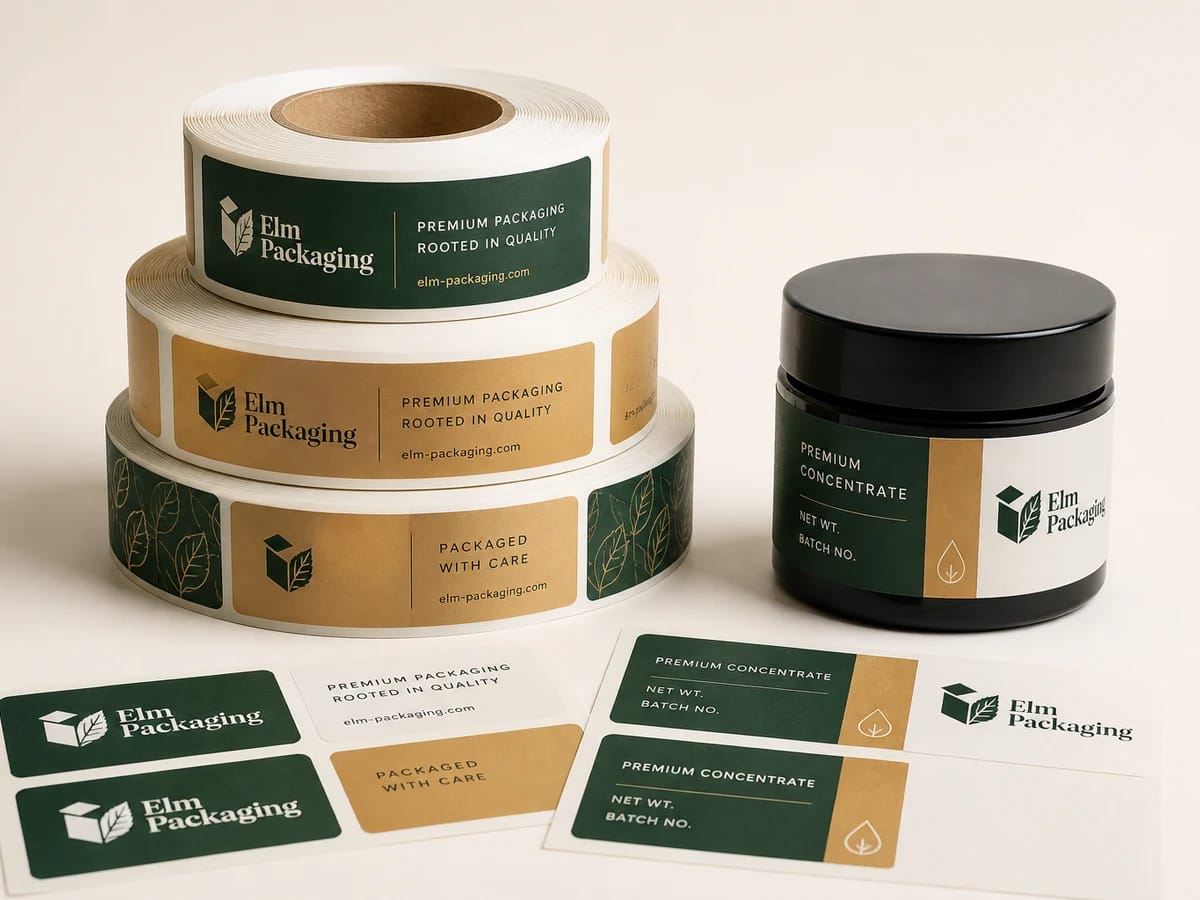
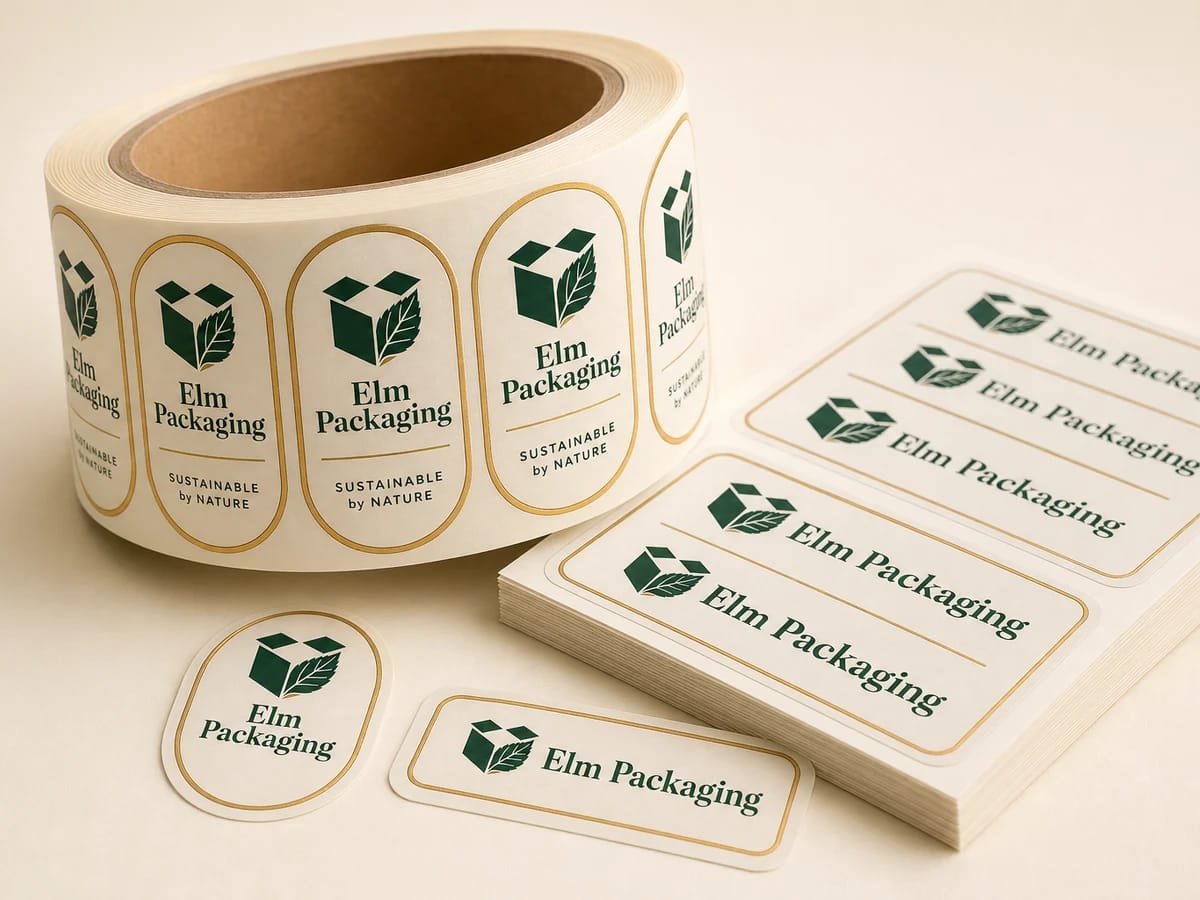
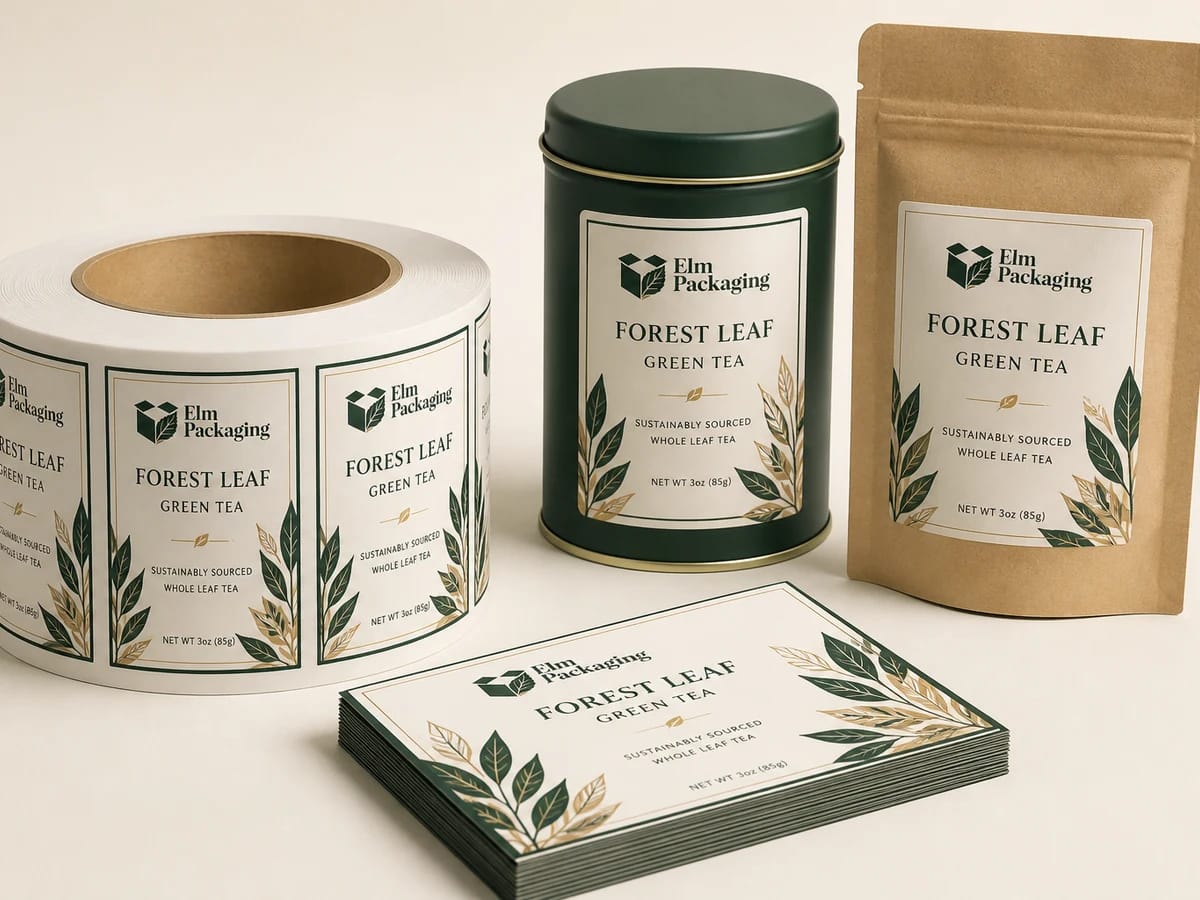
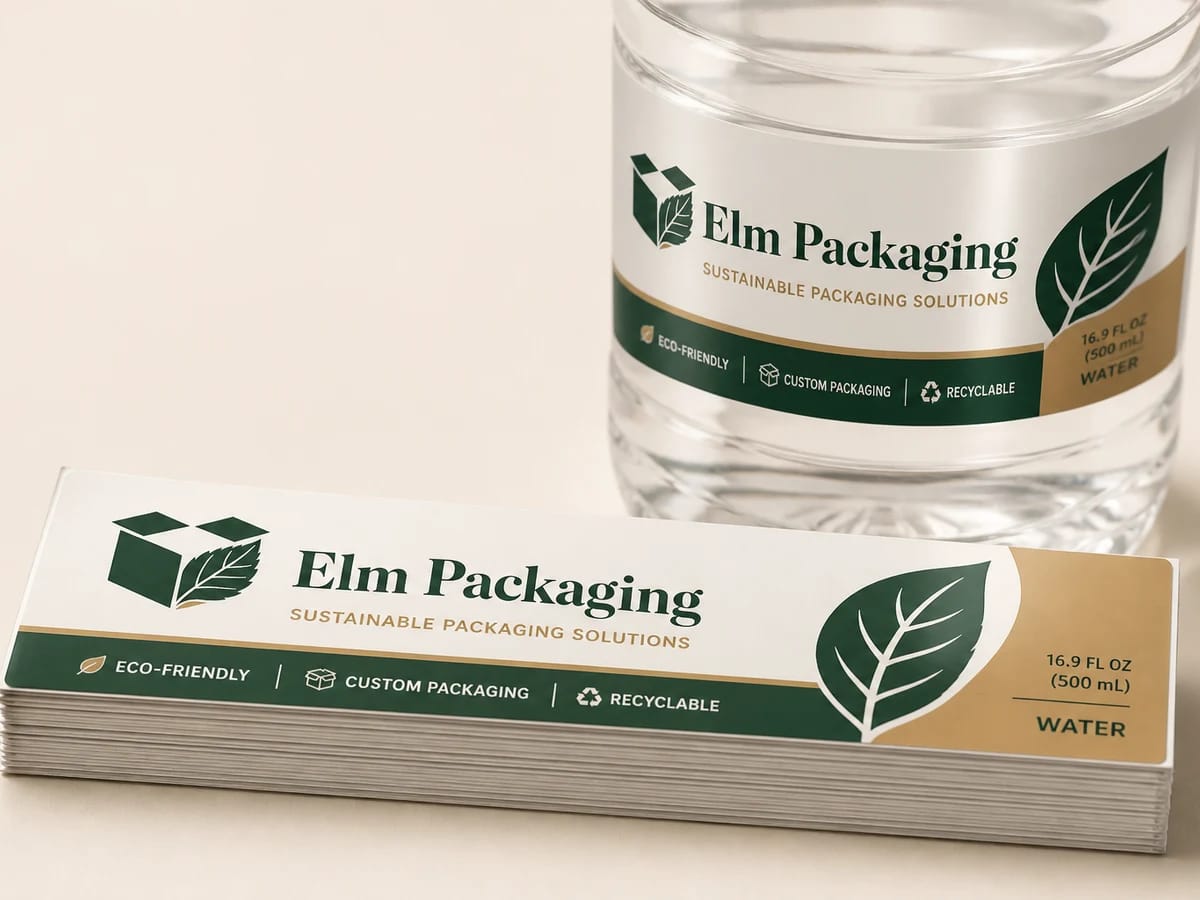
Custom labels are the last inch of brand control on a jar, tube, pouch, or folding carton. When type is sharp, adhesive holds through packing, and color matches the rest of the kit, shoppers read a finished product—not a temporary sticker. Elm Packaging prints custom labels built to work with your boxes and bags so the system feels designed.
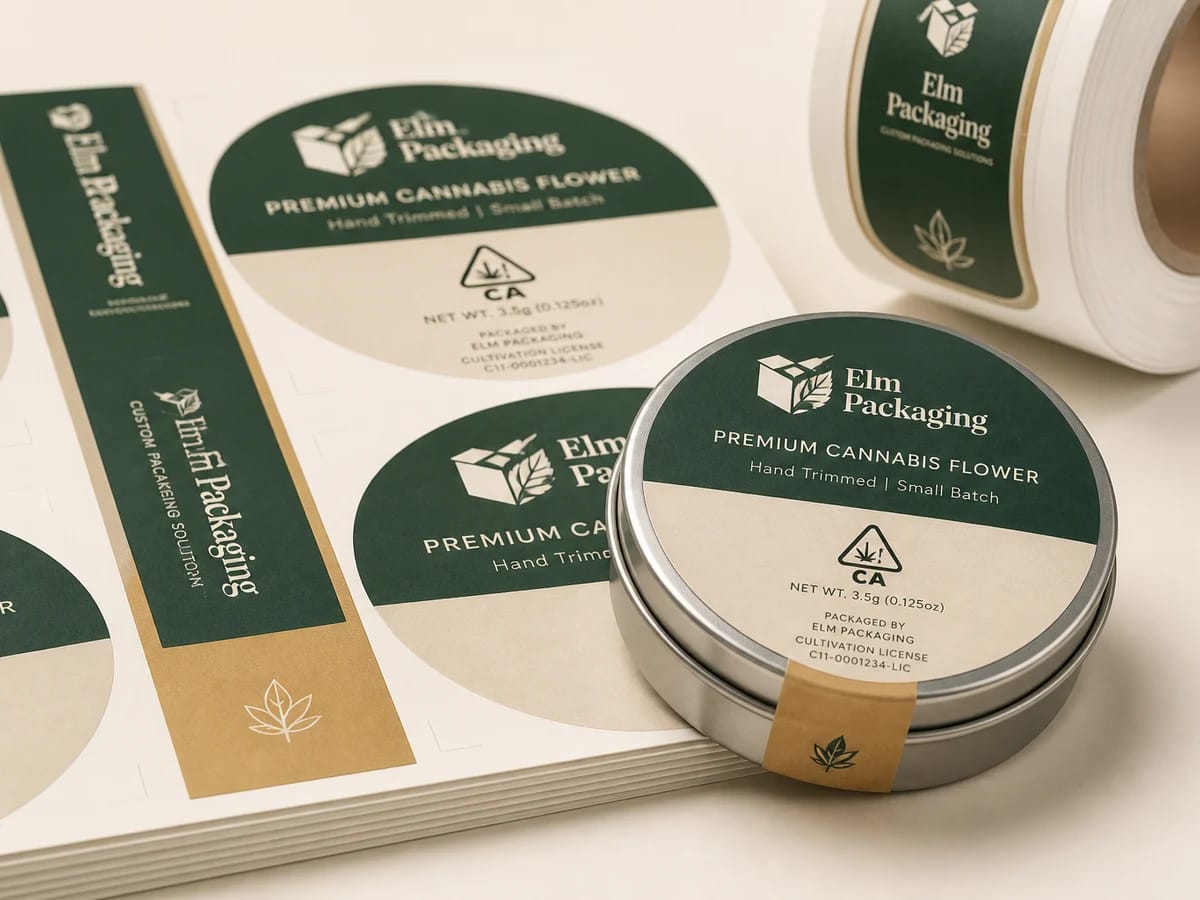
Brands usually need labels when a line launches, shelf copy outgrows a blank container, or a seasonal drop needs a new skin without new tooling. We lock size, shape, face stock, and finish early so application stays straight and barcodes stay scannable on glass, coated board, kraft, and film. Typical minimums start around 100 units, with production often about 7 days after you approve proofs.
Already have a dieline (the flat cut template that shows knife lines and safe margins)? Attach it to your quote. If you do not, free dieline help is available so artwork lands inside bleed and quiet zones. Start at /get-a-quote with finished size, quantity, application surface, sheet vs roll preference, and how you will apply the labels—plus any wrap notes if the label curves around a bottle or jar.
What custom product labels should do on shelf
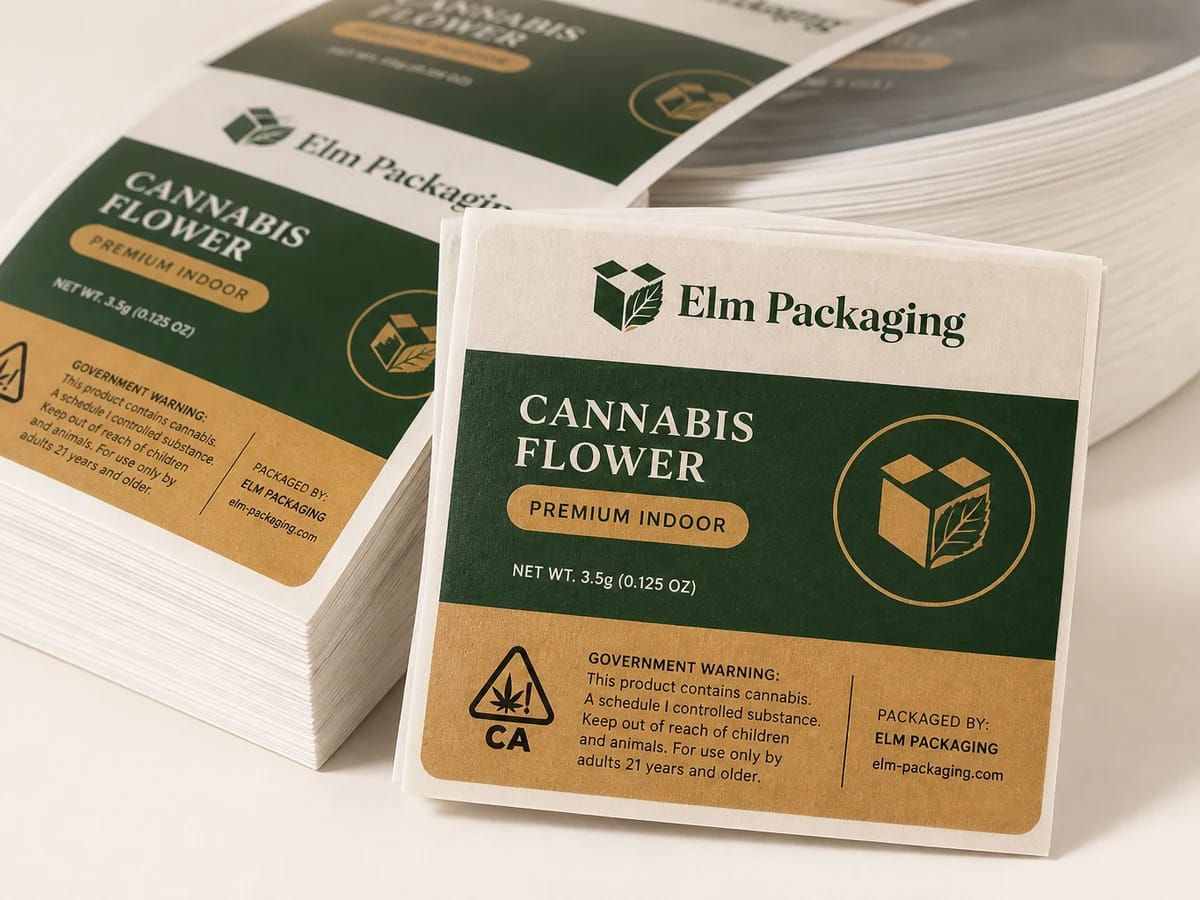
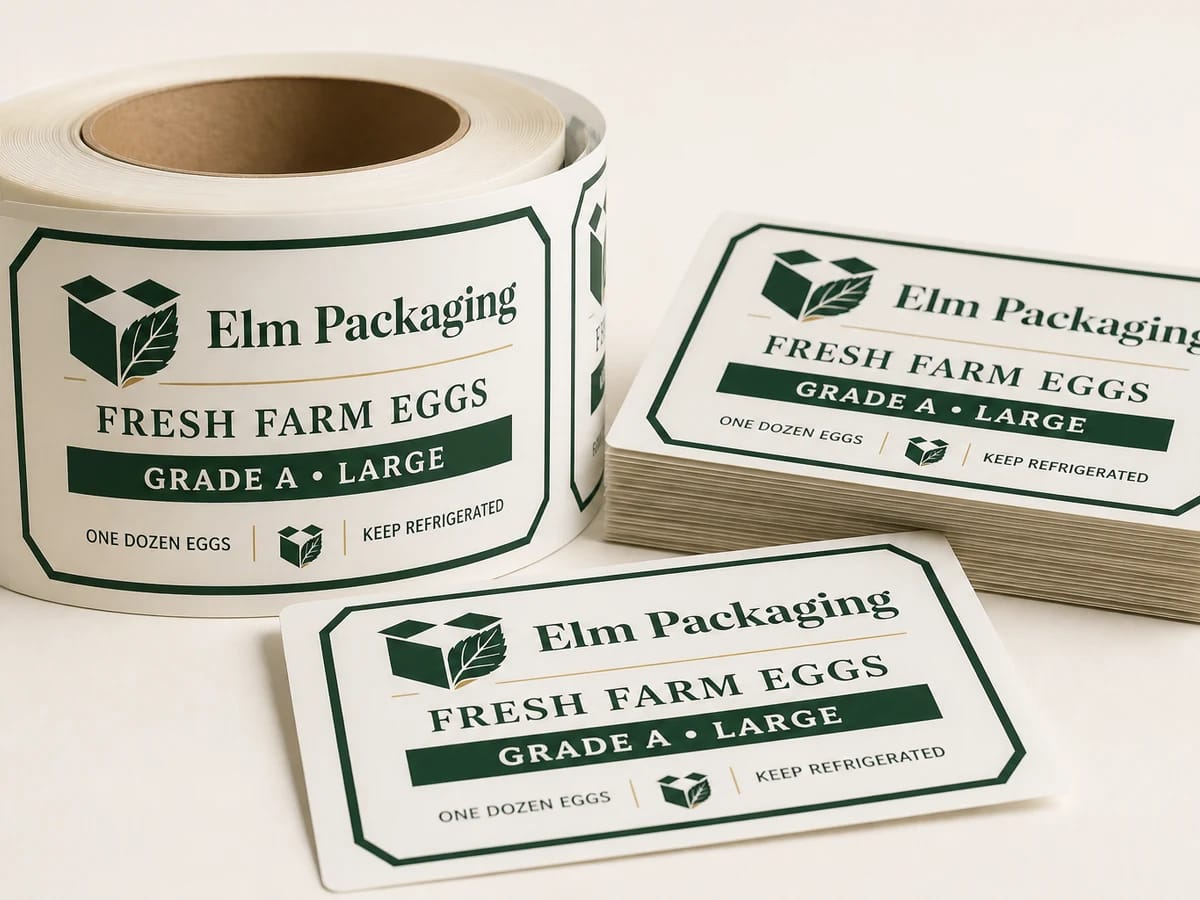
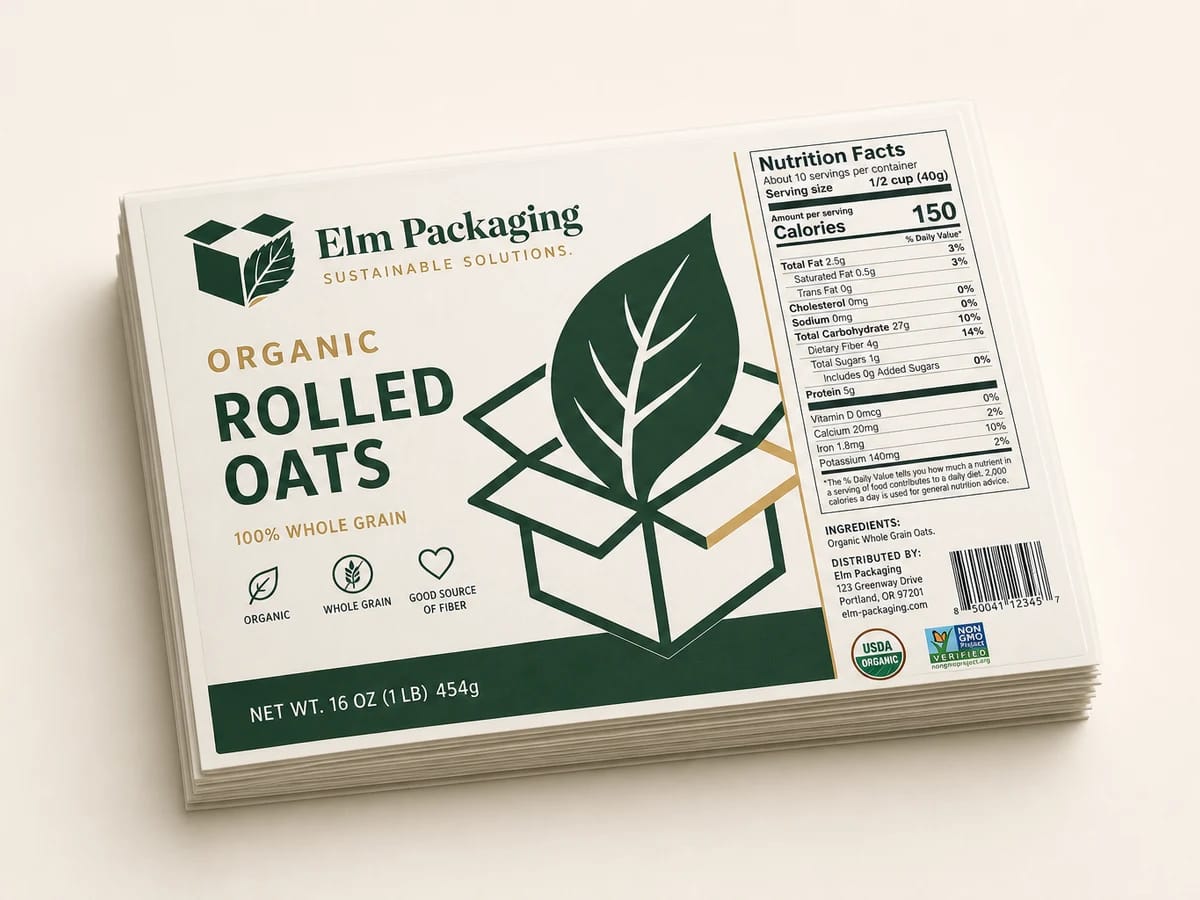
A strong label carries the claim, ingredient story, and brand mark in one glance. Food jars, candle vessels, personal care tubes, and retail cartons all compete for attention—so hierarchy matters more than filling every millimeter with type. Lead with what the shopper needs to decide, then support with secondary copy so the pack still scans from a few feet away under retail lighting.
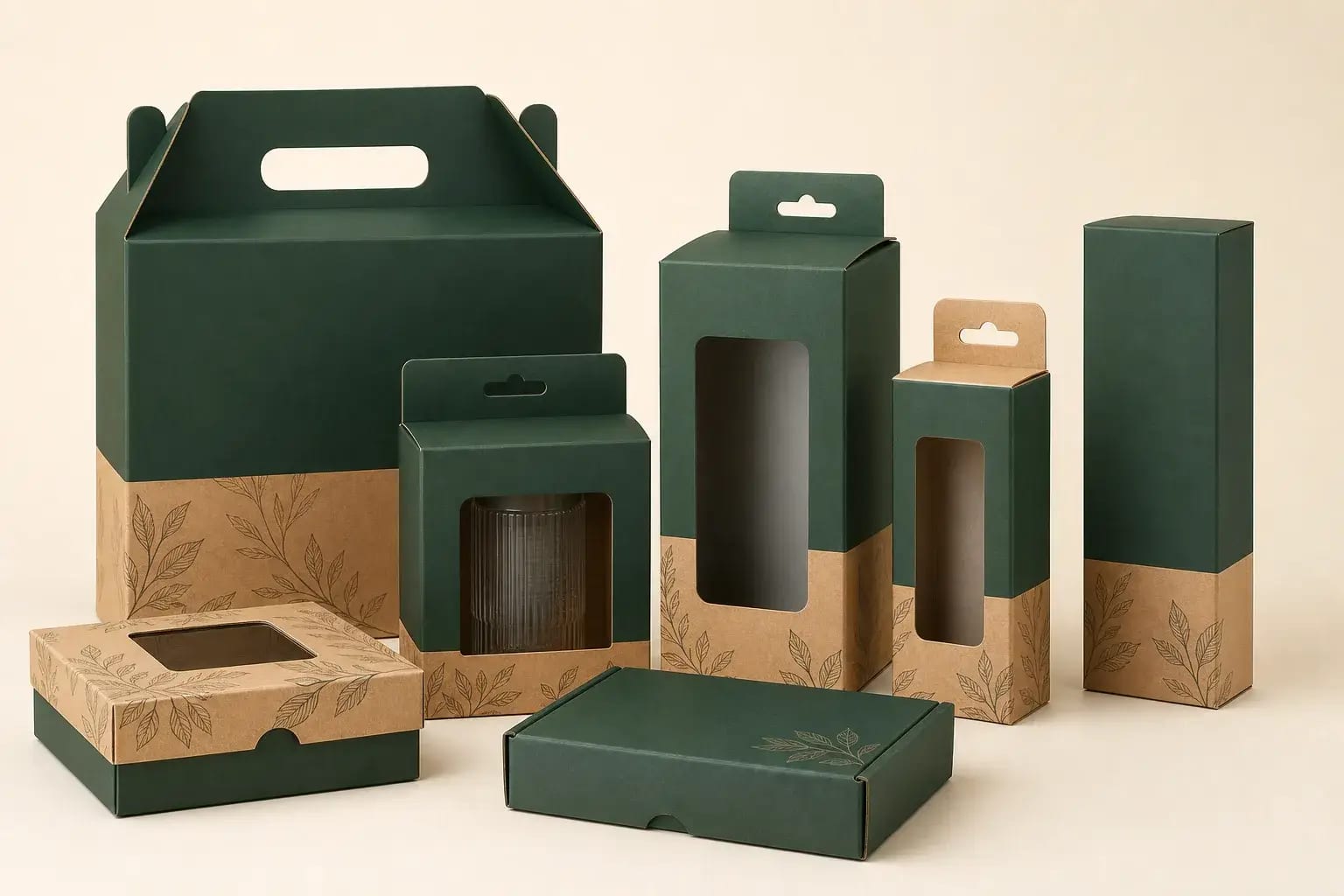
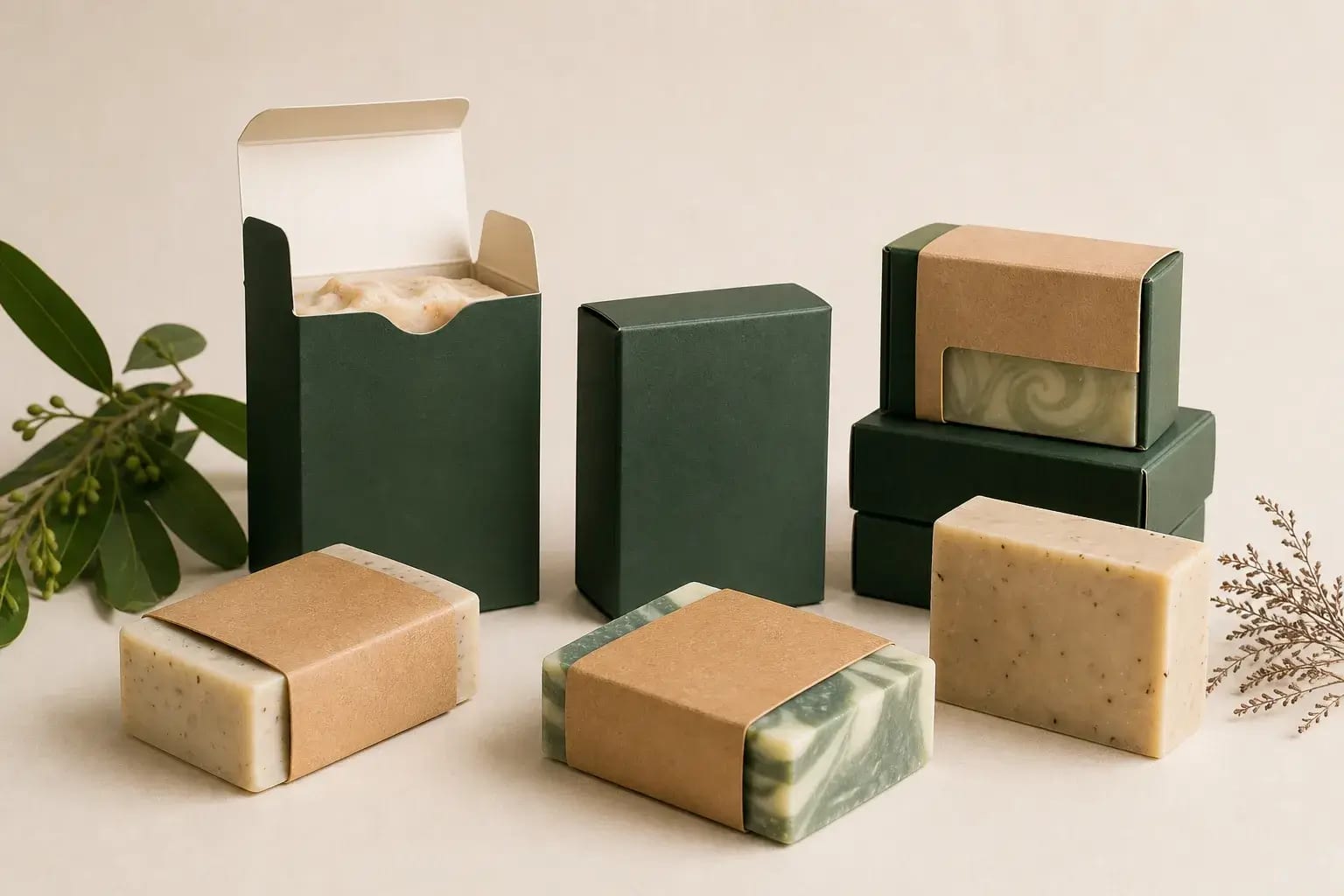
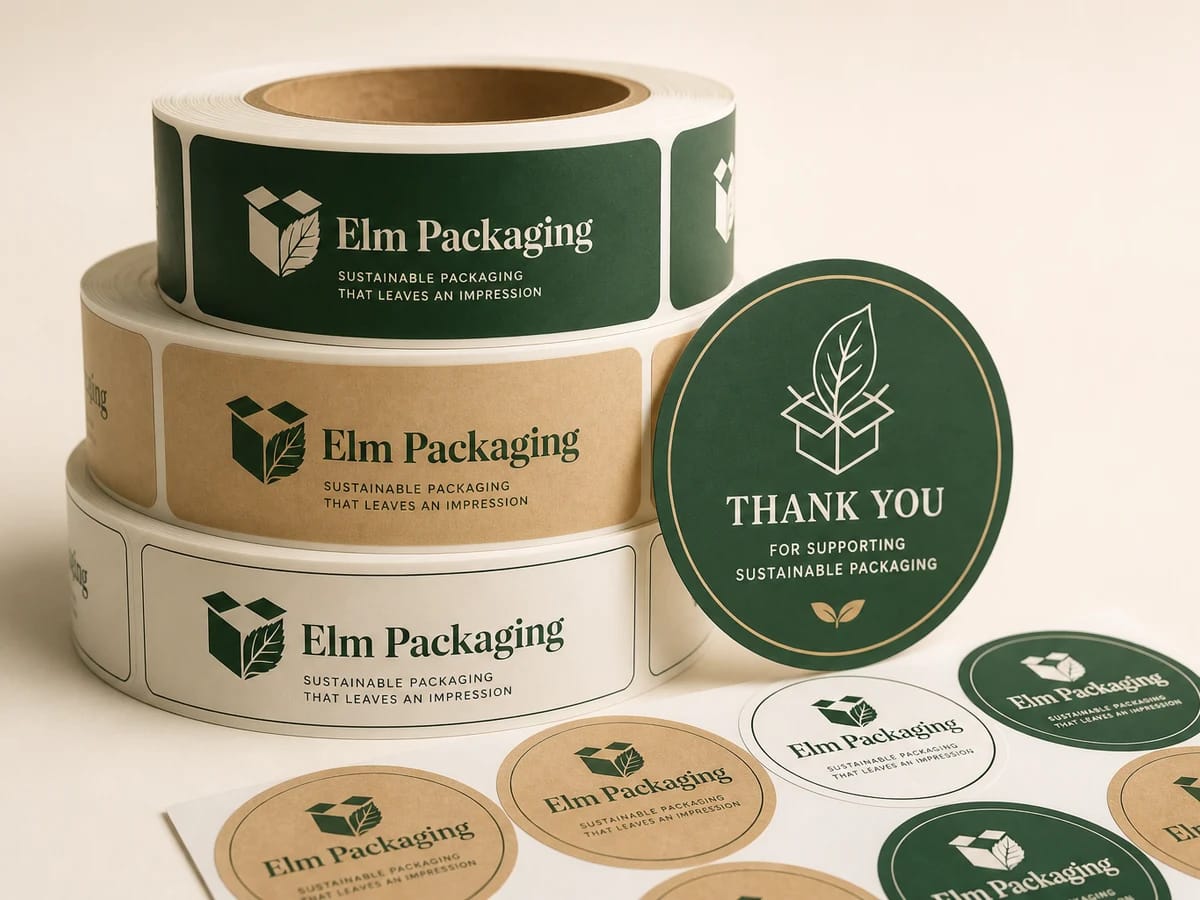
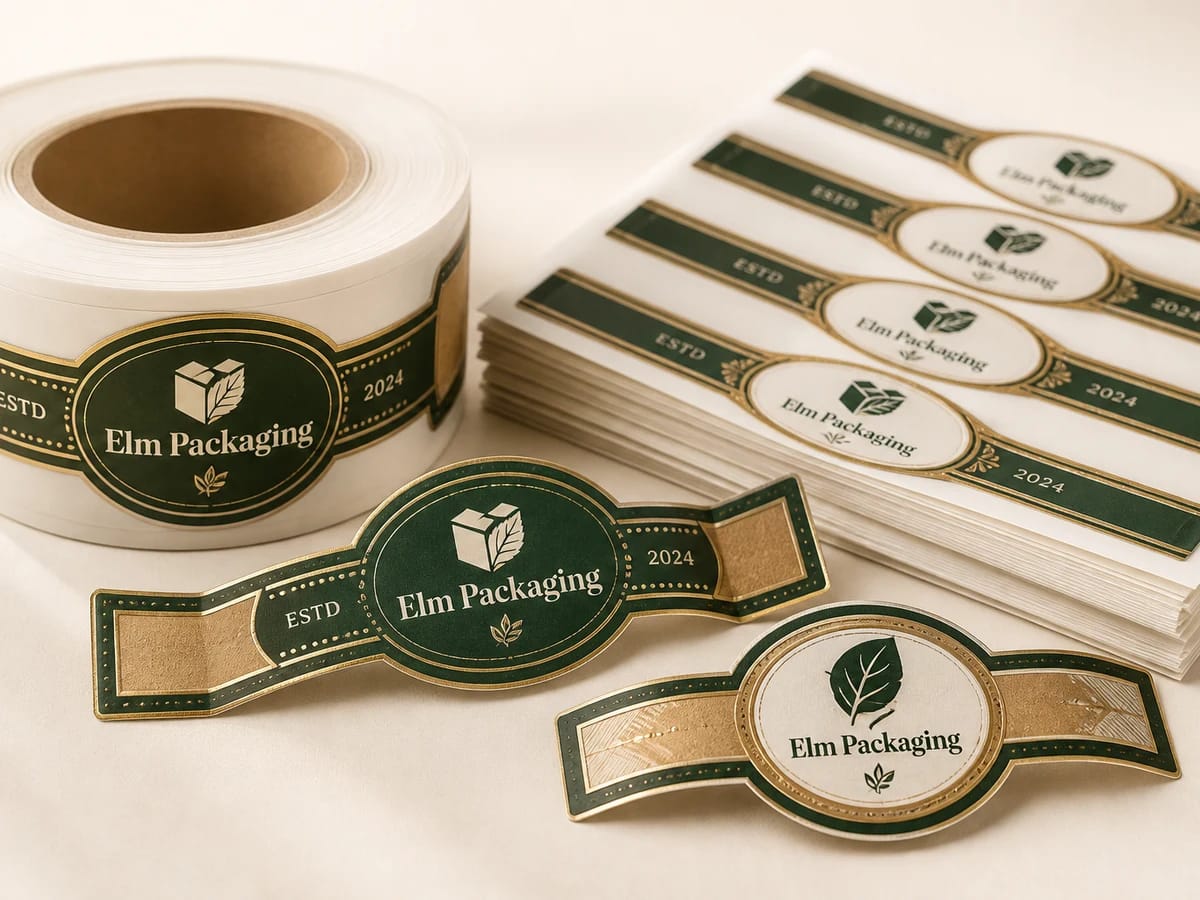
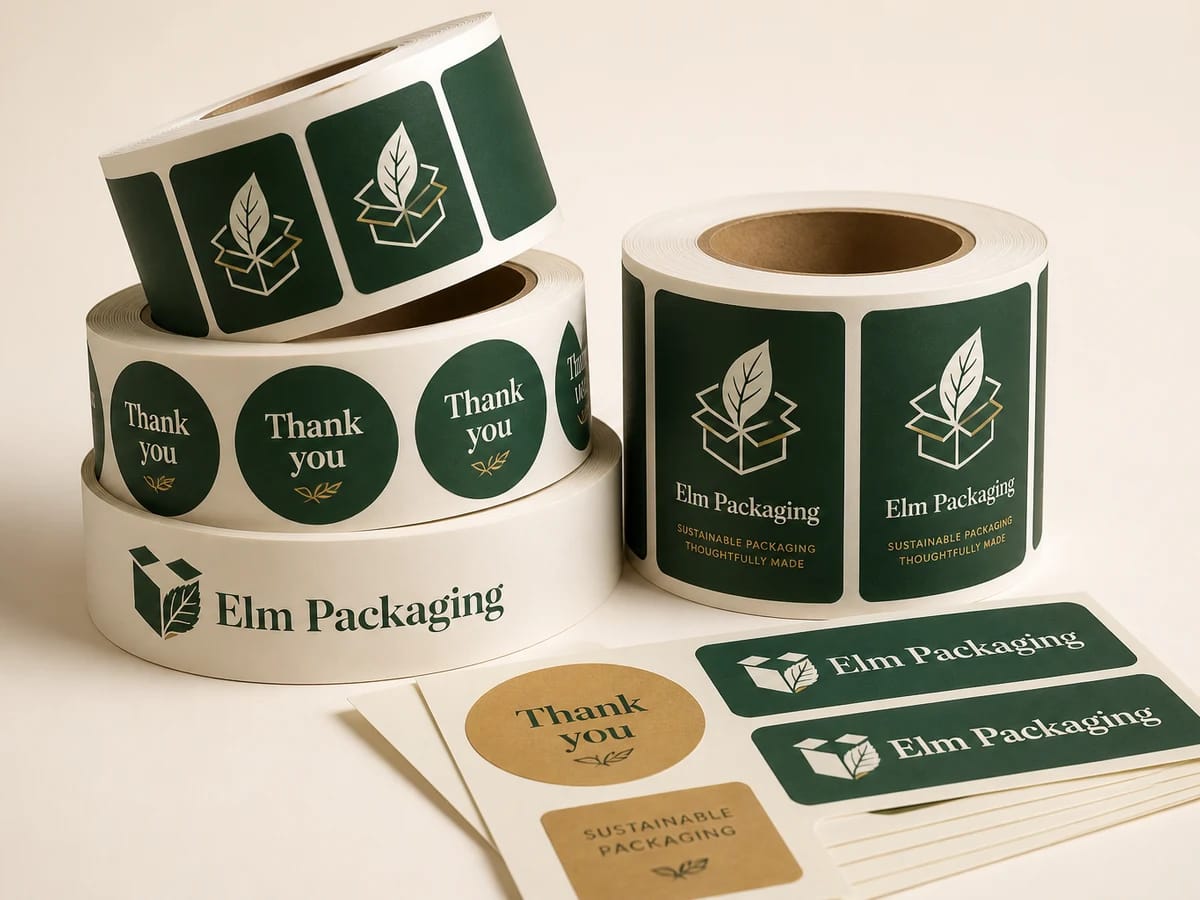
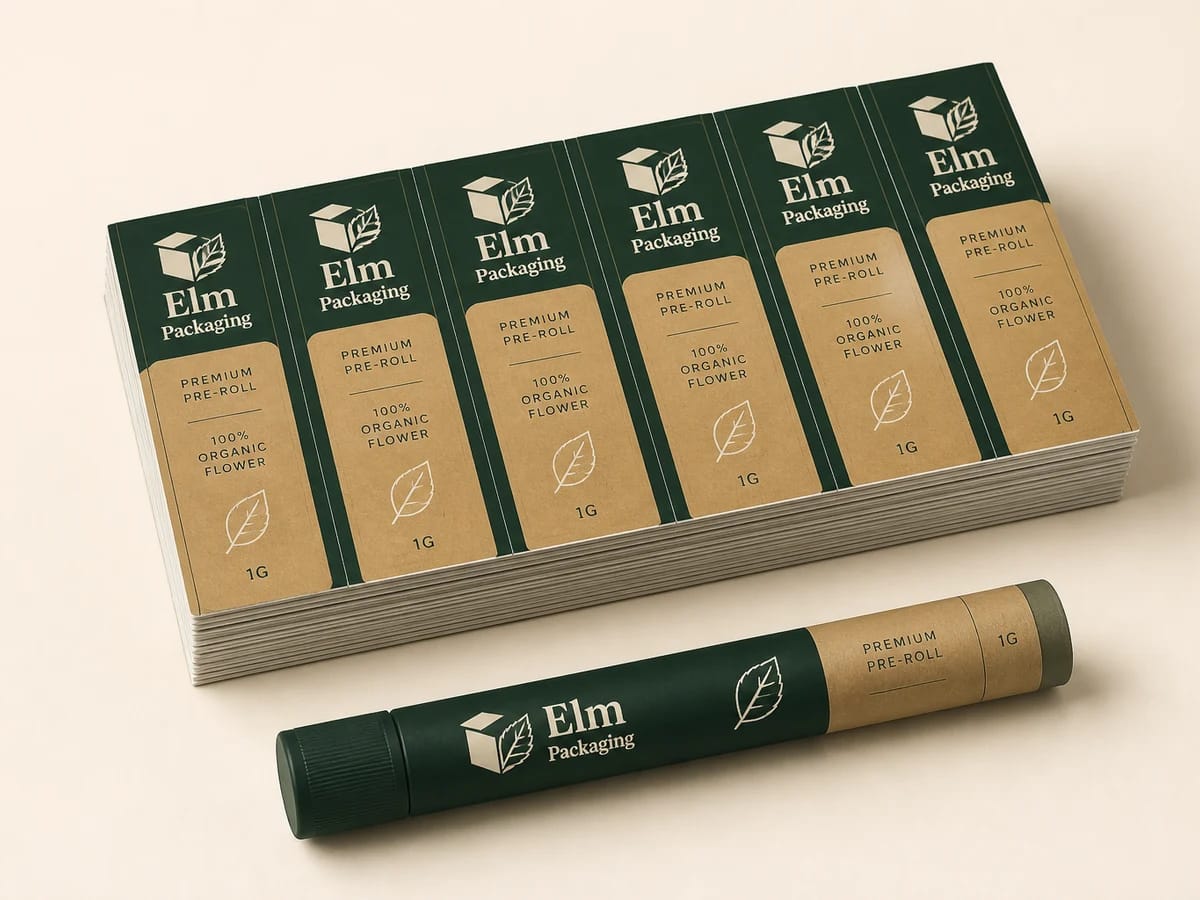
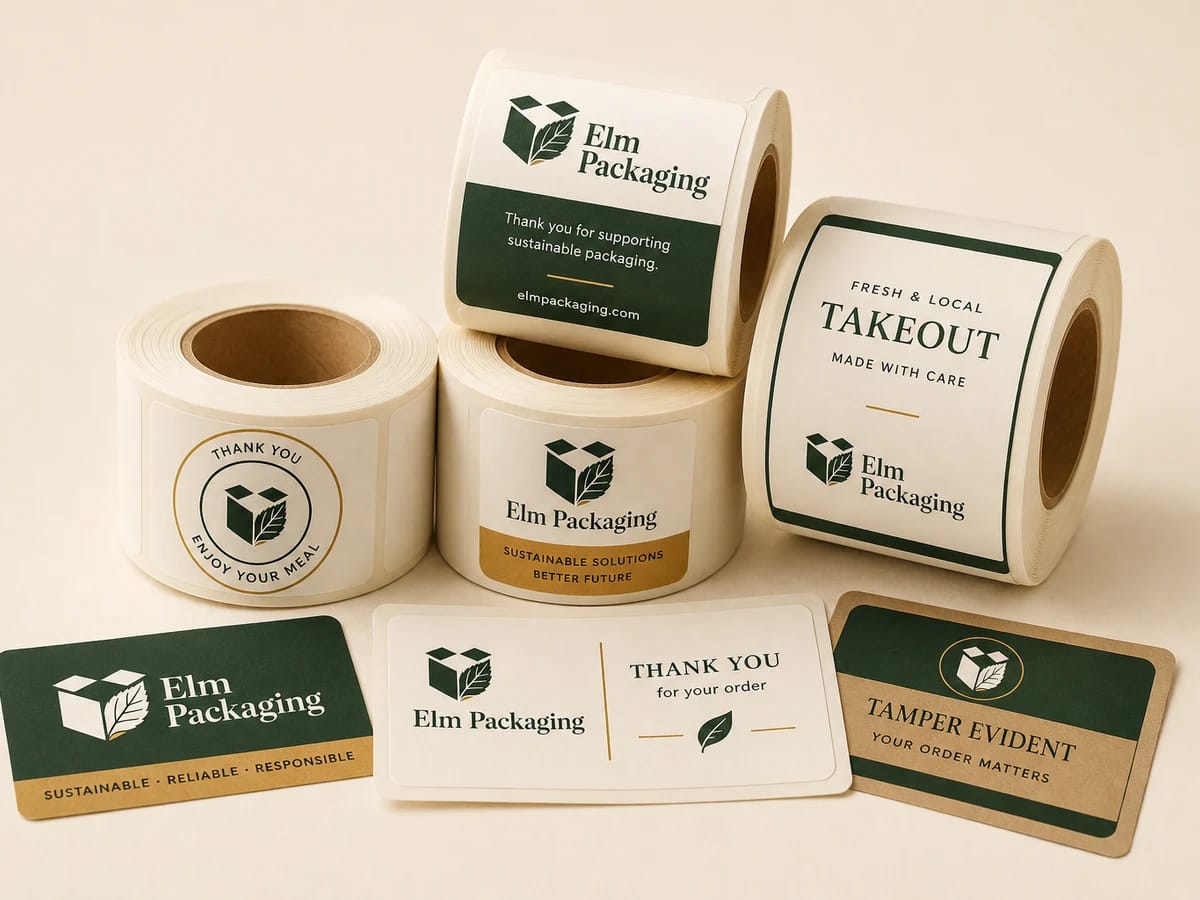
Many lines need more than one face label. Neck bands, lid seals, and carton belly bands keep the same color system across the kit and make a small brand feel deliberate next to national SKUs. When those pieces share Pantone accents and finish language, the pack reads as one product family instead of a mix of leftover stickers.
Channel changes what “enough” looks like. Boutique shelves reward tactile finishes; grocery and specialty retail need clearer claims and reliable barcode real estate. DTC kits can lean on seals for unboxing—still keep the face label honest if the jar also sits in a gift set later.
- Primary face labels for bottles, jars, and tubes
- Carton seals and belly bands for gift or retail sets
- Secondary panels when primary pack space is limited
- Short-run launch skins without rebuilding the structure
- Matching neck or lid labels for multi-piece brand kits
Face stocks, adhesives, and finishes that survive packing
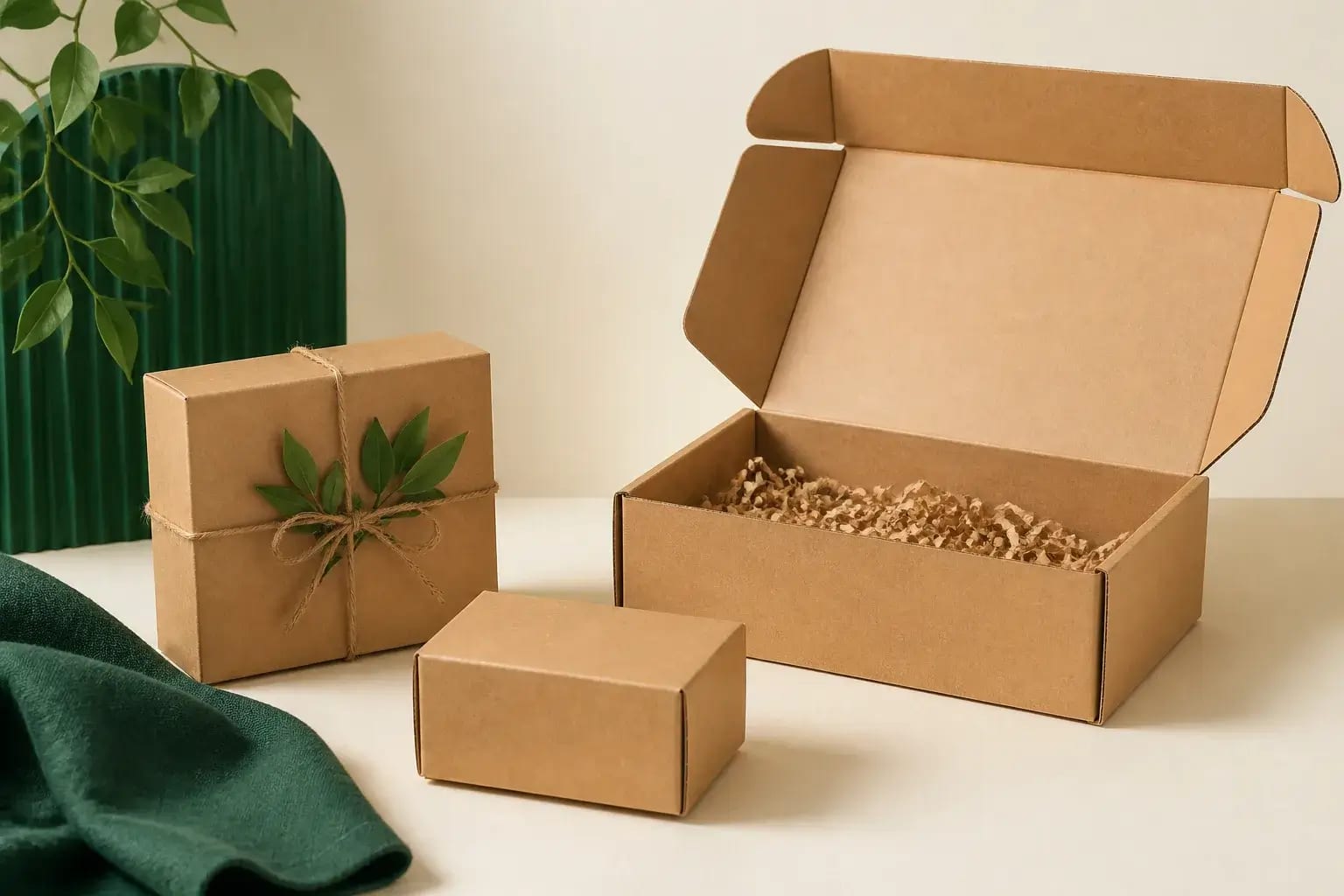
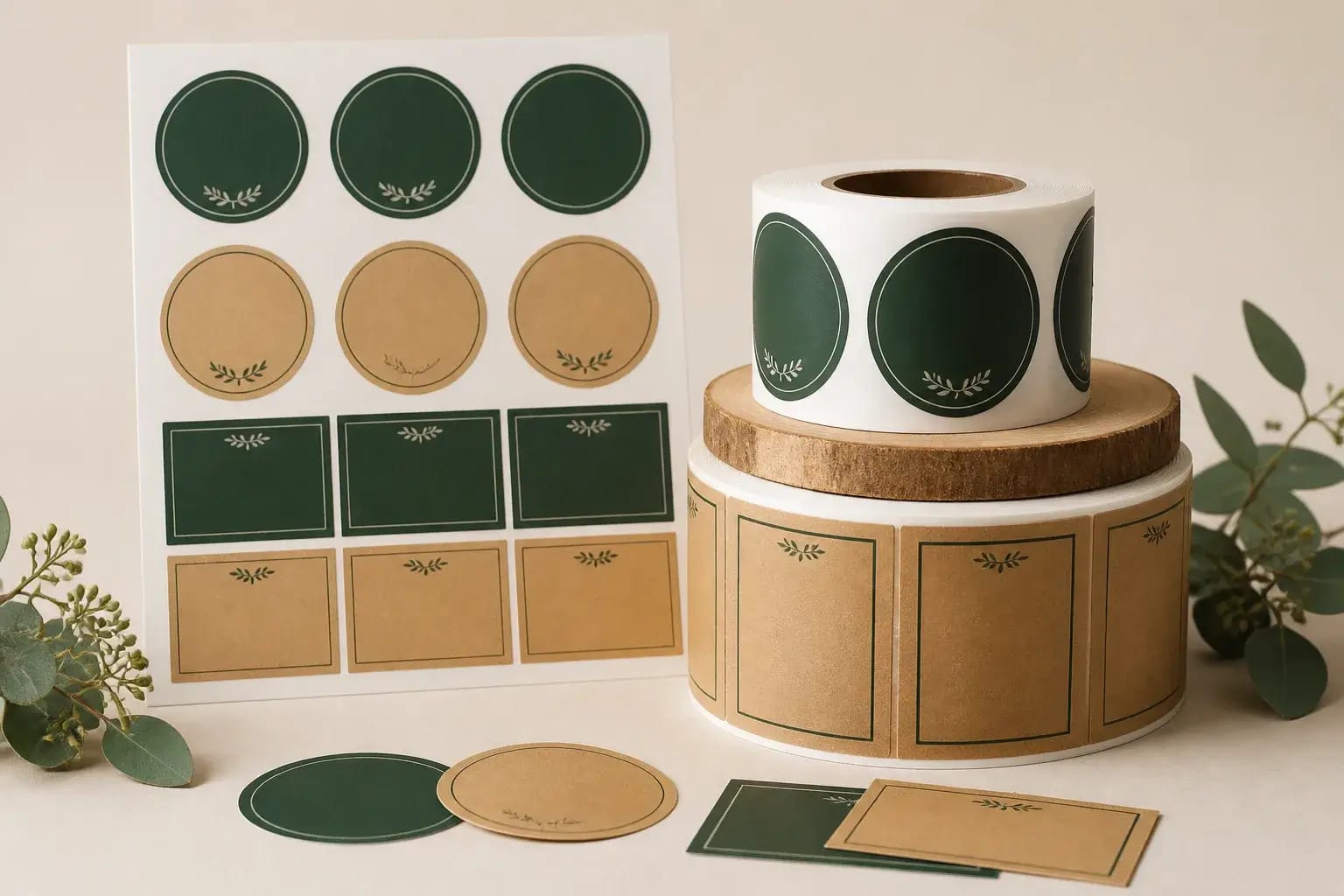
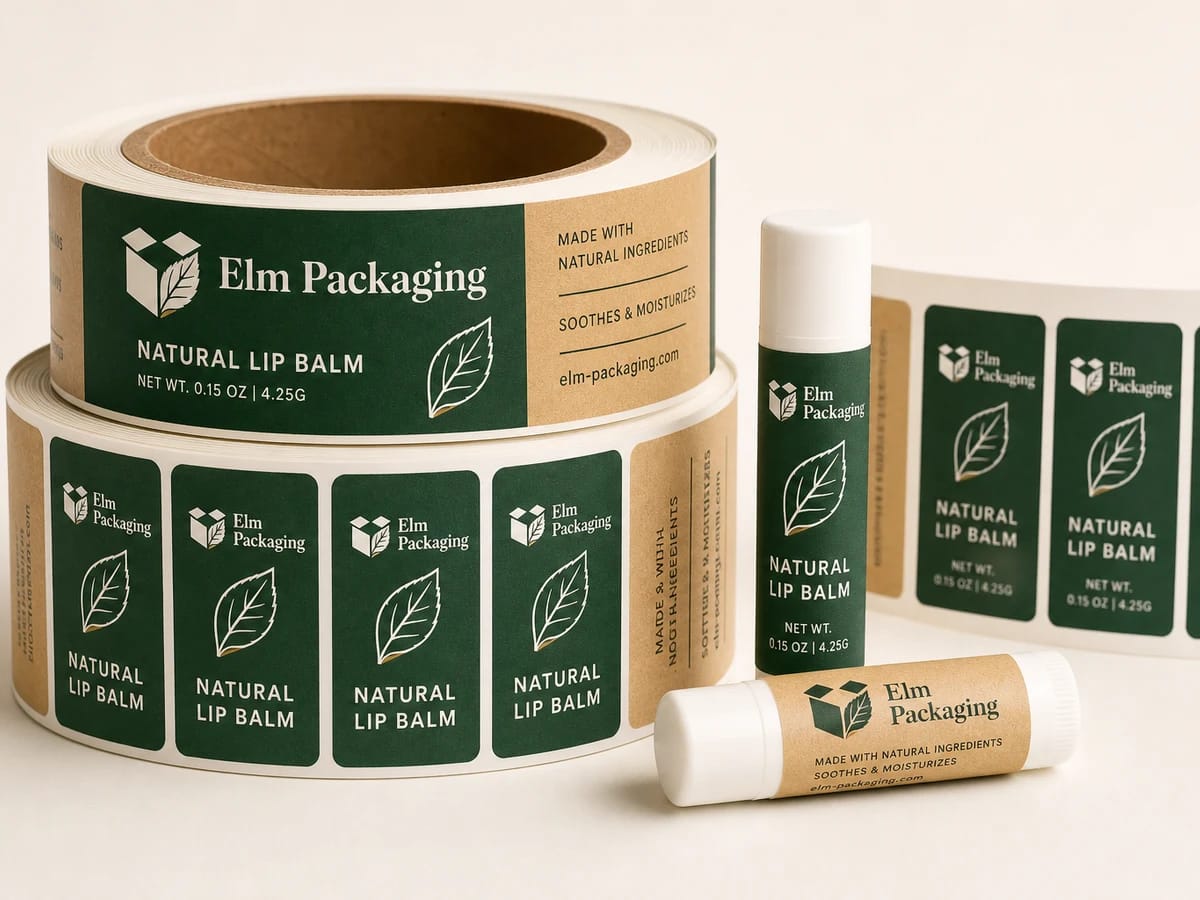
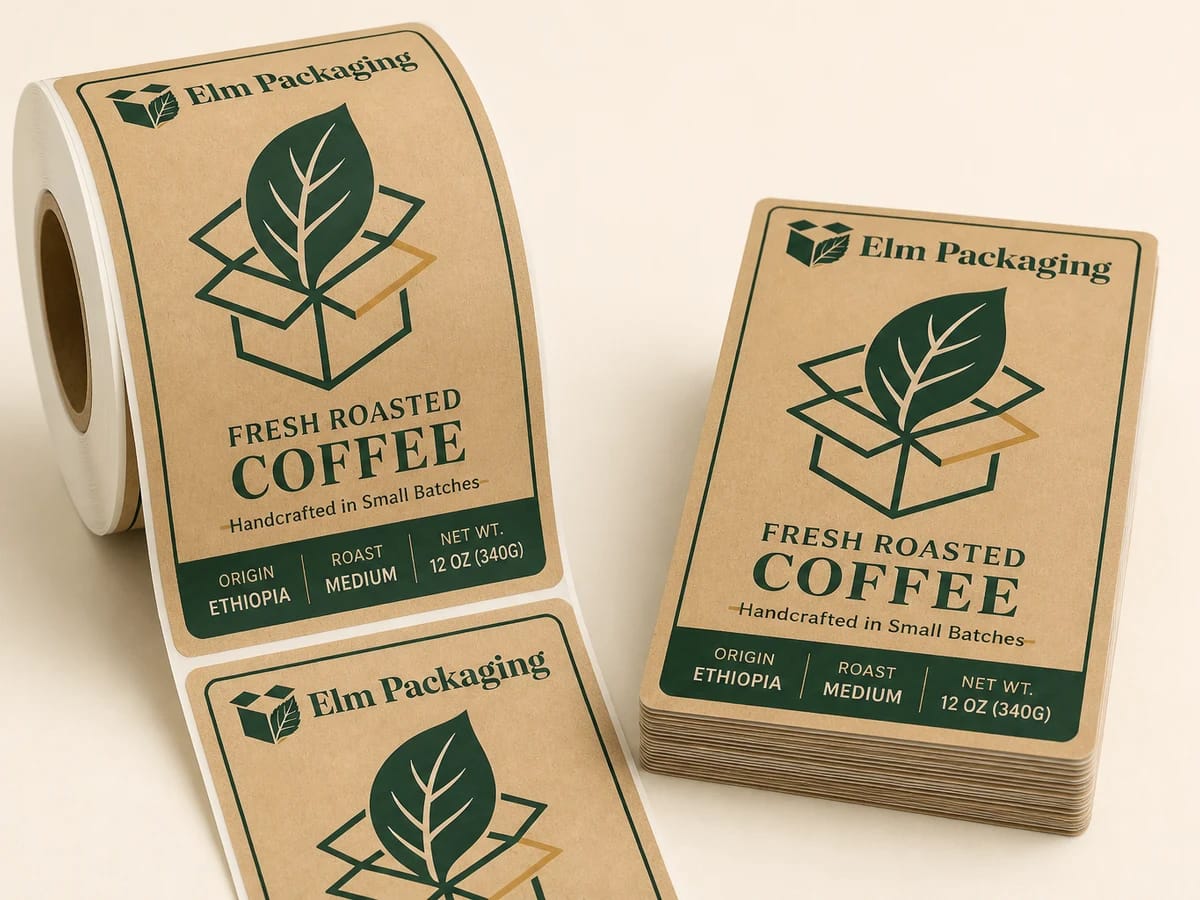
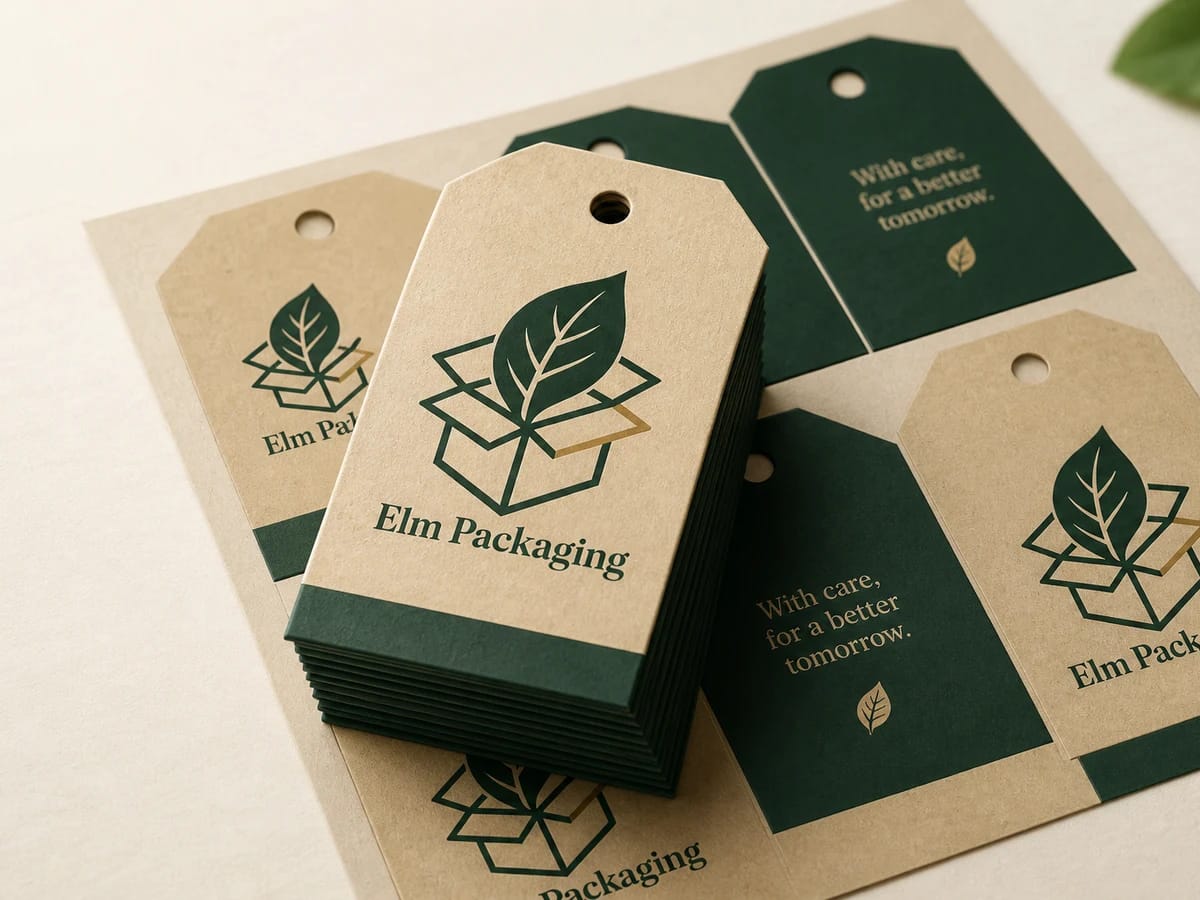
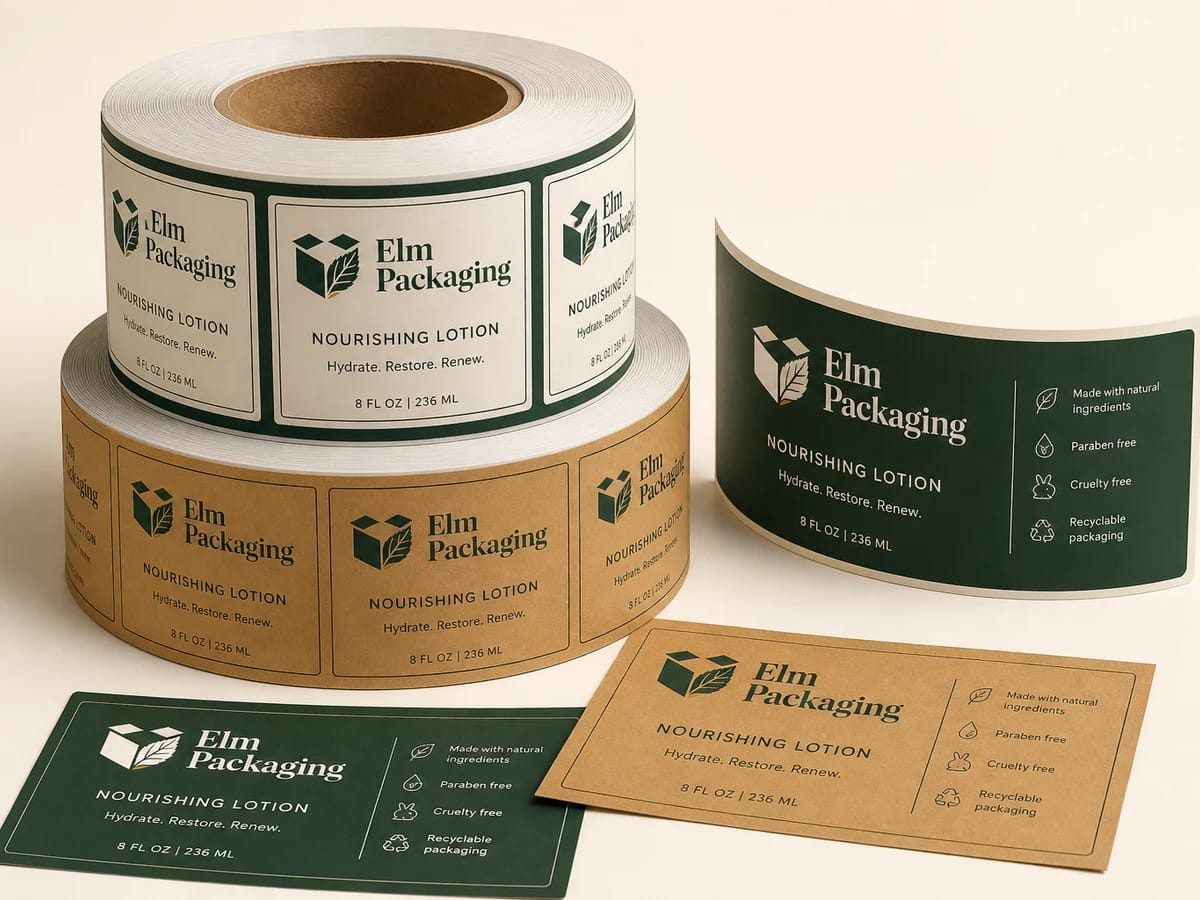
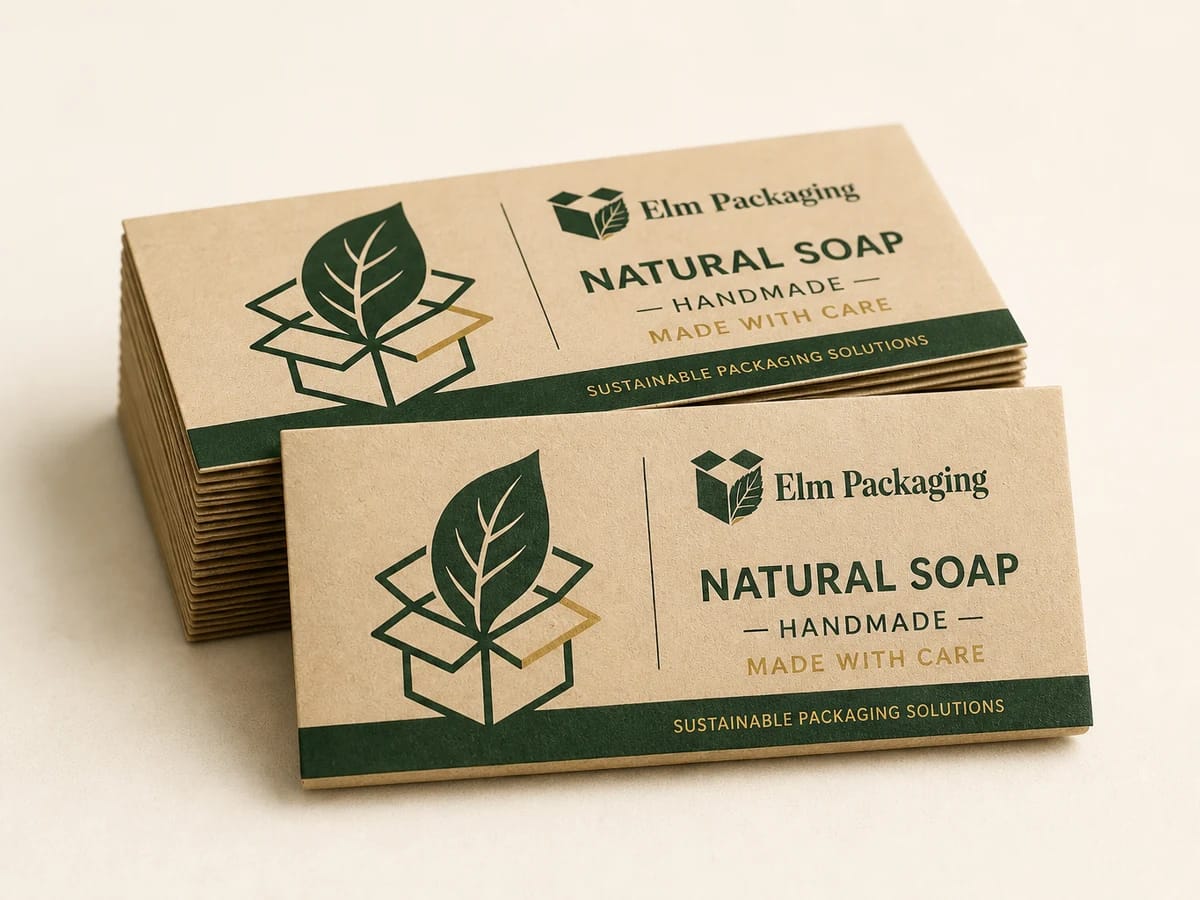
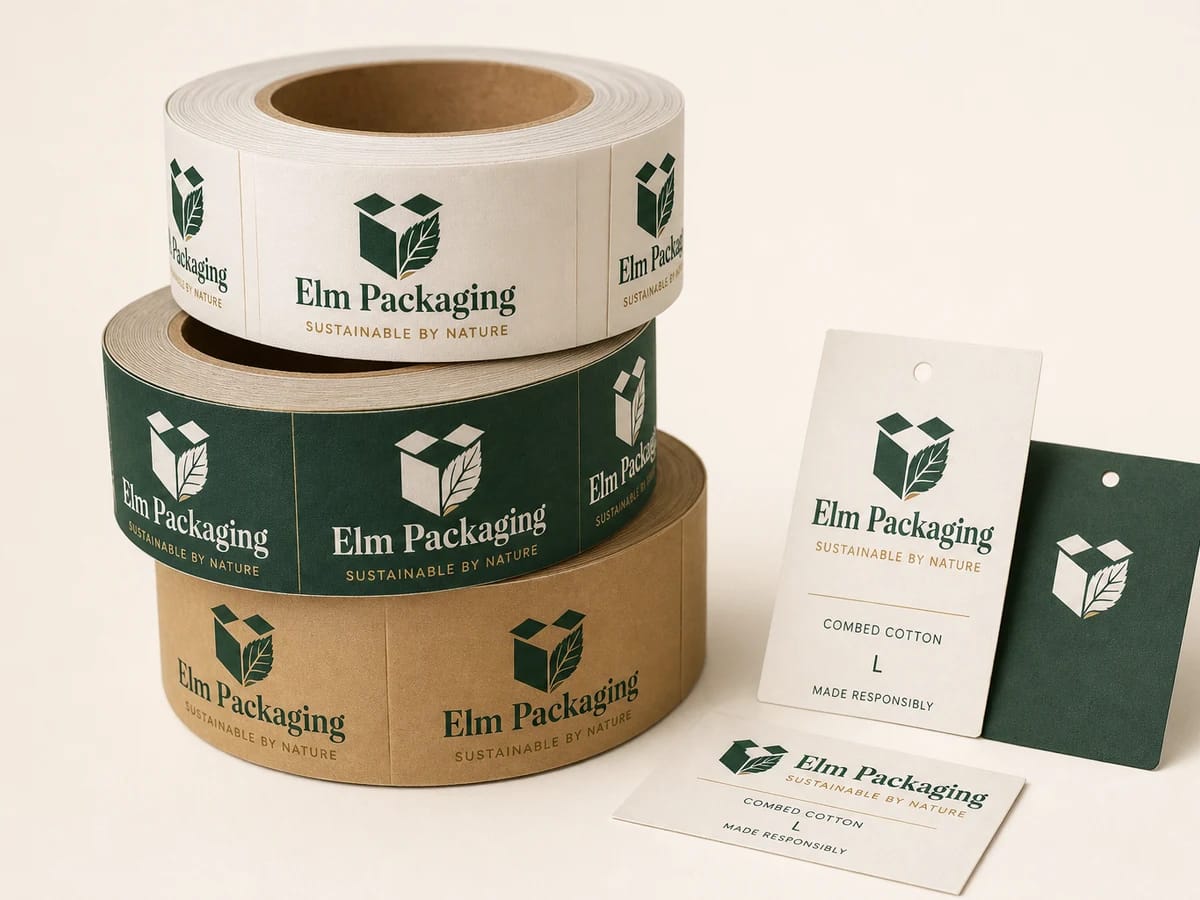
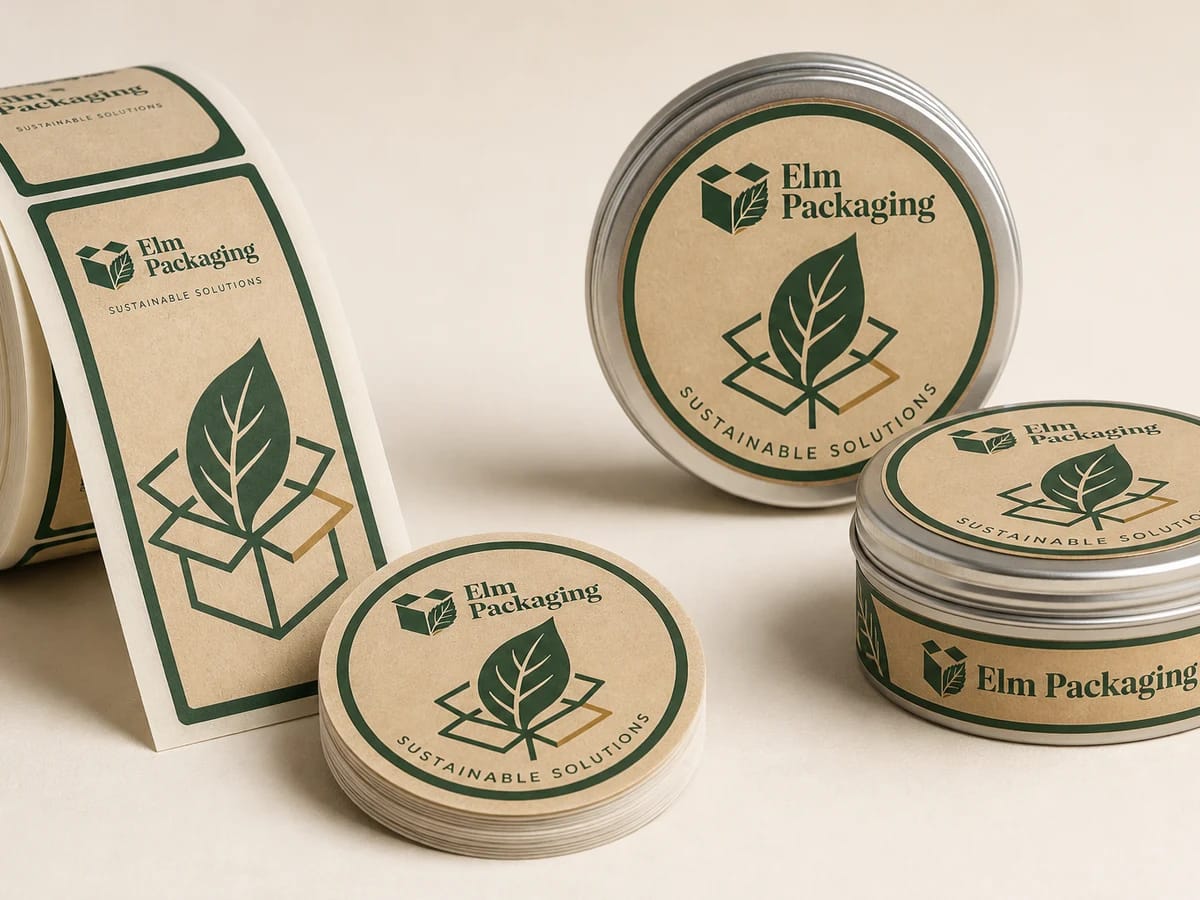
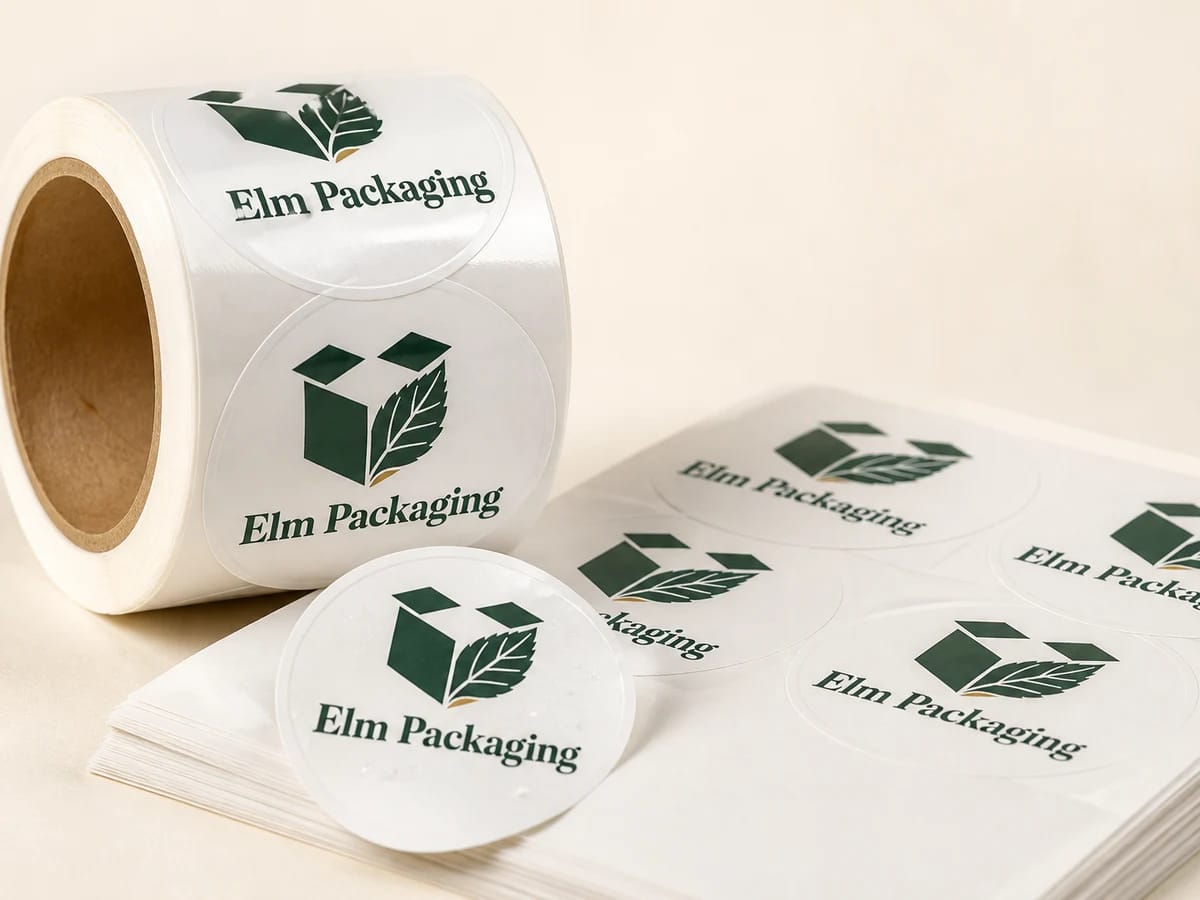
White paper stock supports vivid CMYK and high-contrast barcodes. Clear film lets jar color show through so the mark feels printed on the container. Kraft-look stocks pair naturally with kraft cartons when you want a paper-first story without changing the primary pack structure—useful when the carton already carries most of the brand weight.
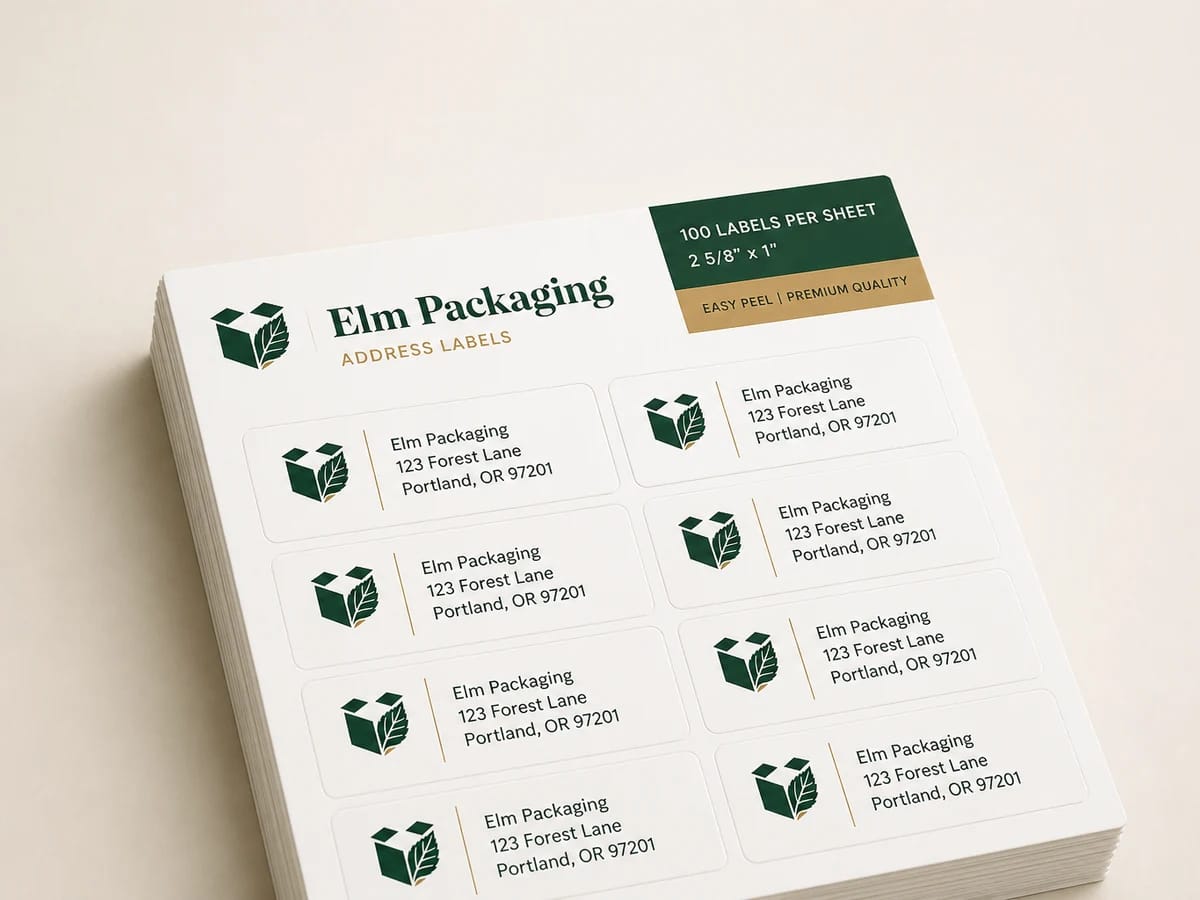
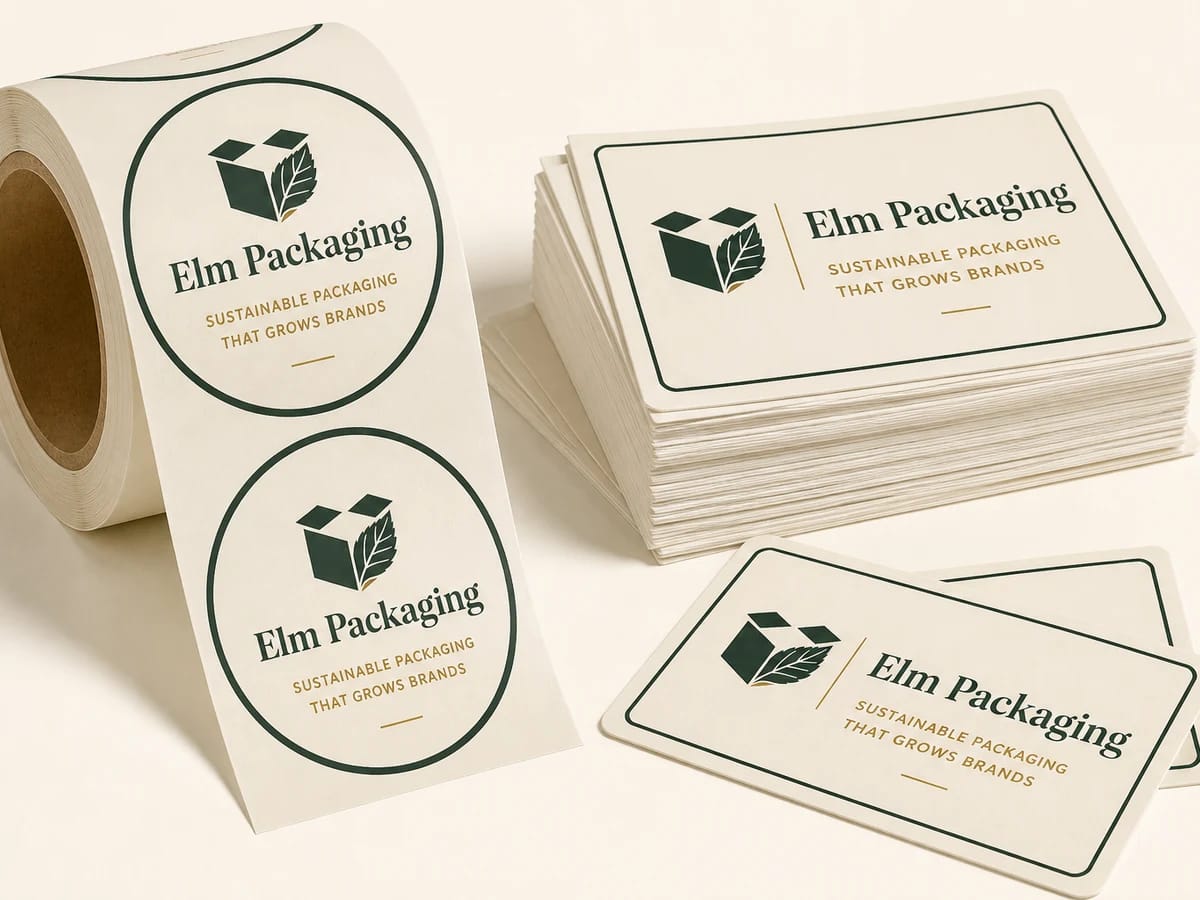
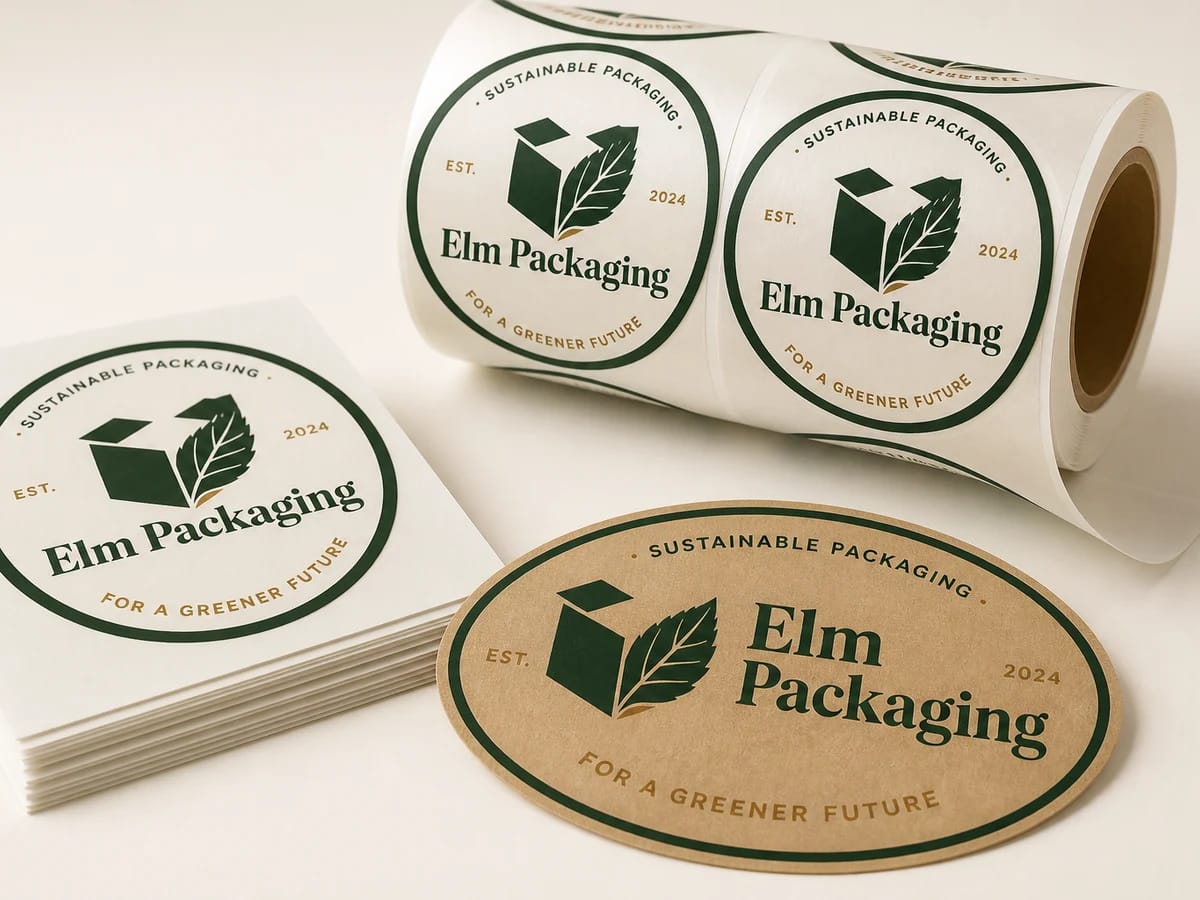
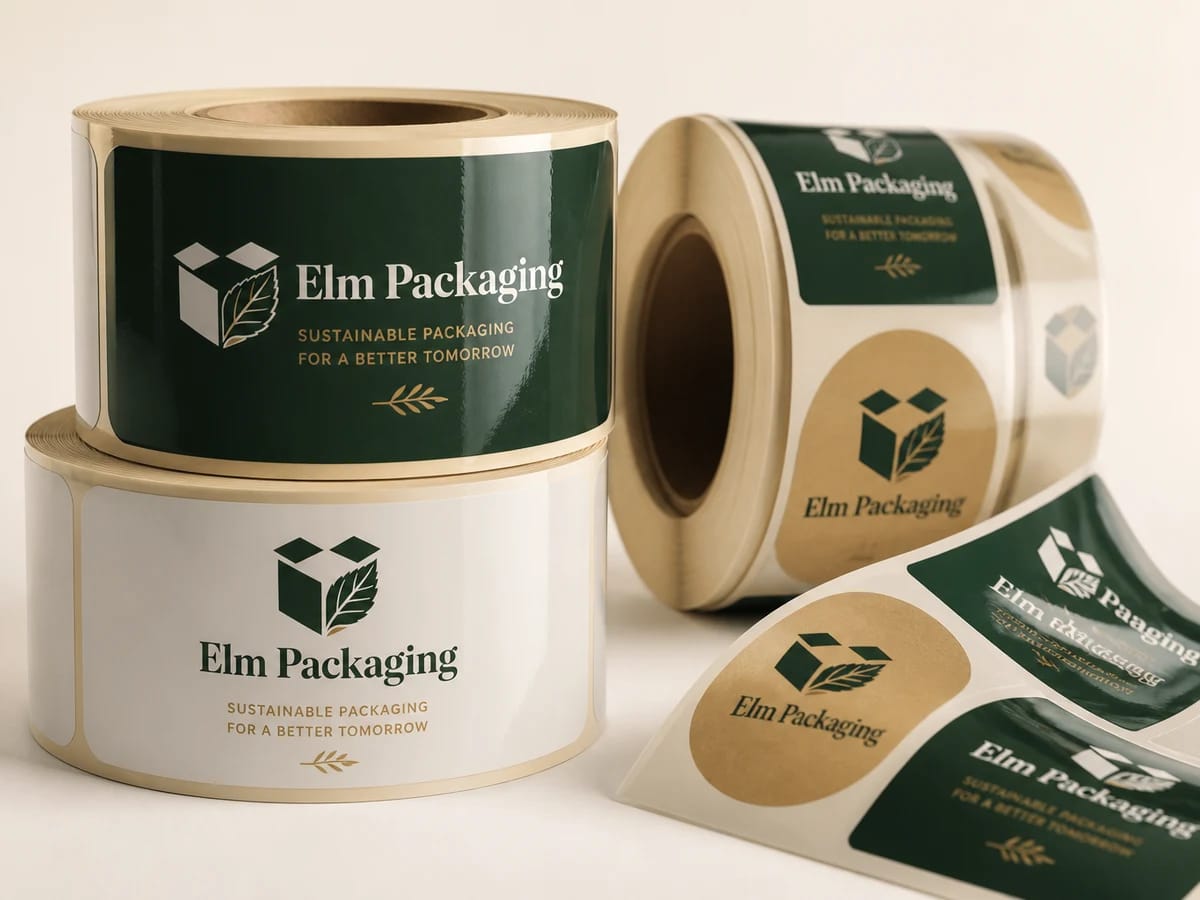
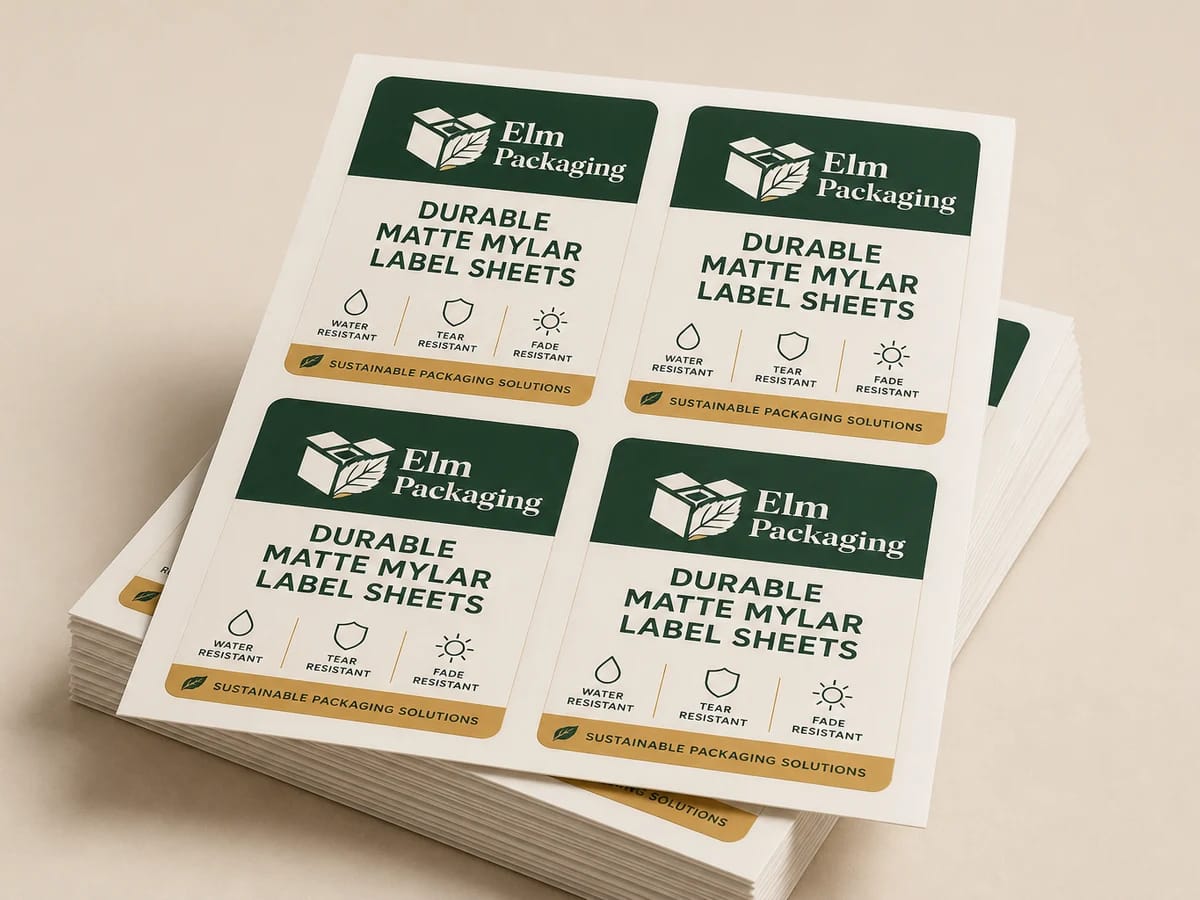
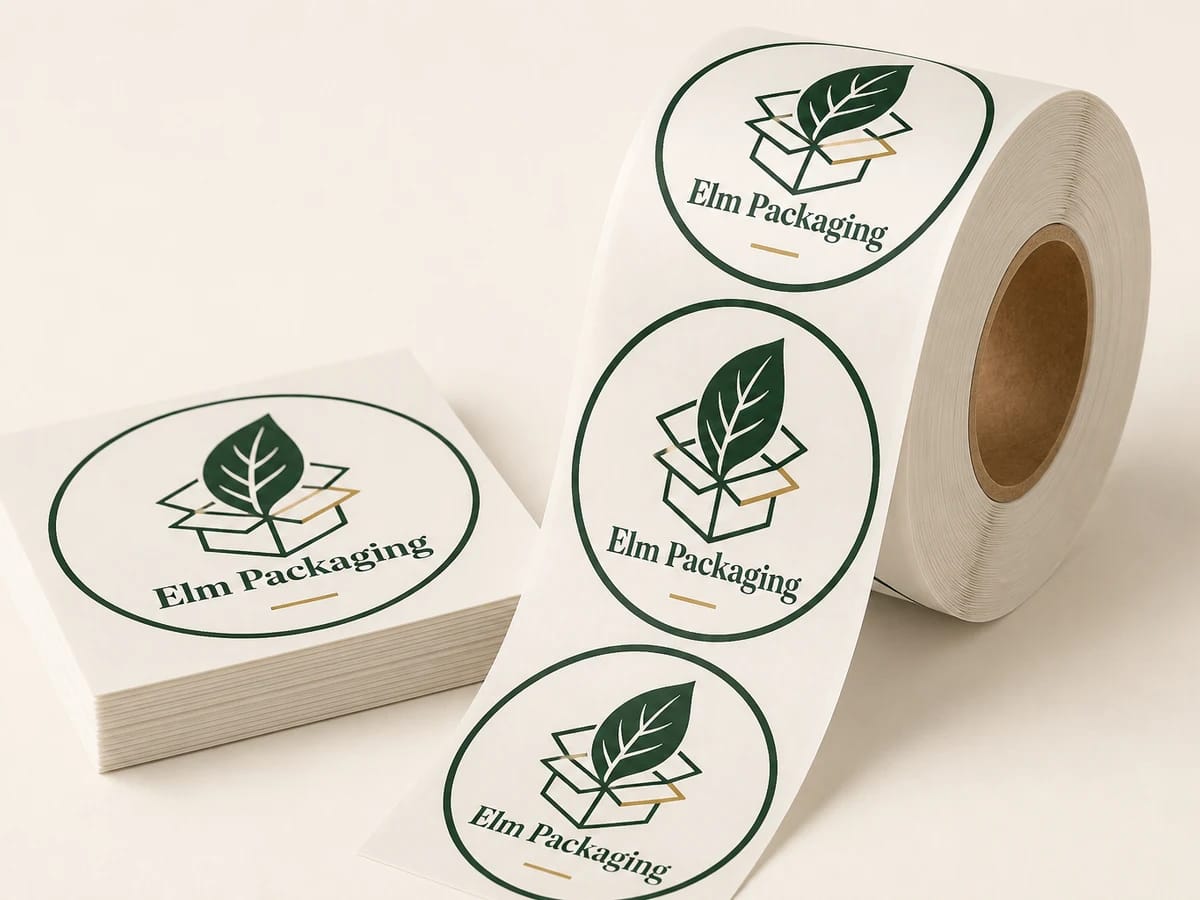
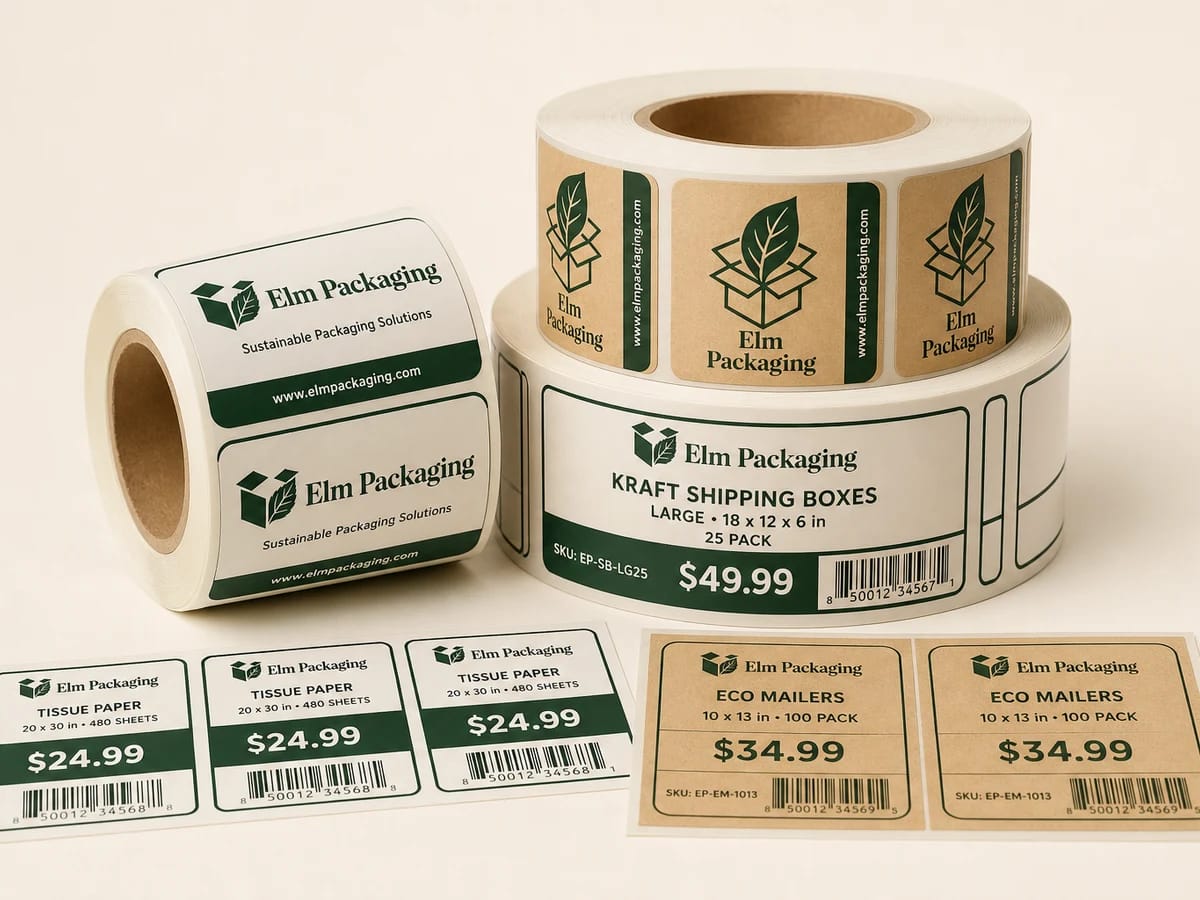
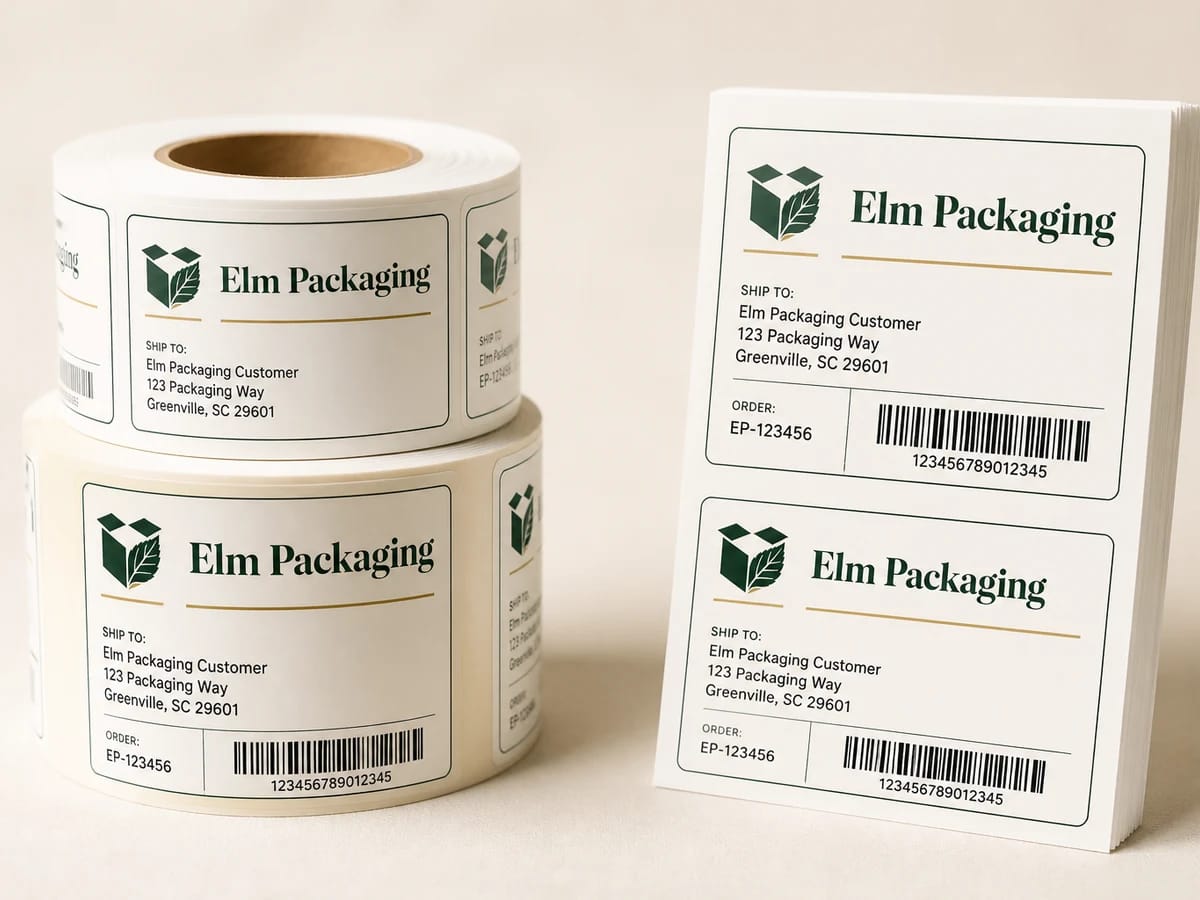
Sheet labels suit hand application and shorter runs. Roll labels suit faster packing lines. Soft-touch laminate (a velvet-feel protective film) and gloss film change how fingers read quality—choose for brand fit, scuff resistance, and barcode contrast, not trend alone.
Adhesive choice is not a footnote. Condensation, oils, and dusty kraft board can weaken the wrong adhesive. Tell us storage conditions and whether labels wrap around curves so we do not guess from a catalog stock name alone.
Match adhesive to the surface
Glass, coated board, kraft, PET, and flexible film behave differently under pressure and humidity. Share surface type and storage conditions so adhesive and face stock are chosen together.
Protect small type and codes
Barcodes, QR codes, and fine legal copy need contrast and a quiet zone. We flag when a layout is too dense for the label size you requested so you can resize before proof approval.
Die-cut shapes without rebuilding the container
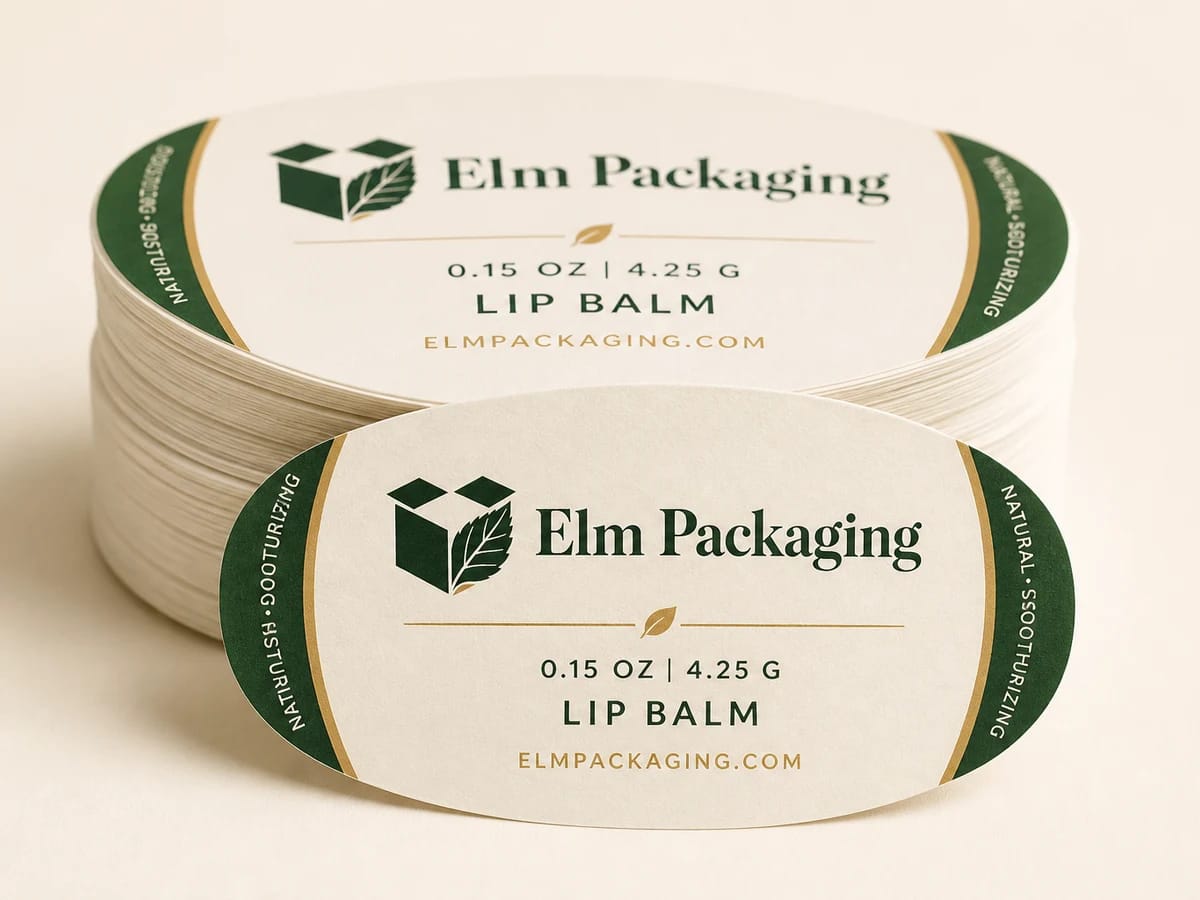
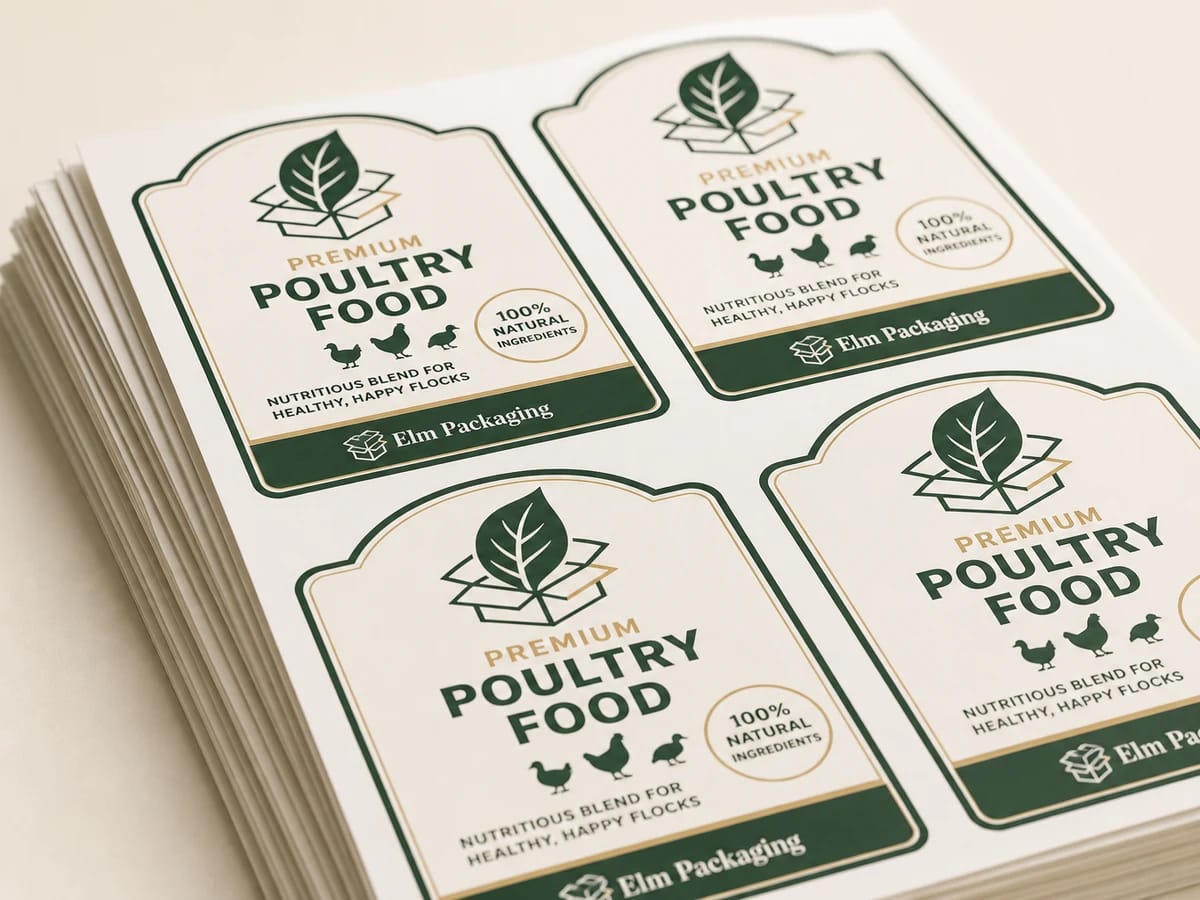
Die-cut labels follow a custom outline instead of a plain rectangle, so logos feel custom even when the bottle stays the same. That helps limited drops and line extensions where new container tooling is not worth it yet. Keep critical type away from the cut edge and leave bleed where ink meets the knife.
Complex shapes need honest margins. Tight corners and thin bridges can fail on press or tear during application. Free dieline help clarifies those constraints early so you redesign once—not after a failed packing day.
Coordinate labels with boxes and pouches
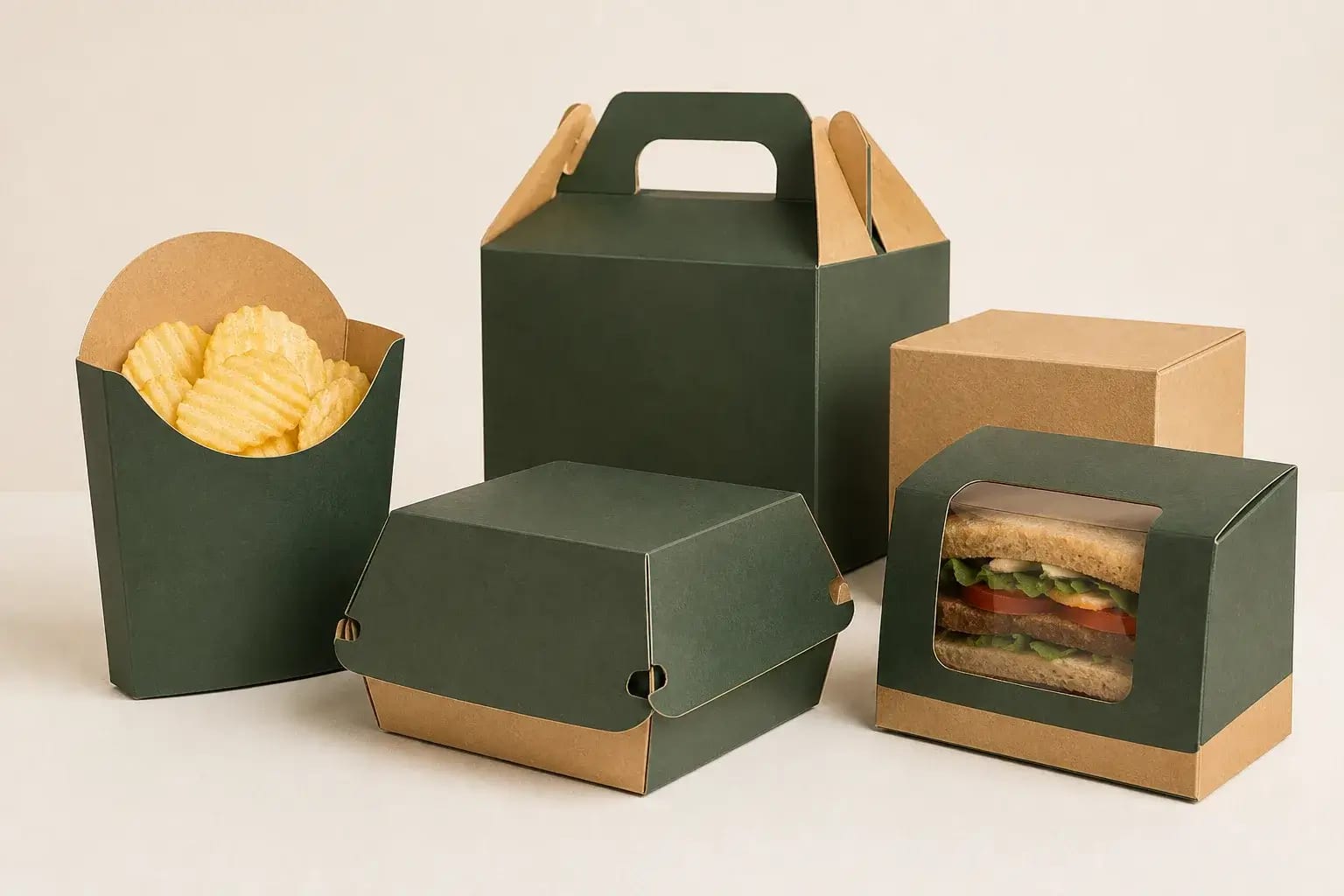
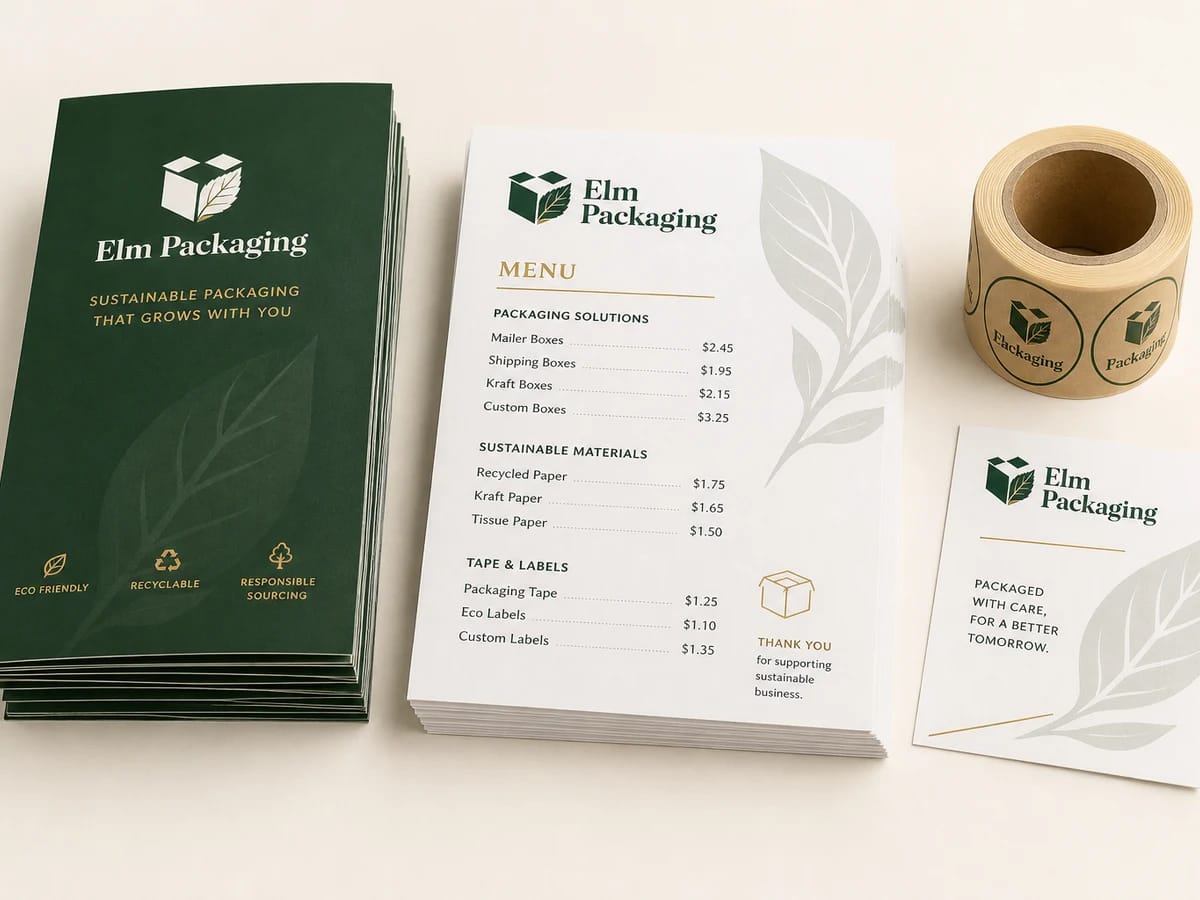
Labels rarely ship alone. Pair them with food boxes, retail cartons, kraft mailers, or pouches so the kit reads as one system. Matching Pantone accents between label and carton print reduces “kit of parts” energy on shelf.
For seasonal refreshes, keep the structural pack evergreen and swap the label skin. You get a visible update without new carton tooling—especially helpful for scent or limited-edition runs that change faster than board inventory should.
If you also need custom stickers for mailer seals, order them in the same quote so color targets stay consistent across the touchpoints customers handle first.
How to quote printed packaging labels with Elm Packaging
Include finished size, shape, quantity, sheet vs roll preference, application surface, and any wrap notes. Attach artwork—or ask for free dieline help first. Mention matching boxes, bags, or stickers when the kit ships together.
We confirm specs, send proofs, then produce. Most runs move about 7 days after proof approval; specialty shapes or finishes can adjust that window. Ready? Use /get-a-quote and include surface photos or board swatches when you have them.
Material options
White paper label stock
Bright face stock for full-color printed packaging labels—strong contrast for claims, ingredients, and barcodes.
Clear film labels
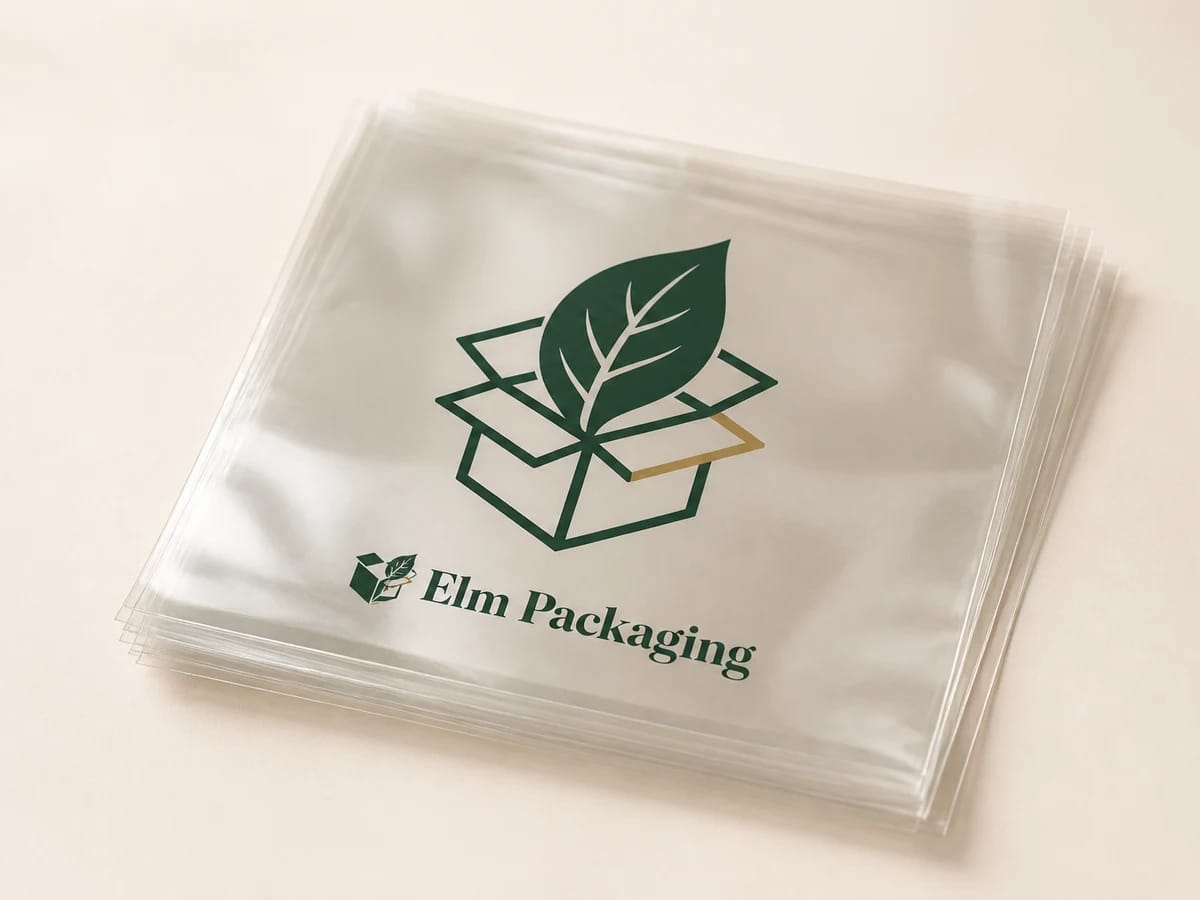
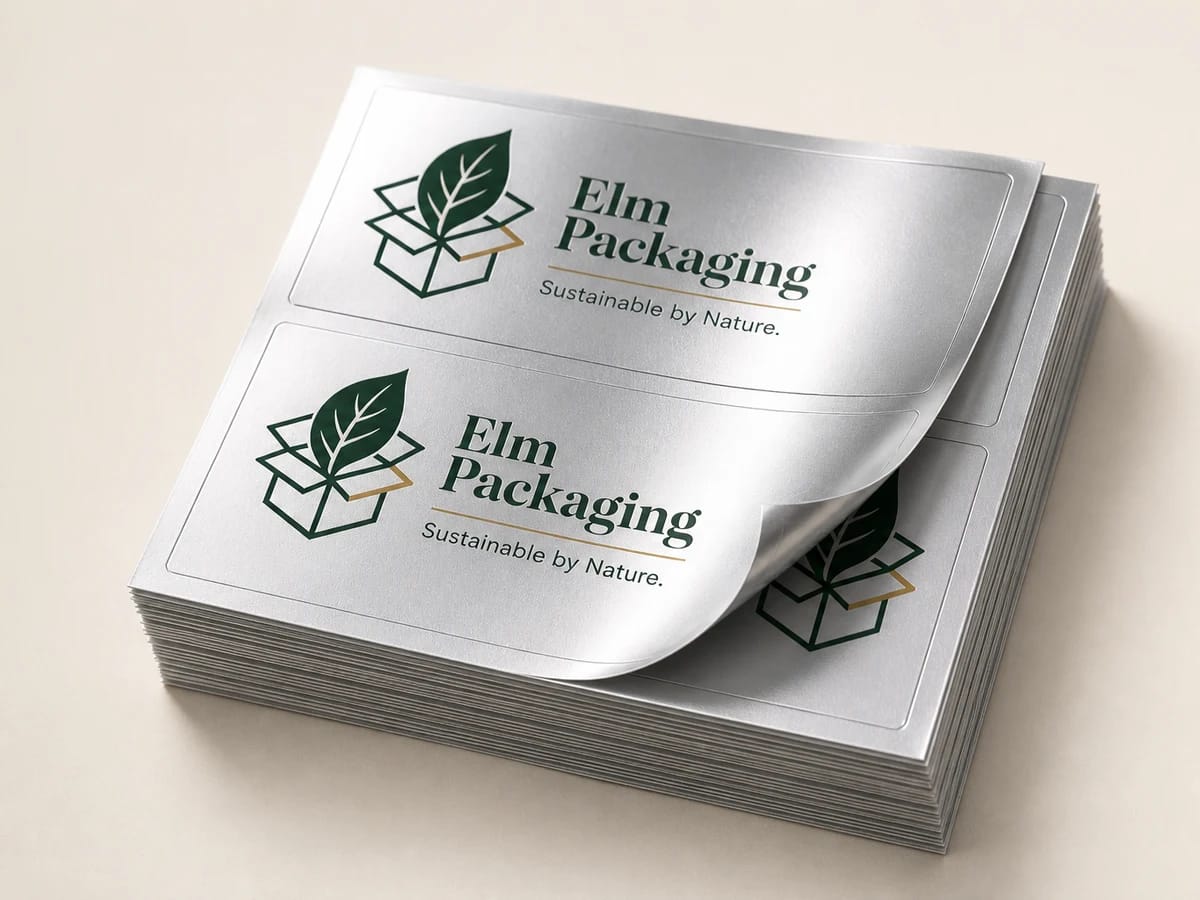
Lets bottle or jar color show through so the brand mark feels applied to the container rather than sitting on a white panel.
Kraft-look label stock
Pairs with kraft cartons and natural brands when you want a paper-first look without changing the primary pack structure.
Customization options
- Custom sizes and die-cut outlines for logos and icons
- CMYK or Pantone-matched brand colors
- Matte, gloss, or soft-touch laminate finishes
- Sheet or roll formats matched to your packing line
- Coordinated print with matching boxes or bags
Best suited for
- Jar and bottle face labels for food, candle, and personal care lines
- Carton seals and belly bands for retail gift sets
- Seasonal label refreshes without new box tooling
- SKU and barcode labels for multi-variant product families
FAQ
What is the minimum order for custom labels?
Most custom label projects start around 100 units. Share size and quantity on the quote form so we can confirm what fits your run.
How long do labels take after proof approval?
Production commonly takes about 7 days after you approve proofs. Rush 3–4 days may be available—note timing on your quote. Complex shapes, specialty finishes, or larger quantities can shift that window—we confirm timing on your quote.
Do you help if I do not have a dieline?
Yes. Free dieline help is available so cut lines, bleed, and safe margins are clear before artwork is locked.
Can my labels match my custom boxes?
Yes. Many brands order labels with retail boxes, food boxes, or mailers so color and finish align. Mention both parts in one quote at /get-a-quote.
Should I order sheet labels or roll labels?
Sheets work well for hand packing and smaller runs. Rolls suit faster application. Tell us your packing process and we will recommend a format.
Can I get clear or soft-touch labels?
Clear film and soft-touch laminate are common options. Soft-touch is a protective film with a velvet feel; we note how it may affect barcode contrast if needed.
How do I start a custom labels quote?
Go to /get-a-quote with size, quantity, surface type, and artwork or a rough sketch. We follow up with specs and a proof path.